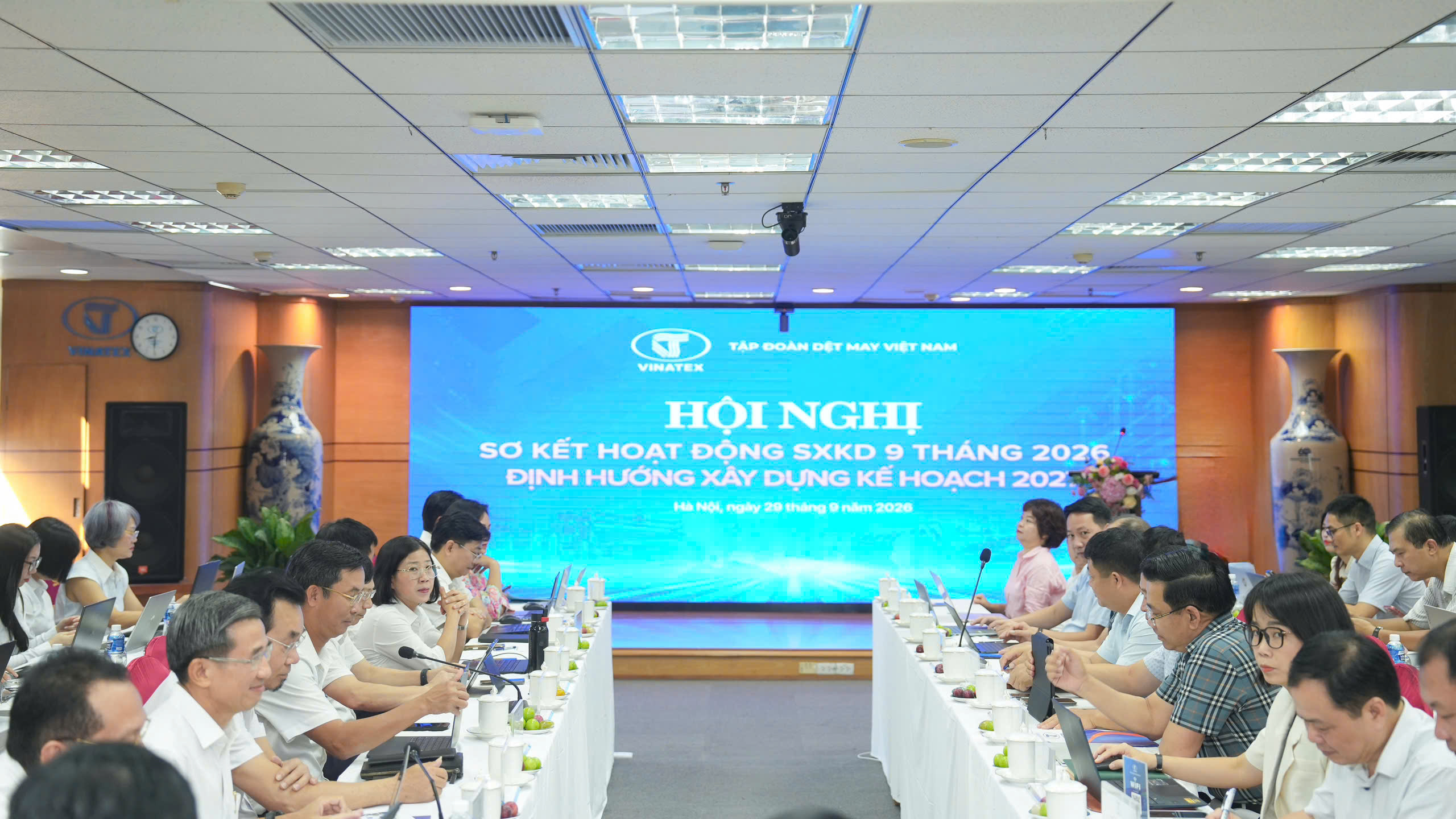

On July 15, Vietnam National Textile and Garment Group (Vinatex) held its Human Resources Review Conference for the first six months of 2026 in both in-person and online formats, connecting participants across the Group’s operations in Northern, Central, and Southern Vietnam. The conference was attended by Mr. Cao Huu Hieu, General Director of Vinatex and Director of the Human Resources Division; members of the Executive Office; heads of functional departments; human resources specialists; and representatives of the leadership teams from Vinatex’s member enterprises.
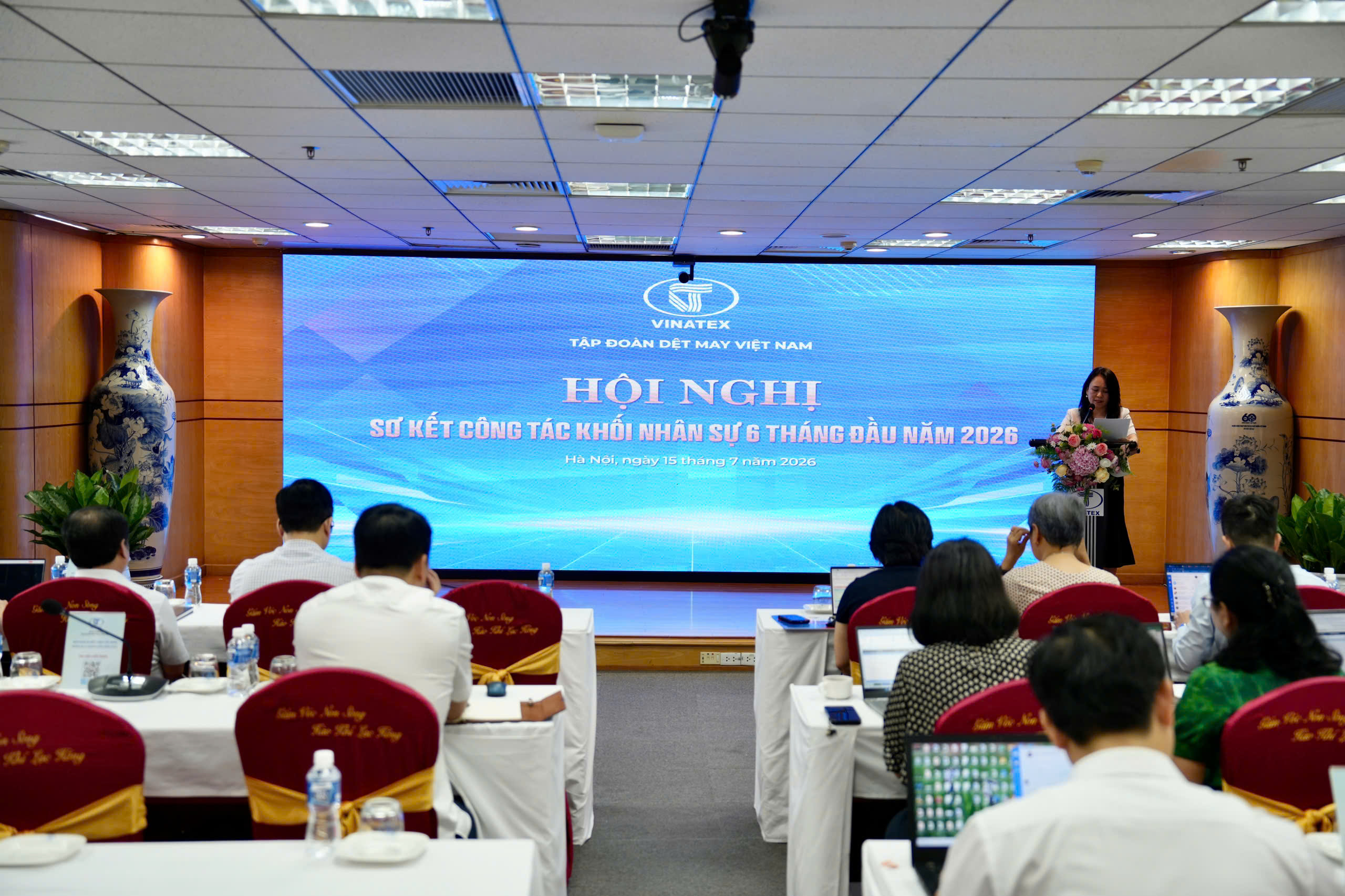
In his opening remarks, Vinatex General Director Cao Huu Hieu said that the Group’s positive revenue and profit performance in the first half of 2026 was the result of the collective efforts of the entire Vinatex system, with human resource management making a meaningful contribution. He noted that the Group’s human resources function has continued to strengthen its role as a strategic advisor to the Board of Directors and the Executive Office in developing solutions to stabilize the workforce and meet production and business requirements. The Human Resources Division has worked closely with member enterprises, providing regular guidance, addressing operational challenges, and helping resolve bottlenecks encountered during implementation. In particular, a number of enterprises that had previously faced operational difficulties have gradually regained momentum. This serves as clear evidence of the effectiveness of integrating human resource management with production and business operations at the enterprise level.

During the second quarter, the implementation timeline for several Human Resources Division initiatives was adjusted as member enterprises prioritized stabilizing production, optimizing order fulfillment, and maintaining workforce stability amid market uncertainties. Nevertheless, the Group’s overall objectives remained on track.
Regarding key performance indicators, Vinatex has set a target of keeping the annual employee turnover rate below 15%. In the first six months of the year, the average turnover rate across the Group stood at 9.8%. However, workforce stability varied considerably among member enterprises. Average employee income increased by more than 10% during the period, although income levels remained uneven across the Group. Accordingly, further efforts are needed to develop solutions tailored to the specific conditions of each enterprise to improve employee income and strengthen workforce retention. In addition, greater attention should be given to developing a strong succession pipeline to ensure the long-term sustainability of Vinatex’s human resources.
Presenting the Human Resources Division’s six-month review of its 2026 action program, Ms. Tran Tuong Anh, Member of the Board of Directors of Hoa Tho Textile and Garment Corporation and Human Resources Division expert, reported that the Group’s employee turnover rate in the first half of 2026 declined by 0.4% compared with the same period in 2025. No labor shortages emerged across the system, contributing to stable production and the successful achievement of the Group’s first-half business objectives. The Human Resources Division continued to build a data-driven human resource management platform by developing a set of core HR metrics and standardized reporting templates for implementation across the Group. It also provided focused support to four key enterprises: Branch of Vinatex – Nam Dinh Spinning factory, Eight March Textile company Ltd. (EMTEXCO); Hanoi Textile and Garment Joint Stock Corporation (HANOSIMEX); and Nam Dinh Textile and Garment Joint Stock Corporation (NATEXCO) – in the areas of human resource management, digital transformation, training, and recruitment. The Division also organized training and experience-sharing programs for more than 200 middle managers, collaborated with Hanoi University of Industry and Trade to assess training needs and provide consulting on work-integrated degree programs in Garment Technology and Spinning Technology; strengthened professional knowledge sharing through its quarterly Human Resources Newsletter, which provides legal updates and shares HR management knowledge and best practices.
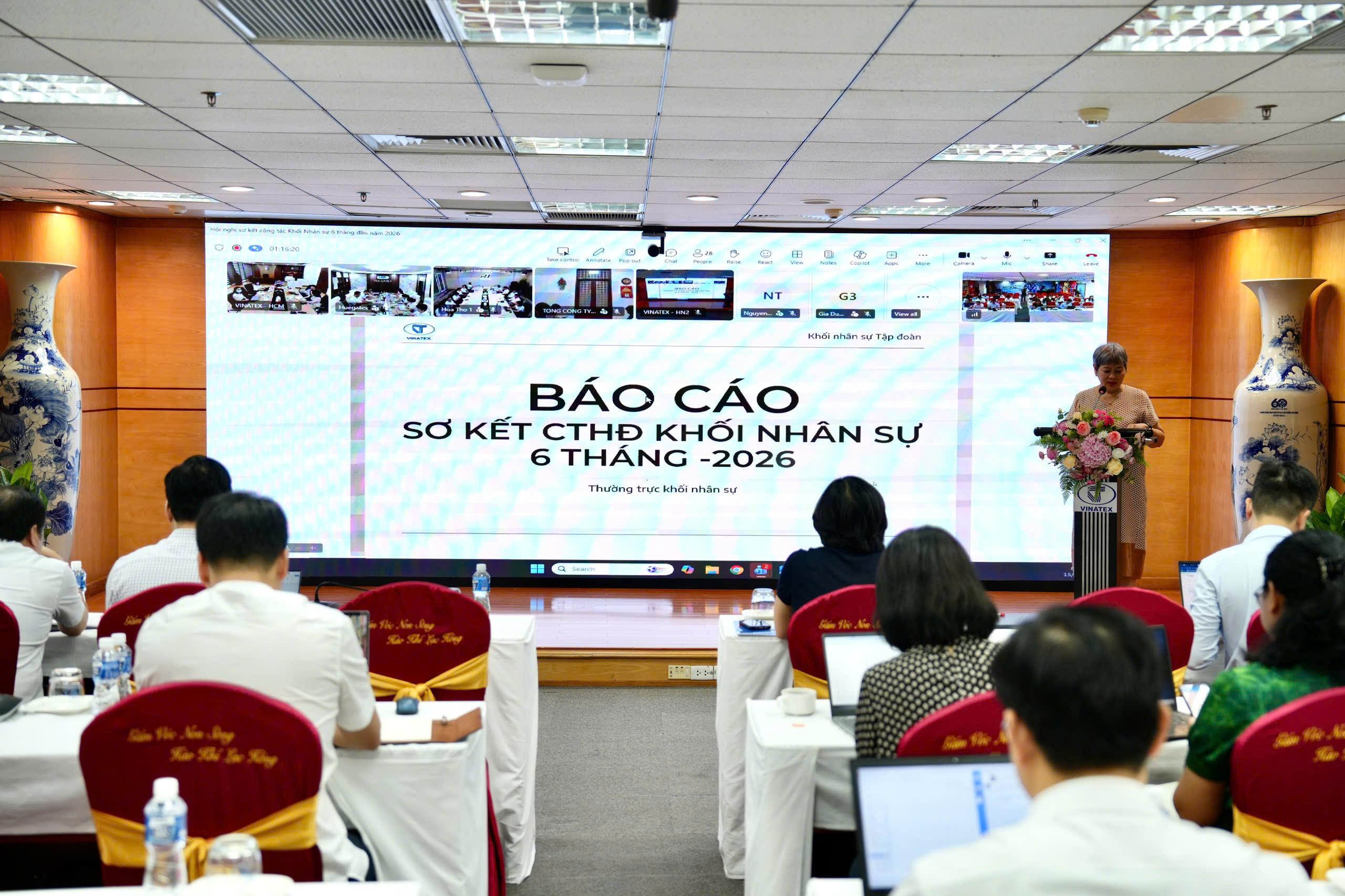
Despite the progress achieved, several challenges remained in implementing the Human Resources Division’s initiatives: the fragmented HR data resulting from the lack of standardized and integrated personnel records; limited dedicated HR resources, with many staff members undertaking multiple responsibilities and requiring further capacity building; uneven progress in digital transformation across member enterprises; an employee performance evaluation system based on KPIs that is still under development and in the pilot phase; delays and inconsistencies in the implementation of certain training programs; and varying levels of organizational maturity among member enterprises.
During the conference, participants also heard presentations from the Human Resources Division’ Executive Committee on workforce trends, employee compensation, and the effectiveness of human resource management across member enterprises during the first half of the year; an outlook on the labor market and employment trends for the second half of 2026, as well as a thematic session entitled “Personal Data Protection in Human Resource Management: From Regulation to Action,” aimed at enhancing awareness and ensuring compliance with legal requirements in HR management.
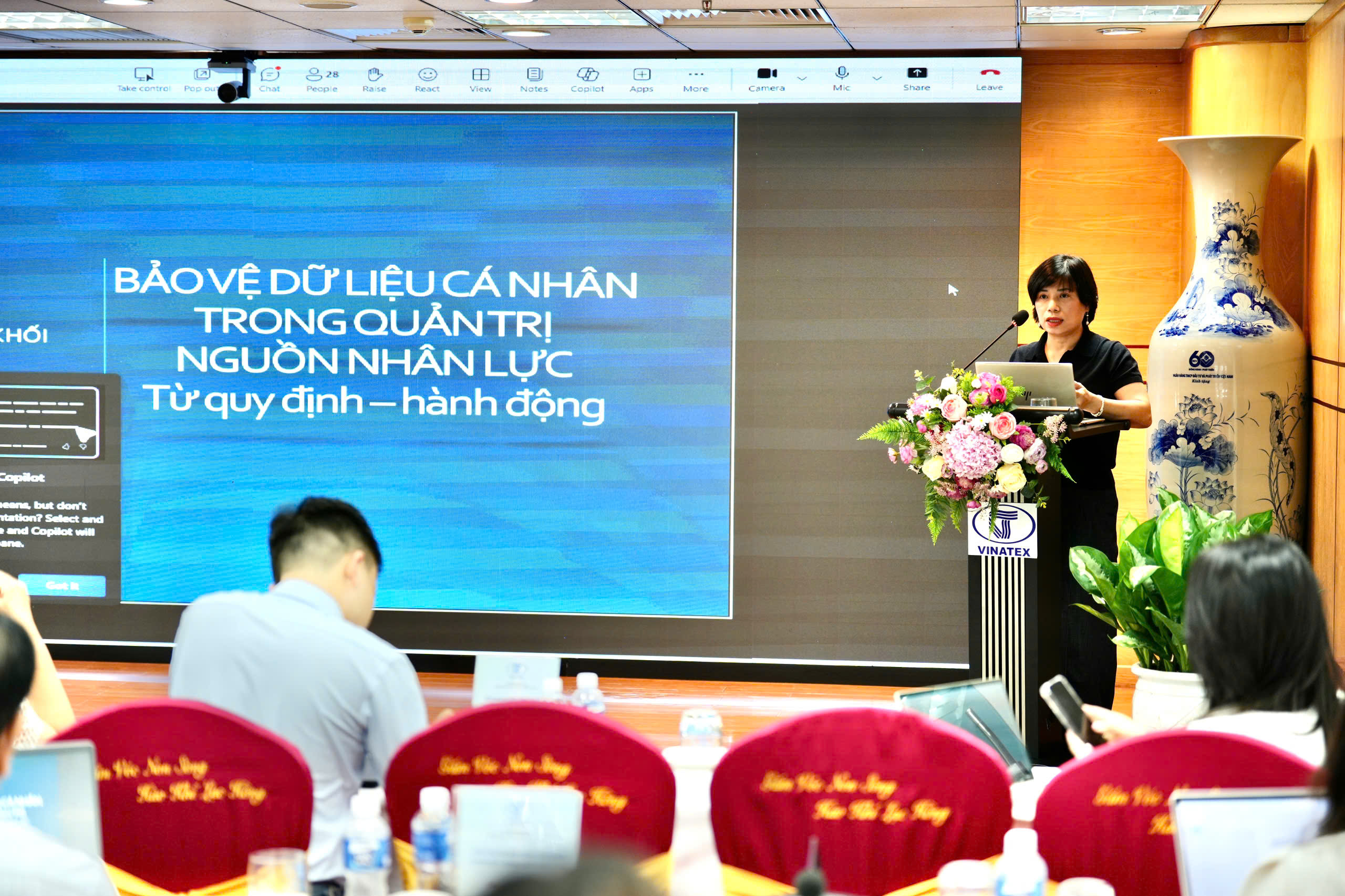
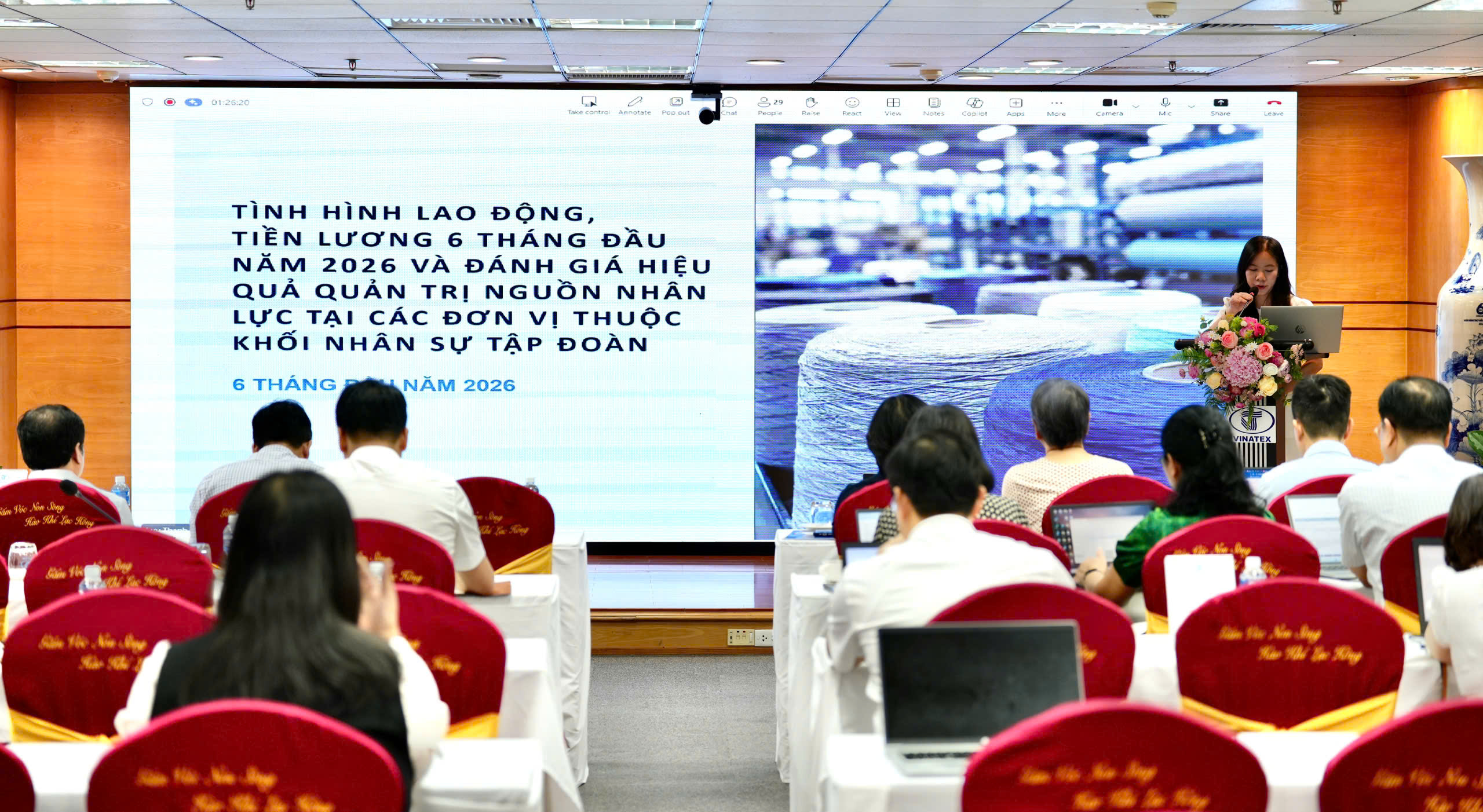
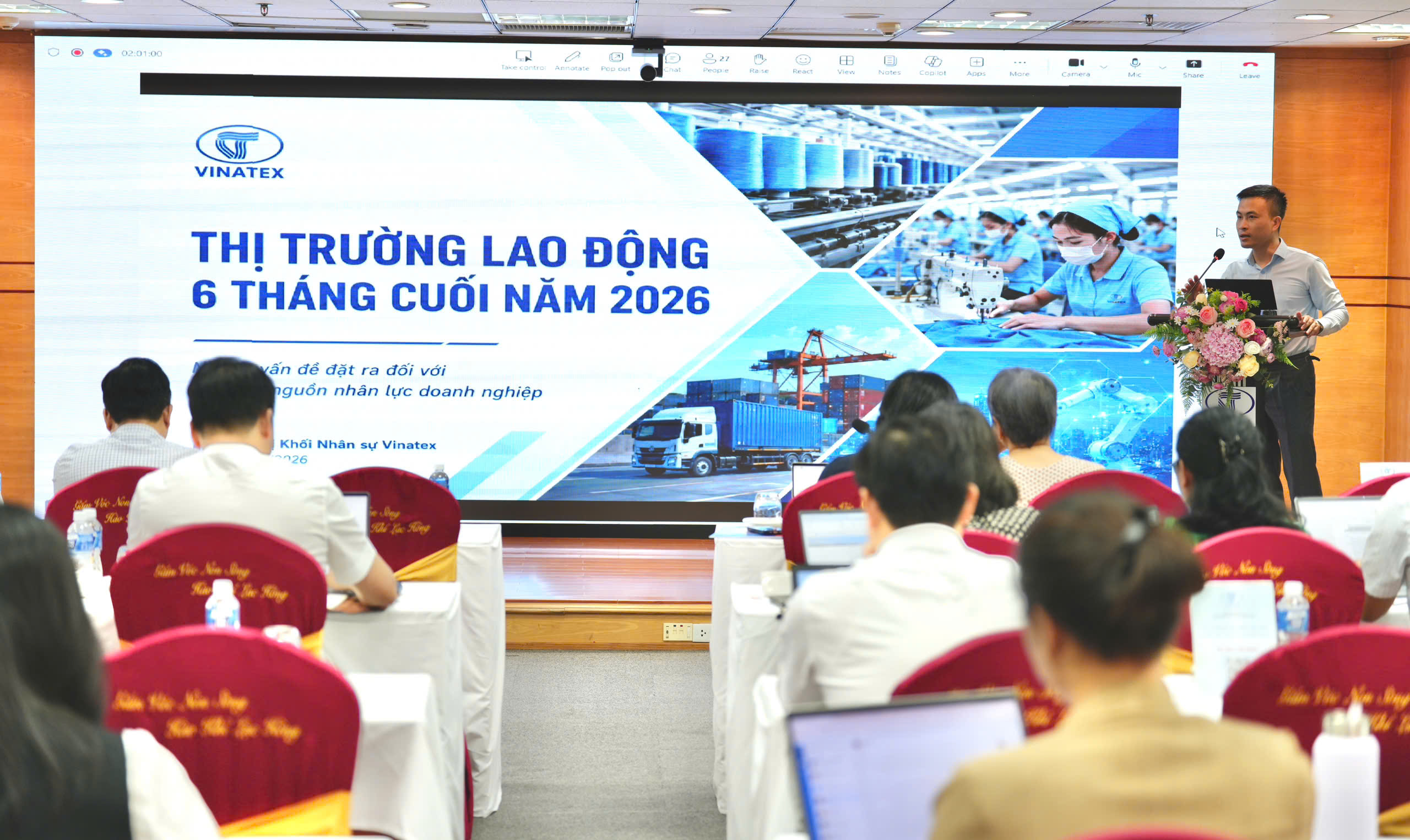
Sharing practical experience in human resource management, two presentations delivered by Hue Textile and Garment Joint Stock Corporation and Hoa Tho Textile and Garment Corporation on “Applying KPI/OKR Performance Management Tools in Human Resource Management” and “Applying HR Metrics to Measure and Improve Human Resource Management Effectiveness” provided participants with valuable practical insights and actionable solutions. The presentations generated strong interest and lively discussions among members of the Human Resources Division throughout the conference.
In his closing remarks, Mr. Cao Huu Hieu, General Director of Vinatex and Director of the Human Resources Division, affirmed that human resource management has increasingly demonstrated its strategic value, making tangible contributions to the production and business performance of member enterprises. The Human Resources Division has also worked closely with the Group’s Yarn and Garment Production and Business Divisions to develop solutions that ensure an adequate workforce for operations, contributing to the positive growth achieved in the first half of the year. Coordination between the Group’s Human Resources Division and member enterprises has improved significantly, while initiatives such as on-site support, workplace-based training, and specialized consulting have begun to deliver positive results. The capabilities of HR professionals have received greater attention, with several member enterprises making systematic investments in their human resource management systems. These efforts have laid a solid foundation for the next phase of Vinatex’s management transformation.
Despite the progress achieved, several issues still require focused attention. These include inconsistencies in the quality of human resource management across member enterprises; the incomplete standardization and integration of HR data, which limits data analysis and decision-making; uneven implementation of certain training programs, with post-training effectiveness yet to be clearly measured; and the lack of in-depth root cause analysis and targeted solutions for persistent operational bottlenecks at some enterprises, resulting in limited improvement outcomes.
On this basis, the Group’s leadership called on the Human Resources Division to focus on the following key priorities during the third quarter and the second half of 2026:
(1) Expedite the completion of the Group’s HR data system and the Human Resource Management Maturity Assessment Toolkit, with both scheduled for issuance in July 2026.
(2) Fully implement the approved training plan, with particular emphasis on evaluating training effectiveness through measurable improvements in employees’ competencies and job performance.
(3) Continue implementing the support program for the four key enterprises facing operational challenges in a more proactive and results-oriented manner, ensuring that all initiatives are closely aligned with production and business performance.
(4) Further strengthen workforce stability by prioritizing employee retention and the effective utilization of the existing workforce. The Group aims to keep the employee turnover rate below 10%, continue improving employee income, particularly at enterprises where average income remains below the Group and local averages; recommend measures to enhance labor productivity, thereby creating sustainable opportunities for long-term income growth.
(5) Improve the quality of succession planning and leadership development by transforming from a procedural exercise into practical management; proactively preparing a strong pipeline of current and future managers to support the long-term development of member enterprises.
Against the backdrop of evolving U.S. trade policies and expectations of continued challenges in the second half of the year, the Human Resources Division should further reinforce its role in enhancing business performance by shifting toward a more proactive approach to workforce management, ensuring that the workforce are fully prepared to meet production and business requirements.
The Group’s leadership also called on the management of member enterprises to recognize human resource management as a core component of corporate governance. Enterprise leaders are expected to take direct responsibility for overseeing, monitoring, and delivering key performance targets related to workforce management, employee income, training, and talent development.