
The temporary agreement between the United States and Iran failed to produce a lasting resolution. The two sides continued to engage in reciprocal maritime attacks and long-range military strikes, driving regional tensions into a prolonged period of escalation. As a result, instability intensified across key maritime chokepoints, particularly the Strait of Hormuz and the Persian Gulf, leading to sharp increases in freight rates, marine insurance premiums, and war risk surcharges. With transportation risks remaining elevated over an extended period, fuel prices and logistics costs across the global textile and apparel industry came under significant pressure, eroding the profit margins of export-oriented manufacturers.

Supply Chain Impacts: Prolonged Disruptions and the Restructuring of Sourcing
The prolonged conflict has not only caused temporary disruptions to global supply chains but has also accelerated their long-term restructuring. Brands in Europe and North America have increased inventory buffers, shifted orders to lower-risk sourcing locations, and accelerated supplier diversification strategies. Raw material and accessories suppliers (including synthetic fibers, dyes, and processing chemicals) have been affected by rising energy costs and transportation disruptions, resulting in raw material shortages and greater volatility in input prices.
For Vietnamese textile and garment enterprises, these developments could lead to unpredictable increases in input costs and longer delivery lead times, making production planning more challenging and complicating the fulfillment of commitments to international customers.
Market Sentiment: Smaller Order Volumes and Higher Risk of Losing Orders
Against the backdrop of a prolonged conflict, international brands have adopted a more cautious procurement strategy, favoring short-term contracts, placing smaller orders, and adjusting delivery schedules more flexibly to mitigate geopolitical risks. As a result, export-oriented manufacturers must adapt to a “small-batch, fast-delivery” production model rather than relying on traditional large seasonal orders. This shift increases operating costs on a per-unit basis while demanding greater production agility and responsiveness. Meanwhile, as global logistics costs continue to rise, competitors located in lower-risk regions may gain a competitive advantage unless Vietnamese enterprises further optimize their domestic cost structures and improve operational efficiency.
Domestic Financial Pressures: Exchange Rates, Costs, and ESG Requirements
The prolonged conflict has intensified volatility in global financial markets; the U.S. dollar has become increasingly volatile, while interest rates and trade finance costs may rise as international financial institutions adopt a more cautious approach to risk. Although a stronger U.S. dollar can increase the value of export revenues when converted into Vietnamese dong (VND), Vietnamese enterprises still rely on imported materials for 50–60% of their production inputs. As a result, higher input costs are likely to offset much of the exchange rate benefit.
In addition, domestic cost pressures – including higher energy prices, rising labor costs, and increasing expenses associated with ESG compliance – are placing further strain on profit margins. Access to preferential financing has also become more challenging as banks tighten collateral and lending requirements amid heightened global uncertainty.
Strategic Responses for Textile and Garment Enterprises
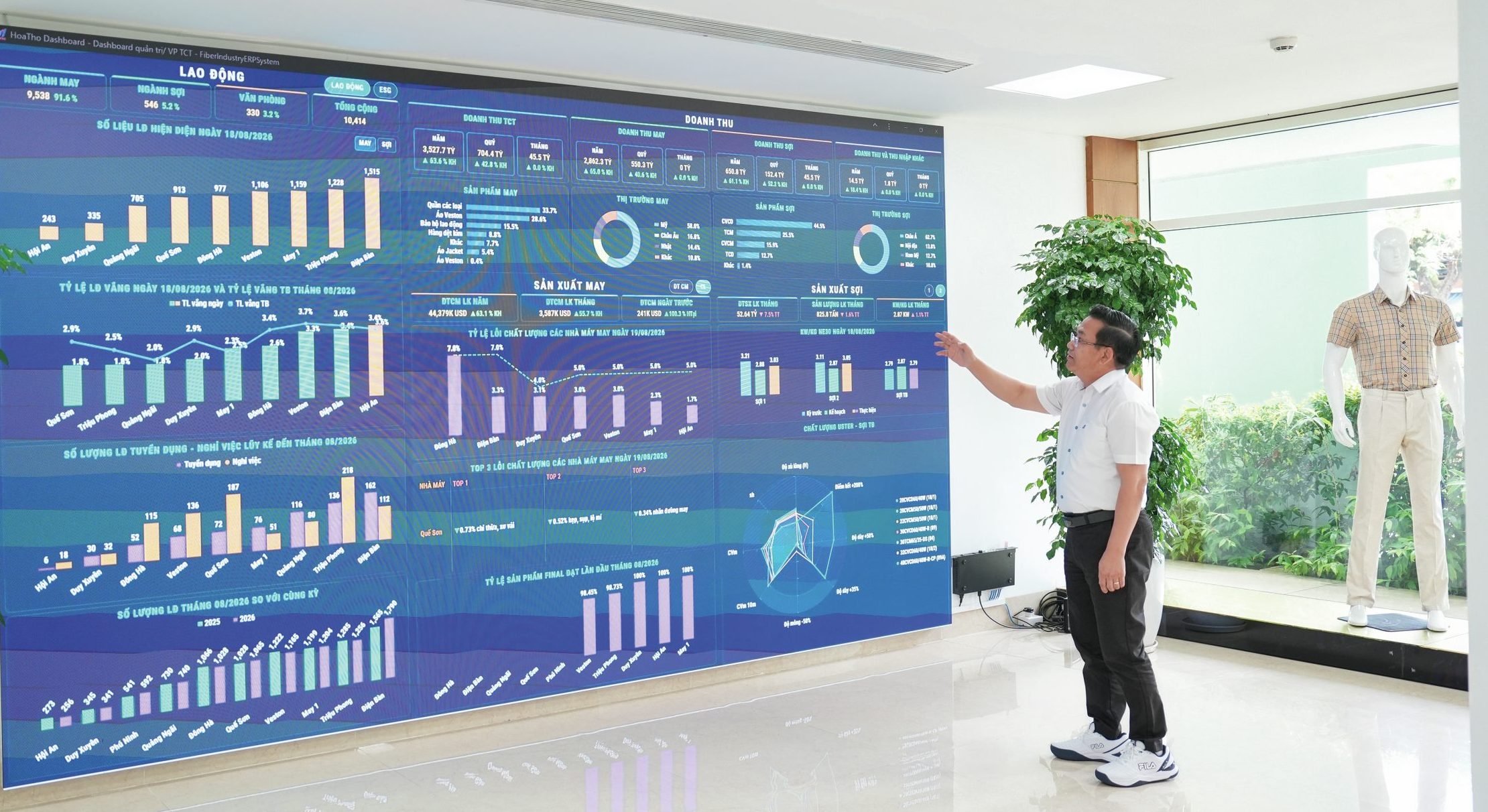
Leverage digitalization and automation to upgrade their competitive model, transforming the advantage of low labor costs into one of high productivity. The objective is not merely to reduce operating costs, but to build smarter manufacturing capabilities that enable faster response times and deliver higher value, particularly for major global brands.
Optimize supply chain management by proactively diversifying suppliers (through a balanced mix of domestic and regional sources), maintaining strategic inventories of price-sensitive materials, and negotiating more flexible delivery terms with customers.
Strengthen financial risk management and insurance coverage by utilizing foreign exchange hedging instruments, futures contracts, and export credit insurance solutions to mitigate currency fluctuations and payment risks.
Adjust commercial terms strategically: as freight costs and transportation risks increase, enterprises should selectively consider shifting from FOB to CIF or CFR when greater control over shipping arrangements is required or vice versa to share transportation risks with buyers.
Optimal internal costs by enhancing labor productivity, implementing targeted automation, and reviewing energy consumption to reduce overall production costs. At the same time, enterprises should accelerate the development of domestic and regional raw material supply chains to reduce dependence on imports.
Enhance product and market flexibility by developing product lines suited to smaller order volumes, shortening production lead times, and expanding exports into markets that are less directly affected by geopolitical conflicts.
Policy Recommendations
If the conflict between the United States and Iran continues over an extended period, its impact on energy prices and logistics costs is likely to become a structural cost burden for years to come, compelling both the global and Vietnamese textile and garment industries to adapt their sourcing strategies and pricing models. The Government and industry associations can play a supportive role by promoting the development of domestic sources for strategic raw materials, providing short-term export credit guarantee mechanisms, and assisting exporters in negotiating logistics costs. Temporary policy preferential for credit, trade risk insurance, and export market diversification programs – would also help reduce the industry’s vulnerability to prolonged geopolitical shocks.
The renewed U.S.–Iran conflict has heightened uncertainty and increased operating costs for Vietnam’s textile and garment industry. Ultimately, business operations are always exposed to objective and unforeseeable risks, whether from armed conflicts, natural disasters, pandemics, or trade barriers such as tariffs. In this environment, proactive supply chain and financial risk management, together with flexible product and market strategies, are essential to protecting profit margins and maintaining long-term competitiveness.