
Facing pressure from geopolitical competition and new trade barriers, Vietnam’s textile and garment industry is striving to find solutions to the challenges of cost management and productivity. By combining flexible management strategies with the power of AI and robotics, Vietnamese enterprises hope to maintain their key position in the global supply chain.
Multiple Challenges from Geopolitics and Legal Factors
The world is closely watching the conflict involving the U.S-Israel-Iran conflict, along with its negative impacts on the global economy. Not only poor countries but also wealthy countries are increasingly concerned as fuel prices fluctuate daily, disruptions along the Hormuz shipping route threaten logistics chains, and ripple effects spread across key raw materials and energy supplies, raising the risk of a global economic slowdown.
Amid this crisis, Vietnam’s Textile and Garment industry is facing not only the fallout from the U.S./Israel–Iran conflict, which escalated in late February 2026, but also the burden of responding to the Section 301 investigation launched by the Office of the United States Trade Representative on March 12, 2026. The investigation, expected to conclude hearings in April 2026, targets forced labor practices across 60 economies, including Vietnam.
Describing the situation as “misfortunes never come singly” may not be an exaggeration, as the industry’s total input costs could rise by 10–30% due to the conflict, while profit margins remain relatively low at only 3–5%. In addition, the investigation could lead to supplementary tariffs if the USTR reaches an unfavorable conclusion, posing a significant risk for textile and garment enterprises that depend on the U.S. and EU markets for more than 60% of their exports.
The key question is whether we can respond effectively to these challenges, or at least mitigate their negative impacts on textile and garment enterprises, and how this can be achieved.
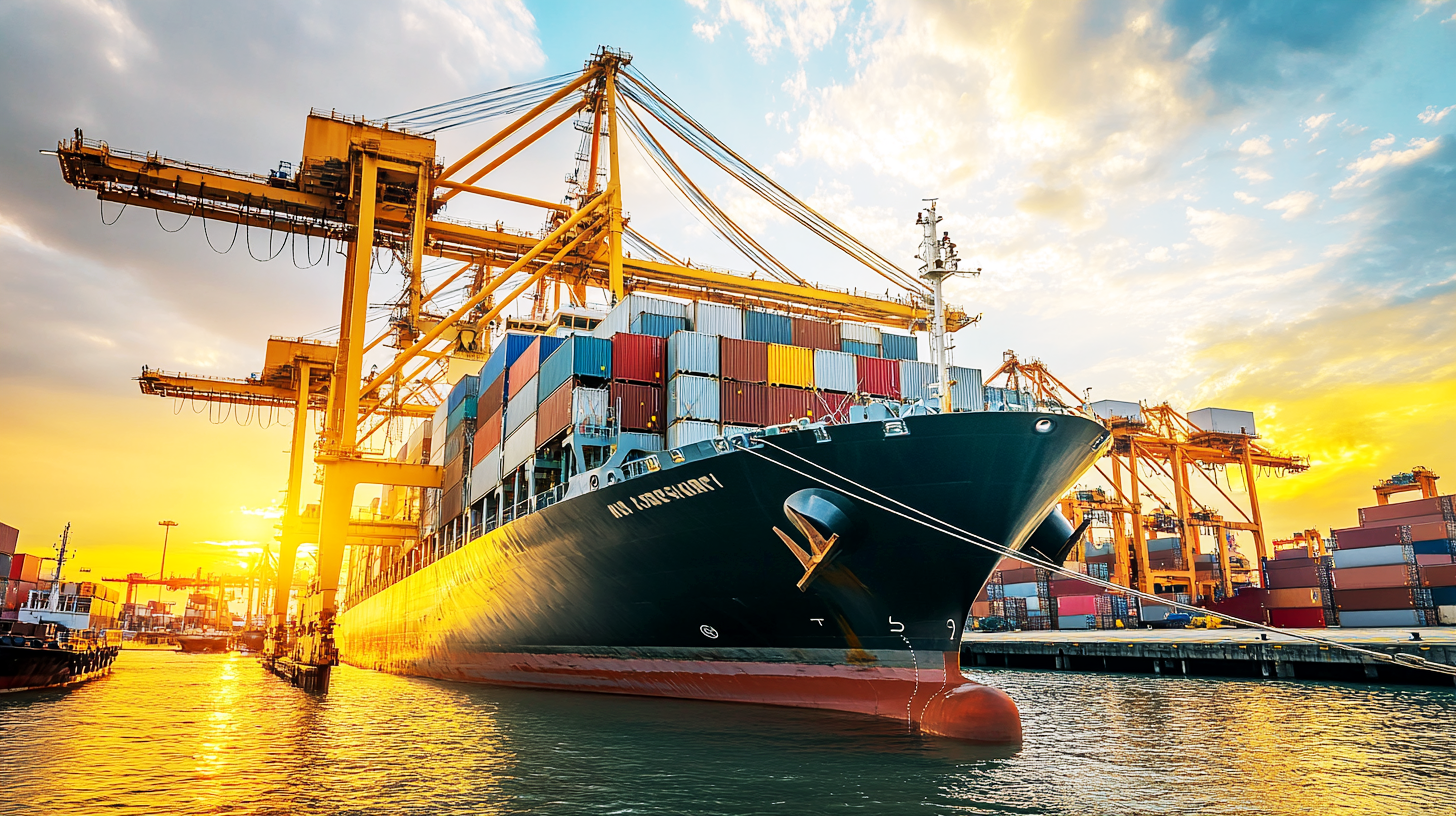
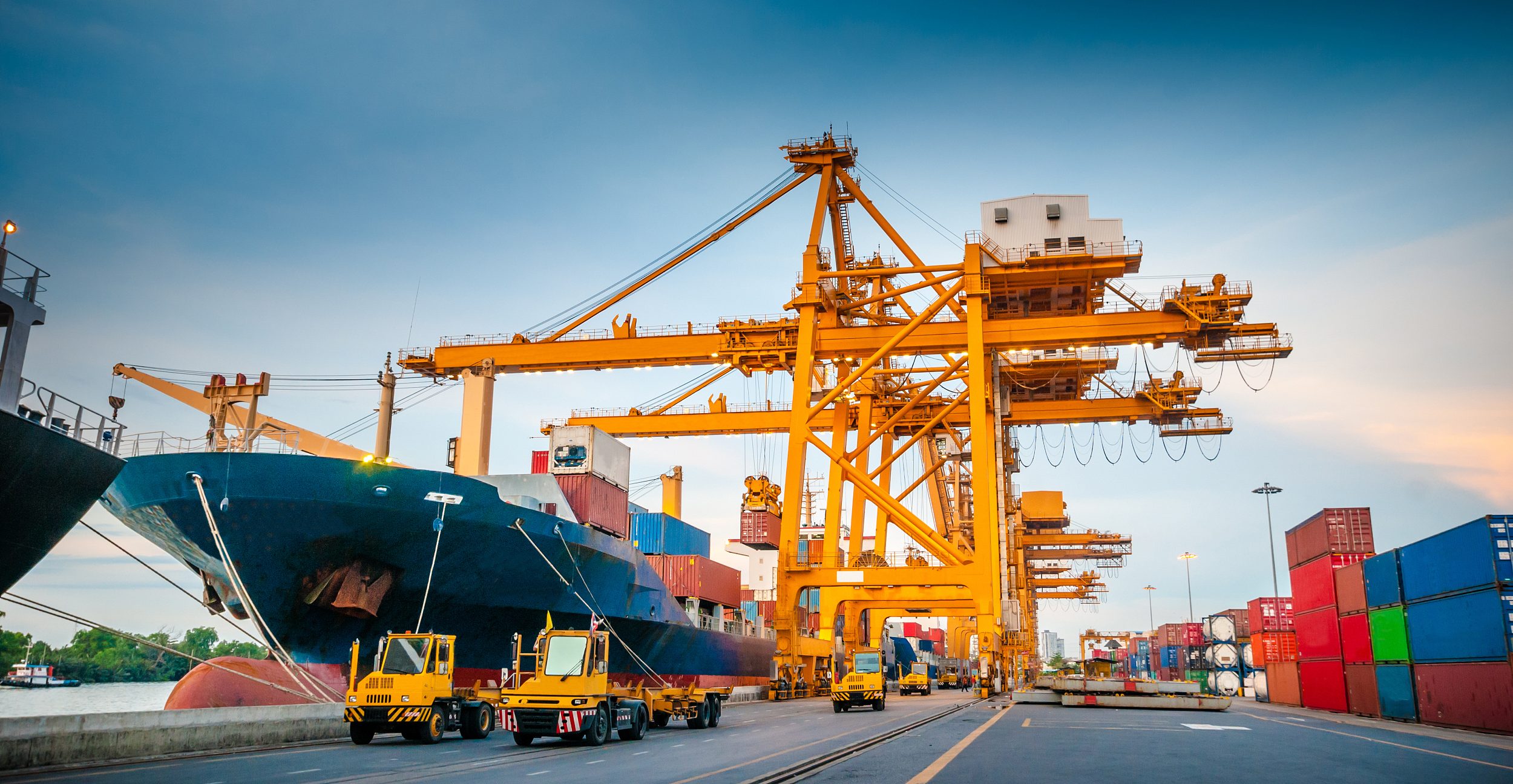
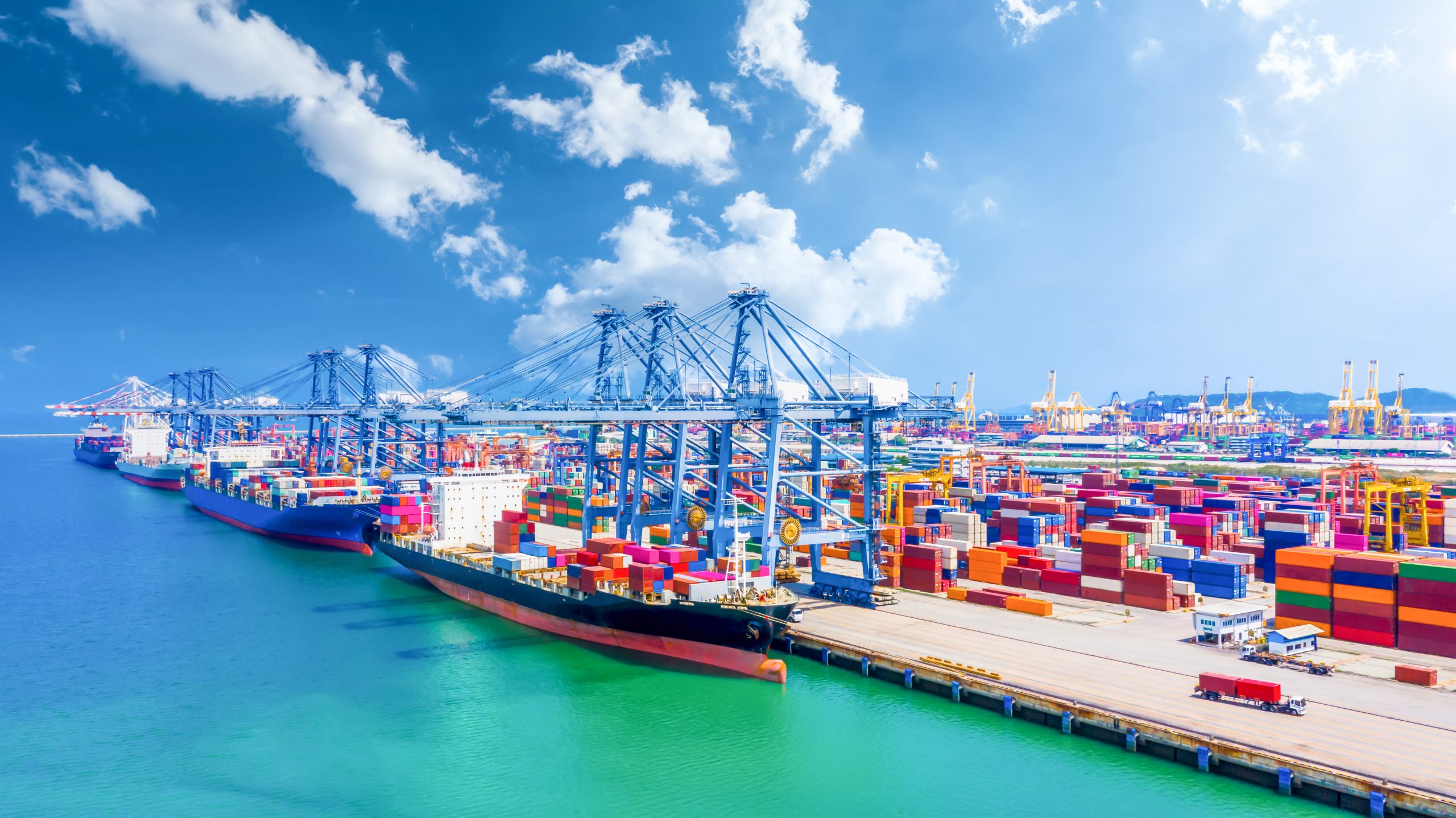
From a broader strategic perspective, continuing to diversify export markets and raw material supply sources, especially imported polyester, remains a long-term solution. Rising oil prices are significantly increasing production costs for Vietnam’s Textile and Garment industry, particularly through petrochemical-based materials. As crude oil prices climb, the cost of raw materials and accessories can surge by several dozen percent. International and domestic logistics costs are also rising due to higher fuel prices, longer shipping routes required to avoid the Strait of Hormuz and the Red Sea, as well as emergency surcharges and war-risk insurance premiums. At the same time, manufacturing operating costs are escalating because of higher electricity and lubricant prices, creating multiple layers of pressure on businesses. For example, CMA CGM imposed an emergency surcharge of USD 3,000 for a 40-foot container starting from March 2, 2026, and USD 4,000 for special cargo. Freight rates on Asia–Europe and trans-Pacific routes have also risen sharply. Historically, under similar instability, shipping costs surged from around USD 1,500 to USD 5,500 per 40-foot container.
Technology and AI: The Key to “Real Growth”
In addition to simultaneously addressing major challenges involving numerous variables: such as sharing risks with partners through moderate price increases or logistics support, continuing to diversify markets and supply sources, and negotiating special terms in transportation and insurance contracts — further investment in technology to offset operating costs, improve labor productivity, and promote sustainable production remains an extremely important solution. In practice, investment in technology can help textile and garment enterprises increase labor productivity by 20–50%, reduce costs, and enhance competitiveness. This is precisely how textile and garment companies, led by Vinatex, are directly contributing to the goal of achieving “real growth” and creating “higher knowledge content and added value,” as emphasized by To Lam in his closing speech at the second meeting of the 14th Central Committee on March 25, 2026.
There have already been successful models applying automated cutting and sewing robots together with artificial intelligence to monitor machinery, helping reduce production time and technical defects, especially in fabric cutting, packaging, and system monitoring, while also shortening order-processing times.
Similarly, the application of 3D design technology and digital pattern-making has reduced development time from months to days, cutting sample-making costs by nearly 100%. The integration of ERP and CRM systems for supply chain, warehouse, and human resource management has also enabled comprehensive process optimization.
The adoption of smart technologies, such as AI-assisted industrial sewing systems, has helped reduce manual operations and increase productivity by 20–30%, while big data analytics is being used to minimize waste and optimize resource utilization. This is an irreversible trend, as AI and robotics continue to evolve at an extraordinary pace — one that even humans may not yet fully comprehend or anticipate.
Response Strategies and Compliance with Global Standards
To address challenges arising from Section 301 Investigation , enterprises should conduct supply chain audits to eliminate forced labor risks and comply with guidance issued by the International Labour Organization and the Vietnam Chamber of Commerce and Industry on identifying and preventing forced labor risks. Companies should also diversify sources of raw materials and invest in green ESG technologies to strengthen long-term competitiveness. Enterprises need to ensure compliance with the 2019 Labor Code while obtaining Uyghur Forced Labor Prevention Act (UFLPA) certifications or equivalent standards to maintain access to the U.S. and EU markets. In addition, businesses should train employees on ESG (Environmental, Social, and Governance) standards, apply blockchain-based software to trace material origins from yarn to finished products, and coordinate with VCCI and the Ministry of Industry and Trade of Vietnam to conduct periodic inspections and ensure transparent, objective reporting.
Vietnam has previously addressed limitations and provided reasonable explanations to achieve similar agreements and avoid additional tariffs, not only in the textile and garment industry but also across several other sectors and industries. Therefore, enterprises should actively participate in the public comment process with the Office of the United States Trade Representative to explain the realities of manufacturing operations in Vietnam, while also drawing on experience from previous trade investigations to coordinate with the Government in presenting well-founded arguments aimed at preventing additional tariff measures.
It can be said that these difficulties had already been anticipated by Vinatex’s leadership that “2026 would continue to be a year of complex and constantly shifting developments,” requiring that “the role of senior corporate leadership in flexible management, rapid responsiveness, and the ability to accommodate new market demands become the key to business performance in 2026” (“The Global and Vietnamese Textile and Garment Industry in 2026 Amid the Haze of Reciprocal Tariffs”, edited by Le Tien Truong, Bach Khoa Publishing House, Hanoi, 2025, p. 218).

Amid the dual challenges posed by the conflict in the Middle East and the Section 301 investigation, Vietnam’s Textile and Garment industry needs to take decisive action, from diversifying markets and supply sources to making strong investments in digital technologies and ESG, while also ensuring strict and transparent compliance with international labor standards.
These solutions will not only help minimize short-term risks but also serve as the key for the textile and garment industry to overcome these multiple overlapping challenges, strengthen sustainable competitiveness, and transform threats into opportunities for deeper integration into the global supply chain. With its experience in navigating previous trade investigations, Vietnam is fully capable of protecting and further developing its strategic textile and garment industry.