
The global textile and garment supply chain is continuing to realign in response to tariffs, geopolitical uncertainties, logistics costs, and growing demands for traceability and sustainability. Against this backdrop, competitive advantage is no longer based solely on low costs or production capacity. Instead, it increasingly hinges on the stability of the workforce, the quality of skills, and the ability to organize production efficiently. For Vietnam’s textile and apparel sector, retaining key employees, safeguarding critical capabilities, and maintaining smooth operations have become prerequisites for winning orders and preserving its role in global supply chains.
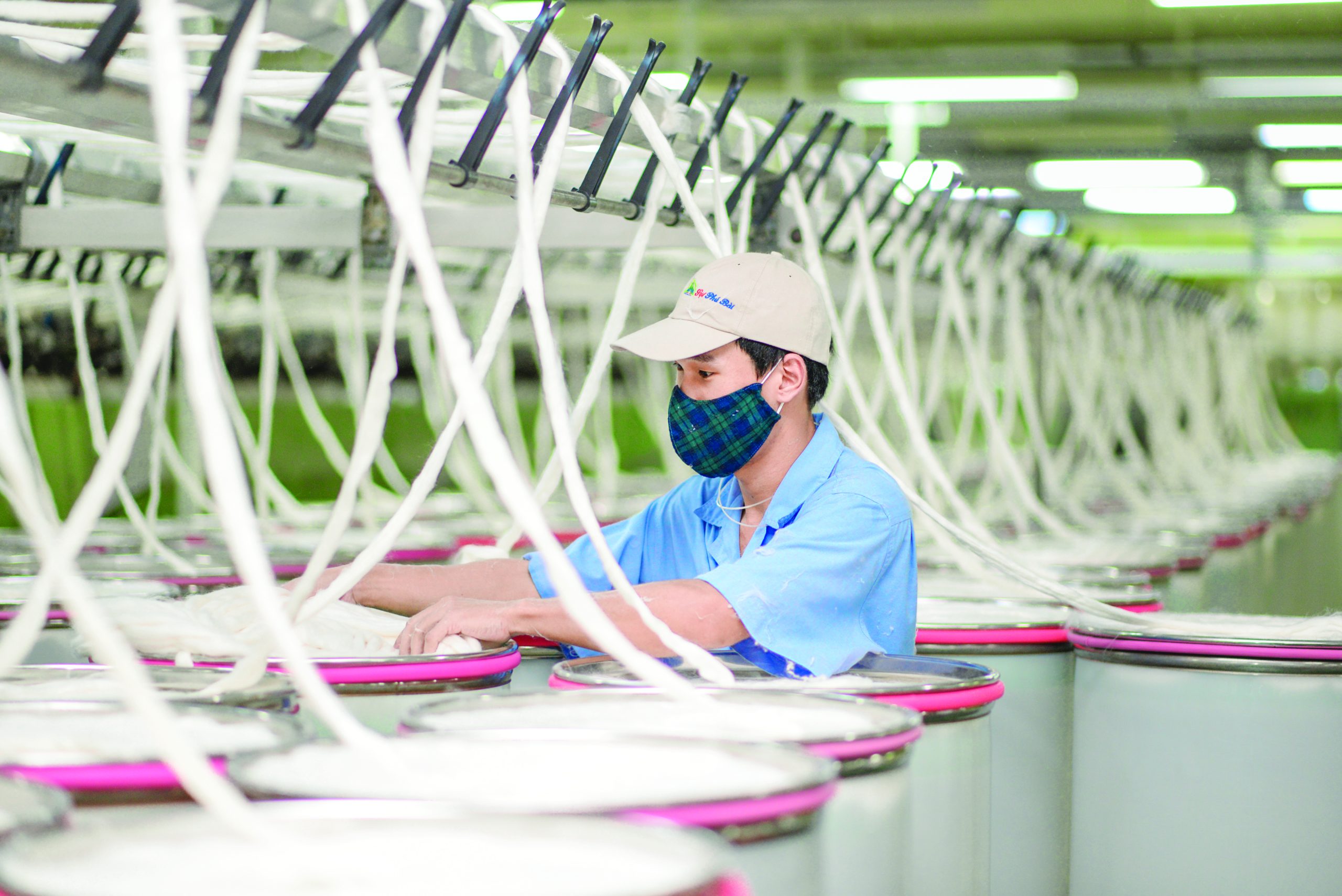
From Market volatility to Workforce pressures
Recent market developments have demonstrated that the global textile and garment supply chain no longer operates under its traditional model. Orders are shifting more rapidly, lead times are becoming shrinking, and requirements relating to quality, social responsibility, traceability, and data transparency are growing increasingly stringent. In this environment, buyers are no longer seeking only low-cost suppliers; they increasingly prioritize companies that can respond quickly, maintain stable production, and adapt effectively to market fluctuations.
As a result, workforce quality has become a core element of competitive advantage. If the industry’s priority in the past was simply to secure enough workers to keep production lines running, the challenge today is to build and retain a skilled, adaptable, and future-ready workforce. Internal capabilities, the ability to maintain flexible production rhythms, and the quality of human capital are increasingly becoming the key determinants of resilience and competitive advantage for textile and garment enterprises in this new environment.
Retaining Core employees means Preserving production capacity
Amid ongoing market volatility, workforce stability has become a critical factor in the production efficiency of textile and garment enterprises. Employee turnover not only disrupts production lines but also increases recruitment and training costs, while raising quality-related risks.
Following the Lunar New Year holiday 2026, the return-to-work rate at Vinatex’s member companies reached 98–100%, reflecting the effectiveness of the Group’s employee welfare, engagement, and job security policies. By maintaining a stable workforce, many enterprises were able to quickly resume production and sustain operational momentum from the very beginning of the year.
In practice, companies that invest in employee well-being and build trust within the organization tend to be better positioned to maintain stable operations, enhance resilience, and strengthen their competitive capabilities in an increasingly uncertain market environment.
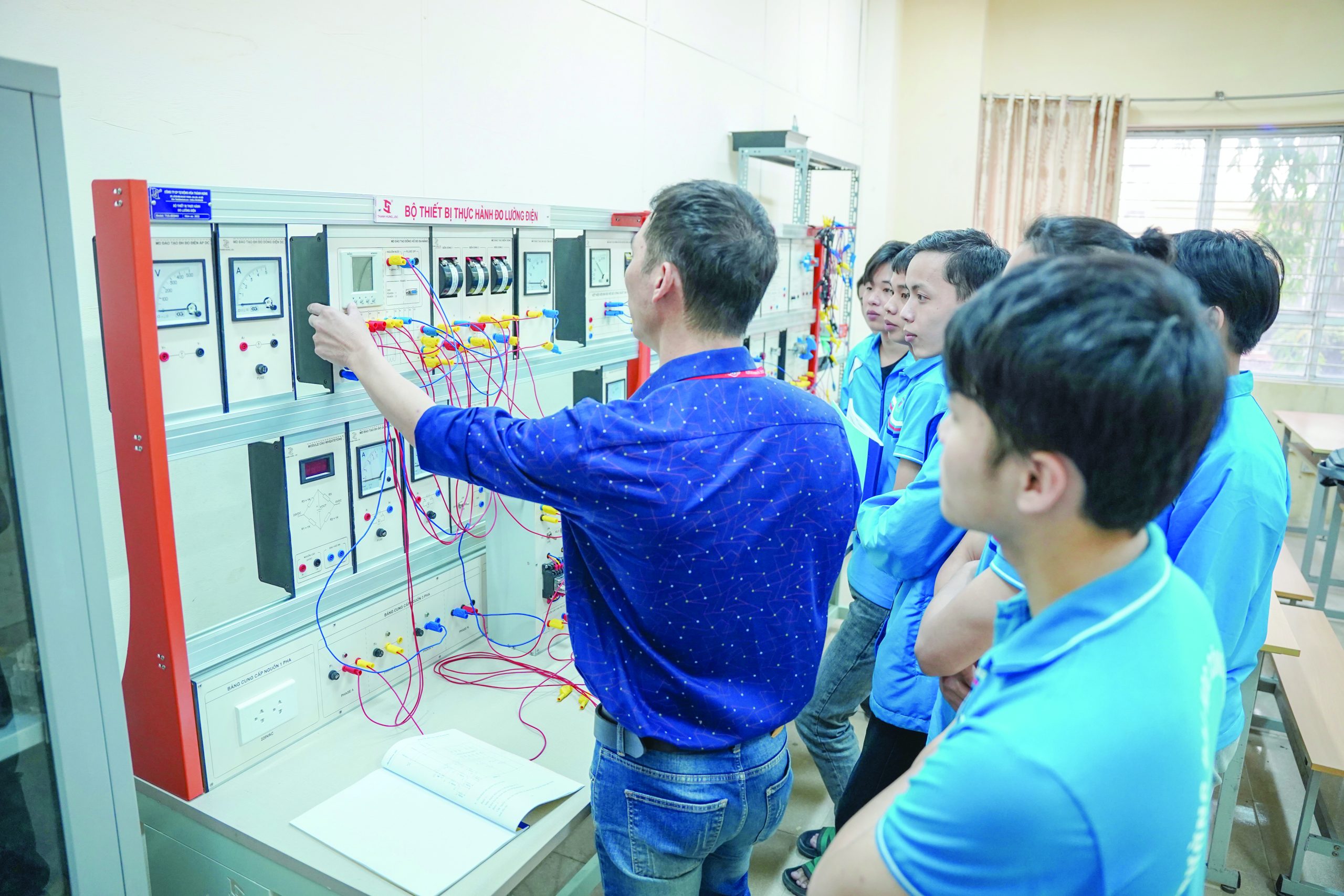
From Filling positions to Building the right skills
As global supply chains continue to change, new demands are being placed on the textile and garment workforce. Workers can no longer rely solely on proficiency in a single, fixed role; they must be capable of quickly adapting to new products, processes, machinery, and quality requirements. The industry’s workforce challenge has therefore shifted from securing sufficient manpower to building a workforce equipped with the right skills.
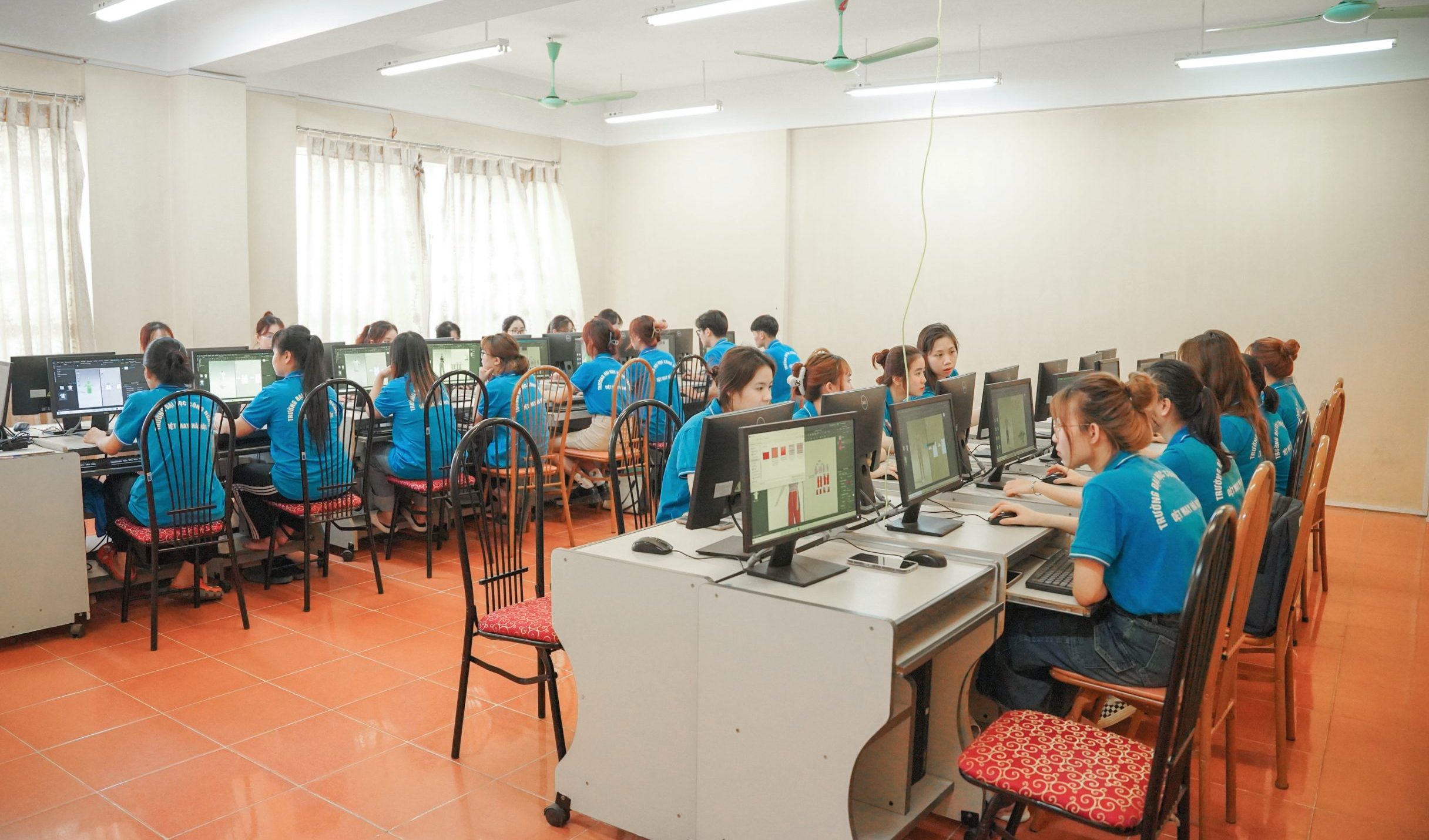
To respond to these new demands, frontline employees must receive practical, production-oriented training, while technical and management staff need to improve their coordination, problem-solving, and interdepartmental collaboration skills. For 2026, Vinatex has outlined several key initiatives, including completing its organizational model, standardizing competency frameworks, preparing workforce plans based on production needs, strengthening training in productivity, quality, foreign languages, and customer skills, and building a KPI system tied to productivity and income.
The issue is not training more but training smarter – developing the exact skills that enterprises need to remain competitive in the new era of the textile and garment industry.
Middle Management as the Foundation of Performance
Middle-management personnel – including team leaders, line supervisors, workshop managers, and shift supervisors – have become a critical link in the textile and garment industry’s workforce equation, as they are directly responsible for managing production and maintaining the closest day-to-day engagement with employees. In an environment where orders change rapidly, product designs are becoming increasingly complex, and profit margins are narrowing, companies will struggle to convert resources and orders into actual productivity if this group lacks the necessary capabilities.
For this reason, Vinatex believes that improving performance must begin with people, organizational structures, and execution discipline. In this process, strengthening the capabilities of middle managers is a key priority for sustaining operational efficiency and meeting the market’s increasingly demanding requirements.
As global supply chains continue to be reconfigured, the workforce challenge must be viewed through the lens of competitiveness. Retaining core workers is about safeguarding production continuity. Building new skills is about staying agile in the face of changing products and market expectations. Developing capable middle managers is about maintaining operational discipline and efficiency. These priorities have moved far beyond the responsibility of the HR department; they have become decisive factors in a company’s ability to win orders, keep customers, and sustain its position in an ever-changing global supply chain.