
Amid growing environmental and social pressures on the fashion industry, the debate is no longer about whether change is necessary, but about what form that change should take.
A Turning Point in the Supply Chain
According to Haluk Demirtel, Vice President of Operations at Li & Fung, Vietnam’s Textile and Garment industry is experiencing a fundamental structural shift – from a pure contract manufacturing model to an FOB model characterized by greater autonomy and higher value creation. This transformation represents a critical turning point in strengthening Vietnam’s role and upgrading its position in global supply chains.
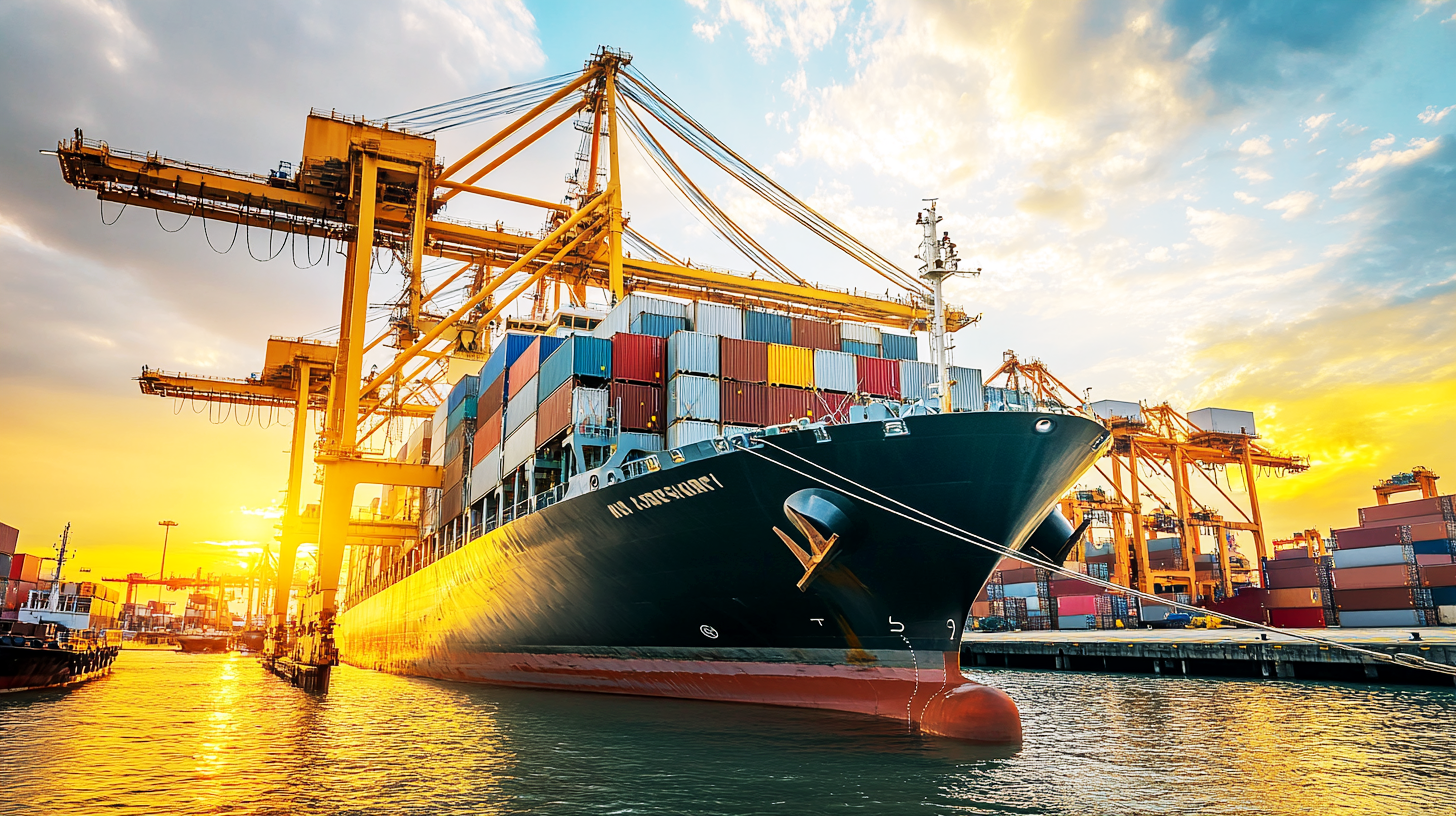
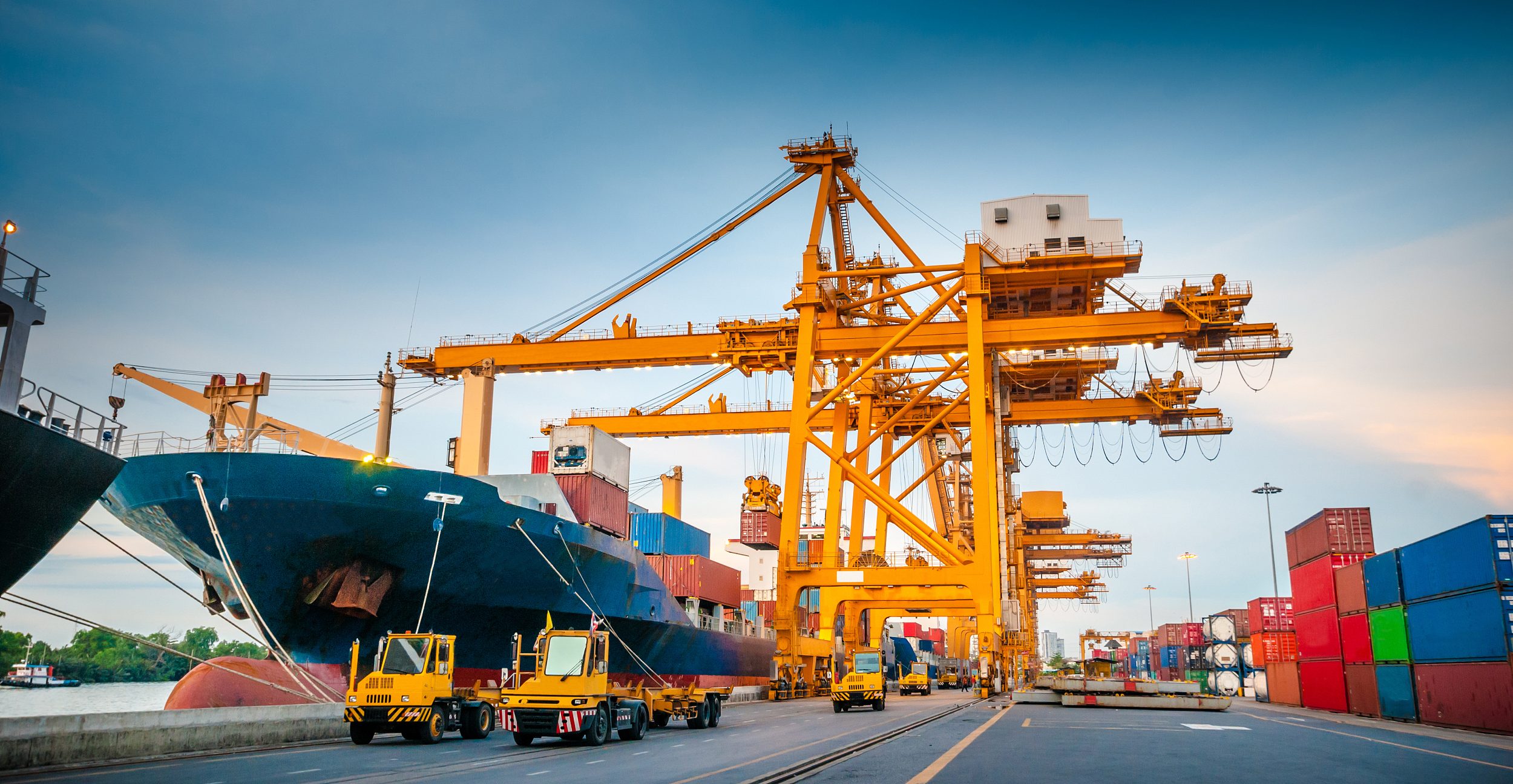
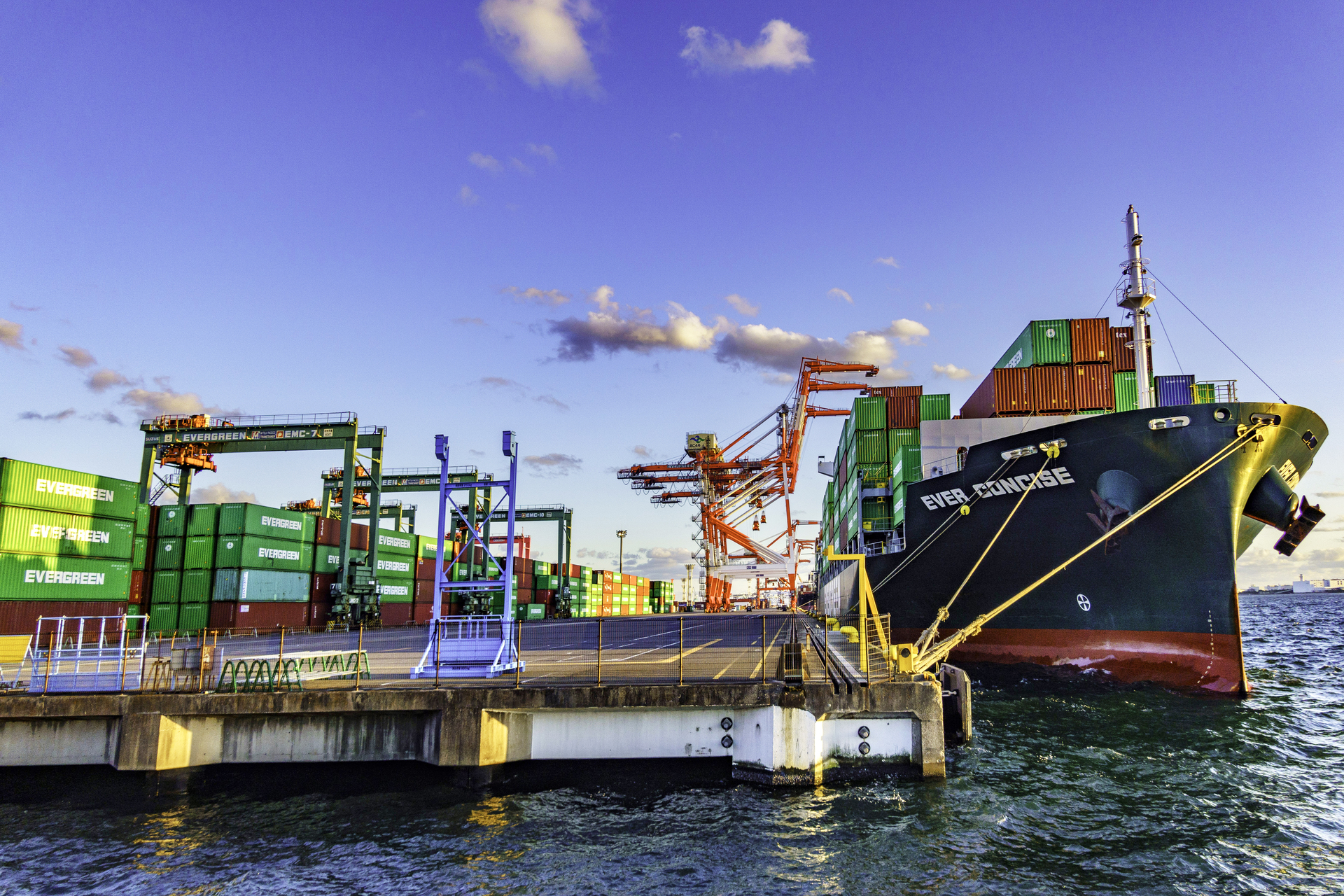
This transformation has been clearly reflected in trade performance. In 2024, Vietnam surpassed China for the first time to become the largest exporter of textiles and garments to the U.S. market during the first 5 months of the year. Free trade agreements, together with global sourcing trends favoring flexible manufacturing and smaller order volumes, are creating new opportunities for domestic designers and manufacturers.
However, Vietnam’s Textile and Garment industry continues to face significant challenges, particularly its heavy dependence on imported raw materials, which account for approximately 70% of total demand, as well as mounting pressures to achieve sustainable development and enhance competitiveness within global supply chains.
Making Sustainability a Daily Practice
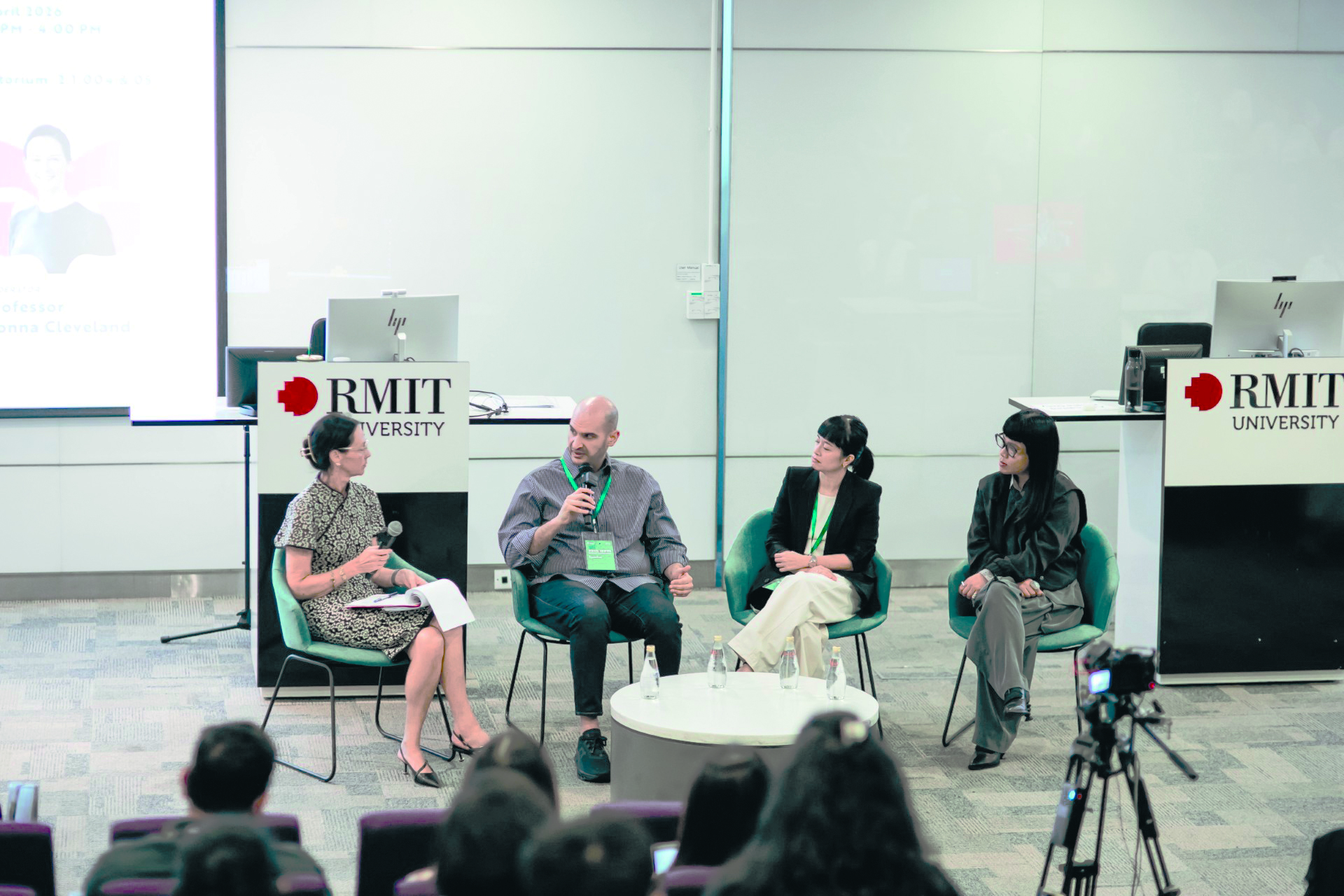
According to Nguyen Lien Chi, Content Director of ELLE Vietnam, Vietnam’s fashion industry continues to face a gap between its manufacturing capabilities for international brands and the development of its domestic fashion labels. Although Vietnam has emerged as a major manufacturing hub, many local brands still rely on low-cost imported materials and have yet to fully understand the principles and processes of responsible production.
She believes that the media should play a critical role in raising awareness and driving behavioral change by “localizing” the concept of sustainability, making its values more accessible, practical, and applicable to everyday business practices. At the same time, Vietnam’s fashion industry needs to establish stronger platforms for networking, communication, and collaboration among designers, suppliers, and industry experts in order to foster sustainable development.
Slow Fashion and the Redefinition of Value
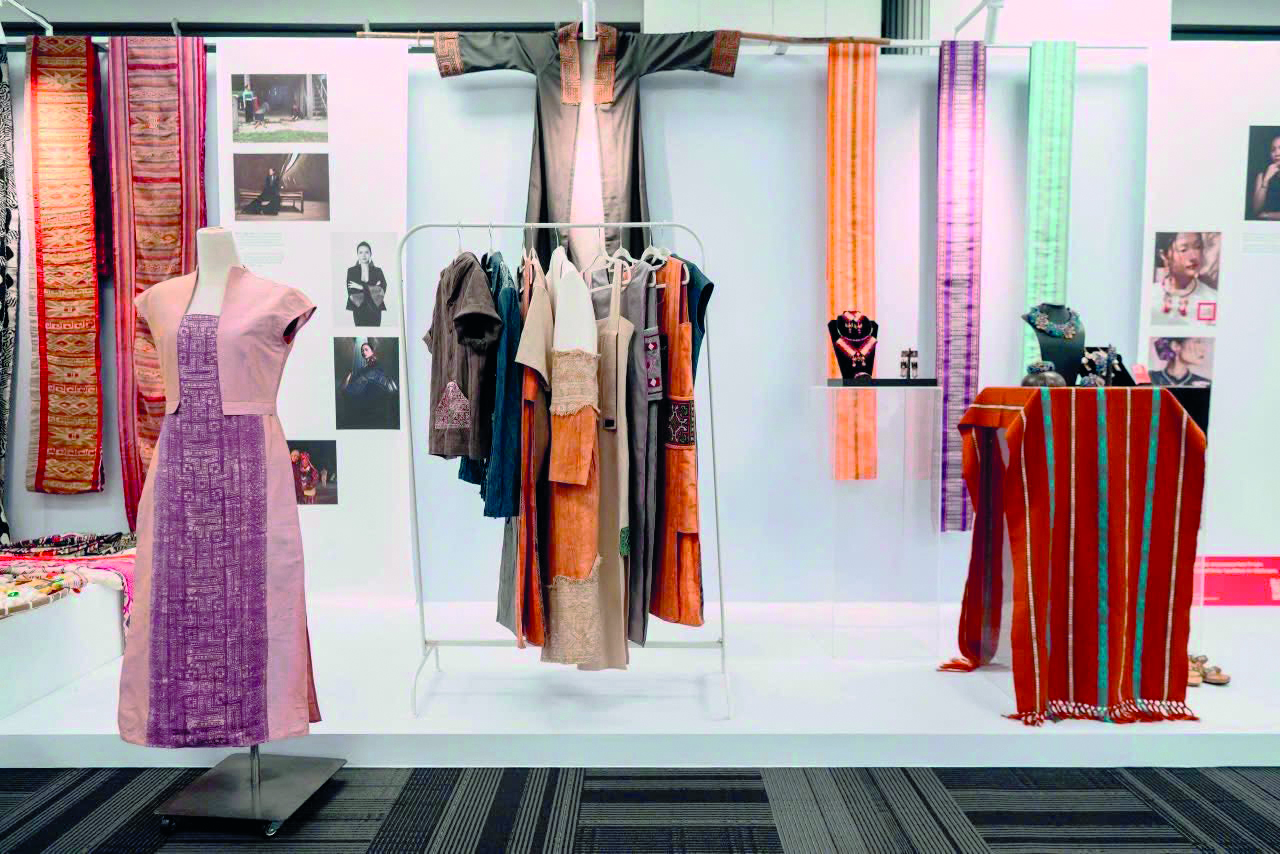
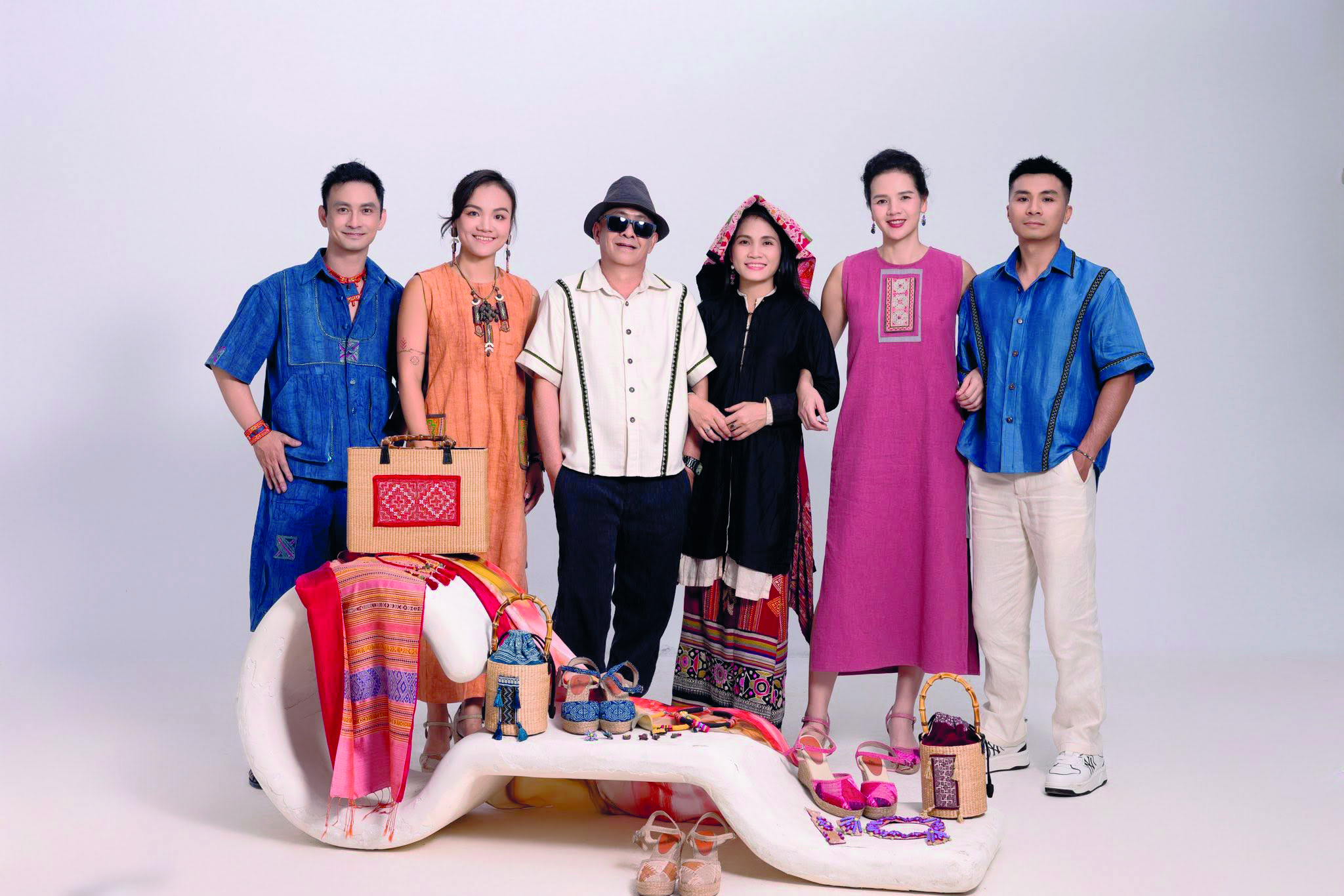
Fashion designer Vu Thao, founder of Kilomet109, said that the brand has built a network of direct partnerships with artisan communities and ethnic minority groups across Vietnam, utilizing natural fibers and dyes while preserving traditional weaving techniques. According to her, fashion is not merely a product; it also plays a role in safeguarding cultural heritage and improving the livelihoods of local communities.
However, many traditional weaving crafts are facing the risk of disappearing, with only a handful of families in some areas continuing to practice these traditions. At the same time, the understanding of value in fashion is evolving – from a focus on chasing trends to one that places greater emphasis on identity, sustainability, and more meaningful values.
She emphasized that tradition should not be romanticized, as the communities themselves also aspire to innovate and modernize their traditional products. In her view, building sustainable fashion is a long-term journey that requires time, trust, and sustained commitment, because there are “no shortcuts” to building a truly sustainable fahsion industry.