
After the shock of the U.S. reciprocal tariffs in early 2025 disrupted global supply chains, the market had barely stabilized before textile and garment enterprises entered 2026 facing a new wave of turbulence — from escalating geopolitical tensions to mounting pressures on energy and logistics markets. Exchange-rate volatility, interest-rate pressures, rising costs, and the renewed risk of tariffs have placed textile and garment businesses under a “dual challenge.” Against this context, speed, proactiveness, flexibility in strategic management, goal setting, and adaptive capability emerged as the common “keys” emphasized by enterprises within VINATEX during their 2026 Annual General Meetings of Shareholders (AGMs).
In 2025, Hue Textile and Garment Joint Stock Company (HUEGATEX) successfully fulfilled the business and production targets assigned by its Annual General Meeting of Shareholders. Specifically, total revenue reached VND 2,325 billion, equivalent to 112.3% of the annual plan and up 15.7% compared with 2024. Pre-tax profit reached VND 189.5 billion, equivalent to 135.3% of the target and up 38% year-on-year. Average employee income reached VND 10.8 million per person per month, equivalent to 107.9% of the plan and an increase of 11.8% over 2024.
Based on market forecasts, HUEGATEX has established its 2026 business plan with targets including total revenue of VND 2,370 billion, pre-tax profit of VND 175.5 billion, and average monthly income of VND 11.45 million per employee. To achieve these goals, the company has clearly outlined tasks and solutions for each operational segment in 2026, including yarn, weaving & dyeing, garment manufacturing, corporate governance, and finance.
Dr. Le Tien Truong, Chairman of the Board of VINATEX, emphasized that under the new business environment, HUEGATEX should continue leveraging its key advantage as one of the Group’s few enterprises possessing an integrated supply chain. Effectively connecting each stage of the value chain—from spinning and weaving-dyeing to garment manufacturing—is not only a strategic objective but also a core solution for enhancing competitiveness, increasing value creation, and reducing working capital pressure.
The development strategy should be carefully calibrated. Rather than pursuing immediate 100% self-sufficiency in raw materials, the focus should be on achieving an optimal self-sufficiency rate of 40–50% to ensure production efficiency. The spinning sector should be developed to meet approximately 15–20% of the demand from weaving and dyeing operations, while stronger internal linkages should be promoted as a means of enhancing both operational reliability and efficiency. For the garment sector, the implementation of the “three-tier garment manufacturing” model should be accelerated, with lessons learned continuously during operation to refine and develop future smart factory models. The long-term vision is to build green, clean, modern, circular, and high-income manufacturing centers, particularly within the core area of Hue City. The primary focus will be on applying technology to improve Total Factor Productivity (TFP), supporting the objective of achieving growth of more than 6% in 2026.
Regarding workforce policies, in addition to the target of increasing employee income by approximately 10%, enterprises should ensure that average income remains at least 1.3 times the local GRDP per capita, while allowing flexibility to reflect regional differences. This is a shared responsibility of shareholders, the Board of Directors, and the Executive Management team in order to retain, develop, and attract high-quality human resources.
In particular, 2026 is expected to present many similarities to the previous year in terms of tariff-related risks. The period between now and July 24, while the 10% tariff rate remains in effect, represents a critical “window of opportunity.” HUEGATEX should maximize its pace of execution and strive to complete 70–75% of its annual plan within the first seven months of the year.
At the same time, the company should capitalize on favorable conditions in the spinning sector through the end of August to achieve approximately 80% of its production targets. Given the significant uncertainties arising from market conditions and geopolitical developments, accelerating performance during the first half of the year and appropriately adjusting operations during the later months of the year will be essential. This approach will also require the cooperation and support of employees. Management activities should remain flexible and closely aligned with market realities, maximizing opportunities while minimizing potential adverse impacts.

Vinatex Phu Hung Joint Stock Company reported that in 2025, the company achieved total revenue of more than VND 832 billion, exceeding its target by 3%. Pre-tax profit reached over VND 11 billion, surpassing the plan by 6%, while yarn production totaled 11,428 tons, equivalent to 101% of the annual target.
Entering 2026, Vinatex Phu Hung has adopted a strategy of cautious volume growth combined with a breakthrough in efficiency. The company targets revenue of VND 878 billion, representing an increase of 5%; pre-tax profit of VND 15 billion, up 35%; and yarn output growth of approximately 3%.
Dr. Le Tien Truong, Chairman of the Board of VINATEX, emphasized that 2025 marked an important period of success for Vinatex Phu Hung, highlighted by outstanding achievements across multiple areas, including financial performance, manufacturing operations, and human resource management.
Assigning objectives for Vinatex Phu Hung in the coming period, the Chairman emphasized the need to reduce total inventory and accounts receivable in order to improve the company’s financial credit profile. In addition, Vinatex Phu Hung’s mission through 2027 has been defined as a strategic roadmap aimed at transforming the company into an enterprise with a healthy enterprise with a strong credit rating. The immediate priority is to improve its credit standing, with a target of raising its Z-score to 2.1, surpassing the 1.8 threshold required for a Category B rating. According to the estimates, an improvement in the company’s credit profile could reduce borrowing costs by at least 0.5 percentage points, thereby directly enhancing financial performance. At the same time, the company has outlined a strong profit growth roadmap, targeting pre-tax profit of VND 30 billion by 2027. This plan is built on the foundation of a projected pre-tax profit of VND 15 billion in 2026.
With depreciation expenses are expected to decline by more than VND 10 billion in the coming year. From a capital resources perspective, Vinatex Phu Hung should target increasing shareholders’ equity to approximately VND 135–140 billion. A key measure will be to secure shareholder approval for distributing dividends in the form of shares during the 2025–2027 period. This approach would allow the company to retain cash for investment, strengthen its financial foundation, and improve its creditworthiness.
In terms of operational efficiency, Vinatex Phu Hung aims to maintain a stable working capital turnover ratio of three cycles per year, in line with prevailing industry benchmarks. This target is expected to help the company reduce pressure on credit facilities while optimizing financing costs. Beyond financial metrics, Vinatex Phu Hung is expected to establish a strategic repositioning roadmap through the end of 2027, preparing to enter the 2028–2033 term with a renewed profile—more proactive, financially secure, and self-reliant across its production, business, and investment activities.
Dr. Le Tien Truong believes that achieving these objectives could improve Vinatex Phu Hung’s overall performance by an additional 15–20%, primarily through lower financing costs and reduced non-production expenses, thereby creating a solid foundation for the company’s next stage of development.
In 2025, Duc Giang Corporation (DUGARCO) delivered solid business results, with revenue reaching VND 2,445 billion, equivalent to 102% of the previous year’s level; profit totaling VND 28.7 billion, representing 120% year-on-year growth; and export turnover amounting to USD 76.8 million, maintaining 100% of the prior year’s performance. For 2026, DUGARCO has set the following key targets: production revenue of VND 2,434 billion, pre-tax profit of VND 30 billion, and export turnover of USD 72 million.
Mr. Cao Huu Hieu, General Director of VINATEX, acknowledged and congratulated DUGARCO on its strong business performance, noted that the company had successfully achieved the targets approved at the 2025 Annual General Meeting of Shareholders and had ensured dividend benefits for shareholders. Regarding the 2026 business plan, DUGARCO should set more ambitious targets in line with the Party and Government’s policy direction of achieving double-digit growth. There are several key priorities for the Corporation: (1) Maintain workforce stability and optimize the utilization of existing labor resources. (2) Balance the production mix. In the current environment, the company’s plan to increase ODM orders (up 31%) and CM orders (up 8%), while reducing FOB business (down 13%), is considered appropriate for mitigating risks related to raw materials and logistics. (3) Expand into new markets, such as Australia and Canada, both to develop new customer bases and to offset the decline in the Russian market. (4) Strengthen financial cost management, particularly borrowing costs, as interest rates are expected to trend upward in 2026 while the company’s debt-to-equity ratio remains relatively high.
With its clearly defined plans and strategic initiatives for 2026, VINATEX expects its capital representative at DUGARCO to further strengthen his role in contributing to the company’s success. This includes fostering greater unity and consent within the Board of Directors, working closely with both the Board and the Executive management team to successfully implement the company’s medium- and long-term development strategies, as well as addressing major corporate issues. At the same time, fulfilling the responsibilities of capital representation, ensuring compliance with applicable laws, regulations, and internal governance policies of the Group, while safeguarding and enhancing the value of state-owned capital invested in the enterprise.
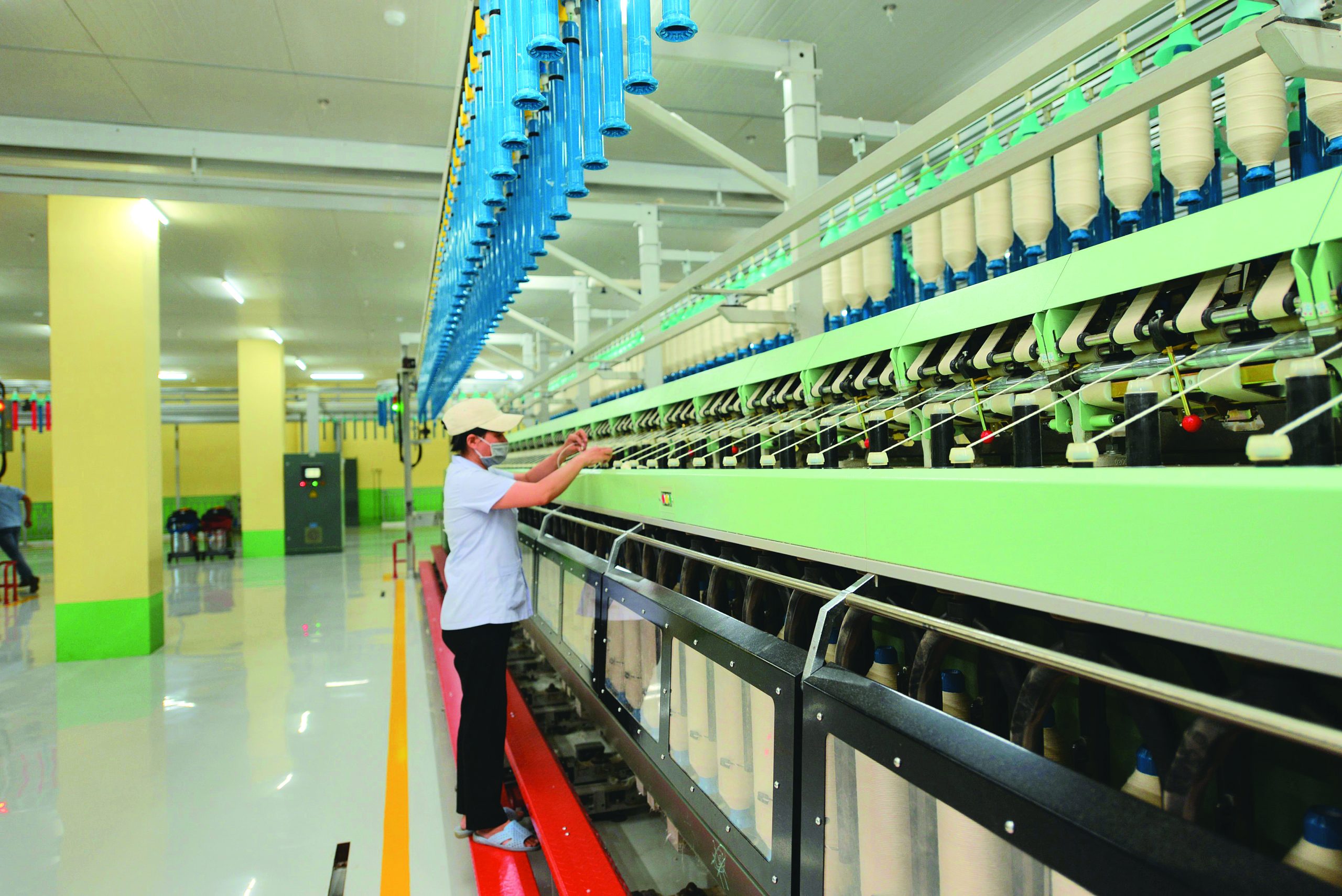
In 2025, based on a range of coordinated initiatives in market development and product diversification, Phu Bai Spinning Mill Joint Stock Company (Phu Bai SJSC) achieved revenue of VND 1,124.78 billion, equivalent to 97.4% of its annual target. Export turnover reached USD 39.61 million, exceeding the plan by 10.02%, while pre-tax profit totaled VND 23.6 billion, representing an increase of 52.26% compared with 2024. Average employee income reached VND 11.8 million per person per month.
Entering 2026, Phu Bai SJSC has set targets of VND 1,221 billion in revenue, export turnover of USD 42.70 million, and pre-tax profit of VND 30 billion. The company also plans to contribute VND 6 billion to the state budget and distribute dividends at a rate of 5–10%.
Mr. Pham Van Tan, Deputy General Director of VINATEX and Chairman of Phu Bai SJSC, emphasized that as the company enters 2026, it has adopted a new management mindset: shifting from “investment” to “efficient utilization,” from “selling products” to “selling value,” and from “maintaining stability” to “enhancing governance quality.”
To implement this strategic agenda, Phu Bai SJSC has developed a comprehensive action program built around five key management pillars. The objective is to align production, market development, governance, and financial management, thereby creating a solid foundation for sustainable growth:
(1) Production & Technology: Putting Efficiency at the Center
The company will focus on maximizing the utilization of production equipment following recent investments, while tightening controls over material losses and production norms. At the same time, product quality will remain a top priority and a core competitive advantage, strengthening the company’s position within the supply chain.
(2) Market & Products: Expanding and Upgrading Product Value
Phu Bai SJSC will continue to strengthen its presence in key markets such as South Korea and Japan, while expanding into China, Hong Kong, and the domestic market. Emphasis will be placed on developing higher value-added yarn products, including recycled yarns, traceable yarns, technical yarns, and environmentally friendly products that meet the increasingly stringent requirements of international customers.
(3) Finance: Growth with Financial Stability
The company’s financial strategy aims to reduce dependence on short-term loans while maintaining strict control over inventories, receivables, and cash flow. In parallel, the company will prioritize increasing the share of higher-margin products to improve overall profitability and operational efficiency.
(4) Human Resources: Retaining and Developing Core Talent
The company will focus on retaining employees—particularly skilled technical workers—through competitive compensation policies. At the same time, it will invest in successor development to ensure business continuity and enhance workforce quality over the long term.
(5) Governance & Digital Transformation: Elevating Management Capabilities
Phu Bai SJSC is accelerating the deployment of digital platforms such as MES, IoT, HRM systems, and accounting software, with the goal of enabling data-driven management and real-time operational control. This pillar is regarded as a critical enabler for improving efficiency, transparency, and adaptability in an increasingly dynamic business environment.
Reporting on the implementation of the 2025 Annual General Meeting of Shareholders’ Resolution, Mr. Nguyen Quang Minh, General director of Viet Thang Corporation – JSC (VICOTEX), stated that in 2025, under the timely guidance of the Board of Directors and Executive Management, VICOTEX proactively adapted to market fluctuations, maintained stable production, expanded exports, and improved management efficiency. As a result, the company achieved several positive outcomes. Consolidated revenue reached VND 1,618 billion, equivalent to 94% of the previous year’s level, while consolidated pre-tax profit amounted to VND 52 billion, representing a 61% increase year-on-year. The parent company recorded revenue of VND 1,291 billion, exceeding its target by 8% and reaching 116.3% of the previous year’s performance. Parent company pre-tax profit totaled VND 54.3 billion, surpassing the plan by 43% and increasing to 174% of the prior year’s level. The Corporation distributed a dividend of 15% for 2025, compared with the planned range of 7–14%, and 150% of the previous year’s dividend level. In addition, employee income improved to VND 12.1 million per person per month, exceeding the target by 4.22% and increasing by 6.6% compared with the previous year.
Regarding its 2026 business plan VICOTEX has identified the year as a pivotal milestone in its transformation journey, focusing on a growth model centered on higher efficiency, sustainable development, and enhanced competitiveness. The company’s key strategic priorities include: (i) Accelerating digital transformation; (ii) Investing in technological upgrades and automation; (iii) Developing sustainable products that meet international standards; (iv) Leveraging free trade agreements (FTAs) to expand export markets; (v) Capitalizing on the advantages of its integrated “spinning–weaving–dyeing–garment” value chain; (vi) Further strengthening its workforce and developing human resources to support the next phase of growth.
For 2026, Viet Thang has established the following targets: Consolidated revenue: VND 1,735.8 billion, equivalent to 108% of the 2025 level; Consolidated pre-tax profit: VND 68 billion, equivalent to 131% of the 2025 result; Parent company revenue: VND 1,330 billion, equivalent to 103% of the 2025 level; Parent company pre-tax profit: VND 63 billion, equivalent to 116% of the 2025 result.
Dr. Le Tien Truong, Chairman of VINATEX, noted that 2025 was an exceptionally challenging year for the textile and garment industry, as global consumer demand recovered slowly, price competition intensified, and U.S. tariff policies created significant pressure on export activities. Against this backdrop, VICOTEX still achieved a pre-tax profit of VND 54 billion, representing an increase of approximately 74% compared with the previous year, placing the company among the fastest-growing profit performers within the VINATEX system. Notably, Viet Thang’s Spinning Mill ranked among the top four best-performing spinning operations within the Group’s network of 12 enterprises operating a total of 22 spinning mills.
Entering 2026, the Board of Directors also noted that the market will continue to face significant uncertainties arising from tariff policies, weakening global consumer demand, and ongoing geopolitical volatility. In response, Viet Thang Corporation – JSC will continue to manage its operations with a focus on flexibility, prudence, and efficiency. Key priorities include strengthening cash flow management, maintaining tight control over inventory levels, improving productivity and product quality, and proactively adjusting production capacity in line with evolving market demand.
According to Hung Yen Garment Corporation – JSC (HUGACO), the company successfully navigated a year marked by significant volatility in the global textile and garment market in 2025, maintaining stable production and sustaining its growth momentum. Specifically, revenue reached VND 789.3 billion, equivalent to 128.1% of the annual target. Pre-tax profit totaled VND 93.7 billion, exceeding the 2025 plan by 87.4%. Average employee income reached VND 13.4 million per month, representing an increase of 11.7% compared with 2024. In addition, the company approved a cash dividend payout equivalent to 25% of charter capital.
Entering 2026, HUGACO has set targets of VND 715 billion in revenue, VND 70 billion in pre-tax profit, and VND 15 billion in budget contributions. The company also aims to maintain an average employee income of at least VND 14 million per month. In addition, the Corporation plans to distribute dividends in the range of 15–20% of charter capital.
Assessing the implementation of the 2025 Annual General Meeting of Shareholders’ Resolution, Dr. Le Tien Truong, Chairman of VINATEX and HUGACO, acknowledged that the Corporation had delivered an outstanding year of performance, successfully meeting and exceeding its business targets. He noted that Hung Yen Garment was one of the brightest performers within the garment segment in 2025, achieving 28% profit growth and ranking among the top three fastest-growing profit contributors in the Group.
Particularly noteworthy, Hung Yen Garment continued to hold the No. 1 position across the entire Group in terms of performance per employee, reaching VND 56 million per employee in 2025. Even during the unfavorable market conditions of 2024, the company still maintained an average of VND 45 million per employee.
Regarding its future strategic direction, HUGACO will not pursue expansion through scale alone, nor will it focus on large-volume FOB orders. The company recognizes that it does not possess a distinct advantage in low-cost labor or mass production. Instead, it has clearly identified its competitive advantage in the ability to manufacture complex products, handle small-batch orders, adapt quickly to changing customer requirements, execute orders with short lead times, and achieve high productivity within compressed production schedules.
Against a backdrop of global economic uncertainty, weakening international trade, and forecasts of challenging conditions for textile and garment orders during the second and third quarters of 2026, Dr. Le Tien Truong emphasized that HUGACO must capitalize on every available business opportunity. Whenever market conditions show positive signs, the company should proactively organize production activities—including reasonable overtime arrangements when necessary—to maintain production momentum and ensure operational efficiency. Another important strategic direction is to broaden the working-age profile of the workforce by creating opportunities for employees aged 40 to 50 to remain productive and actively engaged in manufacturing. This can be achieved through the application of supporting technologies and more suitable work arrangements.
Dr. Le Tien Truong also emphasized that the journey ahead would require stronger collaboration and closer integration across the entire system—not only within Hung Yen Garment Corporation – JSC itself, but also among related enterprises within the ecosystem, including Tien Hung Garment, Hung Long Garment, and Viet Y Garment.
Such cooperation will create collective strength to implement major strategic initiatives, including the development of FOB business, investment in social housing for workers, and other key projects, based on strong consensus and coordinated action.
In 2025, Hanoi Textile and Garment Joint Stock Corporation (HANOSIMEX) successfully fulfilled the business objectives approved at the 2025 Annual General Meeting of Shareholders. Specifically, revenue reached VND 1,242 billion, equivalent to 104.3% of the annual target; consolidated profit totaled VND 17.027 billion, achieving 189.2% of the planned figure; and average employee income reached VND 11.4 million per person per month, equivalent to 106% of the target.
For 2026, HANOSIMEX has set targets of VND 1,270 billion in consolidated revenue, VND 20 billion in pre-tax profit, and average employee income of VND 12.1 million per person per month.
Speaking at the Annual General Meeting, Mr. Cao Huu Hieu, General Director of VINATEX and Chairman of HANOSIMEX, acknowledged the achievements delivered by HANOSIMEX and commended the courage, determination, and accountability demonstrated by the Board of Directors and Executive Management team throughout 2025.
The Board of Directors of HANOSIMEX has identified its central objective for 2026 as “Optimizing Productivity – Diversifying Markets – Enhancing Product Value through Sustainable Development.” Entering 2026, HANOSIMEX benefits from the growth momentum built during the previous year. However, the company must also navigate a market environment characterized by increasing complexity, volatility, and uncertainty.
The key priorities that HANOSIMEX should focus on implementing in the coming period include:
- Enhancing labor productivity, maximizing equipment utilization, and maintaining strict control over production costs. Product quality must remain the top priority and serve as a core competitive advantage, strengthening the company’s position within the supply chain.
- Recruiting, retaining, and developing employees, particularly skilled technical workers at its manufacturing facilities. The company should establish and refine a performance evaluation system that links compensation, productivity, and operational effectiveness to clearly defined KPIs.
- Continuing workforce development initiatives by improving the professional qualifications, technical expertise, and managerial capabilities of employees and management personnel. Strengthening corporate culture to create a stable, collaborative, and professional working environment.
- Consolidating and expanding market presence, ensuring a stable order pipeline while improving the quality and profitability of each order.
- Enhancing financial management, including tighter cost control and more efficient capital utilization. The company should also evaluate and apply appropriate financial risk management tools when necessary.
- Continuing strategic investment projects, particularly those focused on automation and production capacity enhancement.
Accelerating the application of information technology and digital transformation across production management, order management, and overall business operations. Investing in specialized garment manufacturing software to improve the transparency, timeliness, and accuracy of operational data. Expanding the deployment of digital transformation platforms in manufacturing management, with particular emphasis on human resources systems and accounting software at the corporate headquarters, ultimately moving toward data-driven management and real-time operations management.
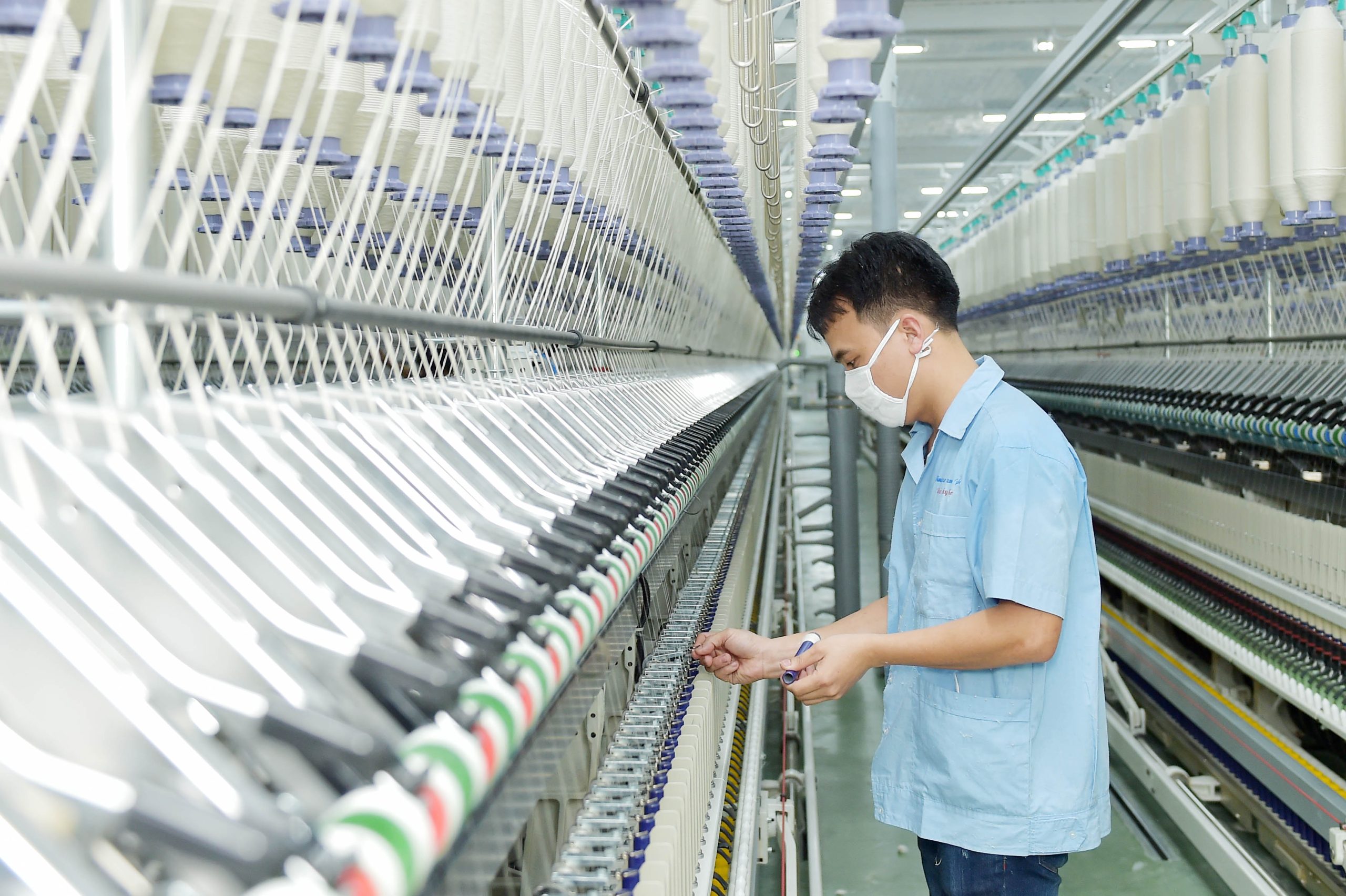
According to Nam Dinh Textile Garment Joint Stock Corporation (NATEXCO), consolidated revenue in 2025 reached VND 1,136.3 billion, achieving 104% of the annual target, while export turnover totaled USD 16.19 million. Production output remained stable, with 13,355 tons of yarn produced, equivalent to 105% of the plan, alongside nearly 19.7 million meters of fabric and various garment and towel products. Notably, 2025 marked a significant milestone as NATEXCO approached break-even after several years of accumulated losses caused by prolonged market difficulties.
Entering 2026, NATEXCO aims for a clear recovery in both scale and profitability. The company has set targets of VND 1,200 billion in consolidated revenue, USD 18.54 million in export turnover, and VND 9 billion in pre-tax profit. It also plans to increase production across most product categories, particularly in the yarn and fabric segments.
Mr. Pham Van Tan, Standing Deputy General Director of VINATEX and Chairman of NATEXCO, stated that Nam Dinh Textile Garment JSC has identified 2026 as a pivotal year, marking its transition from a phase of stabilization to one of efficient and sustainable growth. The Board of Directors has emphasized the management message of “Strengthening Discipline – Delivering on Commitments – Acting decisively,” with the objective of restoring NATEXCO’s position as an enterprise that is profitable, competitive, and well-positioned for the future.
The Board of Directors’ priorities include achieving the company’s 2026 business targets while expanding export markets and diversifying its customer base. The Corporation also aims to develop an integrated internal supply chain across spinning, weaving/dyeing, and garment manufacturing, thereby creating greater value throughout the organization. At the same time, the company will continue promoting strategic product lines, particularly flame-retardant fabrics, as part of its long-term growth strategy.
One of the key strategic pillars is the development of a modern management model, supported by a lean organizational structure, accelerated digital transformation, and the implementation of an effective KPI framework. Management and operational activities are required to be carried out consistently under the principles of decisiveness – discipline – scientific – efficiency, while strengthening delegation and empowerment alongside appropriate control mechanisms. At the same time, NATEXCO plans to pursue deep investment strategies, reinforcing capabilities in its core businesses of spinning and dyeing, while also exploring opportunities to expand its weaving and towel segments. In the garment sector, the company will focus on brand building and increasing value-added content, rather than pursuing growth solely through capacity expansion.
To achieve these objectives, NATEXCO will implement a comprehensive set of initiatives across its key business segments:
Spinning Division: The company will focus on improving productivity and product quality while reducing production costs. At the same time, efforts will be directed toward expanding market reach and developing specialized yarn products.
Weaving – Dyeing – Towel Division: This segment is positioned as the corporation’s core production chain, with a focus on increasing the proportion of finished fabrics, maximizing the advantages of its integrated supply chain, and accelerating research and development of new products—particularly flame-retardant fabrics. In parallel, investments will be made to expand the production capacity of the Towel Factory.
Garment Division: The company will pursue a strategy of market diversification, reducing its dependence on Europe while increasing its presence in South Korea and proactively exploring opportunities in the Chinese market. Operations will be guided by the principles of speed, flexibility, and decisive execution.
NATEXCO also places strong emphasis on developing a younger and more highly qualified management team, gradually rejuvenating its workforce while strengthening training and professional development programs. At the same time, the company is committed to improving working conditions, enhancing employee income and welfare benefits, and maintaining a stable, motivated, and sustainable workforce.
Reporting on the implementation of the 2025 Annual General Meeting of Shareholders’ Resolution, Hoa Tho Textile Garment Joint Stock Corporation announced that it had successfully fulfilled all business and production objectives approved by shareholders. Specifically, consolidated revenue and other income reached VND 5,544 billion, representing a 6% increase over 2024 and 110% of the 2025 plan. Consolidated pre-tax profit totaled VND 400.6 billion, up 14% year-on-year and equivalent to 111% of the annual target. Export turnover reached USD 264 million, an increase of 5% compared with 2024 and 105% of the plan; average employee income reached VND 12.2 million per person per month, up 16% from 2024 and achieving 109% of the 2025 target.
Based on the results achieved in 2025, market outlook assessments, and the strategic direction of VINATEX, Hoa Tho Corp has established its 2026 business plan with the following targets: revenue of VND 5,550 billion, consolidated profit of VND 423 billion, export turnover of USD 260 million, and average employee income growth of 7–10% compared with 2025.
Dr. Le Tien Truong, Chairman of VINATEX, acknowledged Hoa Tho’s strong business performance in 2025. Regarding future development, he emphasized that Hoa Tho should proactively adjust its strategic direction to align with the locality’s new development framework as well as the country’s broader economic development strategy for the upcoming period.
Regarding future development space, VINATEX has proposed establishing two smart manufacturing hubs in the Quang Nam–Da Nang region: one dedicated to spinning and the other to high-tech garment manufacturing. These facilities are expected to operate with a smaller workforce while generating significantly higher value-added output. The objective is for these smart manufacturing centers to achieve productivity levels 20–30% higher than current operations, thereby enhancing the overall efficiency of the Group. Hoa Tho Corp should continue leveraging locations with cost advantages, such as Dong Ha and Quang Tri, to support large-scale production of traditional, price-competitive orders. The spinning sector should continue to be developed in Da Nang with a strong focus on modernization, energy efficiency, and the increased adoption of renewable energy sources.
In particular, Hoa Tho Corp should gradually evolve from a textile and garment manufacturer into a more integrated supply chain solutions provider for major global customers. Given the advantages of Da Nang as a centrally governed city, an international financial center, and a key seaport hub, this represents a highly suitable strategic direction for the company’s future development.
For the next term, Vinatex has assigned Hoa Tho the task of developing new profit centers beyond its traditional manufacturing operations, while remaining closely integrated with the textile and apparel supply chain. By 2032, the objective is for these new business areas to contribute between 10% and 20% of total shareholder profit. At the same time, the company must proactively build a strong pipeline of successor leaders capable of supporting its growth and development beyond 2032,” emphasized Dr. Le Tien Truong.
Reporting at the 2026 Annual General Meeting of Shareholders, Viet Tien Garment Corporation (VTEC) announced that it had successfully achieved its key business targets in 2025. Specifically, consolidated revenue reached VND 10,503 billion, exceeding the annual plan by 7.17% and increasing 7.7% year-on-year. Consolidated pre-tax profit amounted to VND 530 billion, representing a 23.5% increase compared with the previous year, while average employee income exceeded VND 13.3 million per month, thereby ensuring stable employment and income for the workforce.
. In addition, Viet Tien plans to distribute a 30% dividend to shareholders.
For 2026, VTEC has established the following business targets: Total revenue: VND 10,330 billion, representing a 2% decrease compared with the 2025 actual result; Parent company pre-tax profit: VND 370 billion, an increase of 12% over the previous year; Average employee income: VND 13.5 million per person per month.
Dr. Le Tien Truong, Chairman of VINATEX, noted that 2025 was a particularly significant year for VTEC. The company achieved a higher level of profitability per unit of revenue compared with 2024, demonstrating that its business model, customer selection strategy, and product portfolio were more optimized and effective than in previous years. VTEC continues to be one of the leading enterprises in Vietnam’s textile and garment industry.
Dr. Le Tien Truong recommended that, in the coming years, the Board of Directors of Viet Tien Garment Corporation continue exploring the development of a dedicated logistics service center for the garment industry, based on Viet Tien’s large-scale manufacturing operations and extensive customer network, enabling the company to become an integral component of the textile and garment industry’s service value chain.
This direction is well aligned with the strategic vision of Ho Chi Minh City as the country’s premier service hub and an emerging international financial center.