
Amid increasingly stringent ESG standards and international requirements, occupational safety and health (OSH) is becoming a core element of sustainable development strategies in the textile and garment industry. According to Associate Professor Dr. Vu Van Thu, Head of the Faculty of Occupational Safety and Health at Trade Union University, enterprises need to shift from a “reactive” approach to one centered on prevention, integration, and transparency, considering workplace safety as a long-term investment that enhances productivity, retains workers, and strengthens credibility within global supply chains.
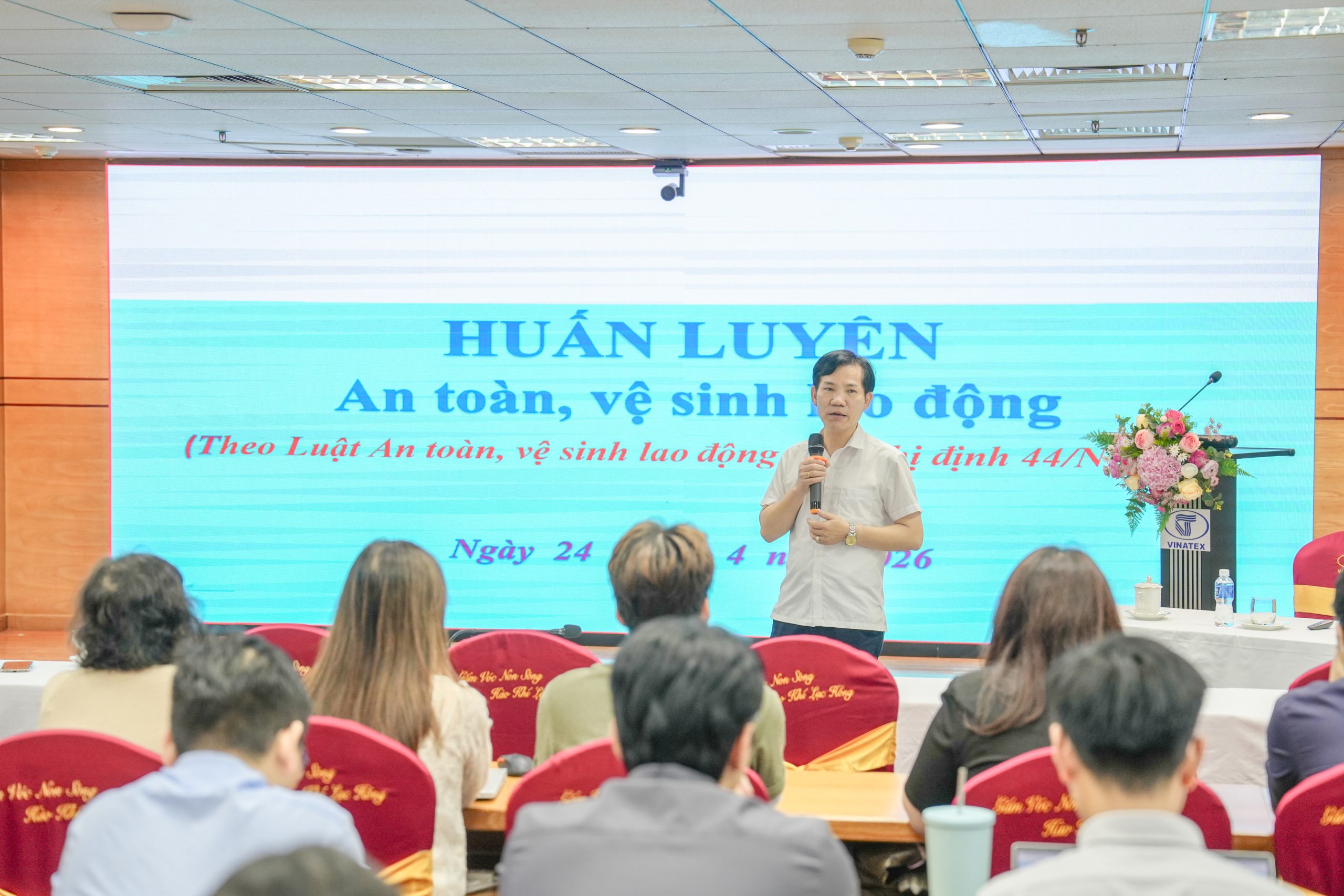
Enterprises are advised to integrate safety standards throughout their entire governance systems, link safety indicators to management KPIs, while broadening the concept of workplace safety to include mental health, harassment-free environments, non-discrimination, and the prohibition of forced labor. Transparency in safety data and reporting is also considered an essential requirement for fulfilling social responsibility commitments and building trust with international partners.
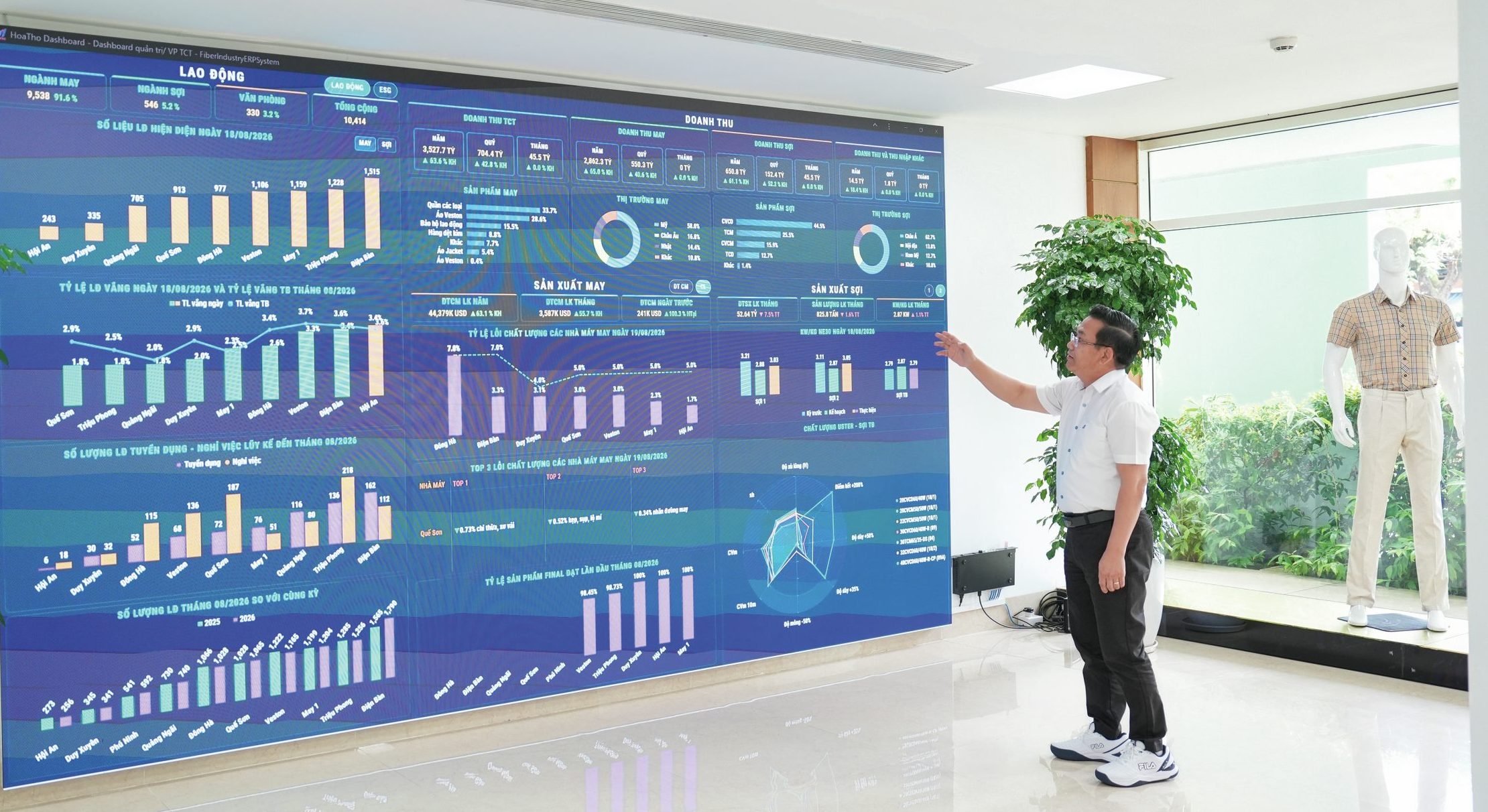
Digital technologies such as IoT, AI, and automation are creating major opportunities for textile and garment enterprises to transform their approach to occupational safety management. These technologies enable real-time monitoring of working environments, prediction of accident risks, reduced reliance on manual labor in hazardous operations, and the development of a data-driven safety culture.
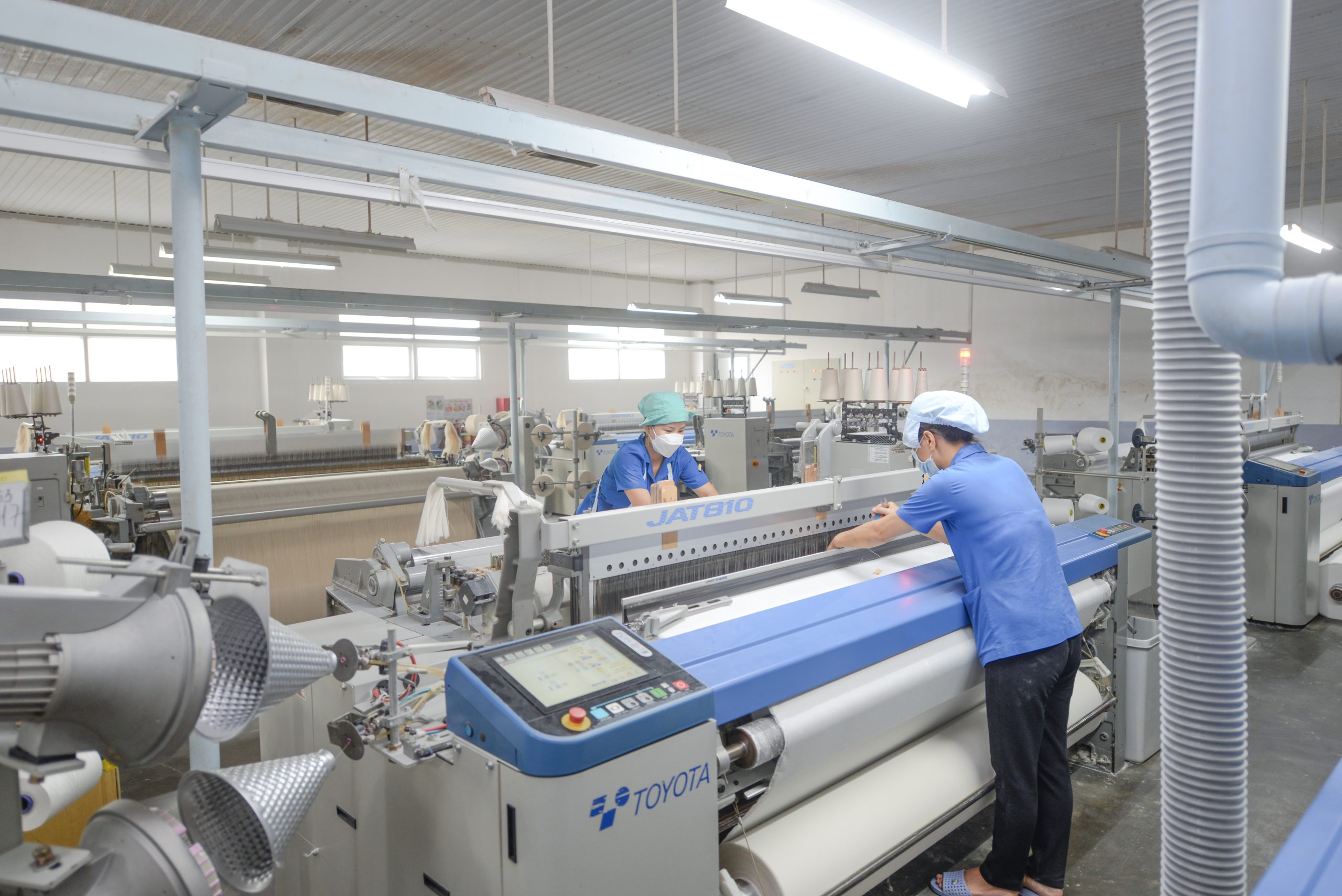
In addition, workplace anti-harassment requirements are regarded as an important step toward building a fair, inclusive, and safe working environment — both physically and mentally, especially in the textile and garment industry, where female workers make up a large proportion of the workforce.
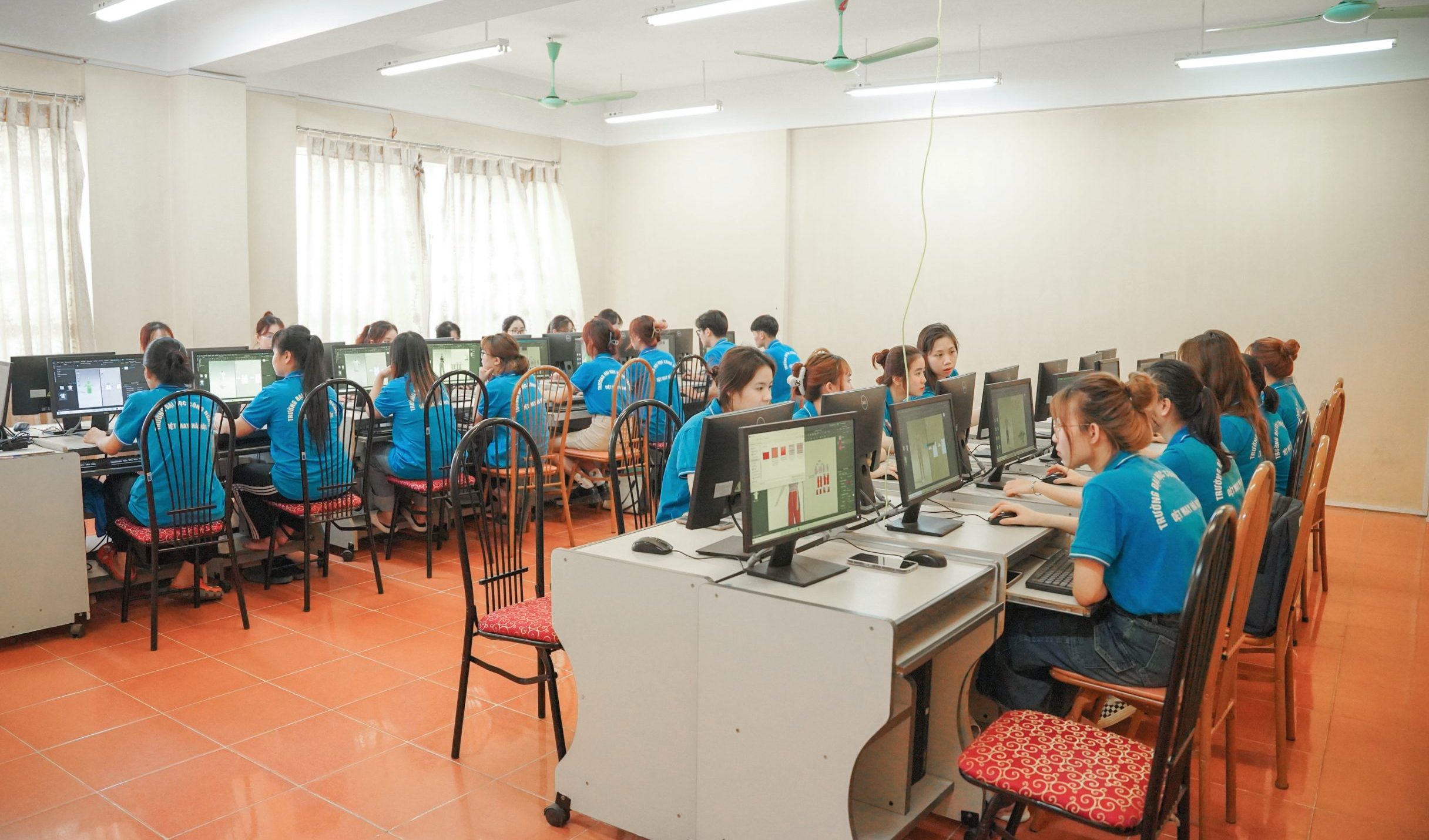
To encourage workers to actively participate in ensuring workplace safety rather than merely complying with regulations, enterprises need to strengthen practical training programs, establish mechanism to recognize employee initiatives, create safe feedback channels, and enhance the role of middle management. The goal is to build a sustainable safety culture in which employees proactively protect themselves and their colleagues during their work.