
The rapid development of digital technology and smart manufacturing is fundamentally transforming the operating model of the global textile and garment industry. Textile and garment products are increasingly integrating advanced technologies, ranging from functional materials to electronic devices and data systems, making cost structures far more complex than those of traditional manufacturing models. In this context, cost management systems based on traditional accounting methods are revealing significant limitations, particularly in accurately reflecting production costs and supporting financial decision-making.
Digital Transformation and the Reshaping of Cost Structures in the Textile and Garment Industry
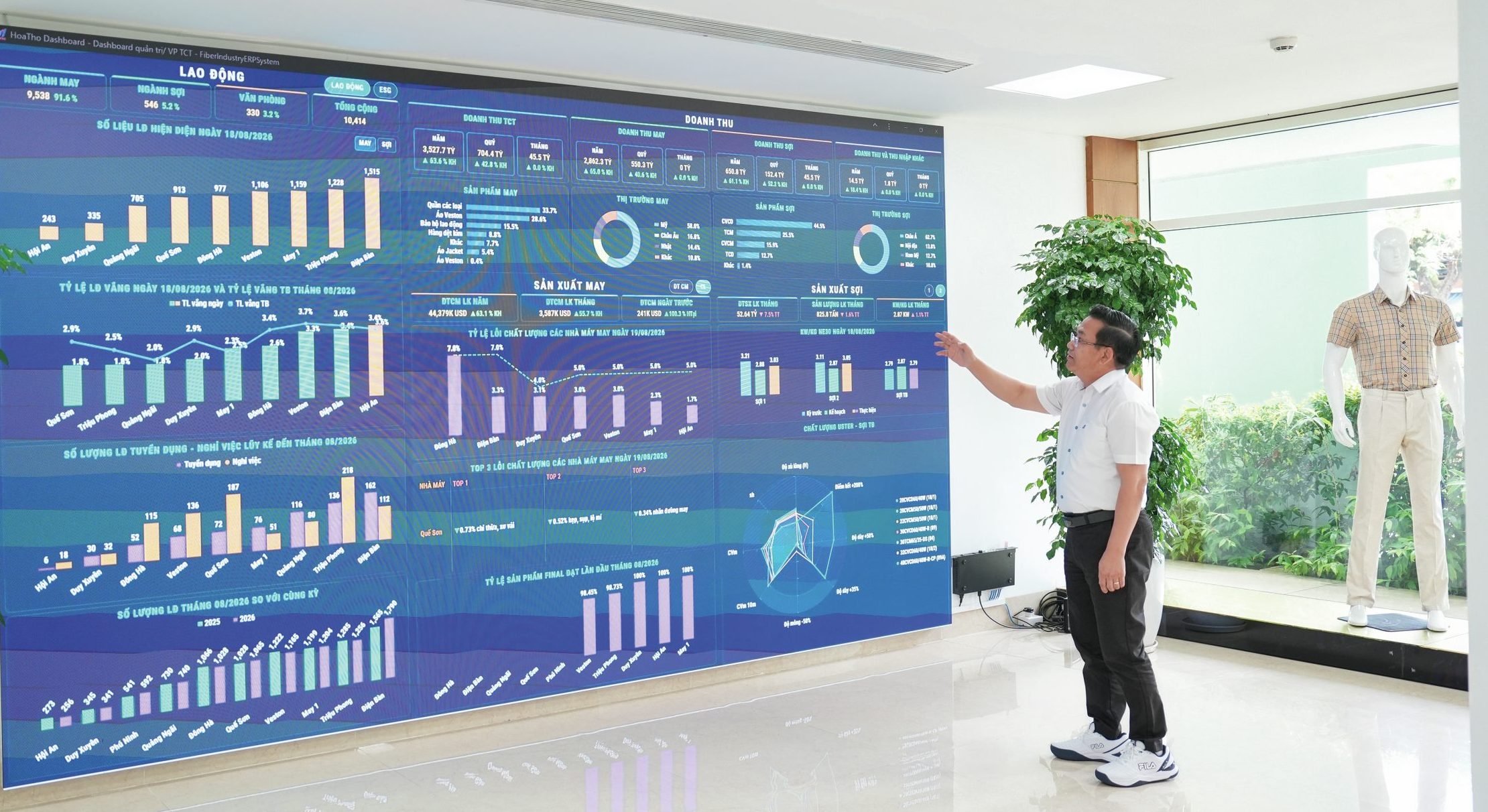
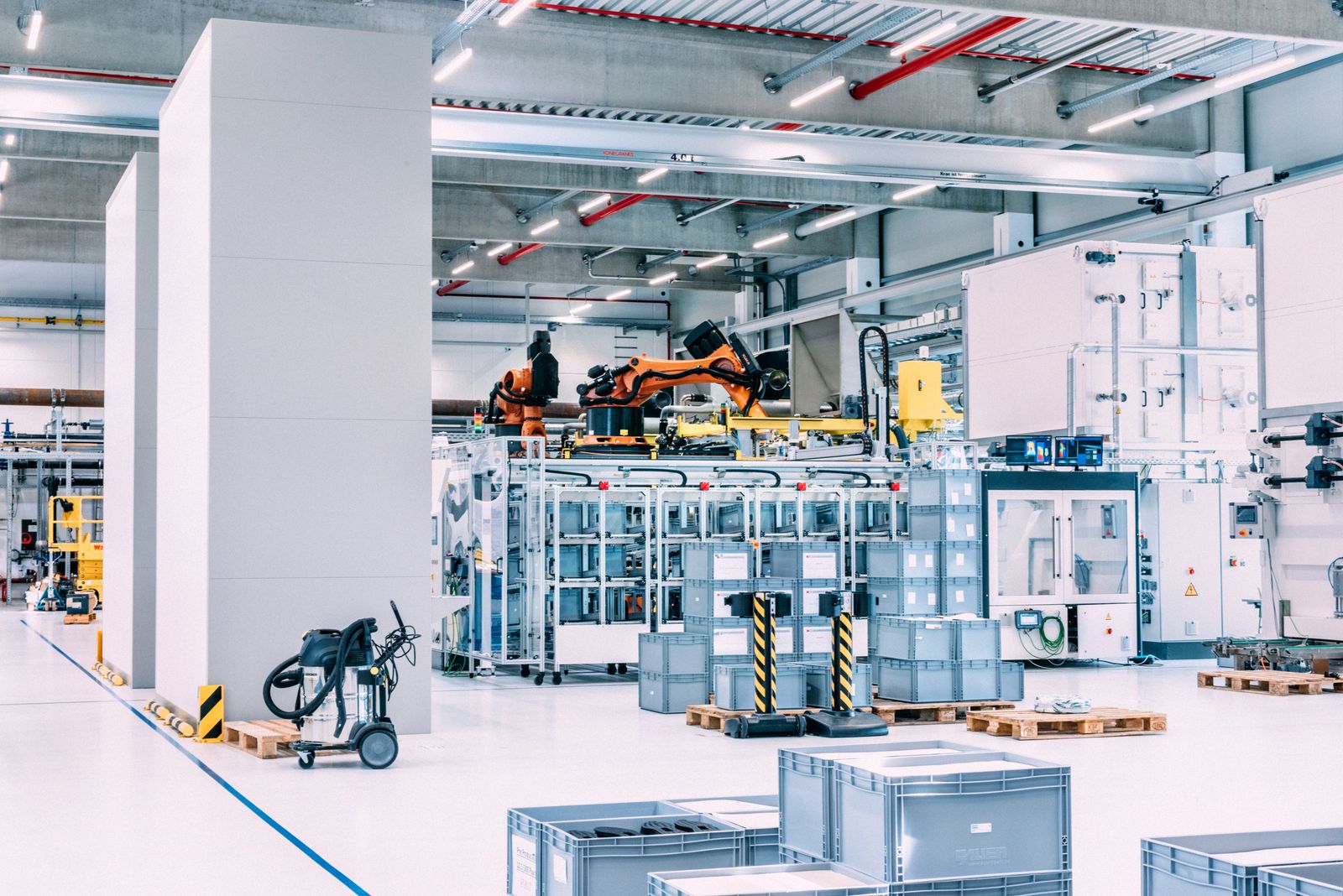
The global textile and garment industry is undergoing a dramatic transformation driven by digital technology and smart manufacturing, as traditional production models are gradually being replaced by data-integrated factories utilizing the Internet of Things (IoT), Manufacturing Execution Systems (MES), and data analytics platforms. This trend is not only reshaping production processes but also transforming corporate cost structures.
The development of smart textile products such as clothing integrated with biosensors, conductive textiles, and health-monitoring devices means that production costs no longer consist solely of raw materials and labor, but increasingly involve software, data, and electronic technologies as well.
According to recent research, textile and garment enterprises are currently facing four major cost characteristics: high research and development expenses, rapid technological innovation, complex supply chains, and highly volatile market demand. In this context, traditional cost accounting systems are becoming less effective because they fail to accurately reflect cost fluctuations in flexible, high-tech manufacturing environments.
As a result, many companies are shifting toward real-time cost management models to improve cost control and support financial decision-making. Modern cost management no longer focuses solely on the production stage but also begins at the product design phase, where most product lifecycle costs are determined.
Lifecycle Cost Management in Fashion Product Design
For high-tech products, approximately 70–80% of total lifecycle costs are determined during the initial research and design stage. This is especially true in the high-tech textile and garment industry, where the selection of materials and technologies not only affects production costs but also impacts maintenance, warranty, and product lifespan.
For example, when developing smart heating jackets, companies must weigh the choice between graphene materials, which are more expensive but offer greater durability, and carbon fibers, which are more affordable but have a shorter lifespan.
Toray Industries (Japan) has applied lifecycle cost analysis in the development of conductive textile materials for the medical and sports industries. The results showed that although some materials had production costs 20–30% higher, their lifespan was twice as long, significantly reducing total long-term costs.
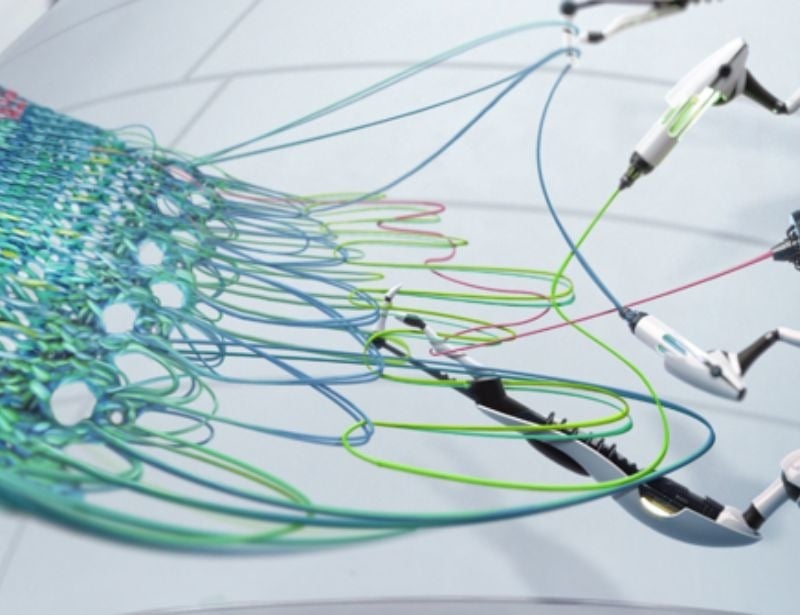
In the sportswear industry, Nike has used its Flyknit digital knitting technology to produce shoe uppers from a single piece of material. This technology helps reduce material waste by approximately 60%, while also minimizing production steps, labor costs, and product completion time.
These examples demonstrate that effective cost management should begin at the product design stage rather than focusing solely on the manufacturing process.
Production Data and Cost Control in Smart Factories
In the smart textile and garment industry, beyond design-related expenses, companies also face numerous “hidden costs” arising during production due to the integration of textile materials with electronic components. These costs include component waste, electronic intergration defects, product functionality testing, and energy consumption in specialized production processes. If traditional cost allocation methods are applied, enterprises may inaccurately determine product costs and struggle to identify the real causes of cost increases.
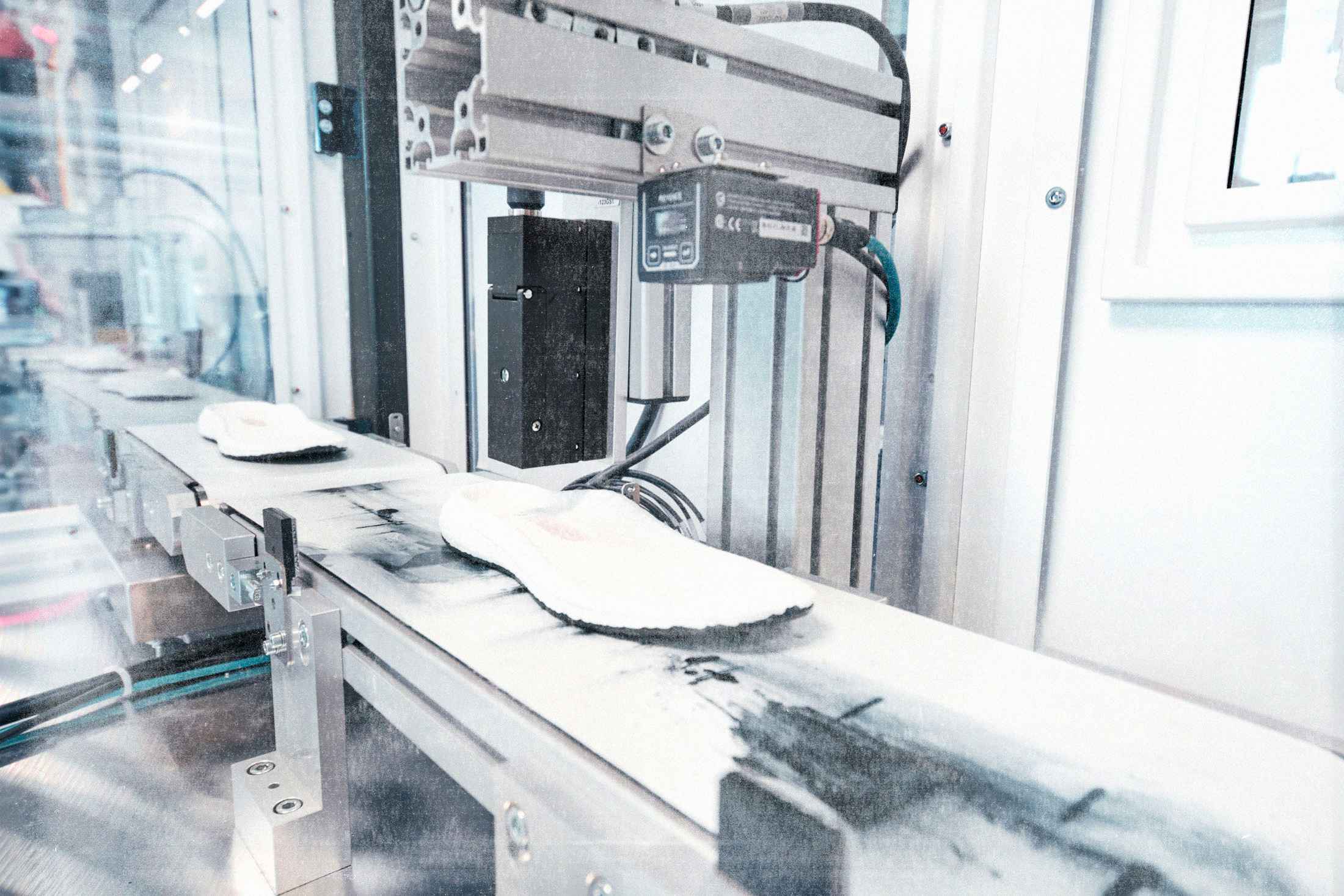
A representative example is Adidas’s Speedfactory project in Ansbach (Germany), launched in 2016 with a system of robots, sensors, and real-time data to automate sports shoe manufacturing. Thanks to its data-driven production model, shoe manufacturing time was reduced from around 60 days to less than one week, while production costs for certain product lines were lowered by 15–20% through material optimization and automation.
The Speedfactory data system also helped identify hidden cost sources such as material waste, production defects, and energy consumption, enabling the company to adjust processes promptly and improve operational efficiency. Although Adidas later transferred most of the technology to partner factories in Asia, Speedfactory is still regarded as a benchmark case for applying real-time data in production cost management and control.
Market Data and Fashion Supply Chain Optimization
Real-time data is playing an increasingly important role in supply chain cost management within the fashion industry. A notable example is Inditex — the parent company of Zara — which operates a management model based on a data system connecting stores, distribution centers, and manufacturing facilities.
Every day, sales data from thousands of Zara stores worldwide is transmitted to the company’s operations center to support designers and supply chain managers in adjusting production plans and developing new products.
Thanks to the application of real-time data, Zara is able to shorten the time required to bring new products to market to approximately 2–3 weeks, significantly faster than the traditional fashion industry cycle of 3–6 months. More importantly, the ability to respond quickly to market demand helps substantially reduce inventory levels and end-of-season markdown costs — one of the largest cost burdens in the fashion industry.
Advanced Manufacturing Technologies and Cost Efficiency
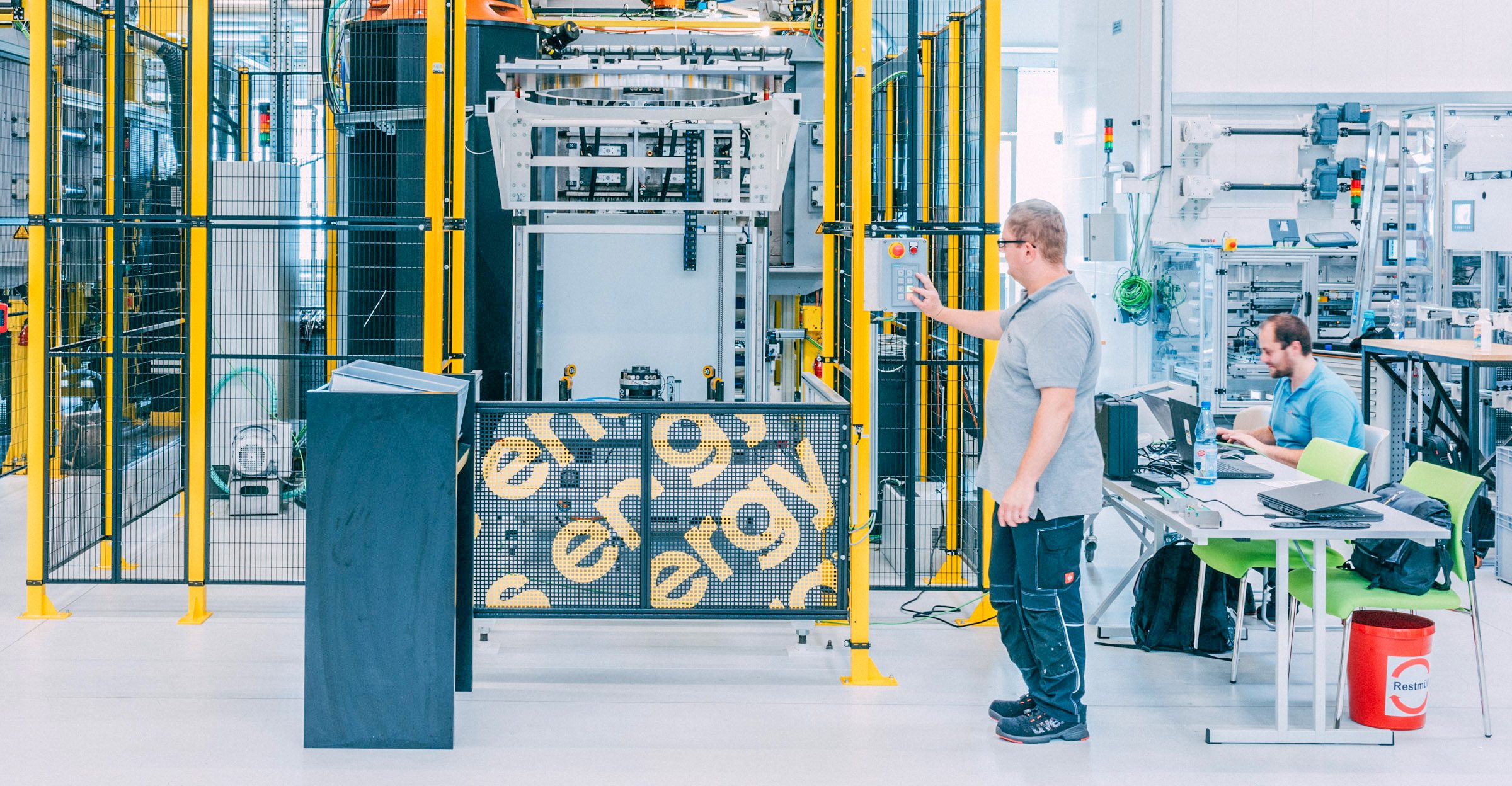
The development of new manufacturing technologies is helping the smart textile and garment industry reduce material, energy, and labor costs, thereby improving operational efficiency. A notable example is Japan-based Shima Seiki with its WholeGarment knitting technology, which enables seamless garments to be produced directly from knitting machines without the need for cutting and sewing processes.
This technology significantly reduces fabric waste and cuts down the number of production stages, thereby lowering labor costs and shortening production time. In addition, WholeGarment supports customized production tailored to customer requirements without significantly increasing costs, enabling the adoption of on-demand manufacturing models in the textile and garment industry.
Implications for Textile and Garment Enterprises
For textile and garment enterprises, implementing digital cost management typically involves three key steps. The first is building an integrated data system connecting ERP platforms, MES and supply chain management systems. The second is developing data analytics capabilities within management teams to effectively utilize information generated from these data systems. The third is establishing data-driven decision-making processes to ensure that strategic decisions are supported by accurate and timely cost information.
As the fashion industry increasingly demands rapid responsiveness and greater supply chain transparency, data-driven cost management capability is becoming a critical factor in corporate competitiveness.