
On March 24, 2026, in Hong Kong (China), Mr. Le Tien Truong – Chairman of the Board of Directors of Vietnam National Textile and Garment Group (Vinatex) attended and delivered a presentation at the international conference “COTTON USA™ Outlook: Sustainable Sourcing, Strategic Growth” organized by Cotton Council International (CCI).
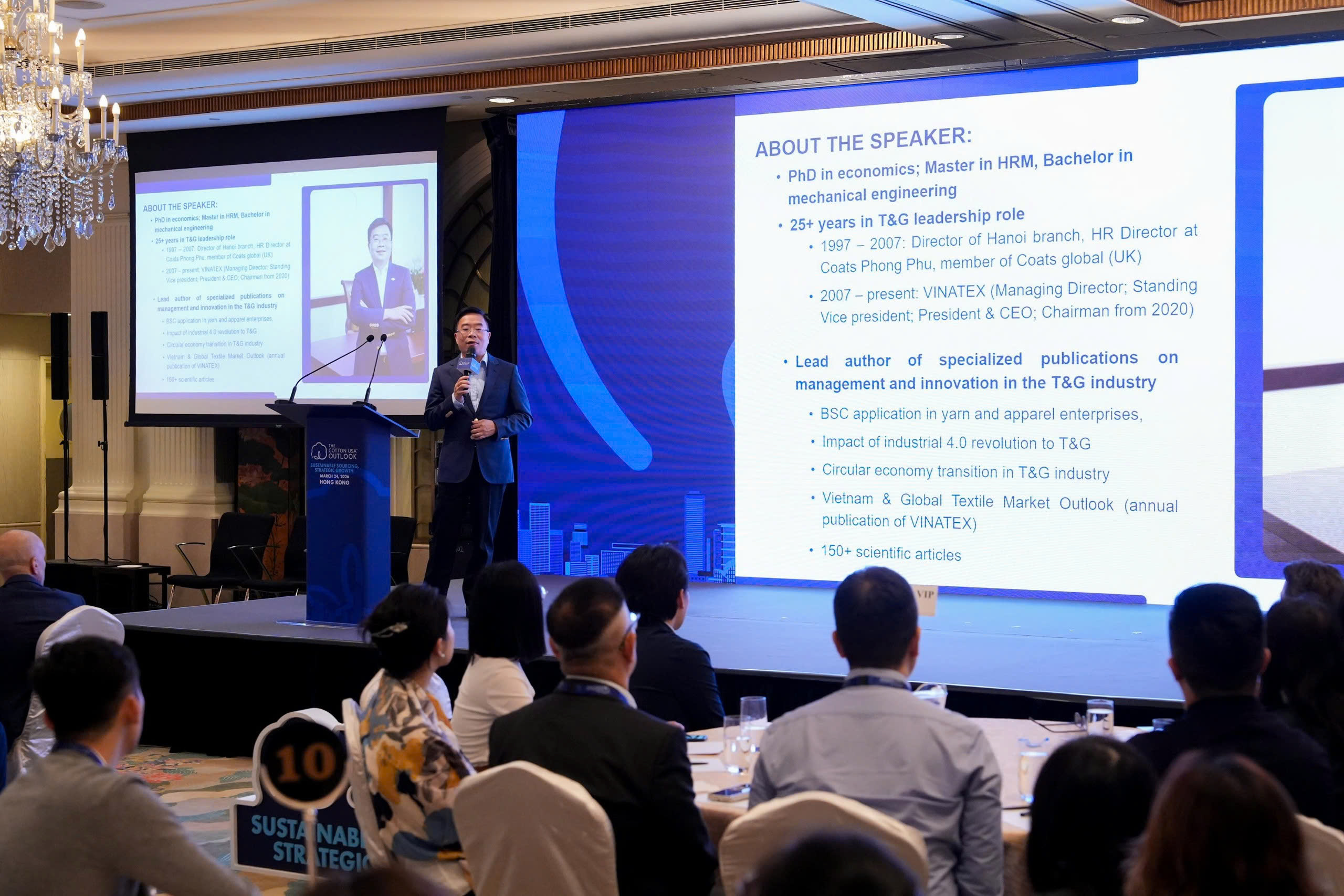
The conference brought together approximately 120 delegates, including spinning, textile and garment enterprises, international brands, and sourcing offices from China, Hong Kong, and across Asia. Discussions focused on global cotton market trends, sustainability requirements, traceability, and the future direction of the textile and garment supply chain in the new phase.
At the conference, Mr. Le Tien Truong delivered a presentation titled “Vietnam Textile and Garment Industry,” providing an overview of Vietnam’s textile and garment sector, the current status of the spinning industry, and Vinatex’s position within the global textile supply chain. Particular emphasis was placed on the role of Vinatex’s spinning segment and its development orientation amid increasing volatility in the global market.
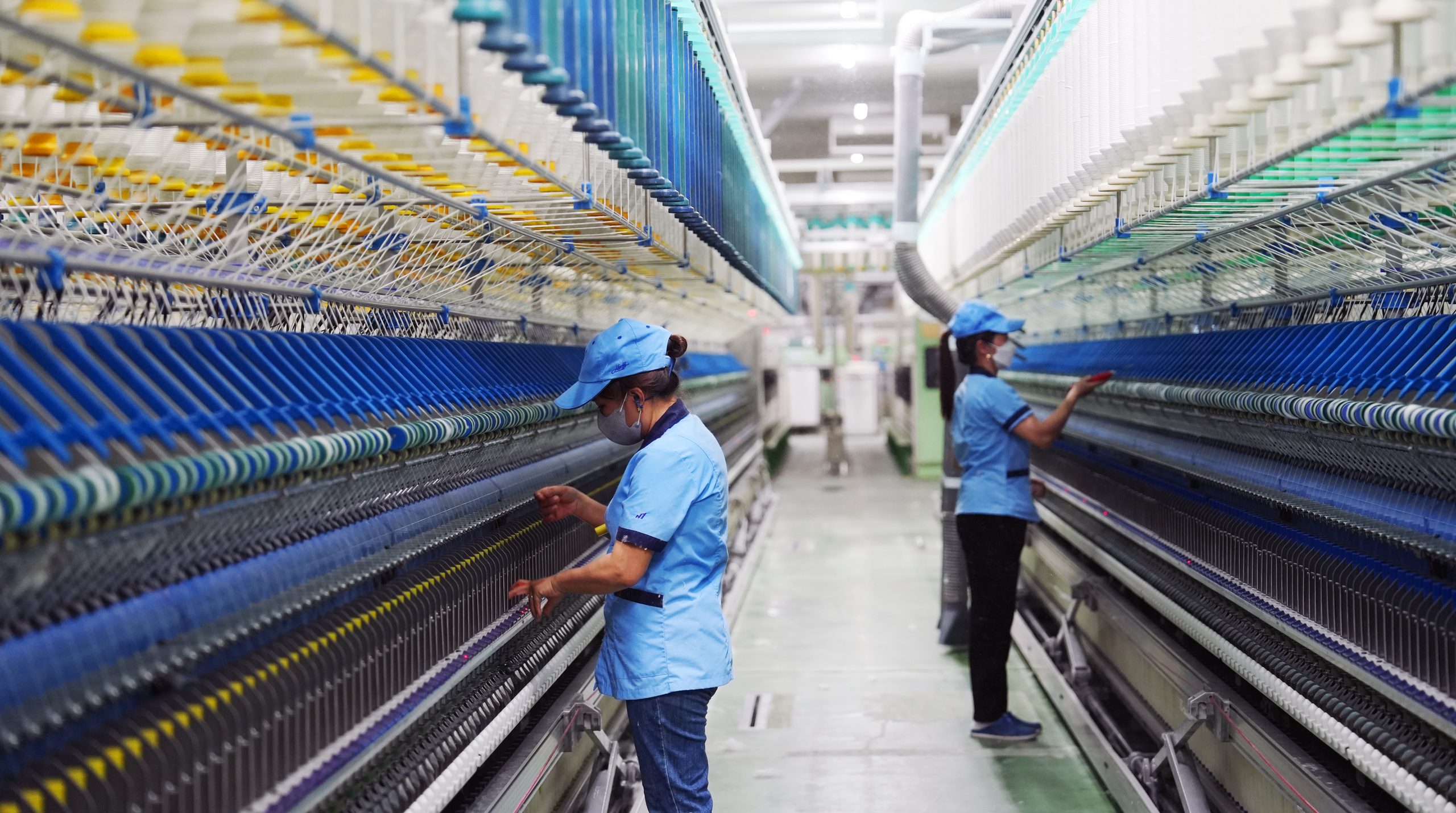
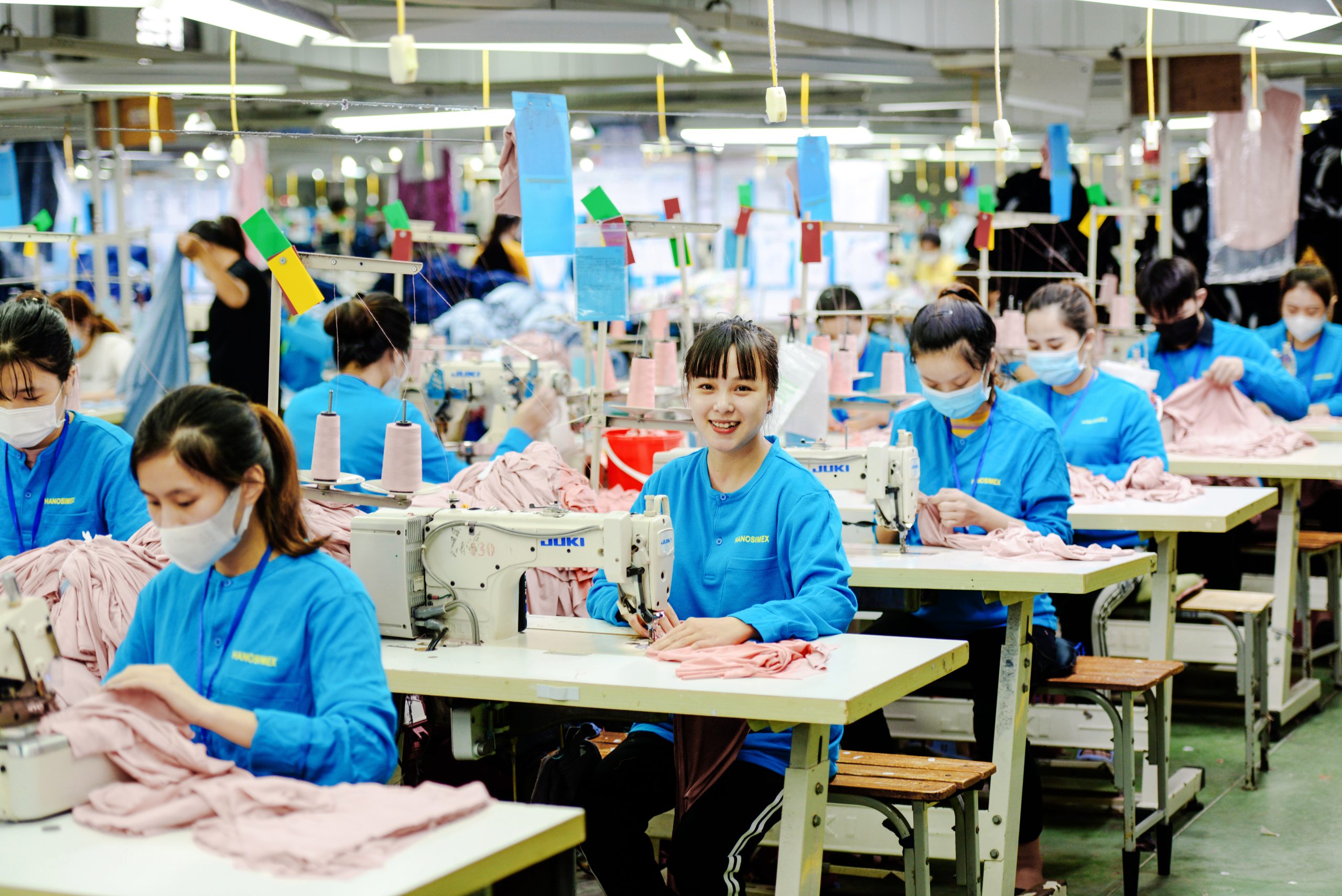
According to the report, Vietnam’s textile and garment industry currently comprises approximately 18,200 enterprises with nearly 1.8 million formally employed workers, maintaining its position as the world’s second-largest textile exporter and the largest apparel supplier to the United States market. In the spinning sector, Vietnam is one of the major production hubs in Asia, with a capacity of around 10–12 million spindles and an annual output of 2.0–2.3 million tons. Vinatex’s spinning system (including affiliated entities) accounts for approximately 1 million spindles, with an annual output of nearly 190 thousand tons, and is deeply integrated into the supply chains of many global brands.
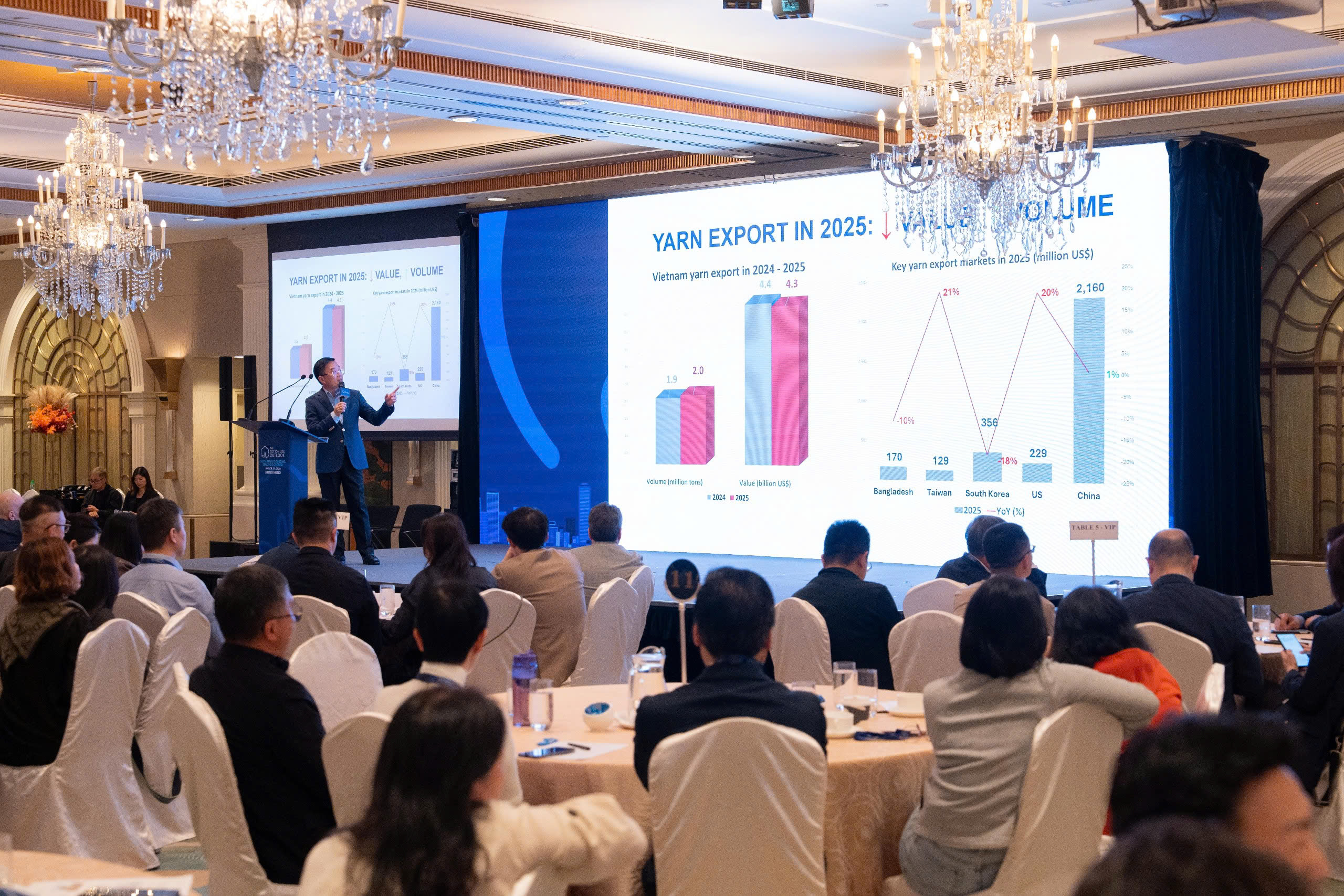
Analyzing the market context, the Chairman of Vinatex noted that global economic growth remains subdued, with a slow recovery in textile and apparel demand. Meanwhile, increasing risks related to trade policies, tariffs, energy costs, and logistics are exerting significant pressure on the industry. However, rising requirements for supply chain transparency, traceability, and sustainable development are also creating opportunities for enterprises with strong compliance capabilities, governance frameworks, and technological foundations.
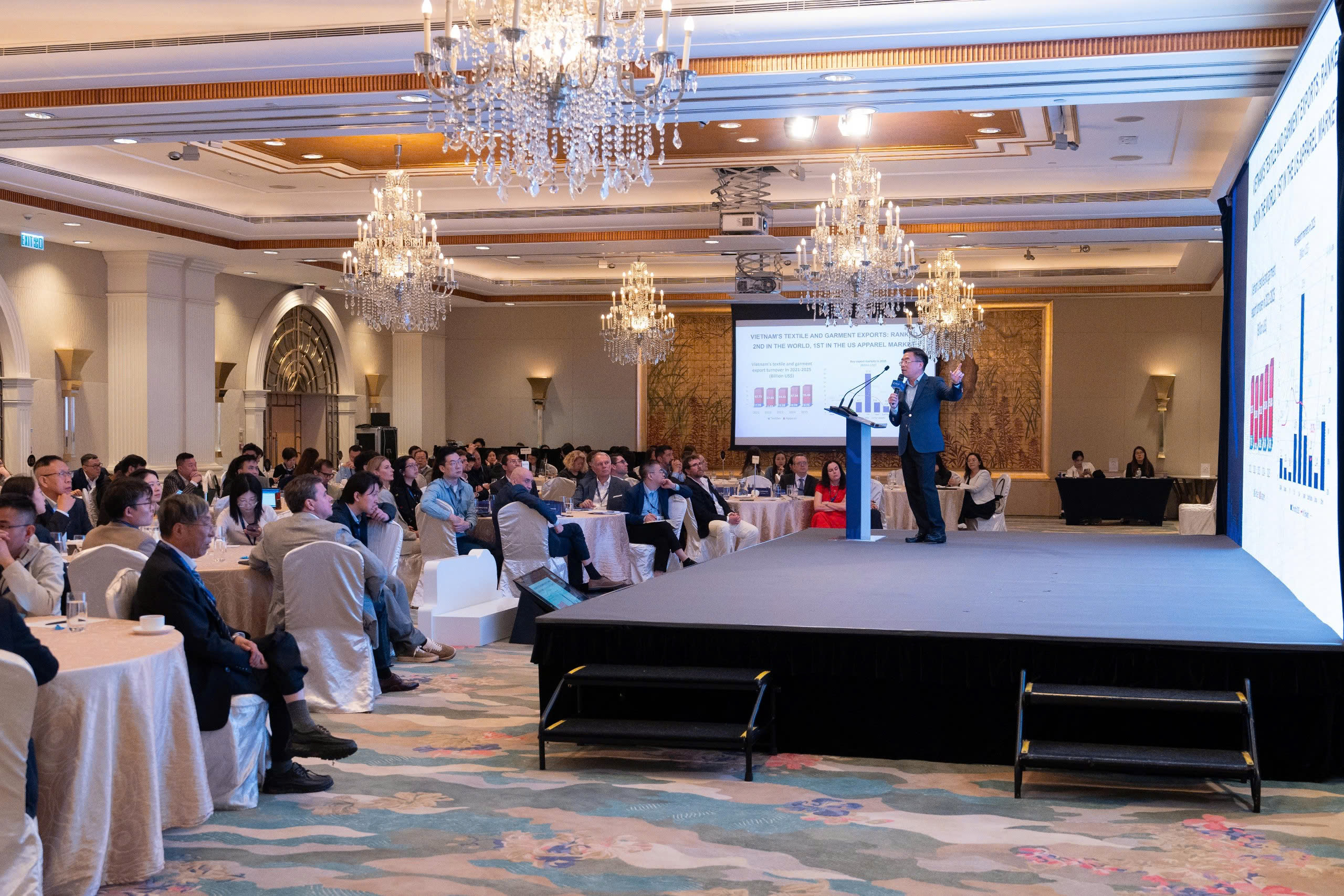
Following the presentation, the conference conducted a live survey on the key factors likely to have the greatest impact on Vietnam’s textile and garment industry over the next 3–5 years. Commenting on the results, Mr. Le Tien Truong emphasized that trade policy, finance, and tariffs would have the most significant impact, as current regulations vary across countries and may create substantial advantages or disadvantages for each nation. In the context of rising trade protectionism and increasing risks of trade conflicts, global demand for textile and apparel products may decline, directly affecting Vietnam’s exports.
Regarding factors such as regional competition, logistics infrastructure, and ESG requirements, the Chairman noted that these are global trends to which all countries must adapt. The ability to sustain competitive advantages, improve production efficiency, and comply with sustainability standards will be decisive for enterprises and the industry to maintain their position in the international supply chain.
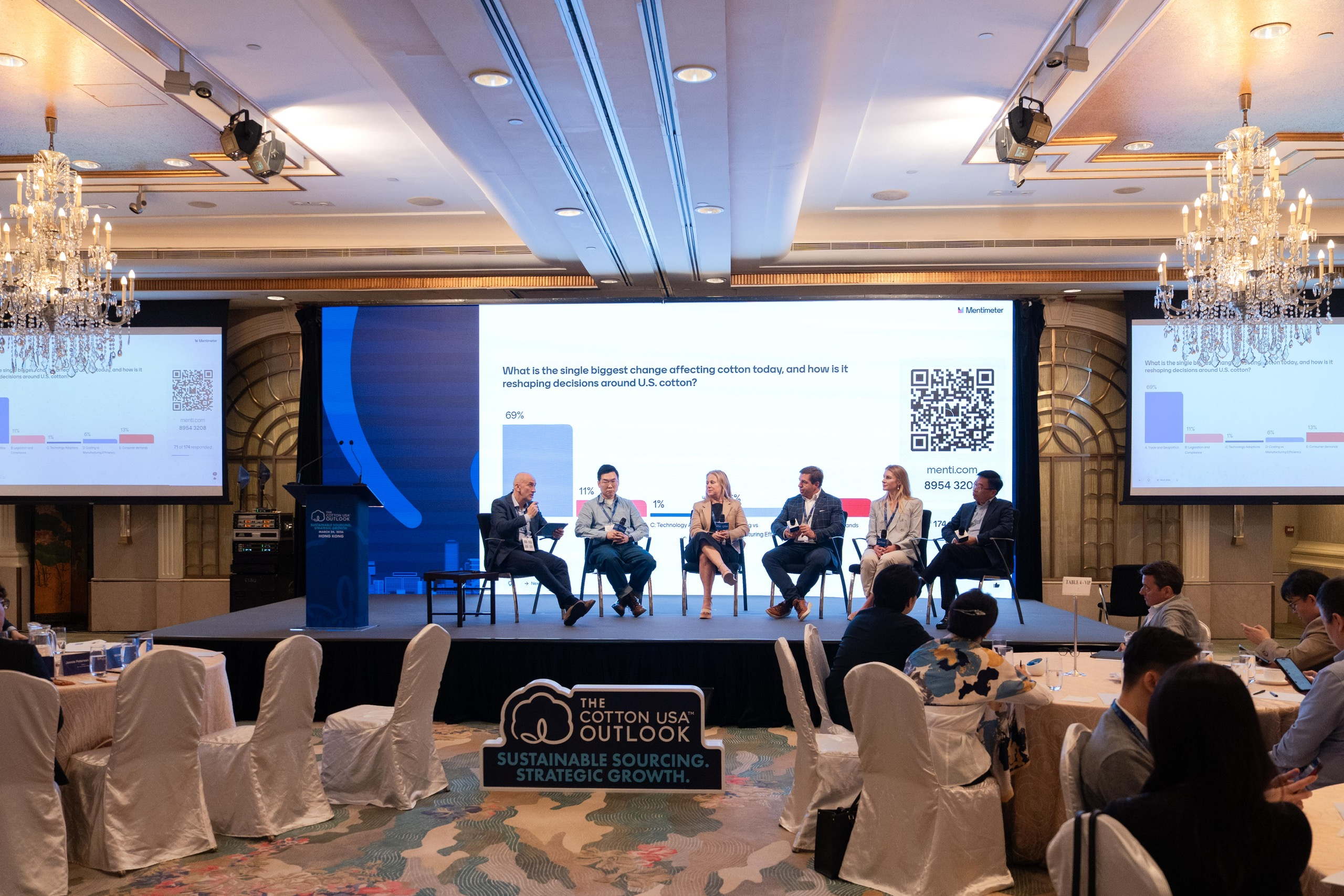
Within the framework of the conference, Mr. Le Tien Truong also participated in a panel discussion with representatives from brands, textile and garment enterprises, and international cotton suppliers, focusing on solutions to enhance industry competitiveness amid expectations of continued market volatility in 2026.