
Amid the pace of modern development, many traditional crafts are quietly fading away. In Phuc Sen Commune (Cao Bang), the weaving and indigo dyeing craft of the Nung An ethnic group, once practiced in almost every household – is now kept alive by only a few families working during off-farm seasons. As the older generation of artisans gradually passes on, the challenge is not merely preserving the craft, but enabling this heritage to remain alive through its own economic value.
Amid these concerns, Vuong Thi Trang, a 28-year-old woman, returned to her hometown to found “Nùng Indigo”, carving out a fresh approach to keep the traditional craft relevant in modern life. Let’s join Vietnam Textile, Garment and Fashion for a conversation with Trang about her decision and this remarkable journey.
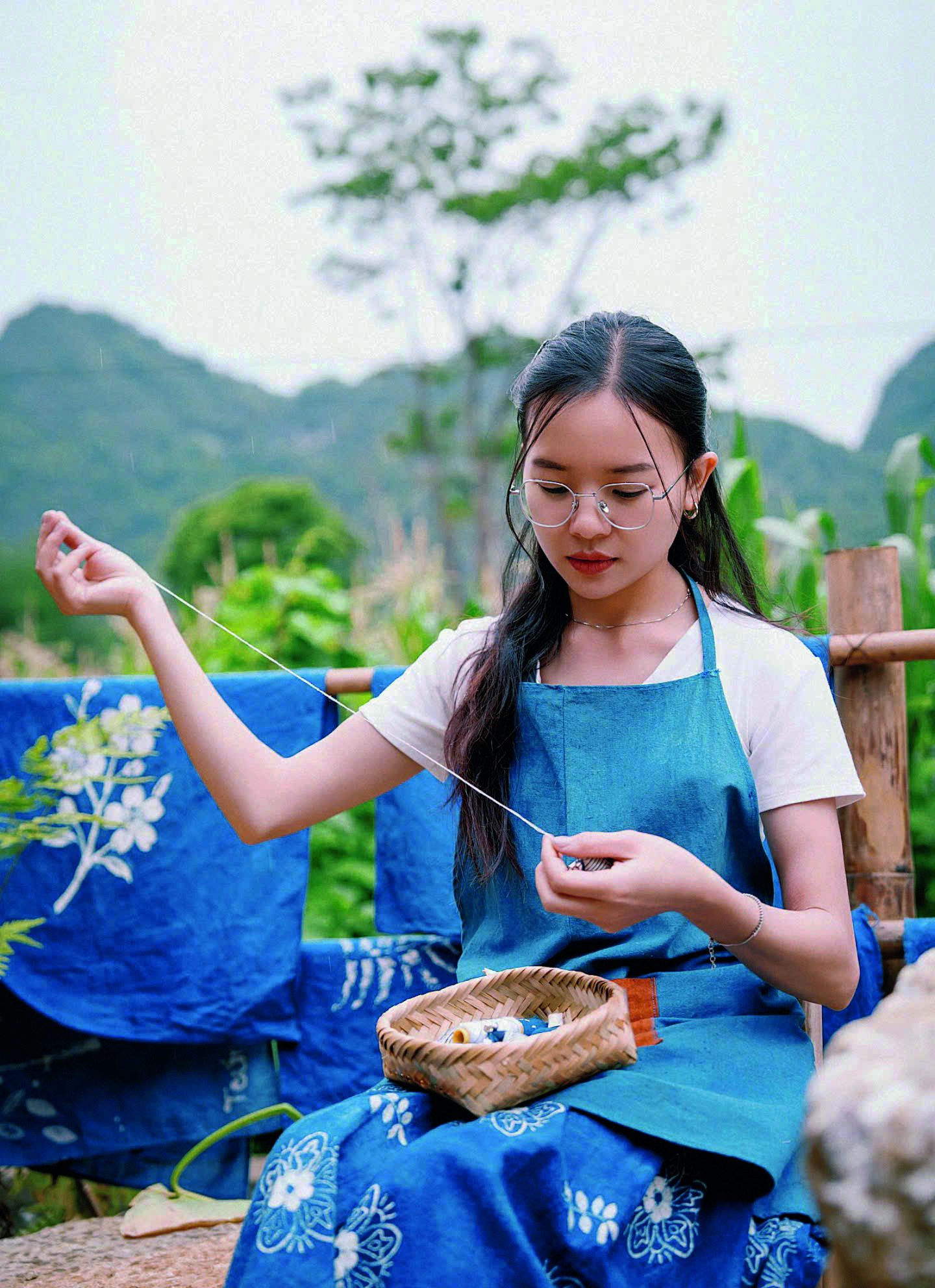
Having previously held a stable job in the city, Trang decided to return to her hometown of Phuc Sen (Cao Bang) in early 2025 to seek a new direction. The turning point came after a trip to Ha Giang, where she witnessed locals transforming their traditional crafts into cultural values and sustainable livelihoods. This inspired her to reflect deeply on the gradually fading weaving and indigo-dyeing traditions of the Nung An people in her hometown, inspiring her to establish “Nùng Indigo” to help preserve and promote her ethnic group’s cultural identity.
Initially, her decision to return home caught family and friends by surprise, as she had always favored a dynamic and adventurous lifestyle. However, as they saw her earnestly learn the craft and build the model step-by-step, their skepticism gave way to trust and support, turning them into a major source of encouragement on her entrepreneurial journey.
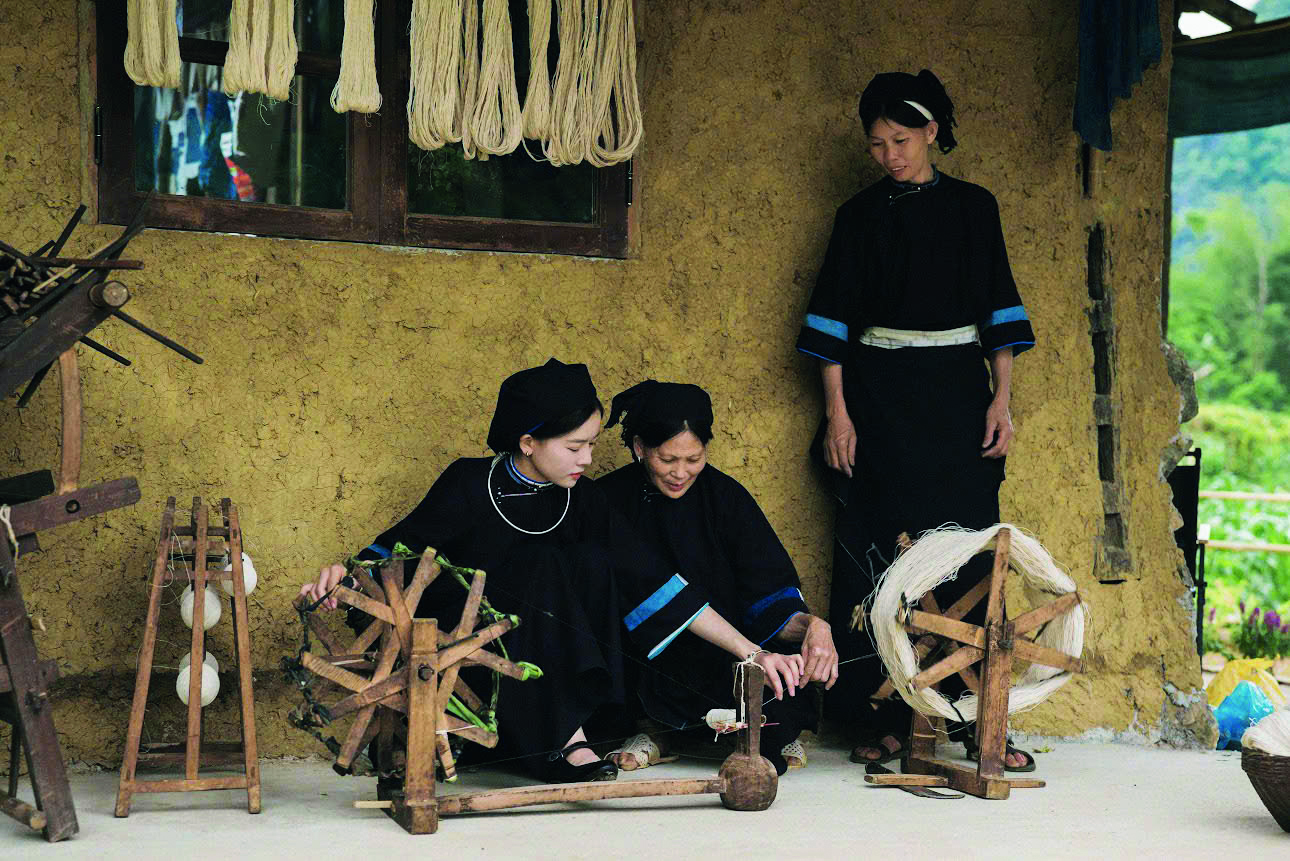
Growing up in Khao Village, Phuc Sen Commune — a location renowned for the weaving and indigo-dyeing craft of the Nung An people, Trang witnessed the tradition shrink dramatically, with only a handful of families keeping it alive out of nearly 200 households. What worried her most was that if the younger generation failed to carry the torch, the cultural values tied to weaving and indigo dyeing would eventually disappear. Therefore, she chose indigo dyeing as her path forward. The hallmark of Nung An indigo dyeing is its deep, a deep, almost black indigo hue tone that becomes more beautiful with each meticulous dye cycle, alongside simple patterns steeped in cultural meaning.
To bring her idea to life, Trang spent nearly a year learning the craft from local master artisans while studying product development and experiential tourism. Alongside procuring raw materials, building the space, and creating the brand, she had to self-teach many new skills to refine the business model. The process presented numerous challenges, particularly when severe flooding hit Cao Bang in 2025, delaying her progress, making the arrival of her very first guests an extraordinarily memorable milestone.
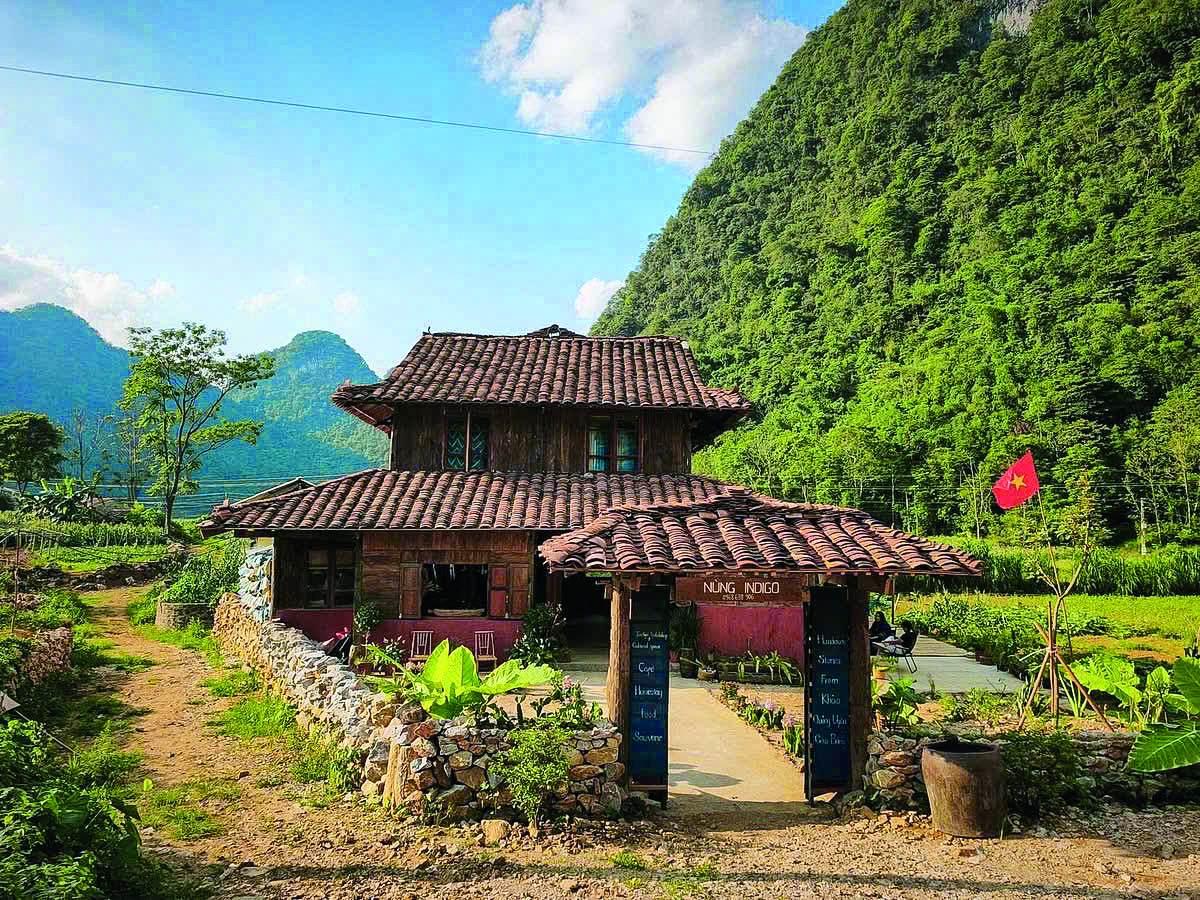
“Nùng Indigo” was established as a cultural experience space where visitors can do more than just purchase products; they actively participate in spinning yarn, weaving fabric, dyeing indigo, applying beeswax batik patterns, and learning the history of Nung An craft traditions. All products are crafted directly in-house. Over time, activities such as trying on traditional garments for photos, beeswax batik workshops, and hands-on indigo dyeing have attracted a growing number of domestic and international tourists. What brings Trang the greatest joy is seeing visitors go beyond sightseeing to genuinely care about, explore, and treasure local cultural values.
According to Trang, the biggest challenge in developing this model is balancing preservation with innovation. Bringing traditional values closer to the general public requires translating them into engaging experiences and appealing products without diluting their original identity. This dynamic of “preserving while renewing” is the core principle that “Nùng Indigo” constantly pursues.
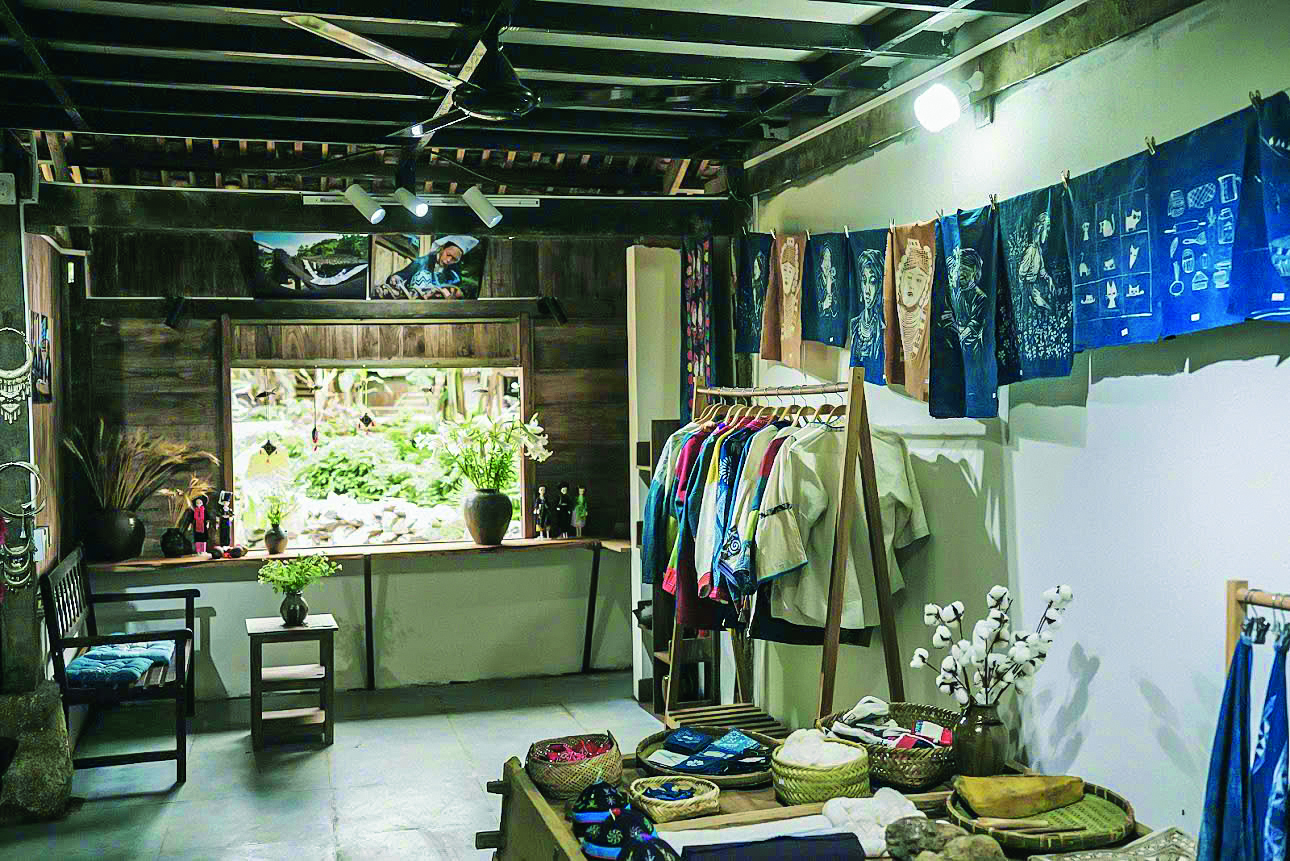
Additionally, “Nùng Indigo” has gained significant traction on social media through authentic storytelling, sharing everyday narratives tied to culture and craftsmanship rather than relying on elaborate marketing campaigns. It is this thoroughness and genuine dedication behind every piece of content that has deeply resonated with the community.
Looking ahead, Trang plans to continue refining her experiential services, developing more practical lifestyle products from traditional indigo fabric, and involving more local residents. In the long run, she hopes “Nùng Indigo” will evolve beyond a craft brand or tourist destination into an open sanctuary for preserving Nung An culture, creating local livelihoods, and driving sustainable development alongside her community.