
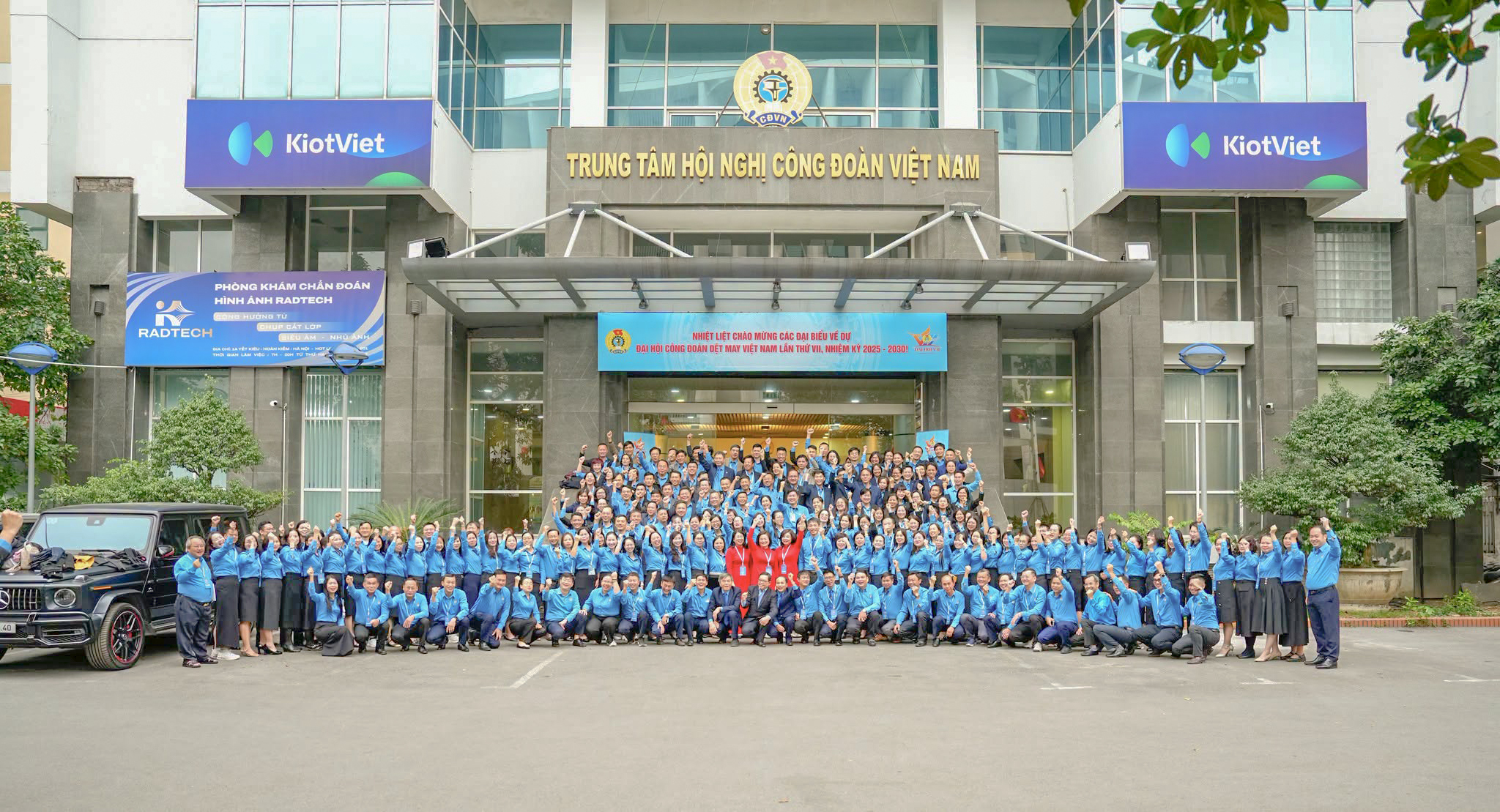
Milestones of Development and Partnership
The textile and garment industry is one of the sectors most directly and acutely affected by market fluctuations. In a labor-intensive industry, the Trade Union is not merely an organization that supports and works alongside employees; it is also an important component of the enterprise governance system. It plays a vital role in maintaining workforce stability, fostering shared understanding and unity of purpose, and encouraging employees to work in partnership with their enterprises. The 30-year development journey of the Vietnam Textile and Garment Trade Union can be divided into four distinct periods, each shaped by its own particular context and challenges:
1996–2007: This was the period when the Trade Union of the Vietnam National Textile and Garment Corporation (now the Vietnam National Textile and Garment Group – Vinatex) operated with the trade unions of companies under the Group as its members, in accordance with Government decisions. During this period, competition for labor was not yet particularly intense, and Vietnam still benefited from its relatively low labor costs. However, enterprises and trade unions had to adapt to customer audits based on labor standards such as SA8000 and OHSAS 18000, while deeper international integration in labor relations placed increasing demand and pressure on the organizations representing workers.
2008–2014: This was the first term during which the Group’s Trade Union transitioned to a pilot industry-level trade union model for the textile and garment sector. During this period, the global economic crisis of 2011–2012 had a severe impact on employment and workers’ incomes, while inflation and interest rates also put significant pressure on the domestic economy. This was a particularly challenging period for the Vietnam Textile and Garment Trade Union, as it had to simultaneously operate and test the new organizational model, support its members in dealing with market difficulties that directly affected workers, and expand its membership base to private-sector enterprises outside Vinatex.
2015–2020: During this period, the Vietnam Textile and Garment Trade Union operated while the Group’s parent company underwent equitization, with the State retaining a 53.4% ownership stake and plans in place to gradually reduce the State’s controlling role in the Group.. The period saw a number of increasingly pressing challenges, particularly intensifying competition for labor. At the same time, workers faced gaps in basic skills as the Fourth Industrial Revolution accelerated.
2021–Present: Alongside the pressures of the green transition, digital transformation, the development of a circular economy, and adaptation to emerging technologies, the textile and garment industry has also had to contend with the lingering impacts of the COVID-19 pandemic. Disruptions to raw material and auxiliary material supply chains, significant fluctuations in the workforce, and global economic and geopolitical uncertainties have created unprecedented challenges for textile and garment enterprises.
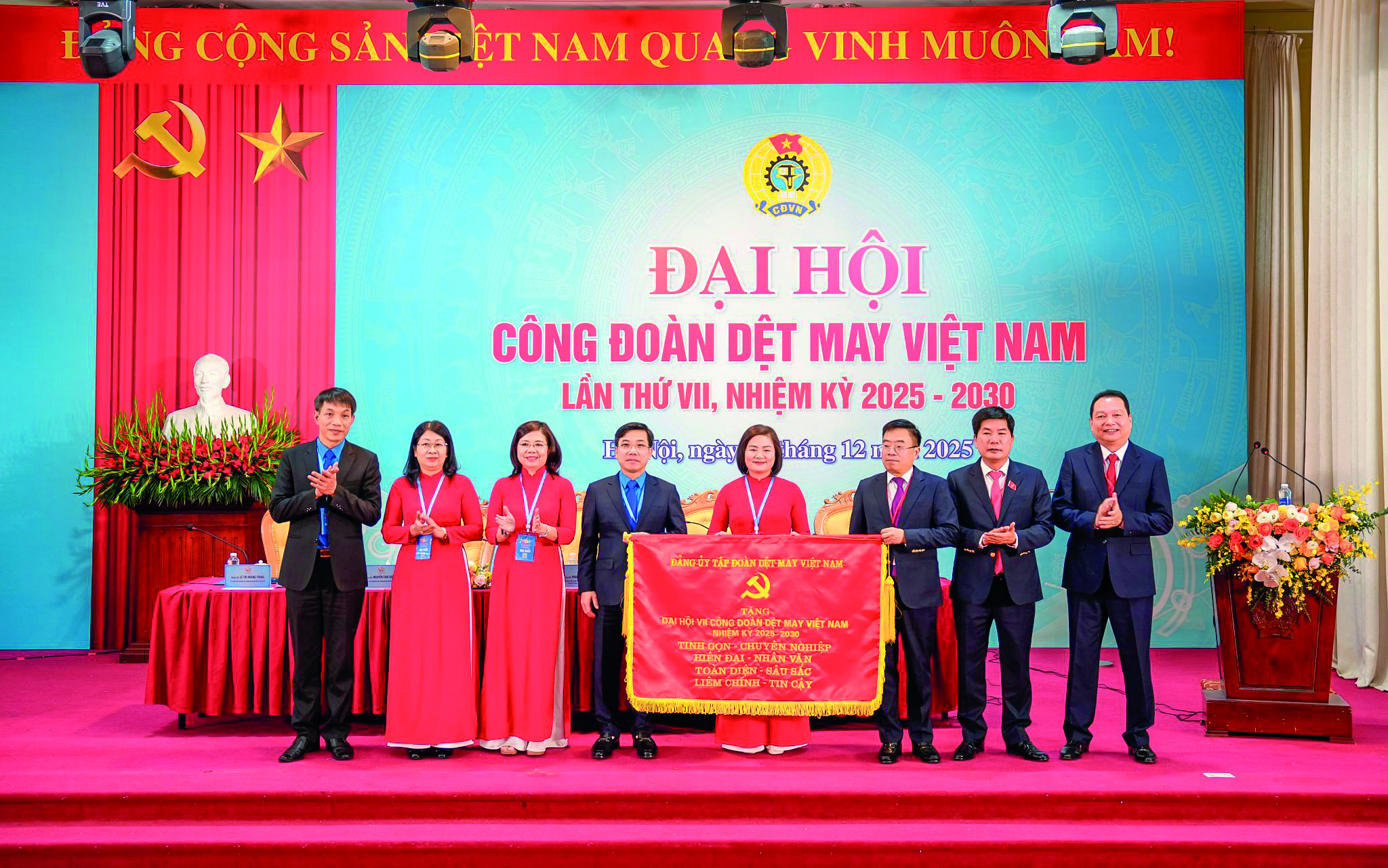
The restructuring and streamlining of Vietnam’s trade union system has been carried out vigorously with the aim of building a more effective, efficient, and worker-oriented organization. This approach focuses on redirecting the resources saved through streamlining toward digital transformation and the direct enhancement of benefits and rights for union members. The industry-level trade union’s role in representing and protecting the legitimate rights and interests of workers extends beyond negotiating with management; it also involves upskilling workers to meet emerging requirements and mitigating the risk of unemployment—an essential yet highly challenging task.
At Vinatex, the Party Committee provides direct leadership over the trade union organization and its activities. Issues relating to employment, wages, income, and workers’ livelihoods have consistently received particular attention in the Party Committee’s action programs and resolutions. Vinatex highly values the capacity of the Standing Committee of the Vietnam Textile and Garment Trade Union to implement the directives of the Party Committee and corporate leadership with determination and flexibility, effectively mobilizing and pooling resources to meet market and customer requirements, thereby strengthening the Group as a whole.
The results are reflected in clear and compelling figures: over the past five years, average labor productivity has increased by more than 60%, workers’ incomes have risen by 68%, while corporate profits have doubled. As a result, the average monthly income of members of the Vietnam Textile and Garment Trade Union reached more than VND 12 million per person in 2025 — approximately 1.4–1.5 times the average wage of workers in manufacturing industries nationwide — and increased more than 10% in the first six months of 2026. These figures provide compelling evidence of the contributions of workers, the trade union organization, and management teams in jointly creating shared value and achieving a balance of benefits for enterprises, workers, and society.
At the same time, the Vietnam Textile and Garment Trade Union has implemented a comprehensive range of communication, mobilization, welfare, and support initiatives for workers, helping enterprises maintain a stable workforce. These achievements are not the result of short-term measures, but rather the outcome of sustained efforts over multiple terms to build trust, strengthen engagement, and foster cooperation between workers and employers. A clear indication of this is that since 2024, and particularly in 2025, the proportion of workers returning to work after the Lunar New Year holiday reached 99–100%—an exceptionally high level for a labor-intensive industry such as textiles and garments.
The Trade Union has shifted from largely campaign-based activities to more substantive initiatives that address workers’ aspirations, well-being, and specific needs. This transformation has strengthened the Trade Union’s appeal and reach while fostering closer bonds between employees and their enterprises. It can be affirmed that the Trade Union has successfully fulfilled its role as an integral part of the enterprise, working under the leadership of the Party Committee and in close coordination with management to build the enterprise’s overall competitiveness.
“Knowledge-Based Trade Union” – Building the Workforce for a New Era
Caring for workers goes beyond providing immediate support. At its core, it means investing in and developing workers so that they can enhance their awareness, professional qualifications, and skills, thereby securing stable employment, earning better incomes, and gaining greater opportunities for personal development. This embodies the profound humanistic value of the “people-centered mission” shared by the Trade Union and enterprises.
The textile and garment industry is characterized by a very large workforce, a high proportion of female workers, and an educational background predominantly ranging from lower secondary to upper secondary education. Members of the Vietnam Textile and Garment Trade Union are spread across 30 of the country’s 34 provinces and centrally governed cities, representing diverse ethnic and religious backgrounds. Despite these differences, many share similar circumstances, including challenging living conditions and a need for support and guidance.
Therefore, the activities of the Vietnam Textile and Garment Trade Union must reflect the specific characteristics of individual enterprises, while taking into account the circumstances of workers and the conditions of different regions. Communication and engagement efforts aimed at helping workers properly understand government policies and enterprise policies are particularly important. They help workers overcome difficult periods while also encouraging them to remain grounded, avoid complacency, and stay prepared even during more favorable times.
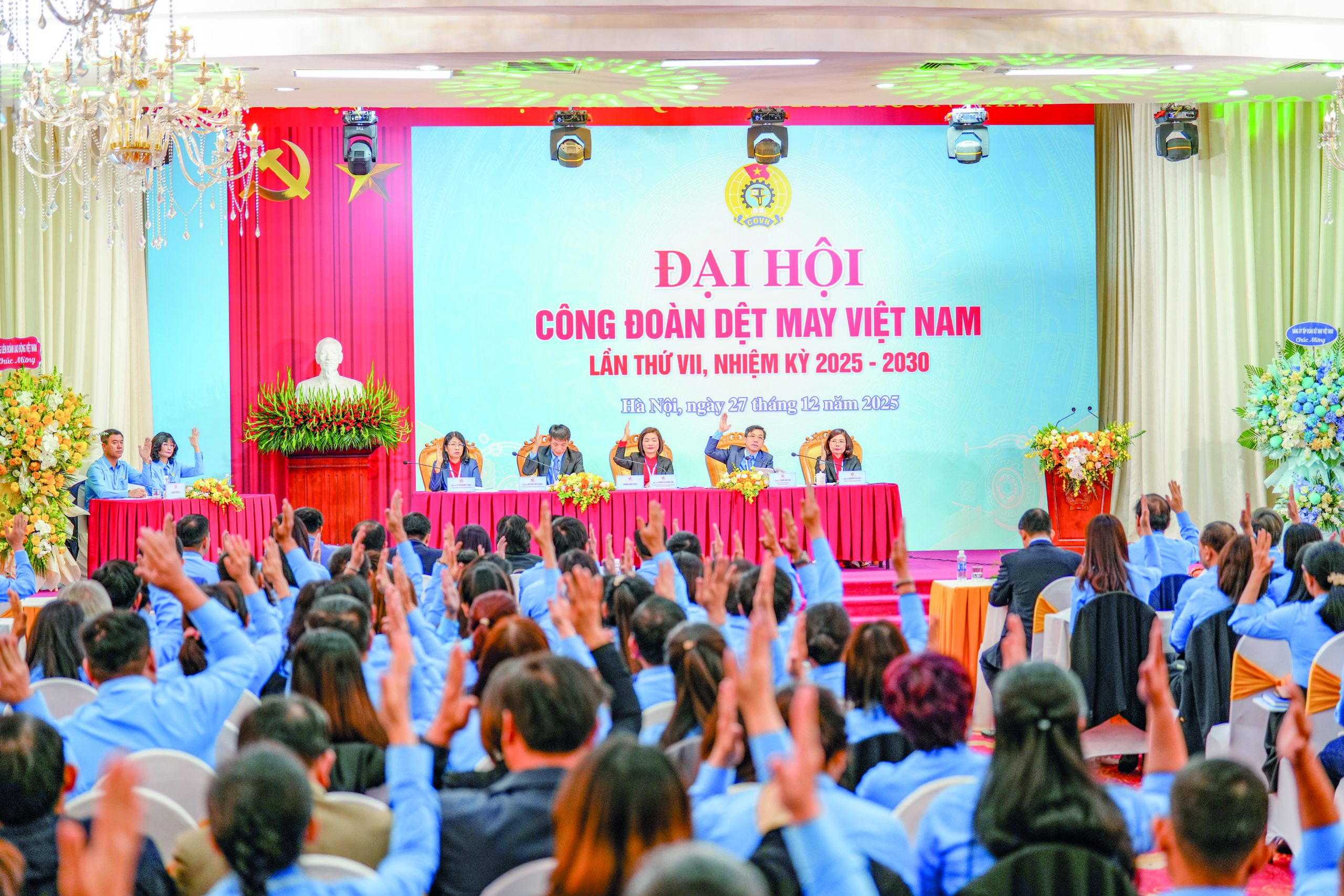
In recent years, the Vietnam Textile and Garment Trade Union has developed and implemented a range of initiatives, including:
- Promoting the “Good Work, Creative Work” emulation movement, encouraging technical improvements and initiatives to enhance labor productivity and business efficiency;
- Building a harmonious, stable, and progressive working environment, while caring for workers’ material and spiritual well-being;
- Nurturing the industry’s identity and the Group’s corporate culture, while promoting labor discipline and ethical values among workers.
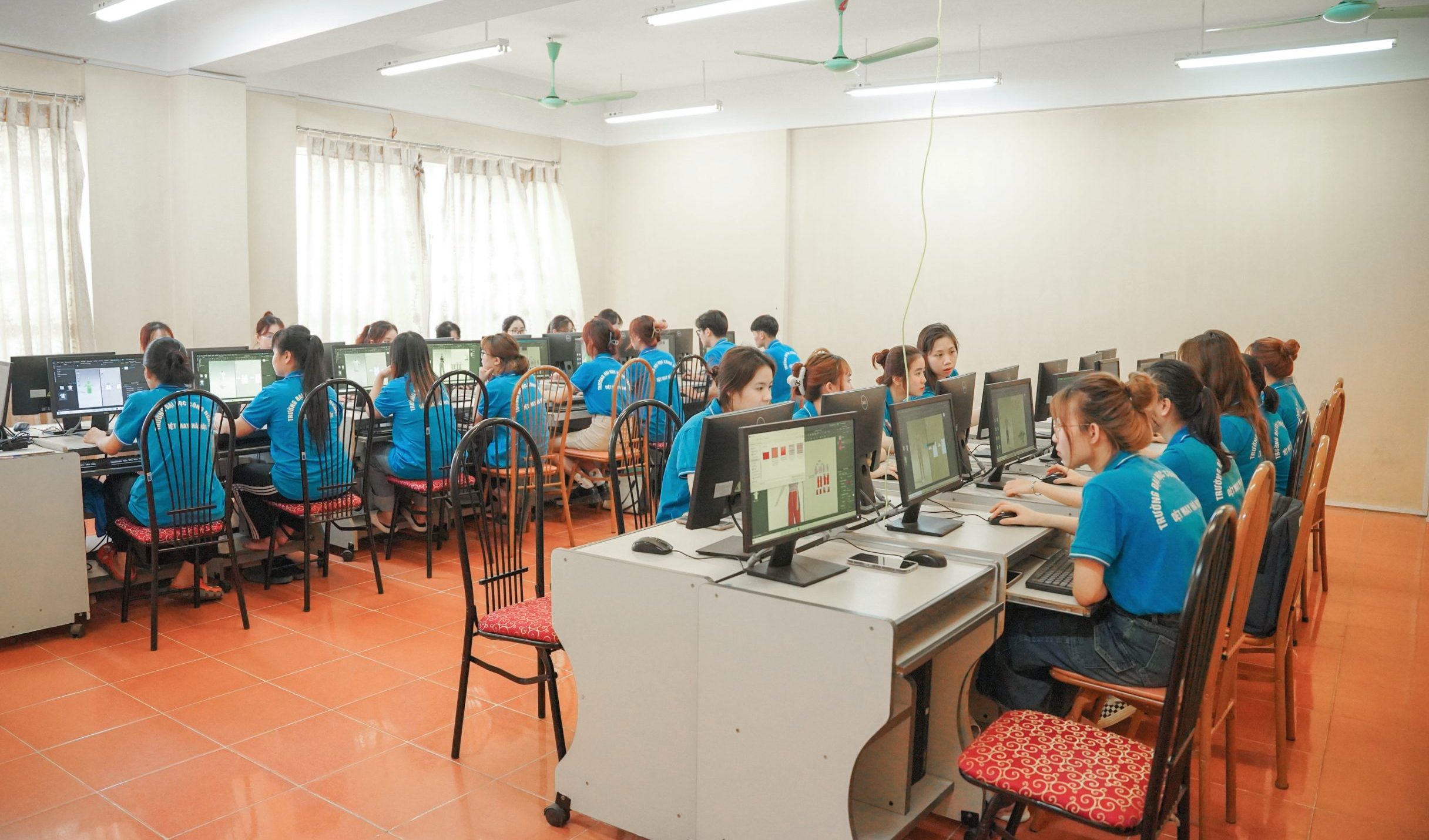
Vinatex highly values the Trade Union’s training and development programs, which equip textile and garment workers with new skills and knowledge in response to the growing adoption of automation, AI, and Industry 4.0 technologies. Worker protection has evolved from simply advocating for certain standards to building new capabilities that enable workers to remain employable as technology and market conditions change. This “early and proactive protection” approach is a flexible model that few industry-level trade unions in the manufacturing sector have pursued, yet the Vietnam Textile and Garment Trade Union has consistently implemented it over many years.
Visibly, the Trade Union and the Group have built a “people-centered ecosystem” in which workers feel respected, supported in their development, and empowered to spread positive values. This is the most powerful “competitive advantage” for retaining employees, attracting talent, and creating a distinctive identity throughout the 30-year journey of the Vietnam National Textile and Garment Group and the Union.
Looking ahead, as the economy demands higher growth, labor-intensive industries can no longer rely on extensive growth and must instead shift toward productivity-driven, higher quality growth. In this process, management’s role is to invest in technology and expand markets, while workers must proactively adapt to new requirements in technology, equipment, and levels of automation in order to keep pace with the rapidly changing market.
Vinatex has set a target of increasing workers’ incomes by more than 10% annually, thereby making a direct contribution to the country’s GDP growth. Achieving this goal requires labor productivity to increase by more than 10%, while workers must fully comply with and effectively utilize newly invested technologies and equipment.
Entering the 2026–2030 period, the “Skilled Workers, Higher Productivity, Better Incomes” emulation movement launched by the Vietnam General Confederation of Labor is opening up a new development direction for trade union organizations, as well as setting new growth objectives for the business community.
In the current context, with global demand for textiles and garments growing by only around 2% annually and Vietnam’s competitive advantage in labor costs gradually narrowing, the Vietnamese Textile and Garment industry has only two main avenues to contribute to the country’s double-digit growth target: increasing the trade surplus and raising workers’ incomes at a double-digit rate, thereby keeping pace with national economic development and avoiding being marginalized within the country’s economic structure.
Against this backdrop, the emulation movement should simultaneously pursue three objectives: enhancing workers’ qualifications and skills; increasing labor productivity and the efficiency of enterprises’ production and business operations; and improving workers’ incomes to deliver tangible benefits. The Vietnam Textile and Garment Trade Union should work closely with enterprise leaders to define and clarify what “skilled workers,” “high productivity,” and “better incomes” mean in practical terms for the next five years, with specific milestones, targets, and implementation methods. This will ensure that the emulation movement is substantive differentiated, not merely symbolic, and that it genuinely becomes a driving force for improving labor productivity, workforce quality, and enterprise competitiveness.
The 30th anniversary milestone will open a new chapter for the Vietnam Textile and Garment Trade Union, centered on the “Knowledge-Based Trade Union” model — one that fosters creativity, strengthens workers’ ability to master technology, and helps them adapt to global sustainability standards. In doing so, the Trade Union will further affirm its role in building a skilled, professional, modern, and productive textile and garment workforce, laying a strong foundation for the growth and advancement of enterprises and the industry in the nation’s new era.