
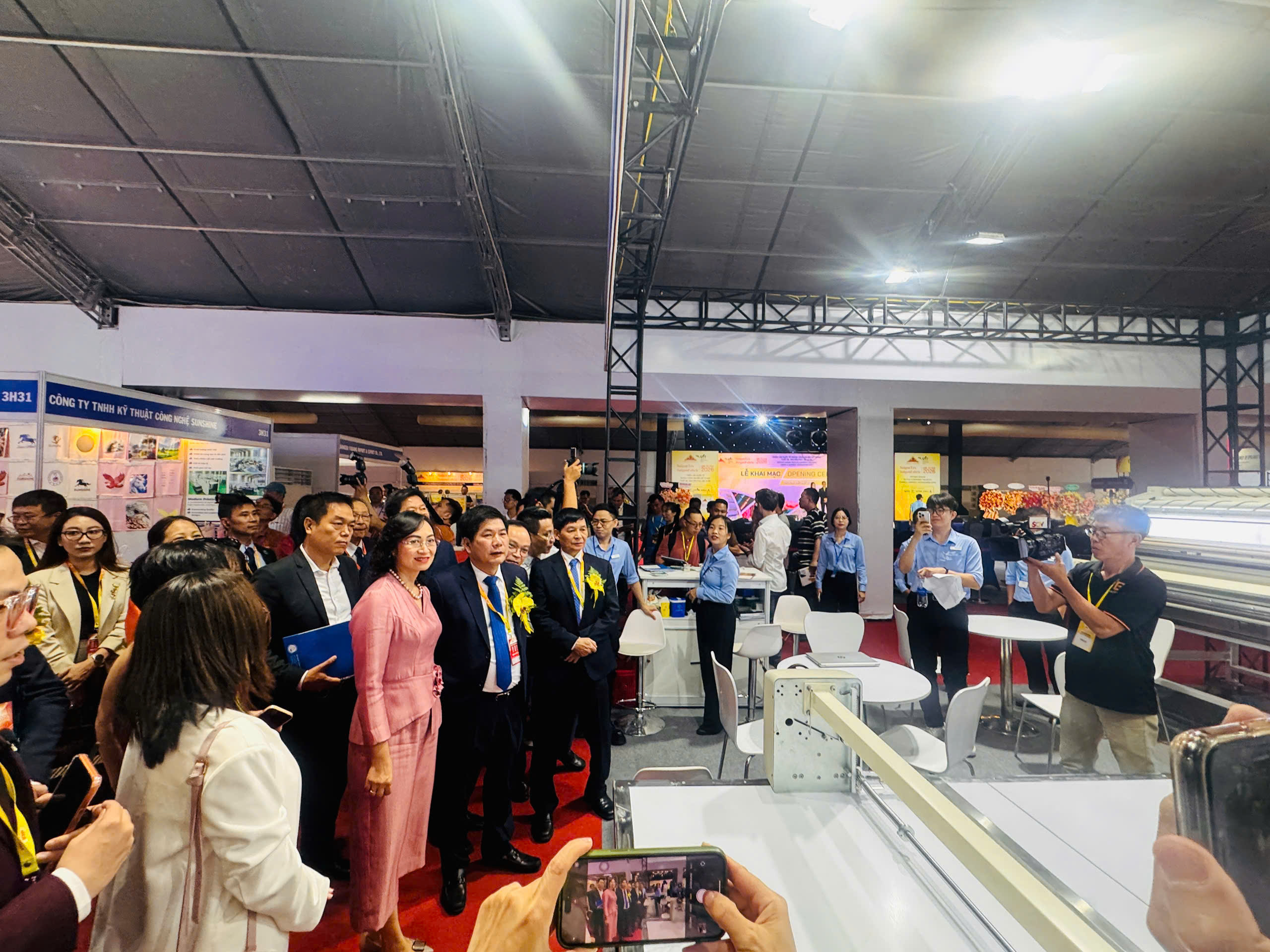
On the morning of April 8, in Ho Chi Minh City, the opening ceremony of the Vietnam International Textile & Garment Industry Exhibition – Equipment, Materials, Accessories & Fabrics 2026 (SaigonTex – SaigonFabric 2026) took place. The exhibition provides an opportunity for both domestic and international enterprises to connect, promote their brands, seek partners, and expand markets. Attending the exhibition were Vice Minister of Industry and Trade Phan Thi Thang; Deputy Director General of the Agency of Industry Quach Quang Dong; Vinatex CEO Cao Huu Hieu; Vice Chairman of the Vietnam Textile and Apparel Association Truong Van Cam; and Chairwoman of the Vietnam Textile and Garment Trade Union Pham Thi Thanh Tam.

SaigonTex – SaigonFabric 2026, spanning more than 30,000 square meters, brings together over 1,000 exhibitors from 22 countries and territories. These include reputable global suppliers in the textile and garment industry such as India, Belgium, Portugal, Cambodia, Taiwan, Germany, the Netherlands, the United States, South Korea, Hong Kong, Indonesia, Japan, Malaysia, Pakistan, Singapore, Thailand, Türkiye, Switzerland, China, Australia, Vietnam, and Italy. The exhibition is expected to attract more than 32,000 trade visitors.
The exhibition showcases a wide range of segments across the textile and garment value chain, including: textile machinery, equipment and technology; garment machinery, equipment and technology; fabrics, nonwoven fabrics, and linings; garment accessories; yarns, cotton, and textile raw materials; new, green and sustainable production technologies and solutions; finished garments and fashion products; as well as quality control, chemicals and dyeing certifications. The event aims to facilitate businesses in finding partners, expanding markets, and capturing upcoming industry trends.

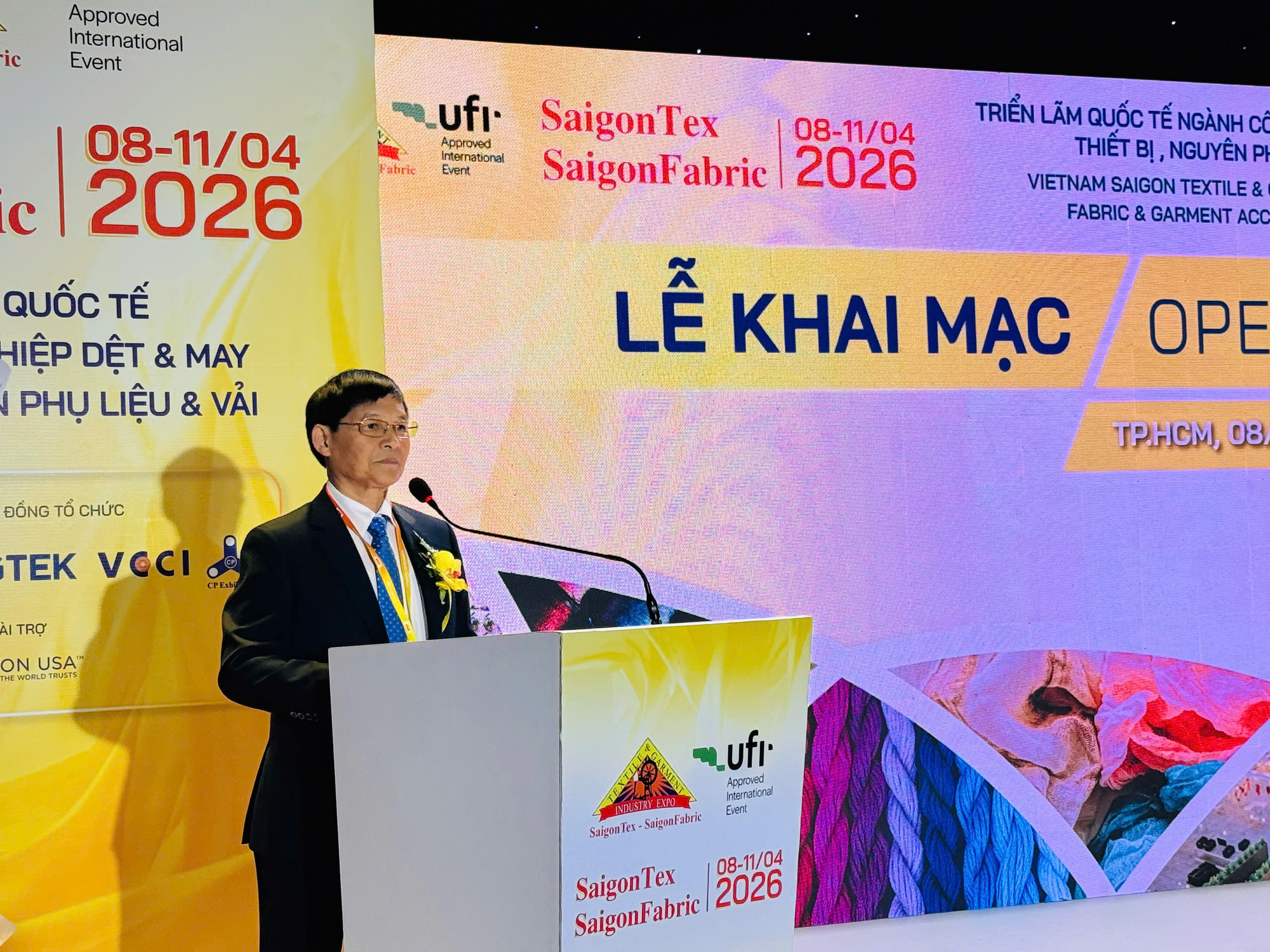
Speaking at the opening ceremony of the exhibition, Vice Minister of Industry and Trade Phan Thị Thắng stated that in recent years, Vietnam’s textile and garment industry has made significant contributions to economic development, ensured social welfare, maintained stability in security, politics, and the macroeconomy, and built trust and support from countries, territories, organizations, and both domestic and international investors.
Vietnam’s textile and garment export turnover in 2025 reached USD 46.2 billion, up 6% compared to 2024, maintaining its position among the world’s top three textile and garment exporters. The sector recorded a trade surplus of USD 21 billion, continuing to be a major contributor to the national trade balance. Currently, Vietnamese textile and garment products are present in 138 markets worldwide, with domestic value-added reaching approximately 52%, reflecting increasing self-reliance in the supply of local raw materials.
The domestic market, with a population of over 100 million, is also attracting increasing attention from textile and garment enterprises. Companies are tapping into this potential through a range of effective solutions, such as proactively developing brands, improving designs, prioritizing the use of environmentally friendly materials, developing sustainable products, and expanding distribution channels via e-commerce. In 2025, the total size of the domestic market reached approximately USD 5.5 billion, marking a slight increase compared to 2024. Domestic demand has been gradually recovering, supported by the promotion of the “Vietnamese people prioritize Vietnamese goods” campaign, effective trade promotion and demand stimulation policies, and strengthened market management. Consumers are increasingly shifting toward domestically produced textile and garment products that offer assured quality, safety, environmental friendliness, and diverse designs.
“Vietnam’s policy is to pursue balanced development between export and domestic markets, effectively leveraging the significant potential of the domestic market while enhancing competitiveness in international markets. The SaigonTex & SaigonFabric exhibition provides a valuable opportunity for textile and garment organizations and enterprises, both domestic and international, to access modern equipment, advanced technologies, and sustainable materials. It is also an excellent occasion to connect with reputable partners, potential markets, and customers, promote trade, enhance product value-added, gradually increase localization rates, and meet the rules of origin requirements under trade agreements,” emphasized Vice Minister Phan Thi Thang.

In his opening remarks at the exhibition, Vinatex CEO Cao Huu Hieu stated that SaigonTex – SaigonFabric 2026, as one of the textile and garment industry’s large-scale events, continues to serve as an important bridge connecting enterprises, suppliers, and international partners. It is not only a venue for showcasing advanced technologies, equipment, and materials, but also a forum for sharing trends, exploring cooperation opportunities, and fostering innovation across the industry—thereby contributing to the sustainable development of Vietnam’s textile and garment sector and reinforcing its vital role in the country’s economic growth.
“In 2026, the industry faces greater challenges as geopolitical and global trade fluctuations continue to intensify, directly impacting supply chains and production costs. With an export target of USD 49 billion for 2026, diversifying markets, products, and customers has become a key strategic direction, requiring the textile and garment industry to undergo strong transformation. In this context, investment in technology, acceleration of digital transformation, and development of high value-added products will be decisive factors. Textile and garment enterprises must proactively restructure their production operations, enhance adaptability, and optimize costs to maintain efficiency and competitiveness,” emphasized CEO Cao Huu Hieu.
According to Truong Van Cam, Vice Chairman of the Vietnam Textile and Apparel Association, the global economy is currently facing unpredictable fluctuations due to the impacts of wars and conflicts in various regions, particularly in Ukraine and the Middle East. To maintain the textile and garment industry’s position among the world’s top three exporters—with export turnover reaching USD 46.2 billion in 2025 and a trade surplus of USD 20.7 billion—while also achieving the 2026 target of USD 49 billion, it is necessary to strongly implement a range of solutions. These include: diversifying export and import markets, customers, and product portfolios; promoting the production of raw materials and developing domestic and international supply chain linkages to increase localization rates and better leverage FTAs; investing in capacity enhancement through technological innovation, AI application, and workforce training to improve labor productivity and competitiveness; advancing green transformation and circular economy models to meet market requirements and enhance corporate image; and building strong brands to gradually expand both domestic consumption and exports under Vietnamese brands. This year’s exhibition brings together all the necessary elements to support the effective implementation of these solutions.

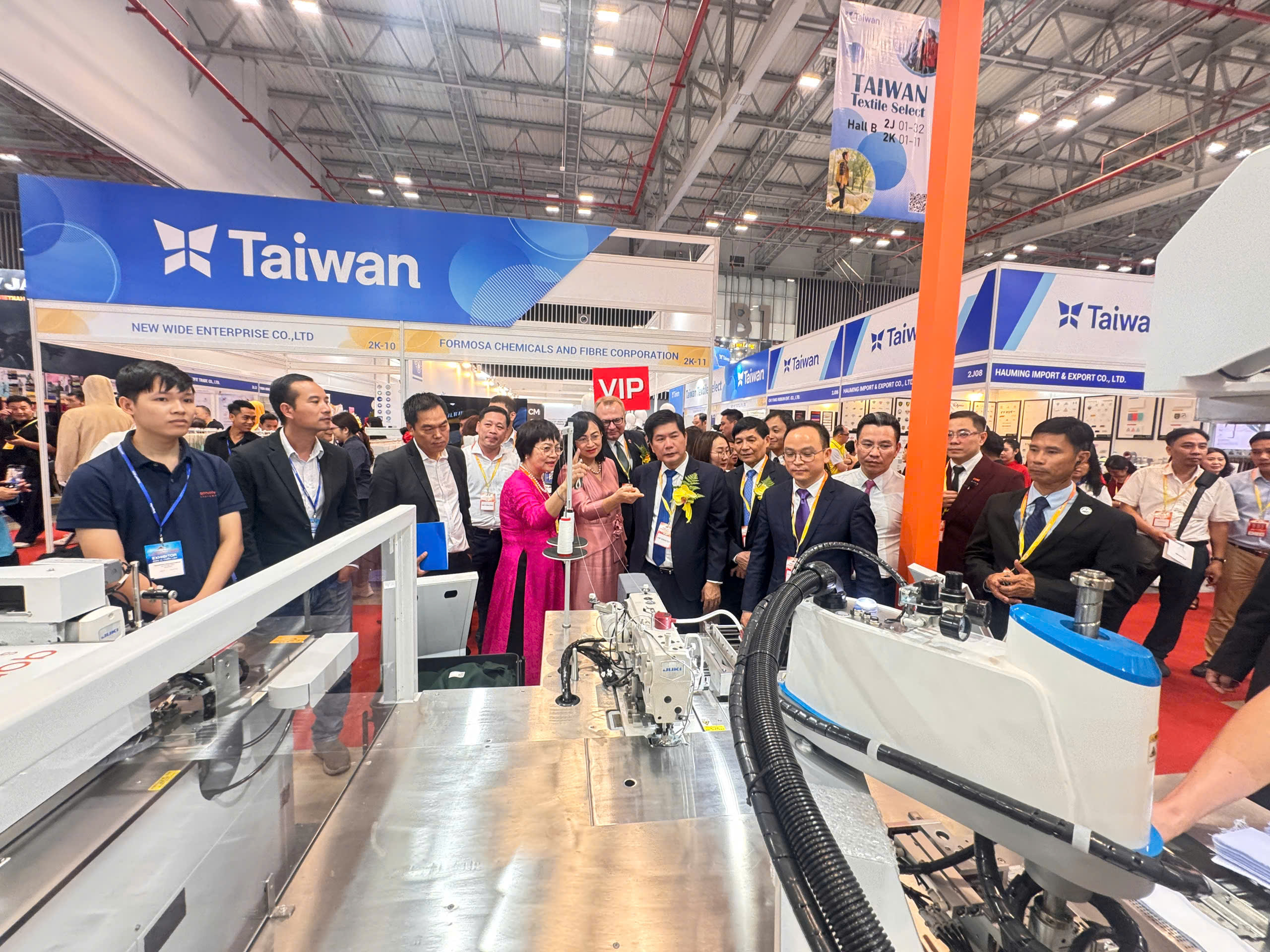

The exhibition is open to visitors from April 8 to 11, 2026. As part of the event, Vinatex is hosting a seminar titled “Global Textile Trade 2026: From Macroeconomics to National Competitiveness,” presented by experts from the Vietnam National Textile and Garment Group.