

First, shifting from “managing people” to data-driven performance management
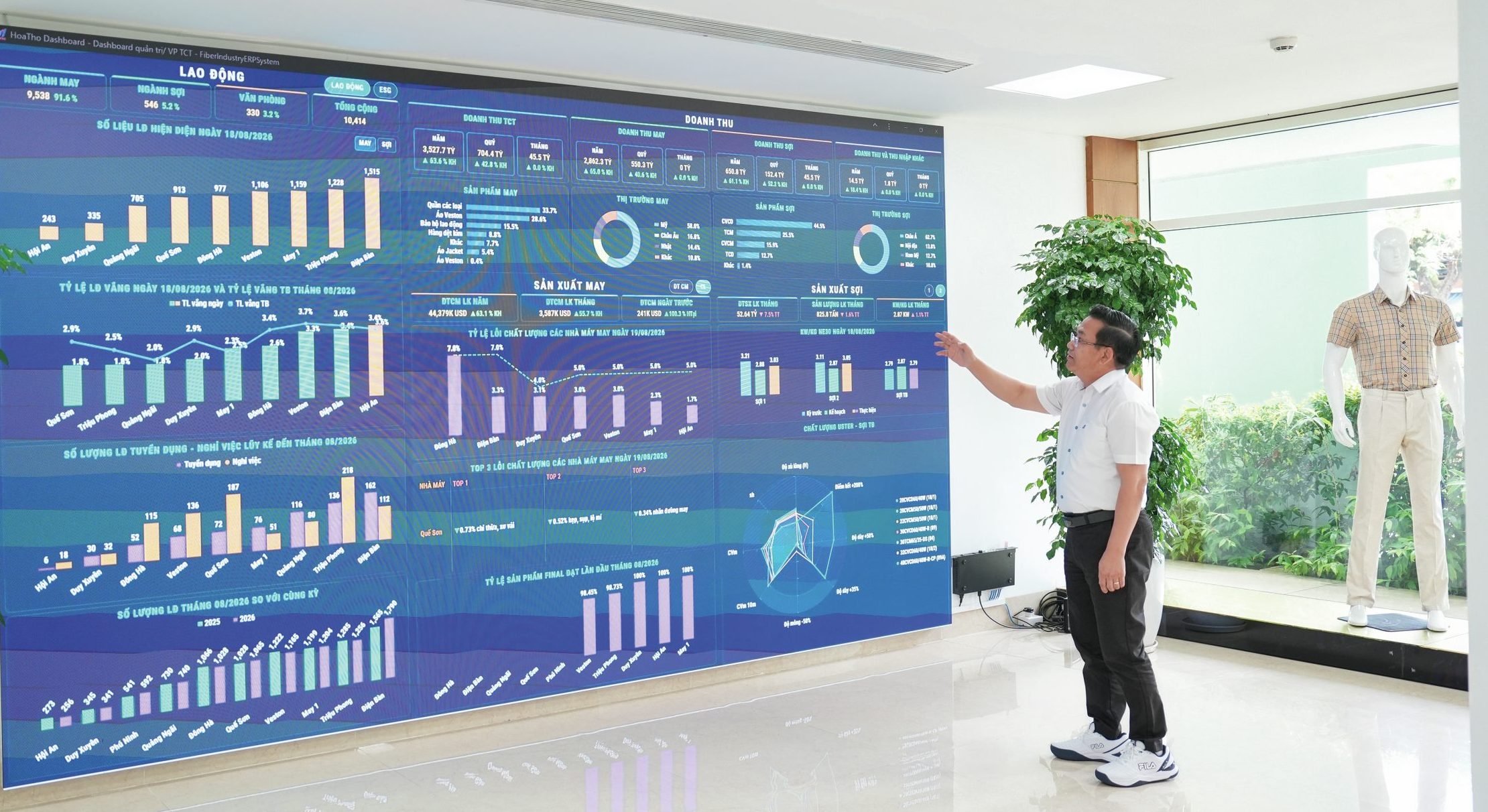
HR needs to leverage data to identify workforce fluctuations, potential labor shortages, productivity bottlenecks, and training effectiveness, thereby directly supporting management decision-making. Vinatex’s direction is to transform HR from an administrative function into a strategic advisory function for human resource mangament, with performance at its core.
In the first six months of 2026, the workforce turnover rate across the Group stood at 9.8%, down from the same period last year; average employee income increased by more than 10%, while the rate of employees returning to work after the Tet holiday reached approximately 99%. These indicators demonstrate that workforce data is increasingly becoming a management tool rather than serving solely for reporting purposes.

Second, shifting from traditional technical skills to a “digital–green–adaptive” skill set
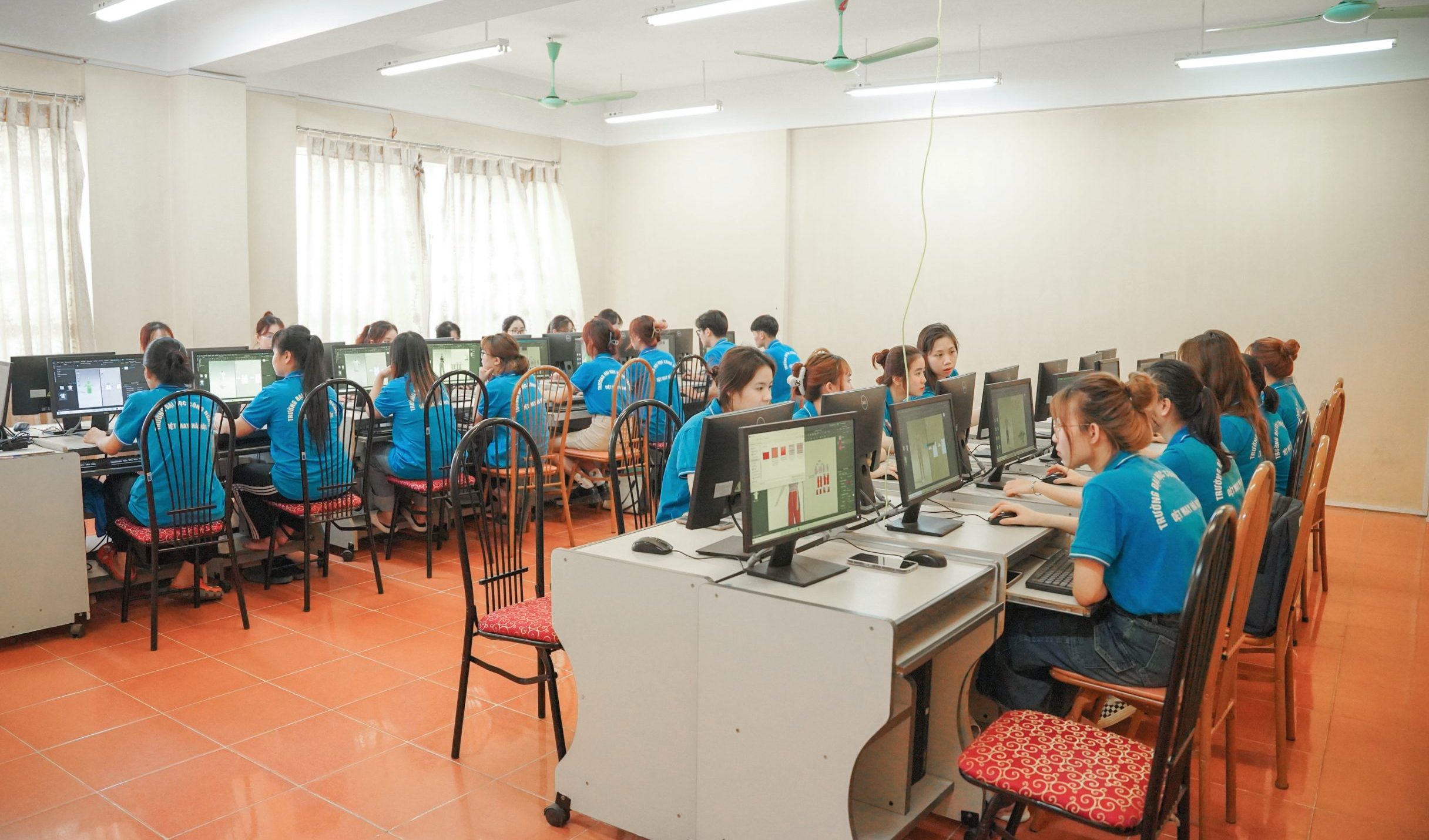
With the advance of automation and AI, jobs across the industry are being redesigned. Workers need more than technical skills; they also need digital capabilities, data literacy, an understanding of environmental and social responsibility requirements, as well as cross-functional skills, the ability to reskill quickly, and strong problem-solving capabilities on the production floor. As a result, training needs to move away from broad-based programs toward job-specific training focused on productivity bottlenecks and customer order requirements. AI is viewed primarily as a force that is reshaping job tasks, rather than simply replacing workers.
Third, shifting from “passing customer compliance audits” to “meeting the standards required to access global markets”
Requirements related to human rights, working conditions, environmental standards, and responsible supply chains are increasingly becoming key criteria for companies to retain customers and maintain access to export markets. Businesses need to establish robust workforce management systems, supported by up-to-date data, effective dialogue mechanisms, grievance-handling procedures, training programs, and management competency frameworks.
Improving working conditions should no longer be viewed merely as a compliance cost, but as an investment in productivity, operational efficiency, and the ability to retain market access.

Fourth, shifting from basic welfare to climate risk and occupational health management
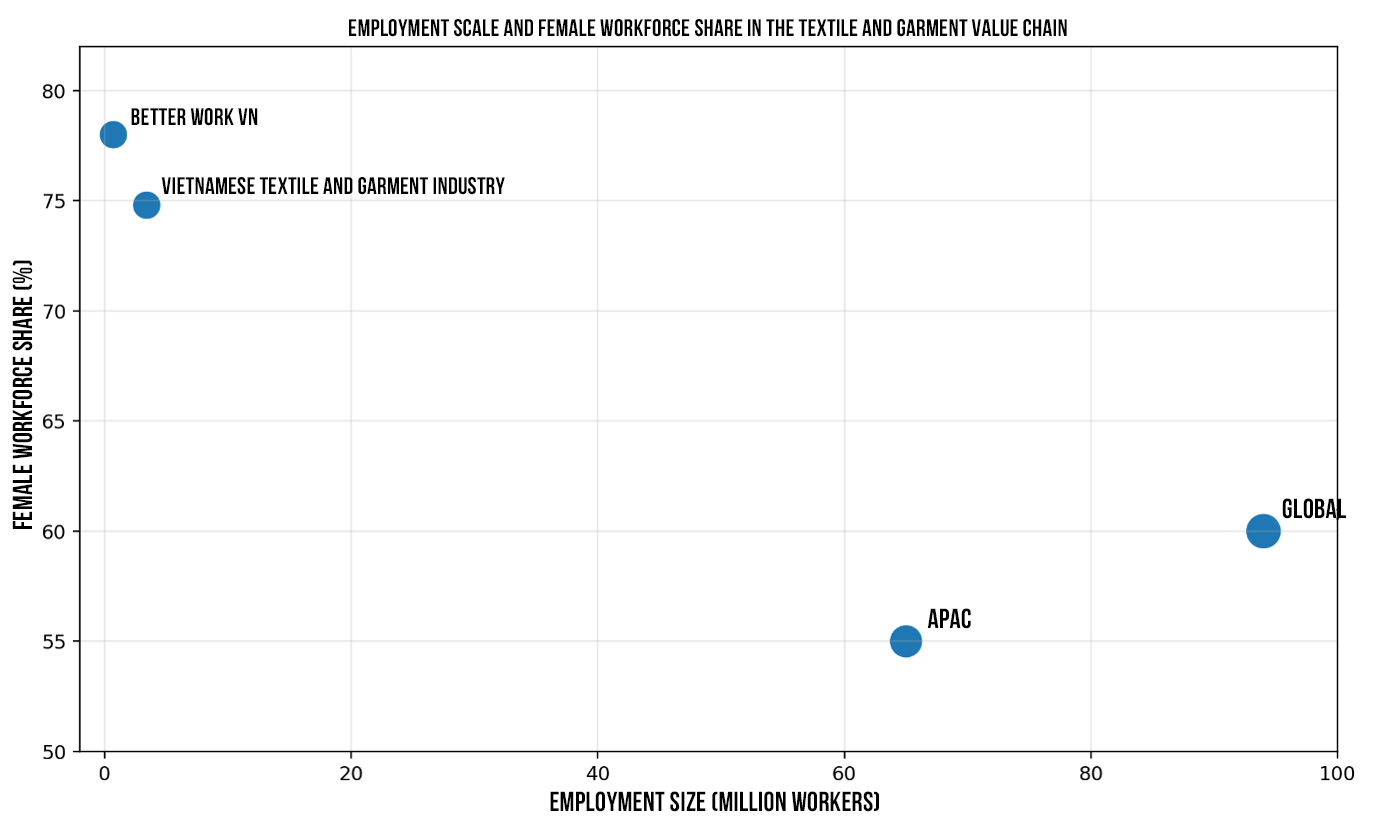
Extreme heat, heat stress, and flooding are directly affecting productivity, worker health, and business continuity. For a labor-intensive industry with a high proportion of female workers such as textiles and garments, measures such as access to drinking water, ventilation, cooling, heat-rest breaks, shift arrangements, and health monitoring should be viewed as critical infrastructure for maintaining workforce performance, rather than merely as employee benefits.