
Rather than chasing short-lived technology trends or spreading investments across too many areas, Hue Textile and Garment Joint Stock Company (Huegatex) has chosen a “pragmatic” approach to digital transformation, deploying an integrated enterprise management software system to address real-world operational challenges. The flow of real-time data enables the Executive Office to proactively optimize production, shorten operating cycles, and strengthen competitiveness. In particular, the company’s digitalization strategy is closely linked to its employee innovation movement, turning hundreds of worker-driven initiatives into a solid lever for transforming the business and moving toward “smart factory” operations.
The rhythm of machines and the flow of data
Stepping into the production environment of Hue Textile and Garment Joint Stock Company these days, alongside the familiar sounds of thousands of weaving shuttles, the rapid rhythm of sewing machines, and the distinctive scent of freshly spun yarn, we can also sense another flow quietly yet powerfully making its way through every corner of the workshops and every production line: the flow of digital data. Far removed from the image of a traditional textile and garment factory accustomed to relying on manual experience or stacks of paper reports at the end of each day, Hue Textile and Garment today has taken on the appearance of an intelligent operating machine, where every pulse of production is displayed, analyzed, and optimized in real time.
Ms. Tran Thi Thuan – Deputy General Director of Hue Textile and Garment Joint Stock Company, shared: “At Hue Textile and Garment, we recognize that digital transformation is neither about addressing each stage in isolation nor about adopting the most advanced technologies, but about finding the right solution to a real-world challenge at the right time. If implemented in a fragmented manner or simply as a trend, without being tied to production and business efficiency, digital transformation would only consume resources without creating real value.”
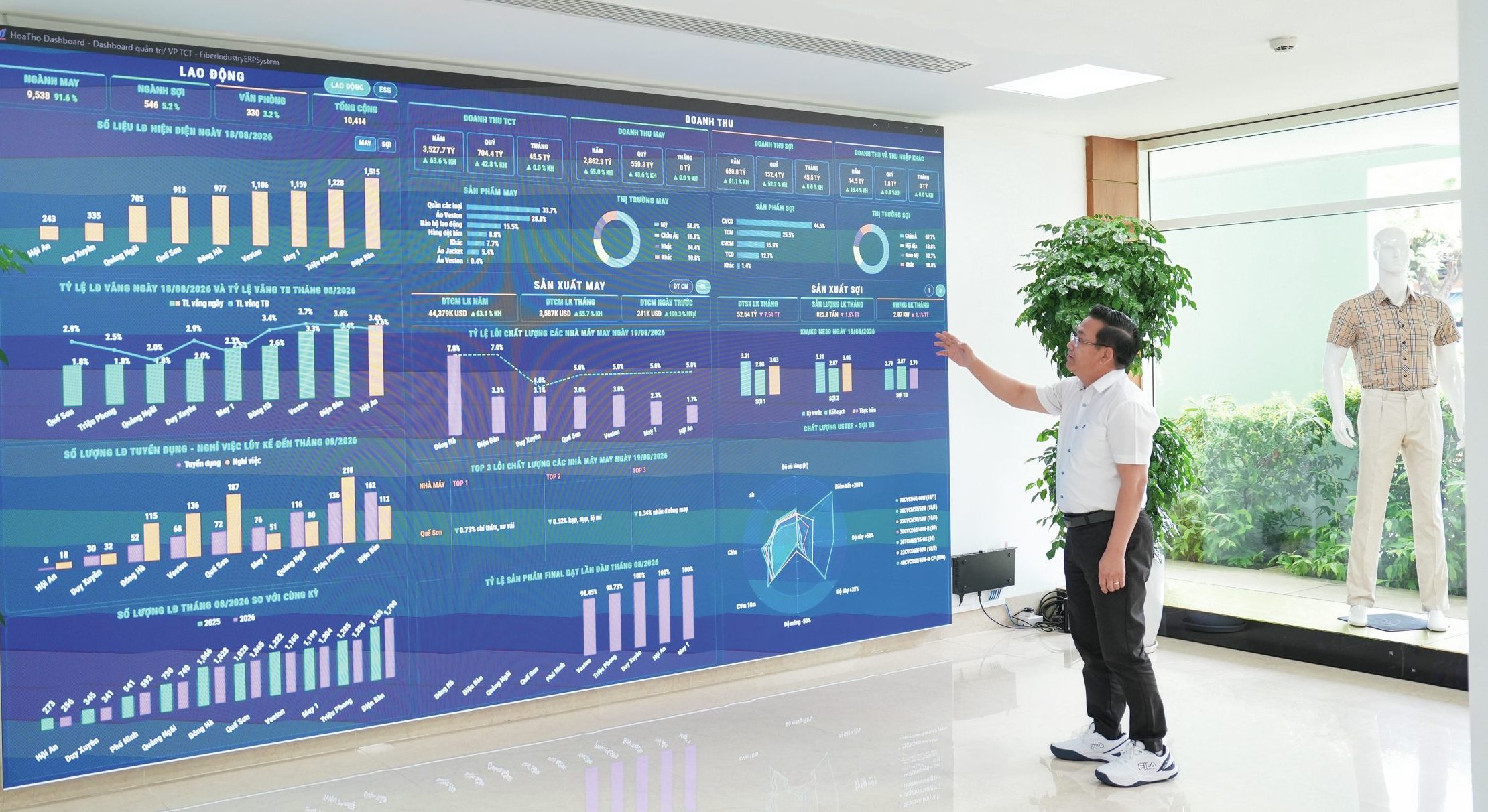
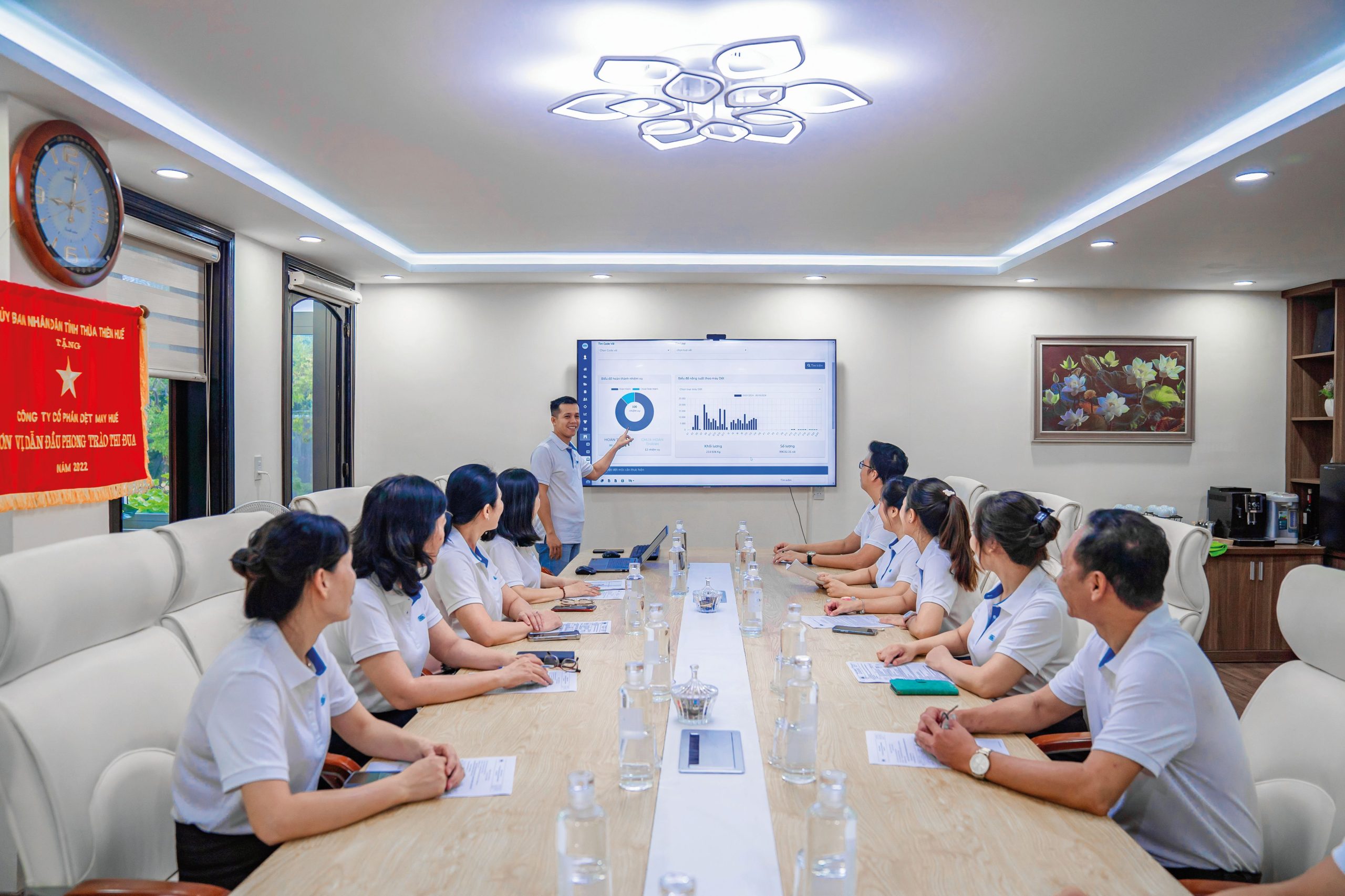
Building on this management philosophy, Hue Textile and Garment has moved away from fragmented investments in individual areas and adopted an integrated approach to developing a “digital ecosystem” across the entire value chain. The most prominent feature of this strategy is the comprehensive deployment of an enterprise resource planning (ERP) system across all business lines. The flow of data from the receipt of raw materials, production planning, scheduling to quality control, and inventory management to the completion of export procedures — is now seamlessly connected. Today, with just a few clicks, the company’s management can gain a real-time overview of thousands of employees and hundreds of production lines in operation. Fluctuations in productivity and technical incidents arising at any stage are immediately flagged by the system, enabling management to shift from “addressing problems based on end-of-day reports” to “proactively intervening and optimizing operations as they happen.”
Finding the “right solution” for a “real-world challenge”
The more deeply we observe reality on the ground, the more we realize that digital transformation in Hue Textile and Garment is not just a theory. It is a genuinely “hands-on” process, driven by the day-to-day challenges and concerns of both workers and managers.
Ms. Tran Thi Thuan explained to us how Hue Textile and Garment identifies the “problems” it needs to solve. Rather than chasing trends, the company always starts with two questions: “What real bottleneck will this technology address? Will it make workers’ jobs easier or improve the efficiency of the management system?”
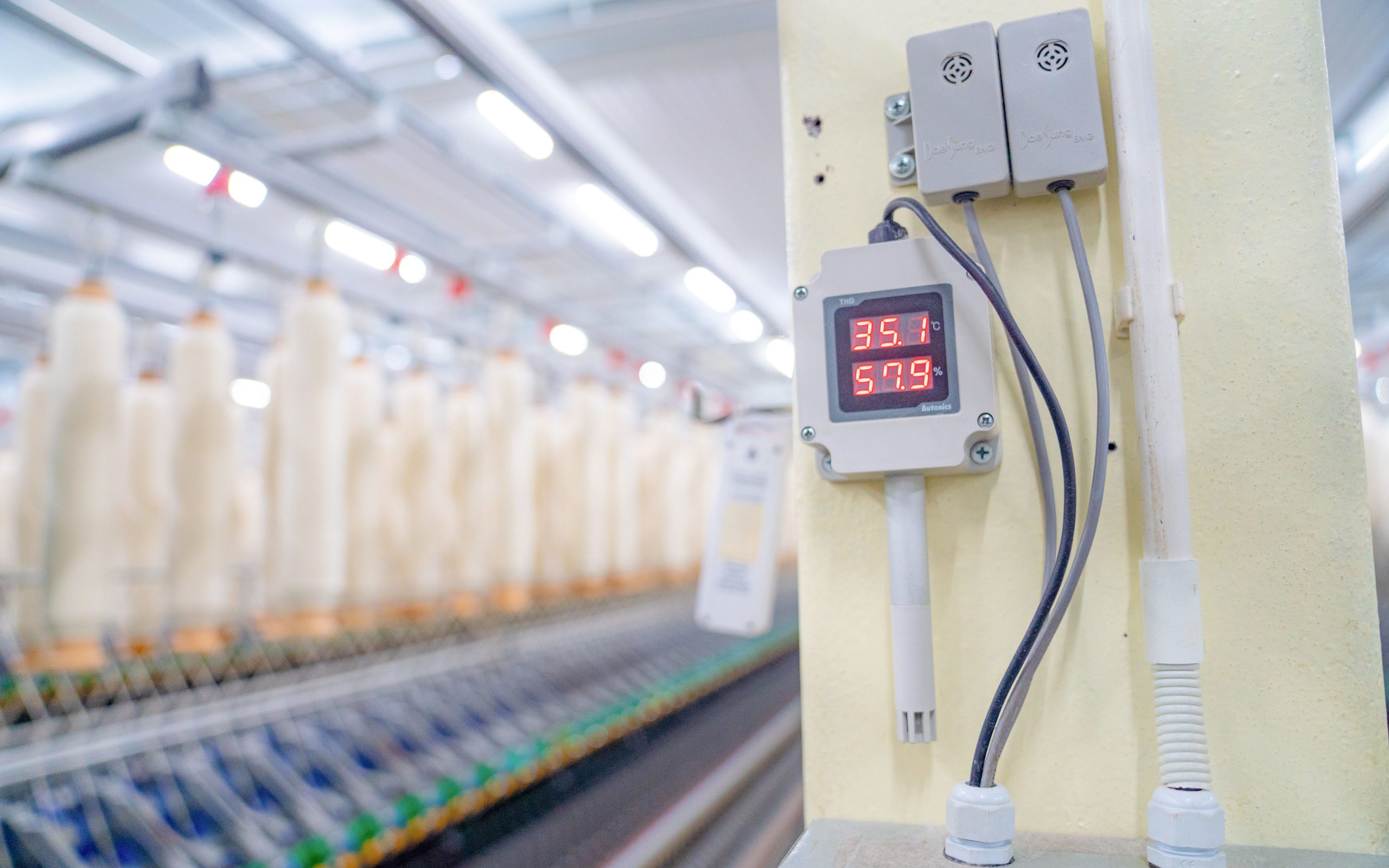
This practical approach has shaped the direction of every digitalization project. For example, when electricity costs — one of the largest components of production costs in the spinning sector — surged unexpectedly, Hue Textile and Garment did not choose manual cost-cutting measures. Instead, it immediately mobilized resources to digitalize and develop a smart energy management and control system. When quality management standards in the U.S. and European export markets demanded complete transparency, the company promptly focused its resources on digitalizing the entire quality management process.
To ensure that every dollar invested delivers a commensurate return and to avoid the trap of wasteful spending, the company has established a strict set of criteria for selecting technology solutions:
- Practicality and compatibility: Any new technology solution must be capable of integrating and “communicating” with the existing infrastructure (such as the ERP system and the current Bravo management software). This helps avoid costly “tear-down-and-rebuild” approaches that would waste existing assets and investments.
- Measurable results: Every technology solution adopted must be tied to specific KPI targets. It must demonstrate how much it can reduce the defect rate, increase labor productivity, or lower logistics costs.
- Flexible scalability: The company prioritizes solutions that can first be piloted on a small scale, such as within a production team or workshop. The company will rapidly scale it across the entire system only when the model demonstrates clear effectiveness in practice.
However, the core secret behind the success of Hue Textile and Garment’s digital transformation does not lie in machines or algorithms, but in people. Reflecting on this factor, Ms. Tran Thi Thuan summed it up with a progressive and deeply human perspective: “The decisive factor for success is a digital transformation culture that starts from within the company. We place a strong emphasis on training and building the capabilities of our employees and workers so that they become masters and users of technology, rather than fearing that technology will replace them.”
The reality on the production lines has borne this out. Once workers recognize that software and automated equipment can reduce physically demanding manual tasks and eliminate bulky paperwork and administrative procedures, they become more receptive to technology and embrace it with enthusiasm. From passively following established processes, workers have become active contributors, providing direct feedback to improve and refine management software.
At the same time, Hue Textile and Garment has adopted a highly disciplined “rolling roadmap”. Rather than rushing to deploy everything simultaneously within a short period simply to meet targets, the company focuses on completing each module and standardizing each process in turn — from human resources management and production scheduling to supply chain management. Each step delivers and consolidates tangible added value, creating a solid foundation and a lever for the next stage.
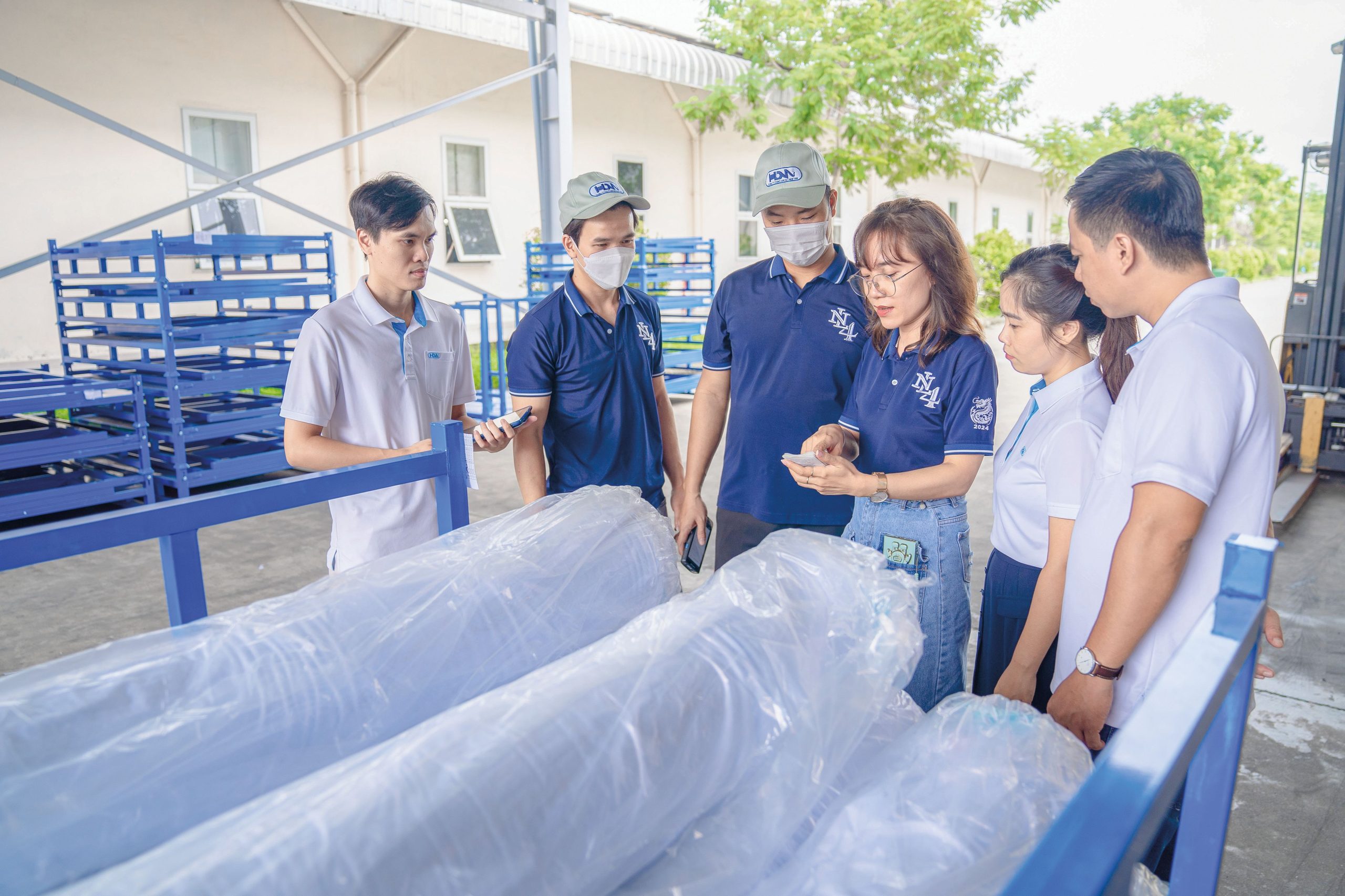
A Qualitative Transformation
The integrated implementation of digital transformation at Hue Textile and Garment is driving fundamental changes at every level of the operation:
- Order management and planning: The digital system automatically calculates and balances production capacity across member factories to allocate orders optimally. As a result, order fulfillment times have been significantly shortened, eliminating situations where some production lines are overloaded while others remain idle.
- Production scheduling and productivity management: The performance of each team, production line, and individual process is continuously monitored. Any bottlenecks affecting production schedules are immediately identified, enabling technical staff to provide timely support to workers and keep the production flow running smoothly.
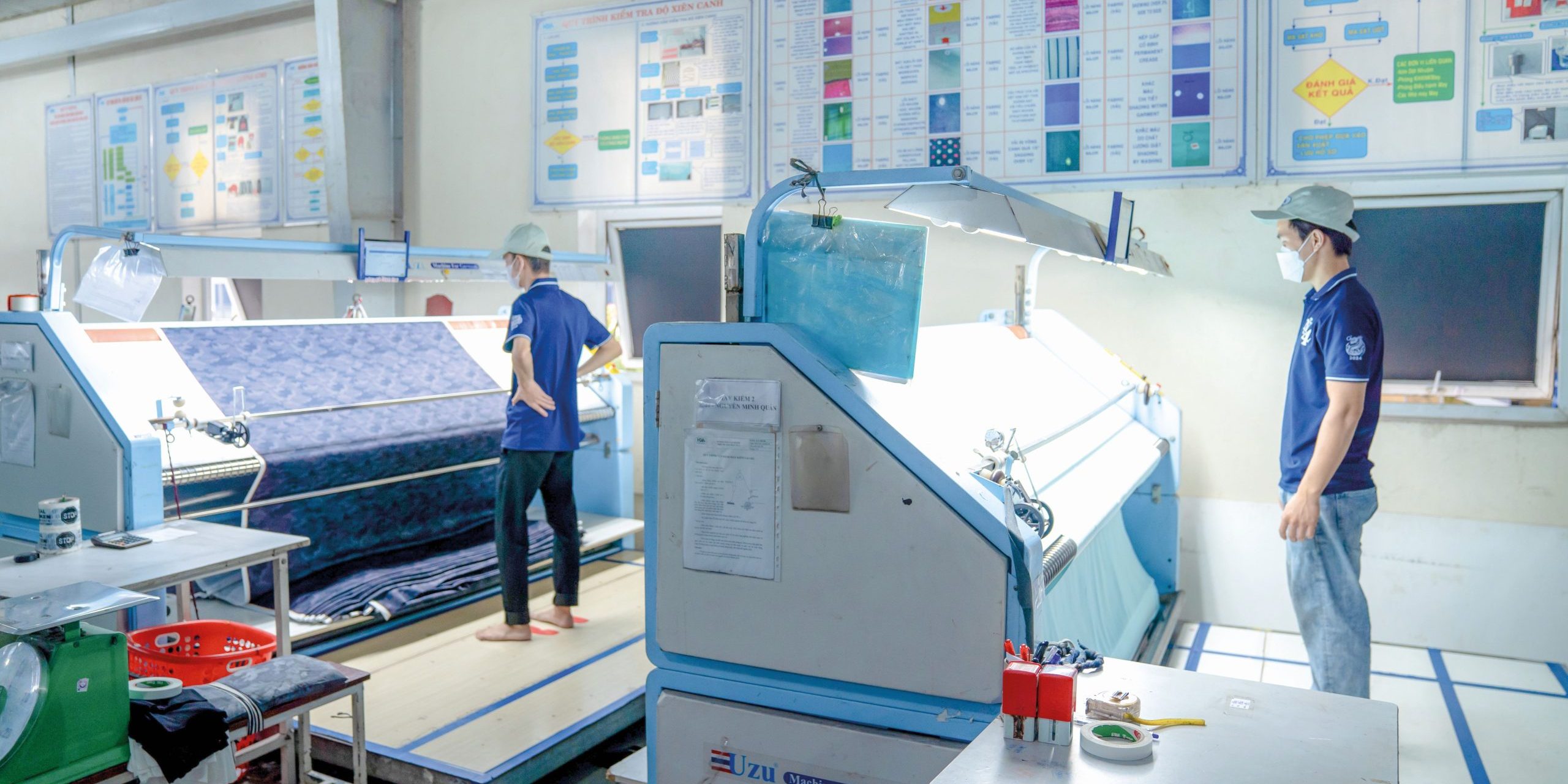
- Total Quality Management (TQM): Processes are comprehensively digitalized, from sample management and technical specifications to finished-product quality inspections and final settlement. Quality data is systematically stored, enabling precise traceability down to every stitch. This serves as a “passport of credibility” that helps Hue Textile and Garment win over the most demanding international partners.
- Inventory management and market forecasting: Digital data enables the company to precisely track every centimeter of fabric, every kilogram of yarn, and even the smallest categories of accessories and trims. Transparent inventory management improves working-capital turnover while providing an accurate historical data foundation for forecasting market demand.
Assessing how success should be measured, Ms. Tran Thi Thuan emphasized: “The ultimate goal of integrated investment is to generate production and business efficiency that can be measured directly. We measure success through four core indicators: the reduction in operating costs; the speed of shortening production cycles; the ability to optimize cash flow by reducing the cash conversion cycle (CCC); and a high degree of accuracy in planning and resource allocation. These are the levers enabling Hue Textile and Garment to transform from a traditional production model into a “smart factory” model, ready to meet the most demanding requirements of global supply chains.”
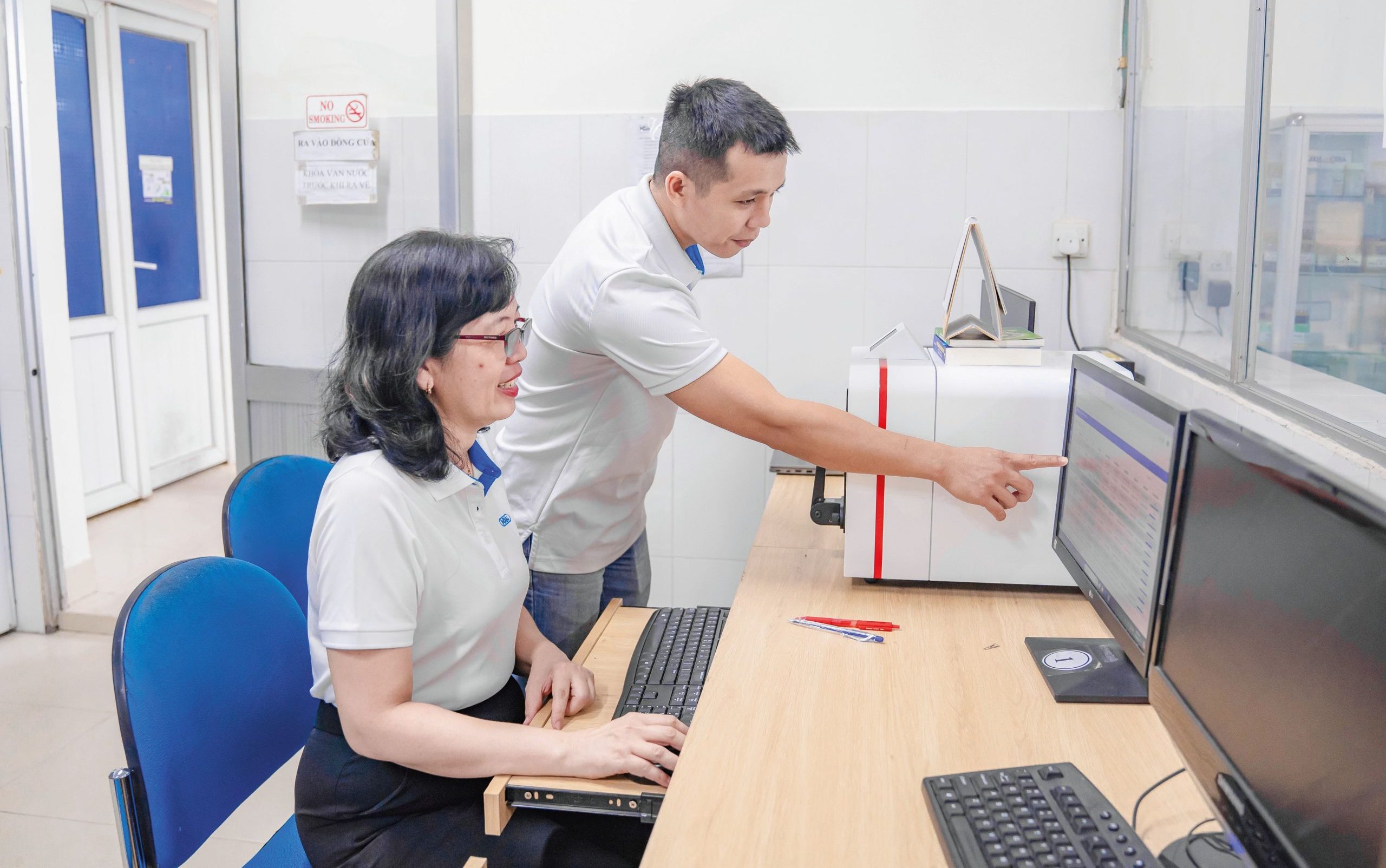
When Digital Transformation Becomes Part of the Workforce
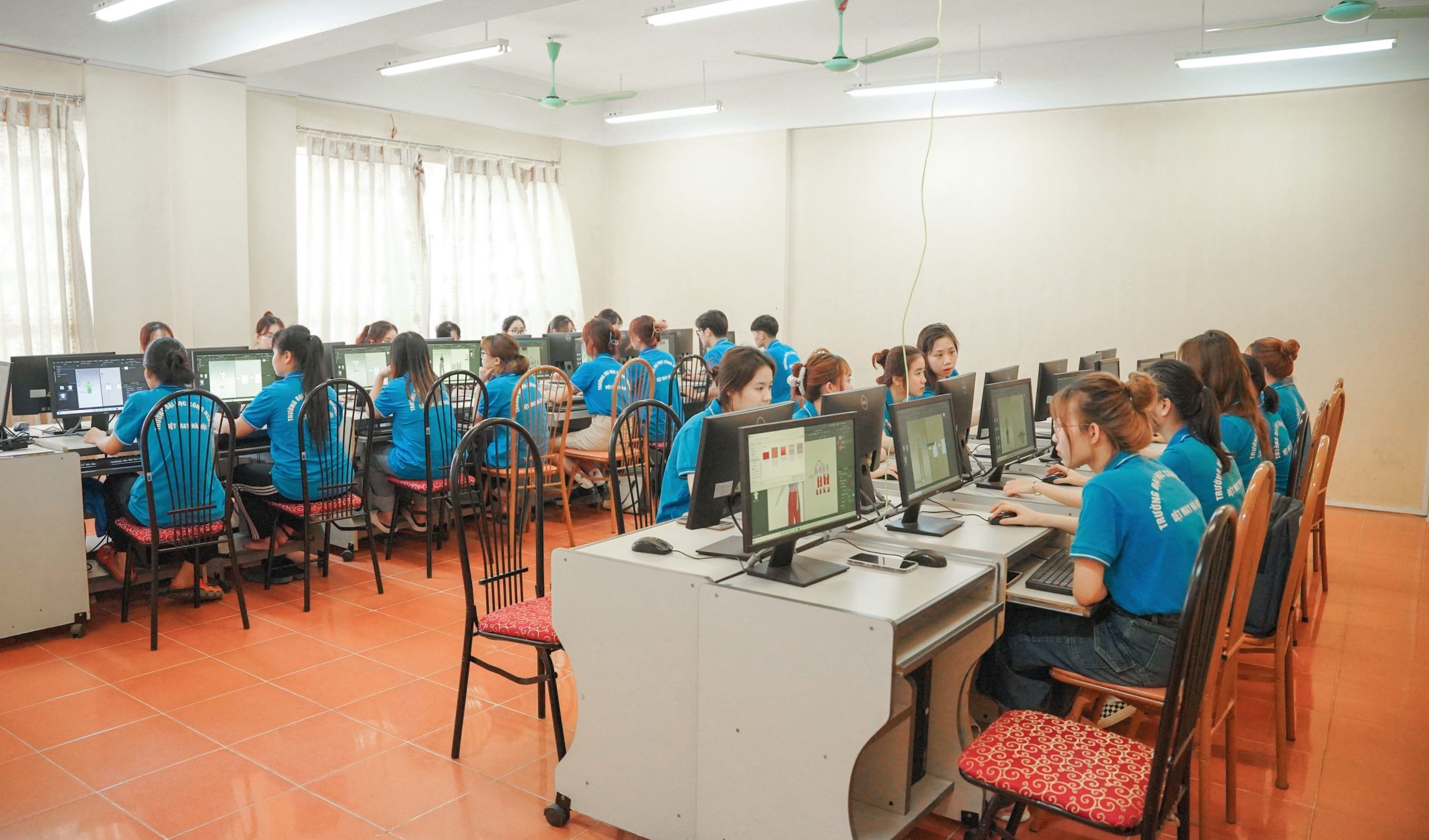
One of the distinctive features that sets Hue Textile and Garment apart is the seamless integration of digital transformation with employee innovation and technical improvement initiatives across the entire workforce. Here, digital transformation is not merely the responsibility of the IT department or senior management; it has become a broad-based movement in which every worker can become a “digital engineer” or an “innovator”.
Many solutions and software applications independently researched and developed by Hue Textile and Garment’s own engineers and staff have made a strong impression, winning numerous top awards at the Creative Labor Day organized by the Vietnam National Textile and Garment Group (Vinatex) and the Vietnam Textile and Garment Trade Union. These include the Cutting Process Management Software, Production Line Design Software, Garment Line Map Development and Management Software, Textile and Dyeing Production Management Software, Spinning Production Management Software, and Human Resources Management Software. They are the product of practical efforts to address challenges and solve problems arising directly on the factory floor.
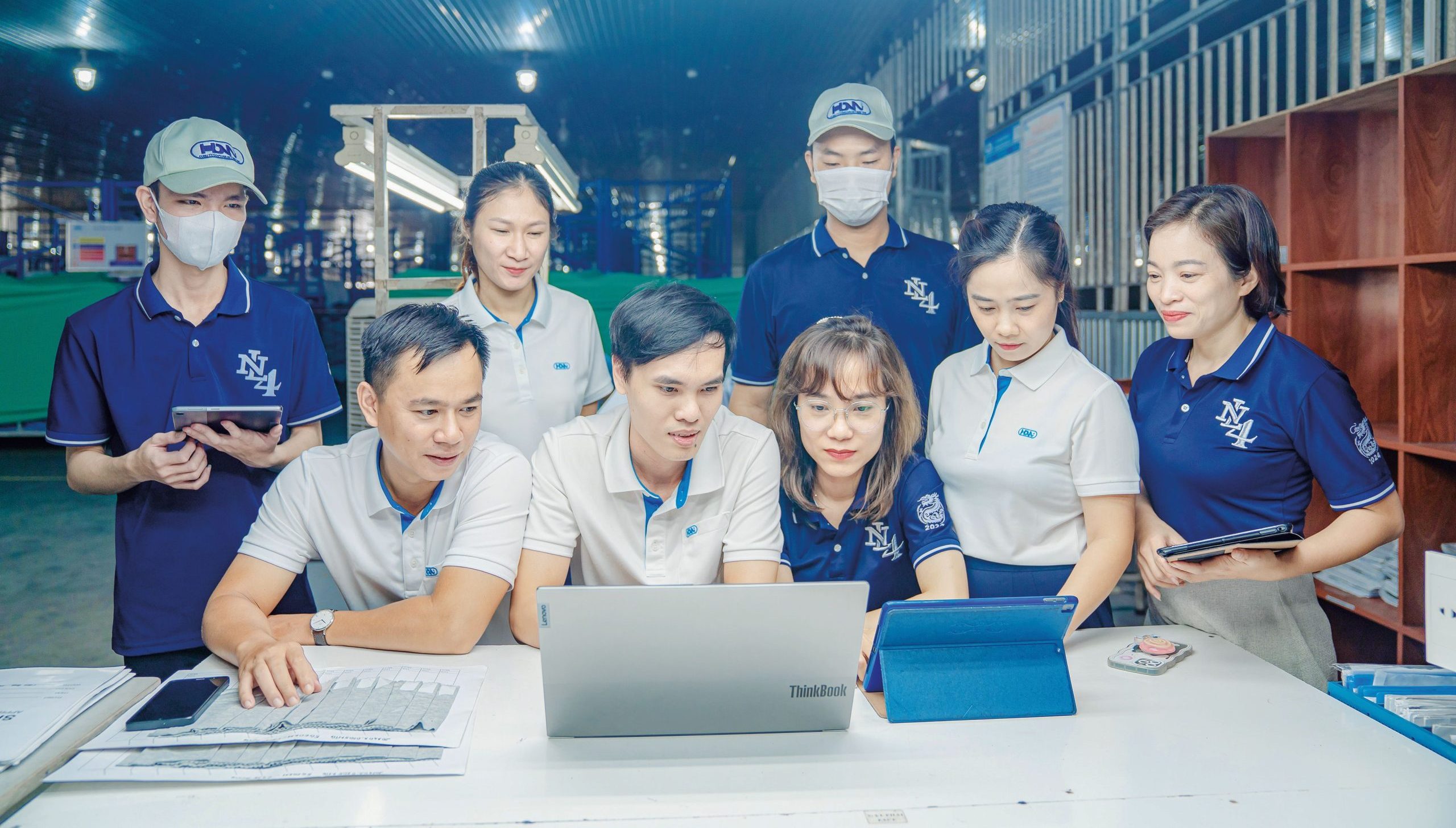
In particular, 2025 marked a breakthrough in the company’s approach to innovation and continuous improvement. There was a major shift from small-scale, individual improvements to systematic initiatives with measurable outcomes and a strong alignment with the company’s overall production and business objectives. In 2025 alone, 135 initiatives were put into practice, making tangible contributions to productivity gains, quality improvements, cost reductions, and enhanced occupational safety. The Garment Division led the innovation drive, implementing 113 initiatives. These focused on equipment improvements, optimizing work processes, developing improved jigs and templates, and upgrading management systems. The results were impressive: Numerous production processes were streamlined, consolidated, or had non-value-adding steps eliminated entirely, increasing productivity by 20% to 60%, with productivity in some more challenging processes rising by 1.5 to 2 times. The initiatives also significantly reduced reliance on individual workers’ skill levels, helping stabilize product quality and minimize defect rates. At the same time, standardized work methods became easier to implement, enabling new product styles to be rolled out quickly and efficiently across multiple production lines.
In the Spinning Division, 18 implemented initiatives have helped thoroughly address common technical issues in the spinning industry, such as Neps, thick and thin places or yarn overflow. As a result, productivity at key stages has improved significantly, with productivity in the combing process, for example, increasing by approximately 10%. Greater automation and improvements to equipment fixtures and setups have not only reduced labor costs but also improved the working environment in line with 5S standards.
In the Weaving and Dyeing Division, 03 initiatives targeted critical areas of dyeing and finishing technology. These improvements successfully addressed fabric-edge defects, stabilized compressed-air system pressure, and enhanced operational safety for high-pressure dyeing machines. In particular, the proactive approach of modifying and repurposing existing materials and components saved hundreds of millions of VND in new procurement costs, while ensuring stable and continuous production-line operations.
In the Office Division, one of the most notable achievements was the close collaboration between the Human Resources Department and the IT Department to develop and refine a centralized human resources management system. The system has fully digitalized employee data, simplified complex administrative procedures, and significantly reduced document-processing time. More importantly, it has created a transparent HR database, laying the foundation for an online reporting system (Dashboard) that provides strong support to the Executive Office in making strategic human resources management decisions.
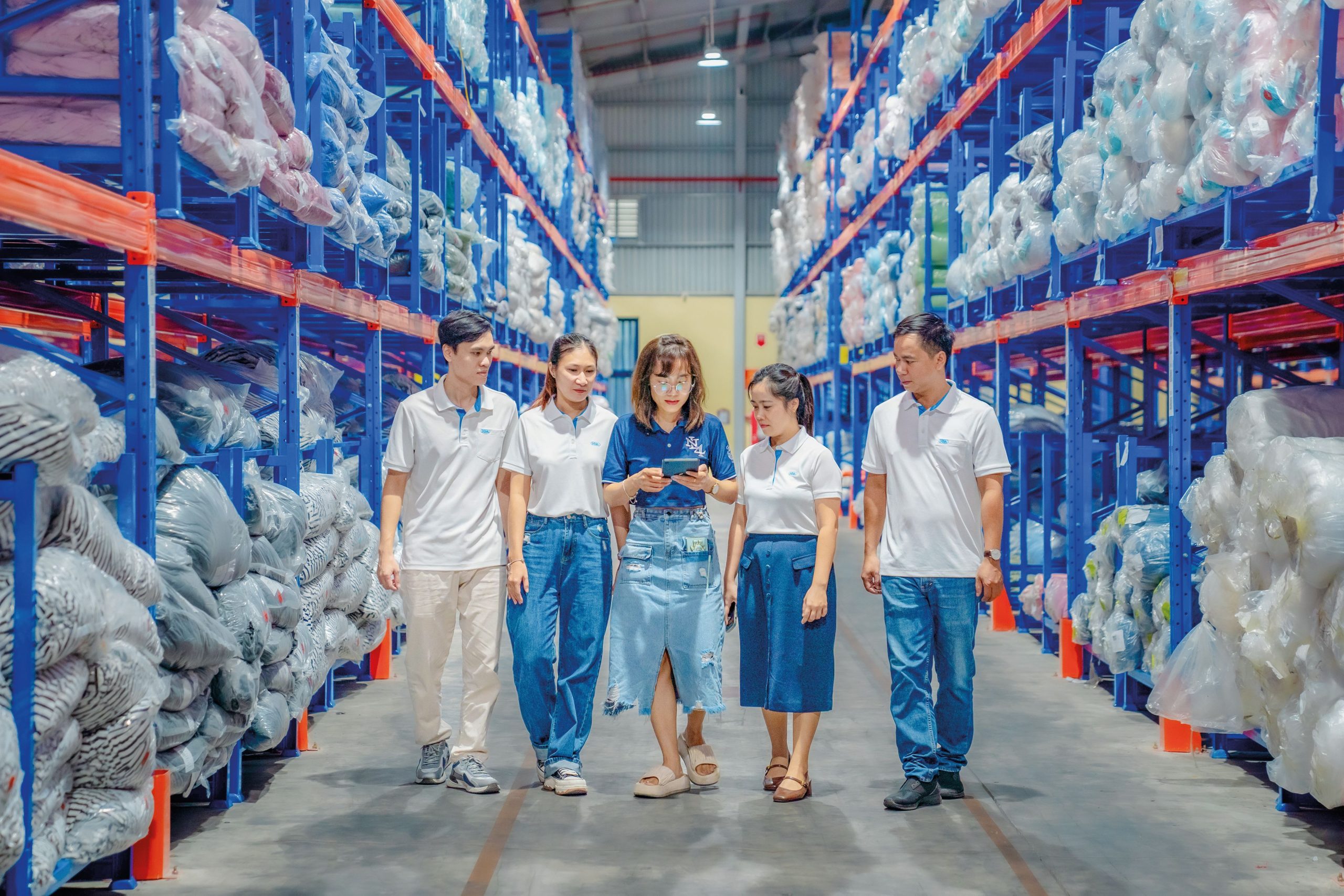
Elevating and scaling the value of standardization and automation
Speaking with us about the company’s future vision, Ms. Tran Thi Thuan said that in 2026, Hue Textile and Garment has set out specific strategic directions to take its digital transformation model and innovation movement to a new level.
The first priority is to standardize and scale up effective innovations. The company will establish an “Innovation Bank”, systematically categorized by field, production process, and equipment type. Innovations that have demonstrated their effectiveness through measurable results will be developed into standardized procedures and detailed technical guidelines, with priority given to scaling them across all member factories. This will help avoid fragmented implementation and the need to “start from scratch.”
The second direction is to closely integrate innovation and improvement initiatives with modern technologies and equipment. Hue Textile and Garment will further accelerate the adoption of automation, specialized equipment, management software, and smart technologies in production. Alongside new investments, the company will continue to encourage improvements based on existing equipment and make maximum use of available materials, thereby optimizing investment costs while enhancing the technical team’s ability to develop solutions independently.
The third strategic direction is to accelerate comprehensive digital transformation across the Office Division. Building on the success of its human resources management software, the company will continue expanding digitalization into other areas of internal management, including accounting, materials management, logistics, and document administration. The aim is to enhance the effective use of Big Data, enabling faster, more accurate, and more professional management.
Finally, the company will strengthen its mechanisms for evaluating and recognizing innovations. Improvement initiatives will be assessed objectively based on their actual economic impact, scalability, and contribution to the company’s overall development. Reward mechanisms will be implemented promptly and appropriately to further fuel the passion for innovation and turn the spirit of continuous improvement into a distinctive part of Hue Textile and Garment’s workplace culture.
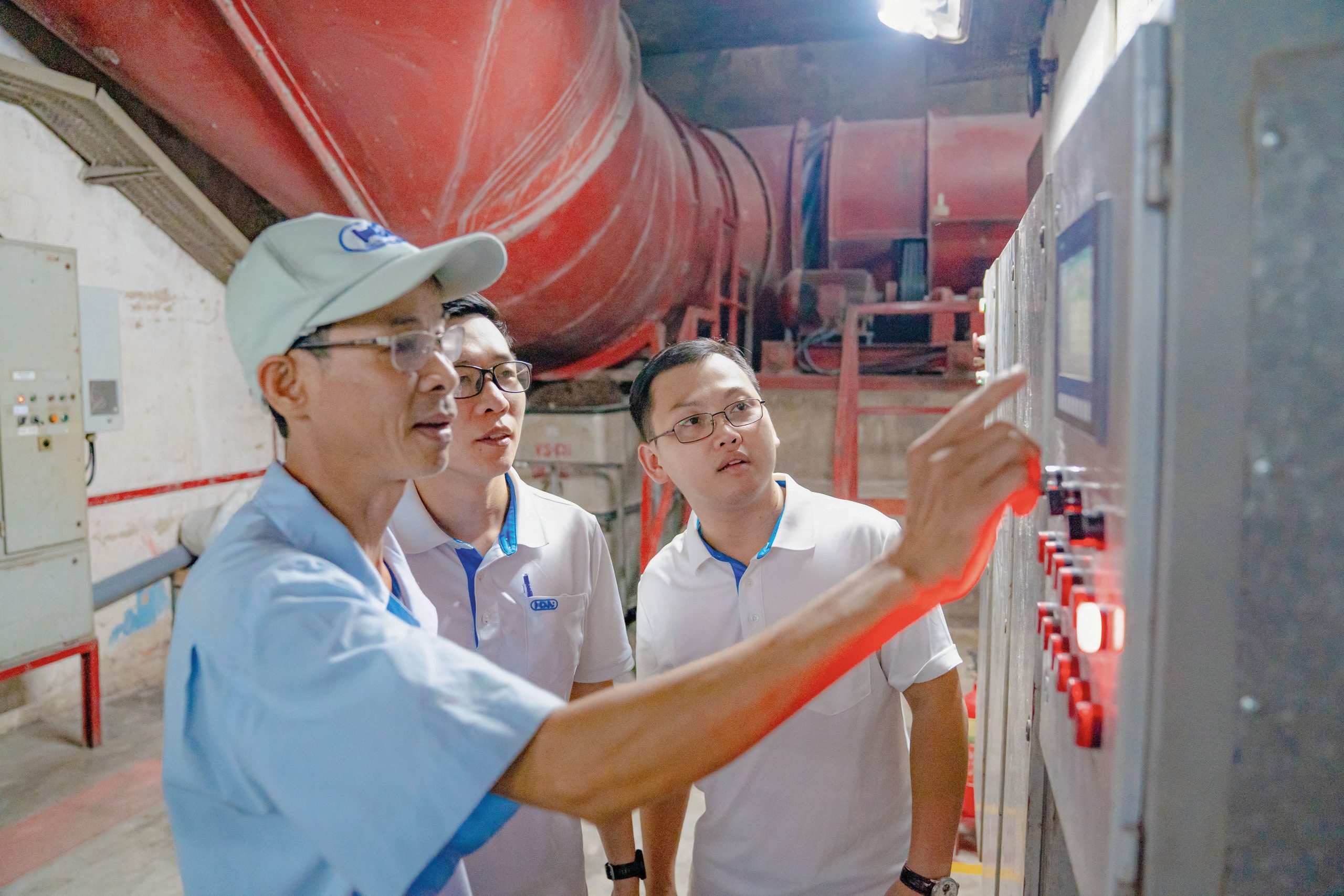
As we left Hue Textile and Garment, with workers completing the final stages of the day’s production, we realized that digital transformation here is not a distant slogan, but a story of people who work hands-on, using technology to solve real-world challenges. With an integrated operating system and a workforce committed to continuous innovation, Hue Textile and Garment is firmly establishing itself as an exemplary model of digital transformation within the Vietnam National Textile and Garment Group. The company is not only confident in weathering the challenges of global markets but also in creating new value and opening up a path toward breakthrough and sustainable growth in the future.