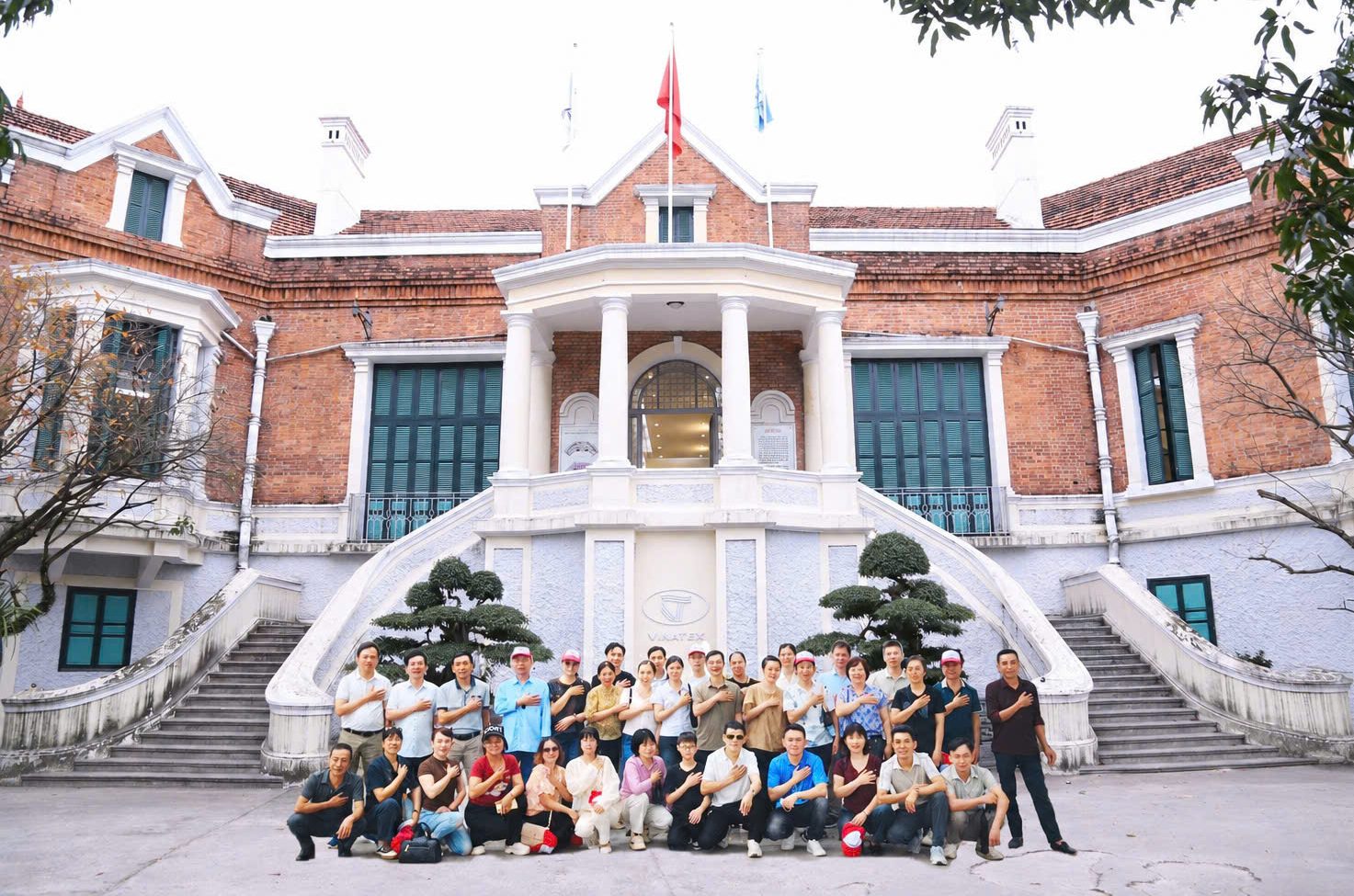

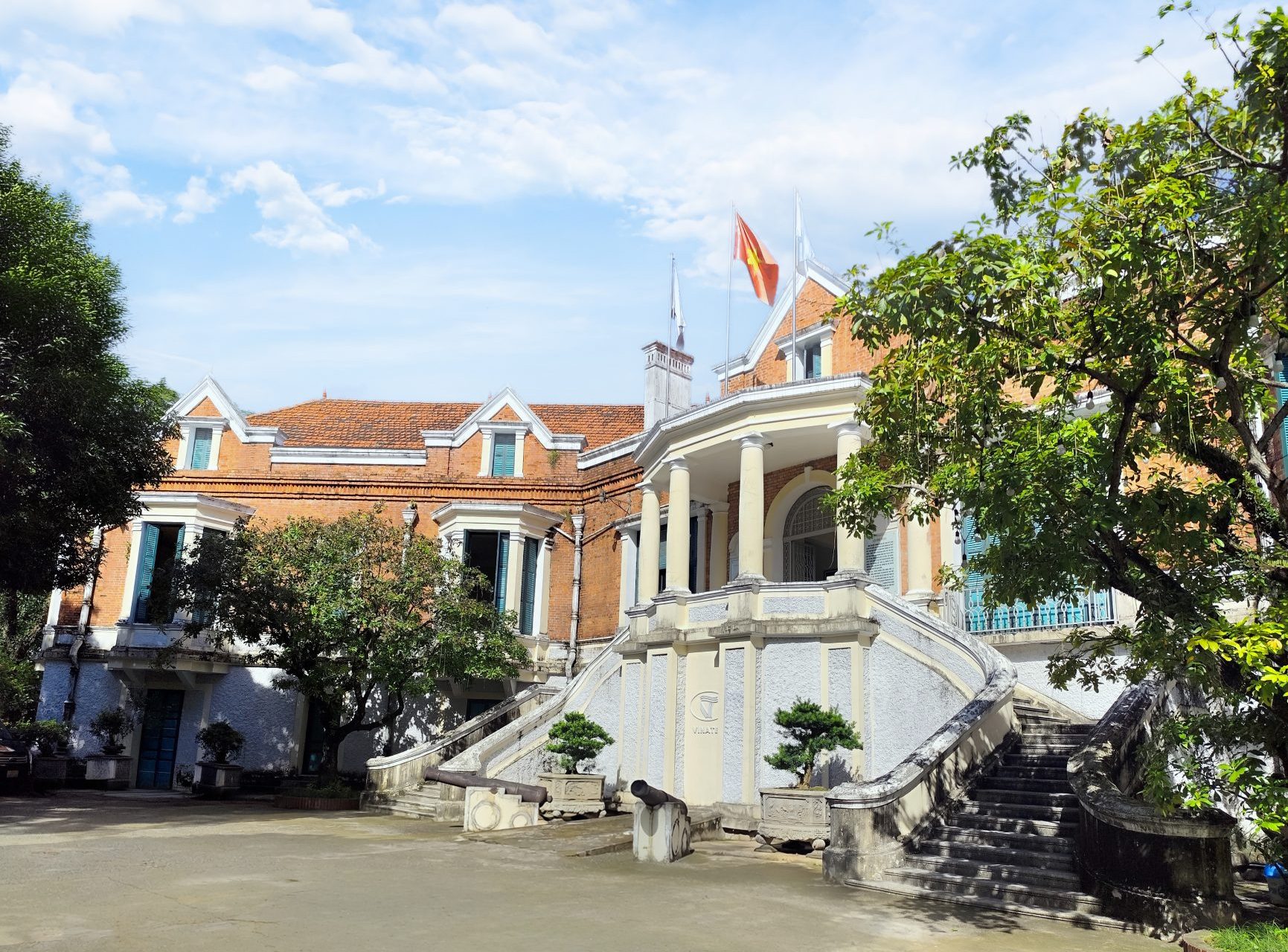
There is a place where time seems to stand still in the rhythmic sound of weaving shuttle echoing through memory, where rusted machines find their voice and faded pieces of fabric tell stories of generations past. The Traditional House of Vietnam’s Textile and Garment Industry is more than a repository of artifacts covered in the dust of time. It is a sacred space preserving the industrial heritage of an entire nation, spanning more than a century. Amid the relentless pace of the digital age, preserving and promoting the value of this place is a deeply moving call to reconnect the past with the future.
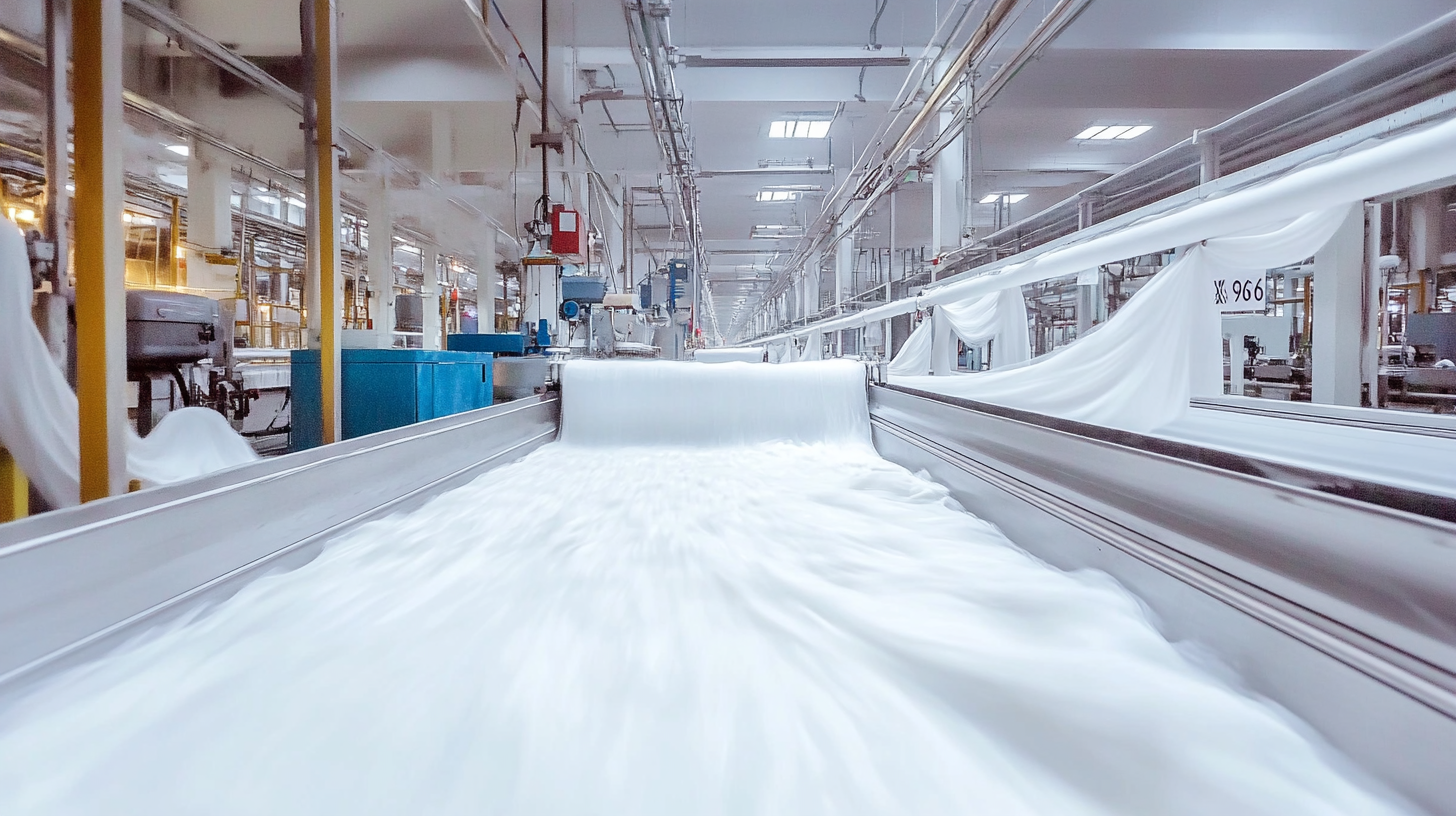
The textile and garment industry was one of the earliest foundations of Vietnam’s industrial development, closely intertwined with the country’s history and its transformations. From traditional craft villages such as Van Phuc silk village (Ha Dong), Nam Cao ramie fabric village (Thai Binh), Ma Chau silk village (Quang Nam) and Lanh My A silk village (An Giang), to the establishment of industrial factories in the late 19th century, the industry has undergone a transformation from handicraft production to mechanization. This journey also witnessed the formation and development of the textile and garment workforce, whose contributions to production and revolutionary movements have been significant.
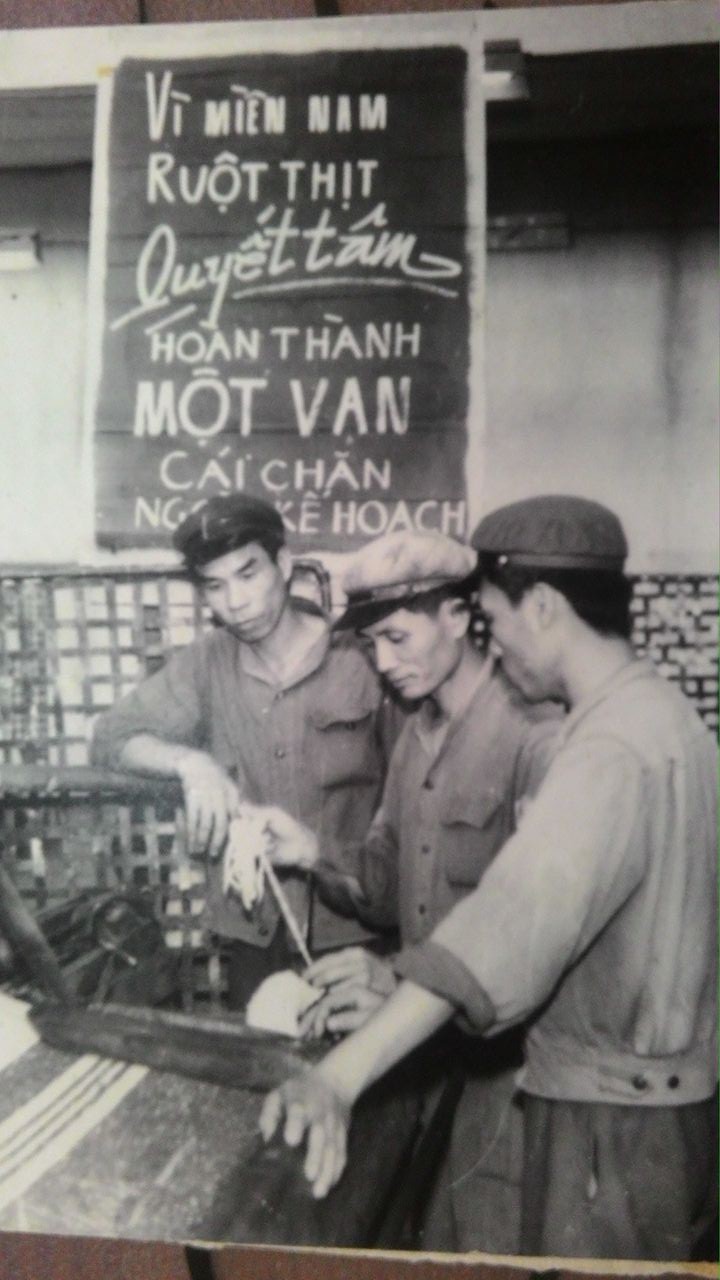
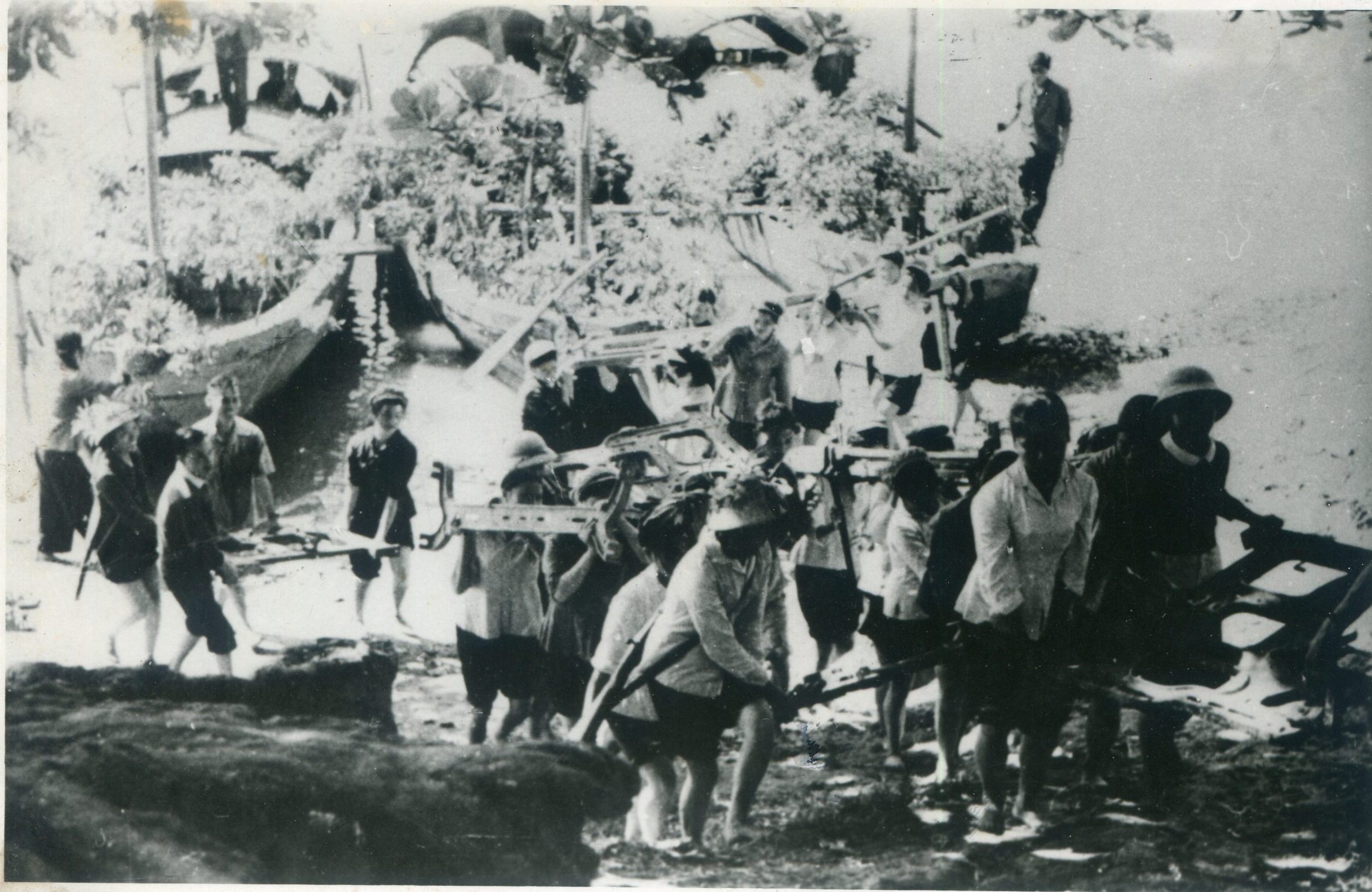
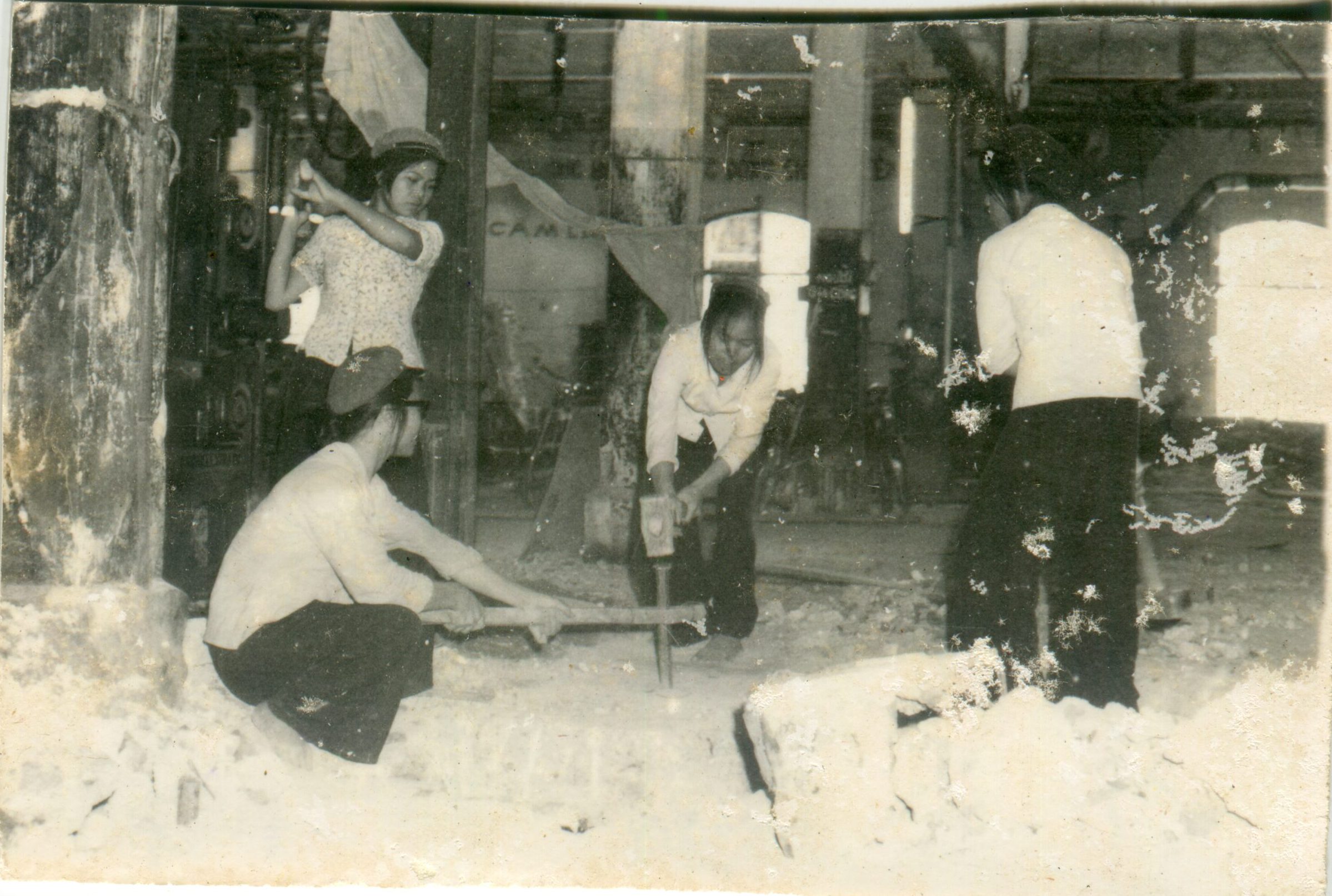
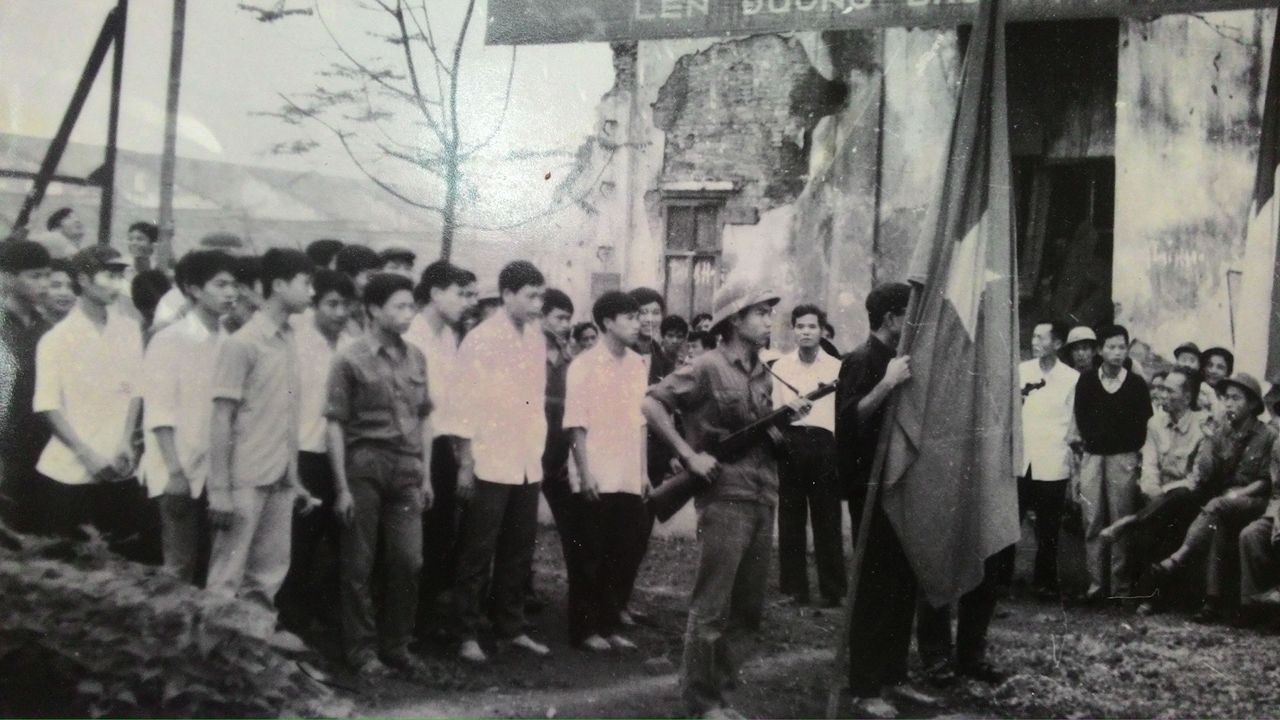
During the war years, textile factories became production strongholds, where workers remained steadfast at their machines and on the factory floor, keeping production running and supplying clothing to soldiers and civilians. Memorabilia associated with President Ho Chi Minh’s visits to Nam Dinh Textile Factory, Eight March Textile Factory and Dong Xuan Knitting Factory also reflect the attention and support that the Party and the State devoted to this vital national industry. Entering the “Doi Moi” period, Vietnam’s Textile and Garment industry continued to transform, moving beyond production for domestic consumption to become one of the country’s leading export industries, bringing Made in Vietnam products to markets around the world.
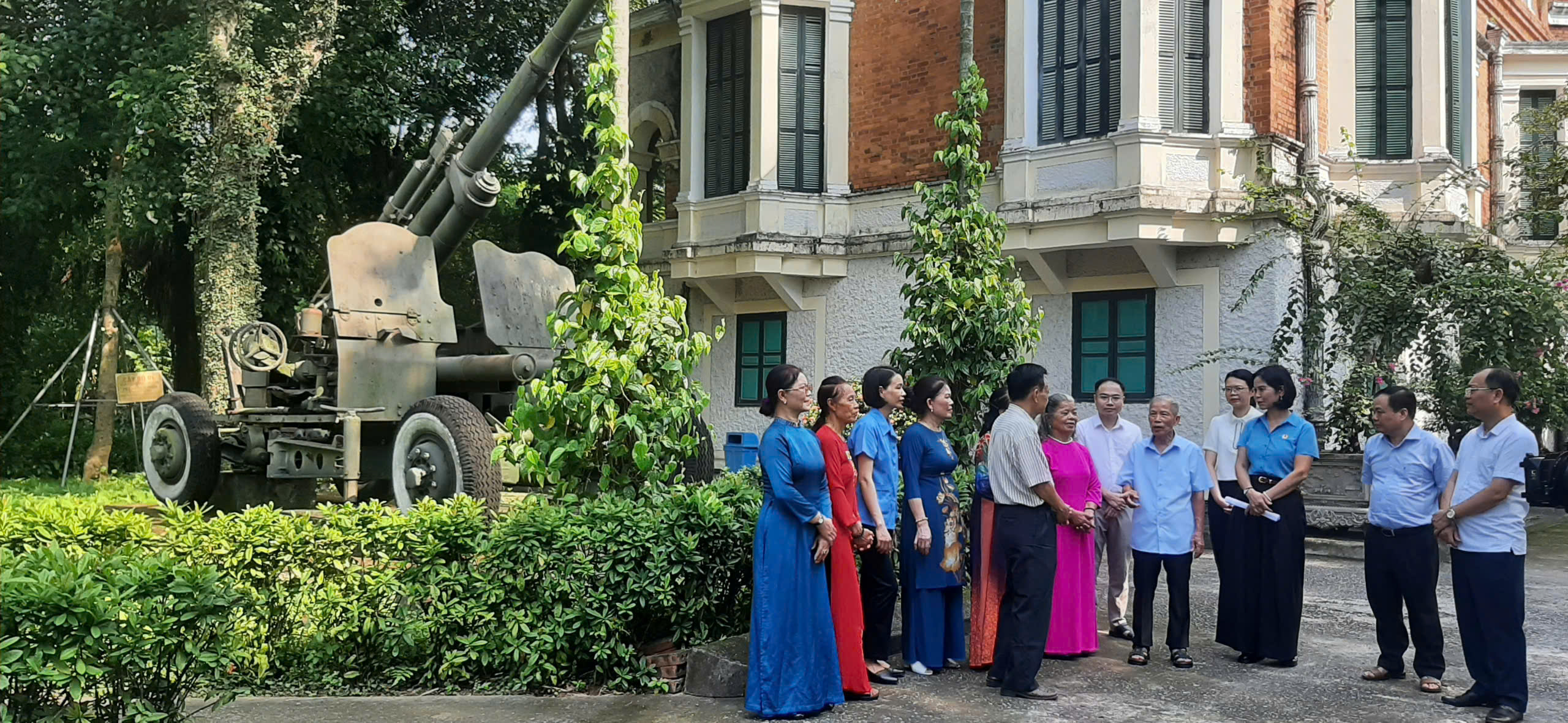
Beyond preserving machinery, tools and production artifacts, the Traditional House also brings to life the stories of people and the working culture of generations of textile and garment workers. Every loom, weaving shuttle and workwear carries memories of years of hard work, diligence, creativity and perseverance in the face of adversity. This space therefore holds special significance not only for those who have worked in the industry and generations of workers’ families, but also for international visitors, helping promote the historical and cultural values of Vietnam’s Textile and Garment industry.
 |
 |
As urbanization progresses, relocating old factories out of inner-city areas has become an inevitable trend to address environmental concerns and meet the requirements of modern production. However, the disappearance of factory buildings, industrial architecture and familiar sounds such as the end-of-shift whistle also brings the risk of erasing the memories of generations. Against this backdrop, the establishment of the Traditional House of Vietnam’s Textile and Garment Industry, under the direction of the Vietnam National Textile and Garment Group (Vinatex), represents an important effort to preserve industrial heritage, safeguarding historical values and collective memories.
The Traditional House is not only a place to pay tribute to earlier generations but also a bridge connecting the past and the future. Preserving and promoting the industrial heritage of the textile and garment industry means safeguarding its identity and spiritual foundations, while inspiring today’s generations to carry forward its legacy, enabling Vietnam’s textile and garment industry to reach further on the global stage.