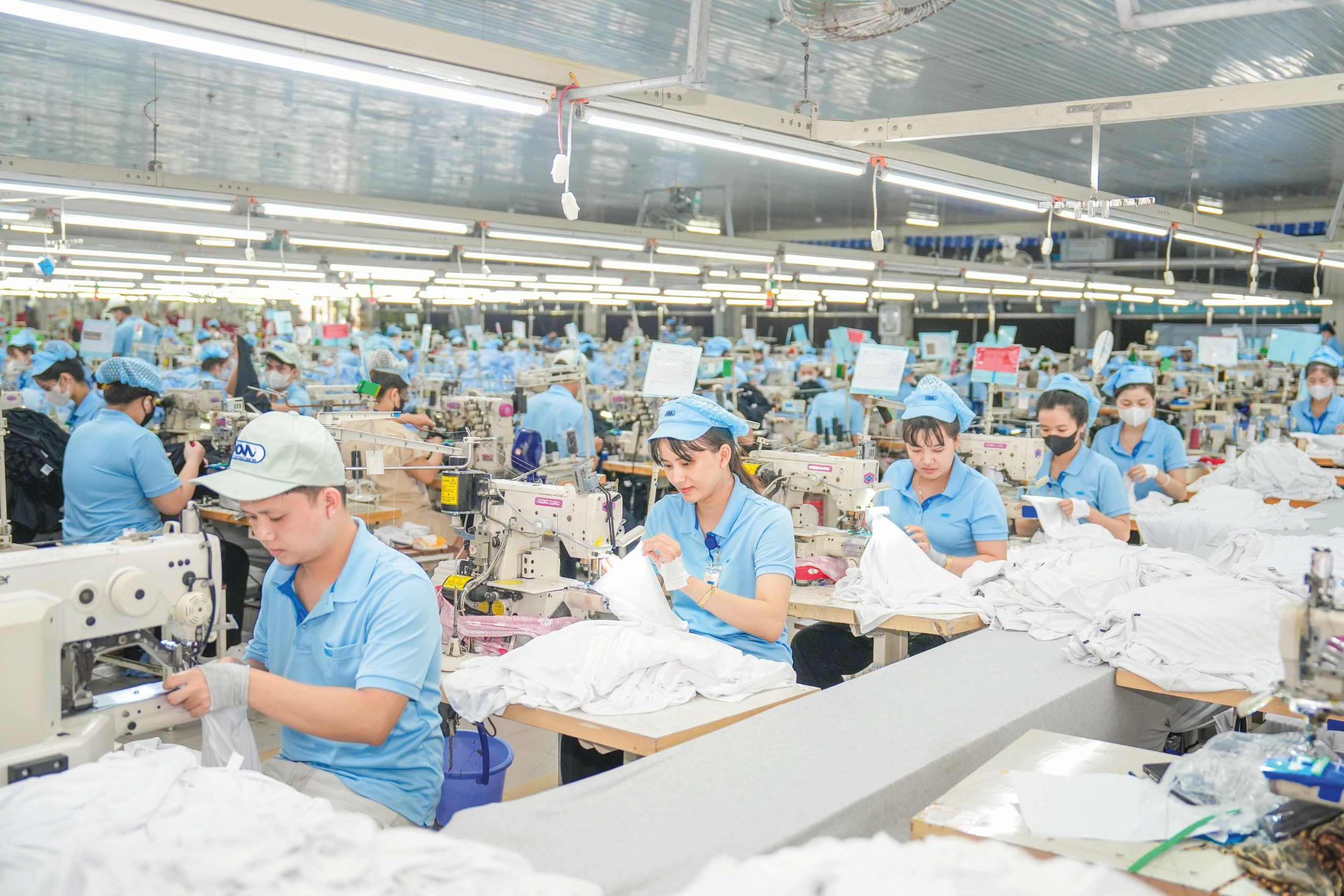

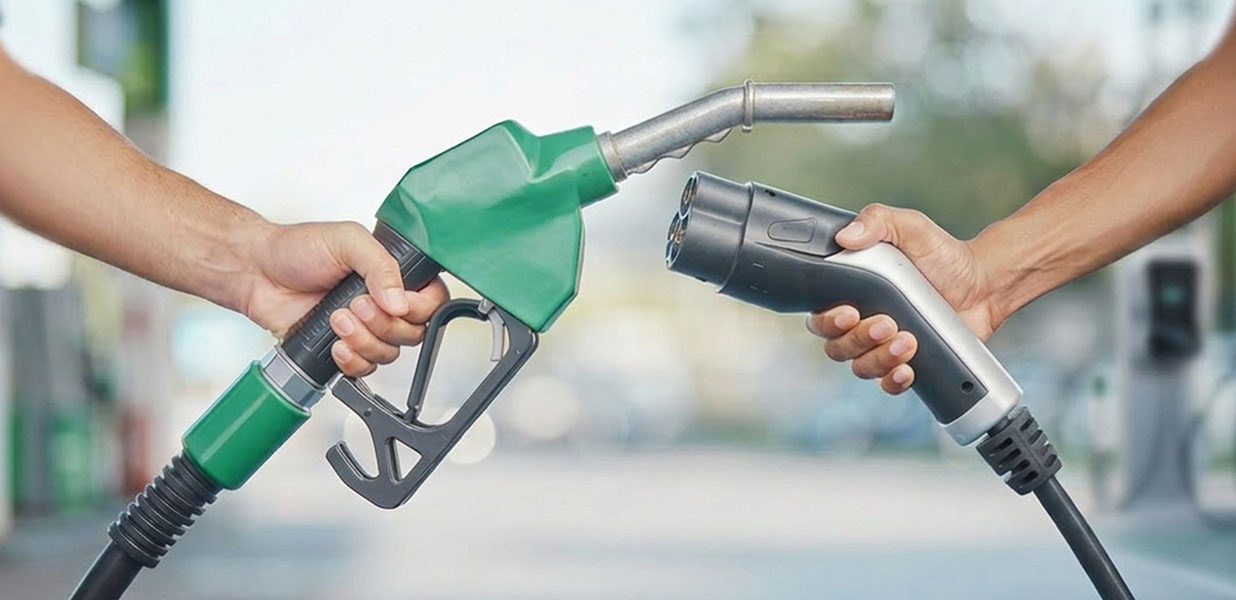
Effective November 1, 2026, the Government introduced a policy package setting the special consumption tax on gasoline to 0% and cutting the average retail electricity price by 2% to VND 2,159.9 per kWh, excluding VAT. The measures will remain in effect through March 31, 2027. These timely measures aim to ease inflationary pressures, lower input costs and support businesses amid global economic and geopolitical uncertainties. For the textile and garment industry, they are expected to reduce energy and transportation costs and help maintain competitiveness, while also underscoring the need for long-term adaptation strategies.
A double boost to ease Business cost pressures
According to Dr. Tran Van, former Deputy Chairman of the National Assembly’s Economic and Financial Committee, these measures provide a dual boost to businesses bydirectly benefits businesses by reducing electricity, fuel and logistics costs. Lower input costs not only help enterprises save on operating expenses, improve profit margins and reduce production costs, but also contribute to curbing inflation, stabilizing purchasing power and supporting aggregate demand.
A lifeline for easing input cost pressures
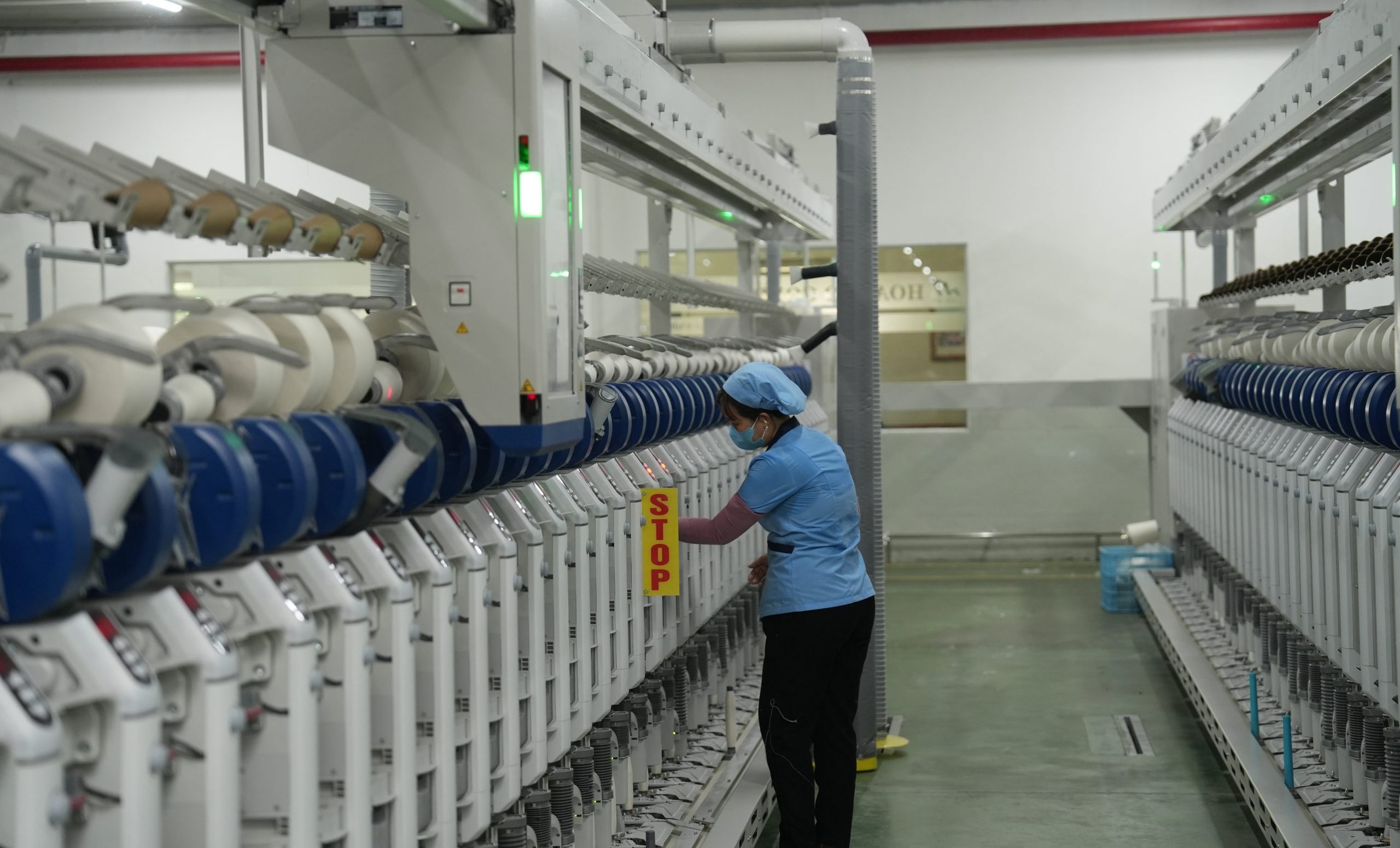
At Hoa Tho Textile and Garment Corporation – JSC, the 2% reduction in electricity prices is expected to deliver tangible benefits to production, particularly in the Spinning sector. As for petroleum products, a reduction of approximately VND 1,500 per liter, equivalent to 5% from the peak price level, is expected to help lower transportation costs. However, the impact will not be immediate, as transportation contracts only allow freight rates to be adjusted when oil prices fluctuate by more than 10%. If the downward trend continues and reaches this adjustment threshold, Hoa Tho could save approximately 2% of its monthly transportation costs, equivalent to VND 60 million.
At Eight March Textile Company Limited (Emtexco), average monthly electricity expenses in 2026 stood at approximately VND 3.5 billion, rising to VND 3.8 billion during peak summer months. The 2% electricity price reduction is expected to save the company approximately VND 75 million per month over the final two months of the year, equivalent to around VND 900 million on an annualized basis. These savings could provide additional resources for reinvestment in automated machinery, reducing labor intensity and improving production efficiency. In addition, the company expects domestic transportation costs and fuel allowances for employees to decline following the fuel price adjustments.
For Vinatex Phu Hung, the policies come at a particularly opportune time, as the company is facing pressure from rising cotton and PSF prices, which are expected to push profits below target. According to Ms. Nguyen Thi To Trang, General Director of Vinatex Phu Hung Joint Stock Company, electricity accounts for approximately 30% of processing costs in the Spinning sector. The electricity price reduction is expected to save the company approximately VND 180 million over the final two months of the year, helping offset part of the additional raw-material costs and providing a positive boost as the company focuses on achieving its fourth-quarter targets.
Business expectations and recommendations
Beyond their direct impact on production costs, reductions in electricity prices and fuel taxes are also expected to help lower the Consumer Price Index (CPI), stabilize purchasing power and strengthen the price competitiveness of Vietnamese textile and garment enterprises. As electricity, transportation and logistics costs decline, businesses across the entire value chain—from fiber and spinning to weaving, dyeing and garment manufacturing—stand to benefit.
Nevertheless, the outlook for 2027 remains challenging. Geopolitical conflicts may continue to disrupt supply chains and keep energy and raw-material prices elevated. Meanwhile, global demand has yet to show a clear recovery, and intense competition is making it difficult for businesses to raise selling prices in line with increases in input costs. Wages, spare parts and materials, as well as the costs of complying with environmental standards, are also expected to continue rising.
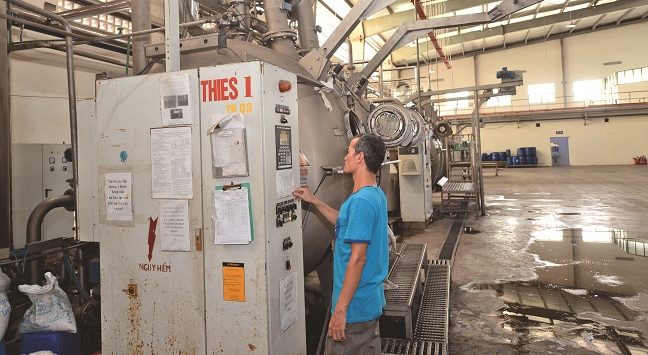
Against this backdrop, many enterprises have proposed that the Government consider extending the electricity price reduction and the special consumption tax exemption for gasoline and other petroleum products through the end of 2027. Such an extension would help businesses stabilize production plans and respond more proactively to market fluctuations.
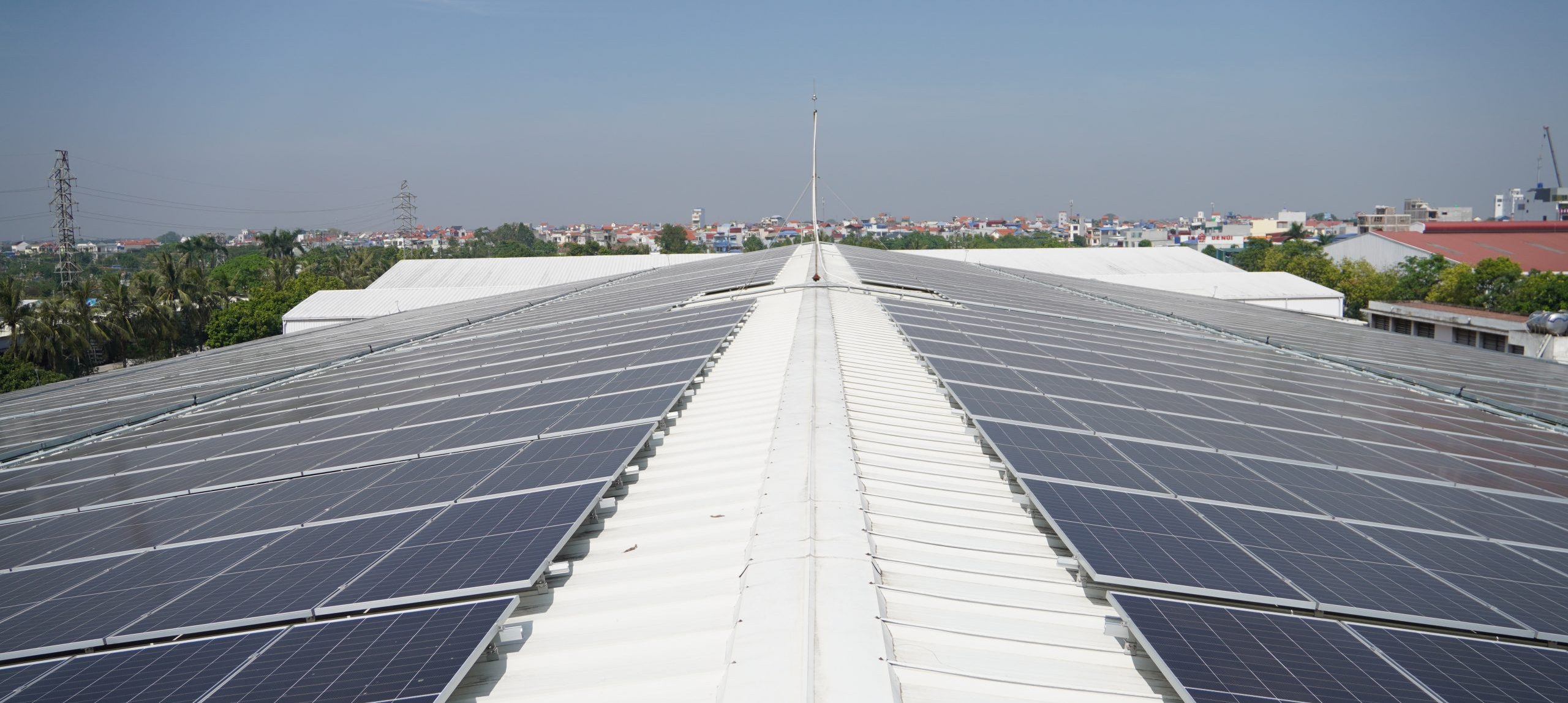
Alongside Government support, enterprises are also committed to further optimizing operating processes, adopting energy-efficient technologies, improving labor productivity and implementing lean cost management.