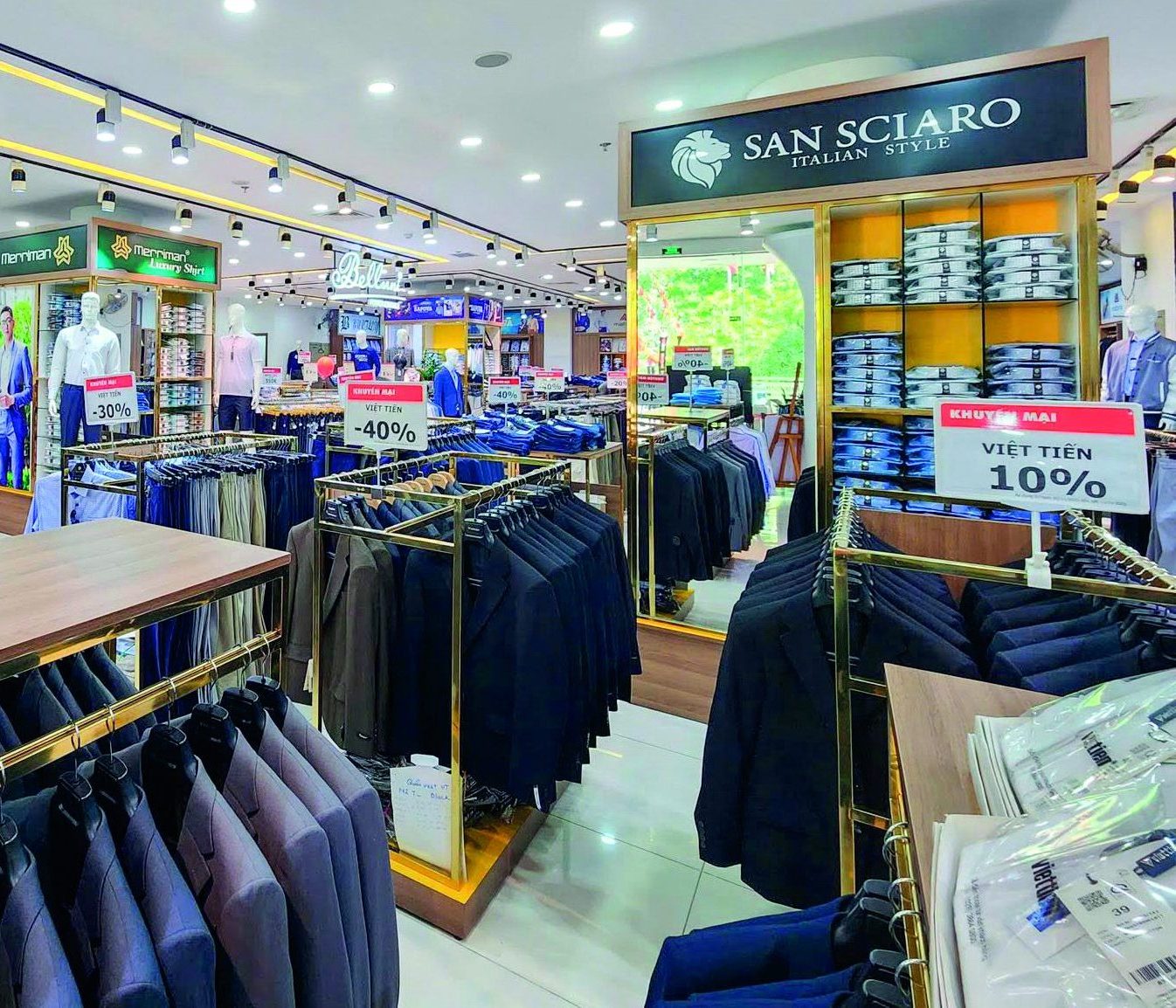

For many decades, Vietnam has been one of the world’s major textile and garment manufacturing hubs, creating jobs for millions of workers and ranking highly among apparel-exporting countries. However, the traditional CMT processing model has low profit margins and depends heavily on imported materials and foreign customers, while Vietnam’s low-cost labor advantage is gradually narrowing amid competition from Bangladesh, Cambodia, Myanmar, and other countries.
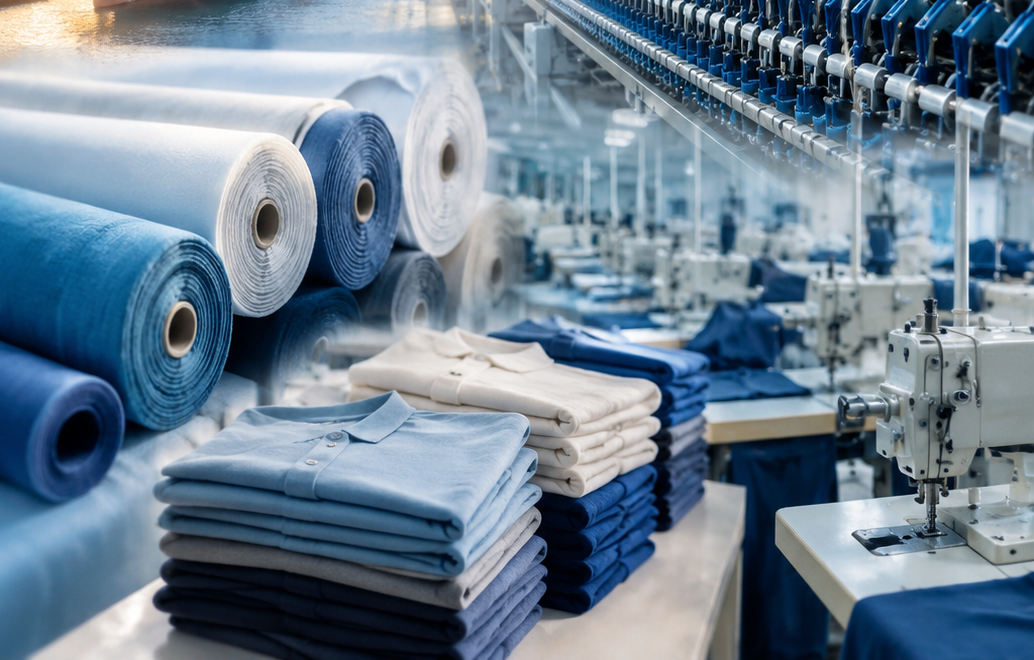
This reality requires Vietnamese enterprises to move up the fashion value chain, shifting from simply manufacturing to order toward taking greater initiative in materials, design, and branding. This transition is reflected in three stages: from CMT to FOB, where enterprises proactively source and purchase materials; then to ODM, where they conduct research, design, and develop products for customers; and finally toward OBM, where they control the entire chain from design and direct distribution to consumers.
Nevertheless, the brand-building process still faces many challenges. Dependence on imported materials limits enterprises’ autonomy, increases costs, and limits their ability to meet green standards. The domestic market is also under strong pressure from fast-fashion groups such as Zara, H&M, and Uniqlo, as well as cross-border e-commerce platforms such as Shein, Temu, and Taobao, which have advantages in price, speed, and product diversity.
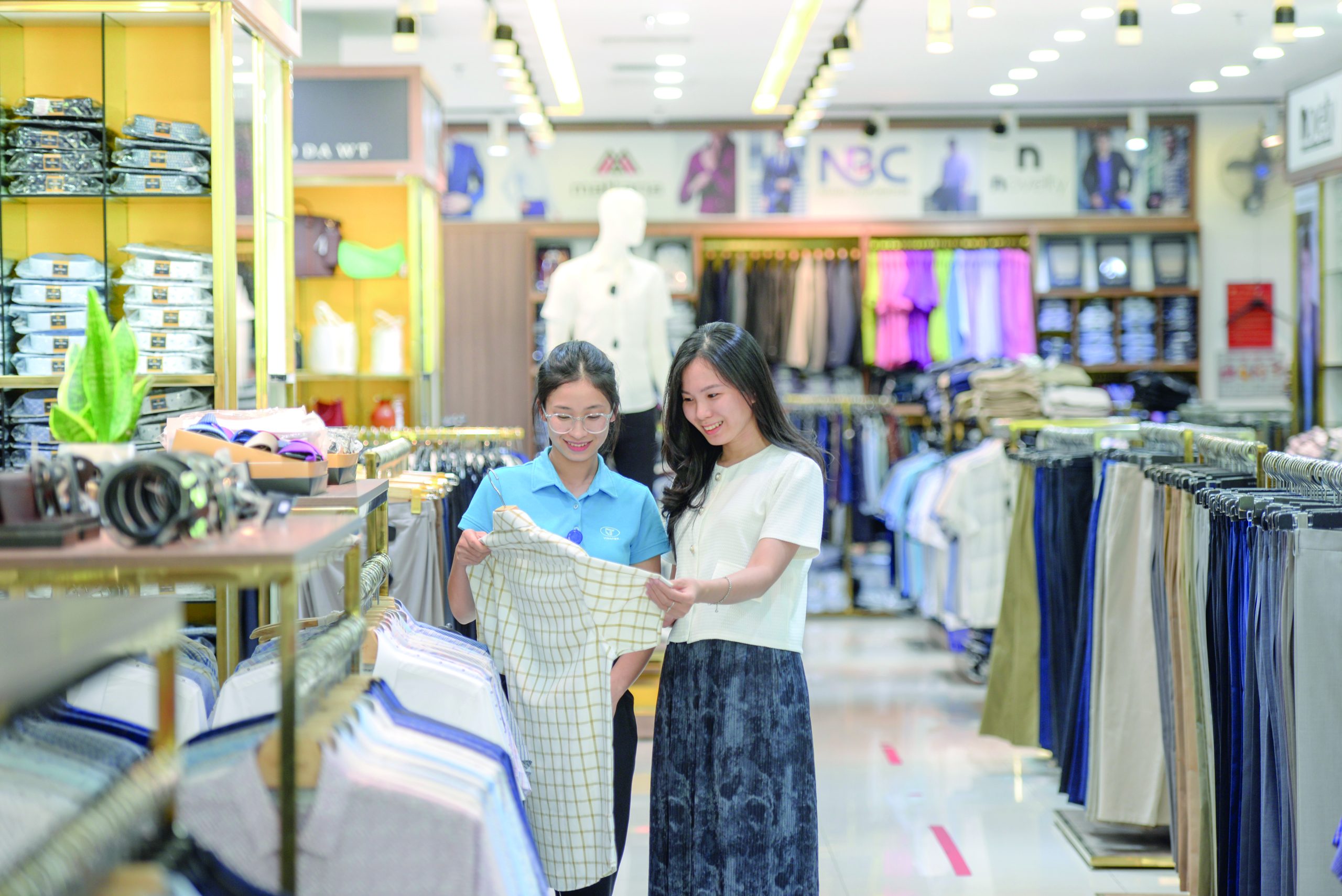
In addition, many Vietnamese brands still face limitations in capital, brand management, marketing, inventory management, and supply-chain operations. Customer experiences remain inconsistent across retail network, while design copying and intellectual property violations reduce revenue and weaken creative motivation. The demand for “greening” and sustainable development also creates additional pressure to invest in technology, materials, and supply-chain transparency.
In the future, Vietnam’s Textile and Garment industry needs to shift from the mindset of “what can we produce?” to “what do customers need?”, moving from a factory-oriented B2B model to a B2C mindset centered on brands and consumers. Manufacturing remains an important foundation, but to increase value and achieve sustainable development, enterprises must strengthen their capabilities in design, technology, brand management, and distribution.
Therefore, the “Imprint of Vietnamese Fashion” is not only about products being made in Vietnam, but must also embody Vietnamese creativity, cultural identity, and distinctive brand value. The combination of manufacturing enterprises, designers, government support policies, and consumers will determine the ability to transform Vietnamese fashion from a production hub into a high-value center for fashion design, manufacturing, and supply in the international market.