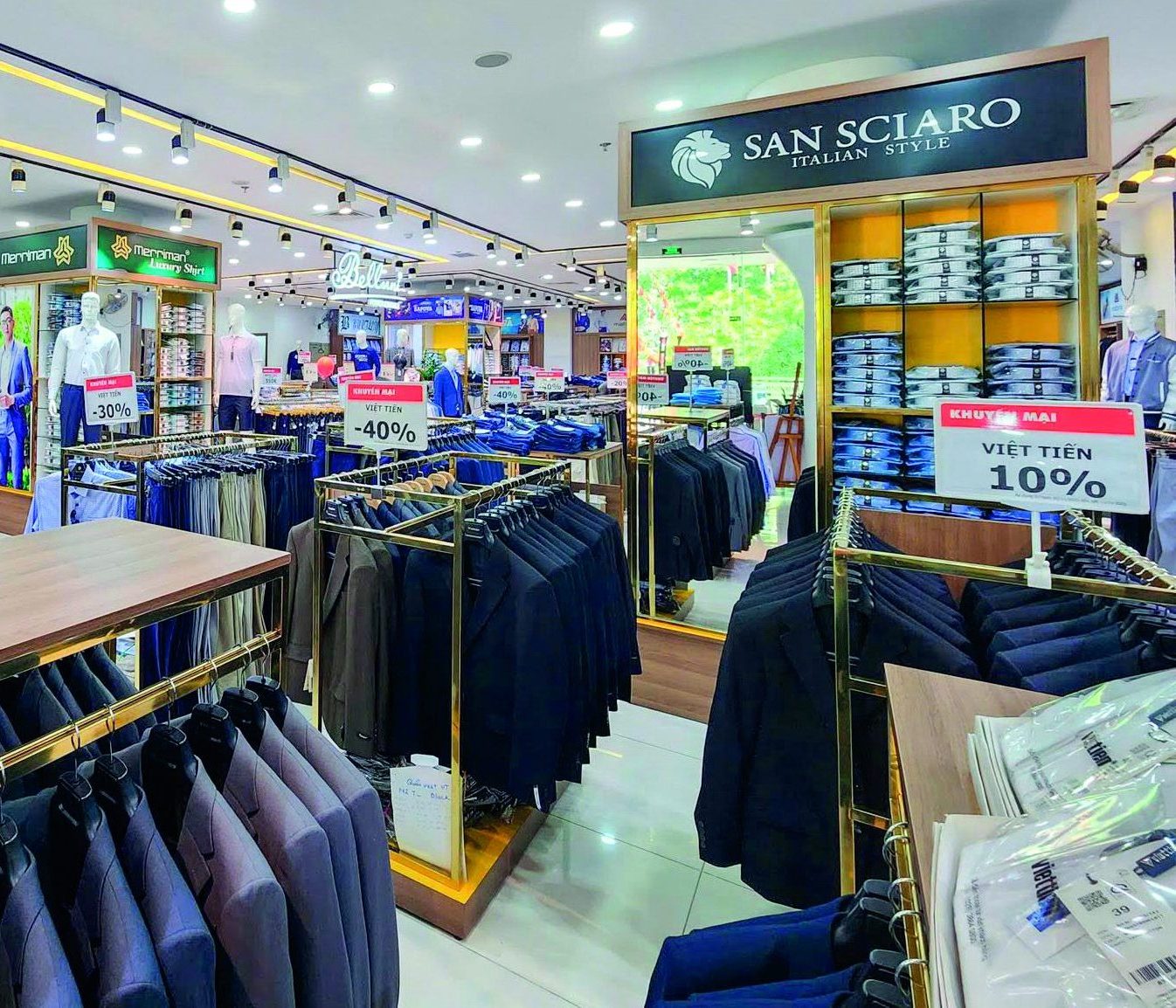

The opening months of 2026 have seen a wave of domestic fashion brands shutting down their operations. From pioneering first-generation local brands to long-established women’s labels such as Her25, L.II.N Clothing, and Mary Jane, these exits have unfolded quietly yet have raised a critical question: What is truly happening to Vietnam’s fashion industry? This is no longer an issue affecting a few individual businesses. Instead, it signals a broader transformation of the industry, where legacy advantages are no longer sufficient in the face of intensifying market pressures.

By 2026, the “local brand” advantage is no longer sufficient to sustain the competitiveness of Vietnamese fashion labels. Consumers no longer make purchasing decisions simply because a brand is domestic; instead, they place greater emphasis on product quality, design, shopping experience, delivery speed, and customer service. As a result, brand identity must be accompanied by strong operational capabilities, agile supply chains, and effective customer data management.
The traditional store expansion model has also revealed significant limitations, including rising rental, labor, and inventory costs continue to rise while consumers increasingly shift toward online shopping. Consequently, fashion brands need to restructure toward a leaner, omnichannel retail model that places customer data at the center of decision-making.
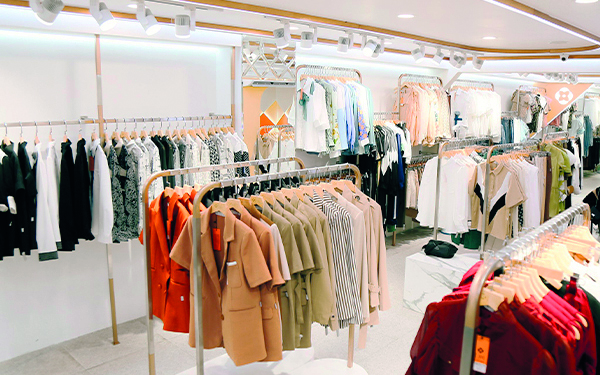
In addition, intensifying competition from international brands is forcing Vietnamese fashion companies to seek differentiated advantages rather than competing head-on in terms of scale and price. Competitive strengths such as a deep understanding of Vietnamese culture, climate, fit preferences, and consumer preferences need to be leveraged more effectively and strategically.
More importantly, today’s challenge extends beyond weakening consumer demand; it lies in management capability. The brands that succeed are those that can effectively manage customer data, operate lean business models, and invest in communities and digital content. The withdrawal of several brands in early 2026 is widely viewed as a natural market correction, highlighting the need for businesses to shift from a product-selling mindset to one focused on building long-term customer relationships, optimizing supply chains, investing in brand value, and professionalizing management practices through long-term strategic thinking.