
As digital transformation and automation reshape the textile and garment industry, companies are increasingly seeking job-ready talent with practical, hands-on capabilities instead of merely strong academic credentials. Facing this new reality, what skills and experiences are graduating students equipping themselves with to stay ahead and confidently seize emerging opportunities?
Recruitment Trends: From Academic Qualifications to Practical Performance
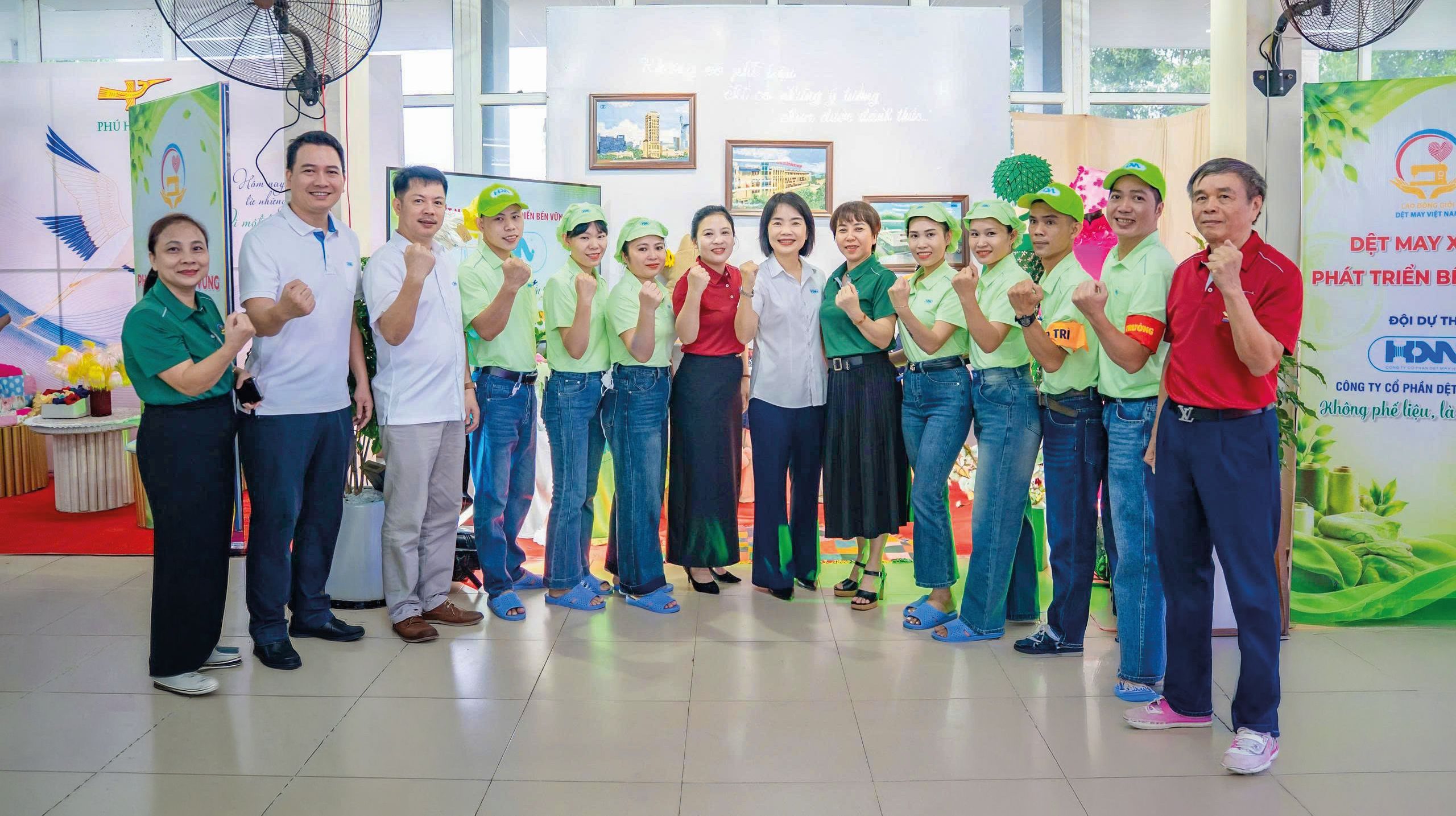
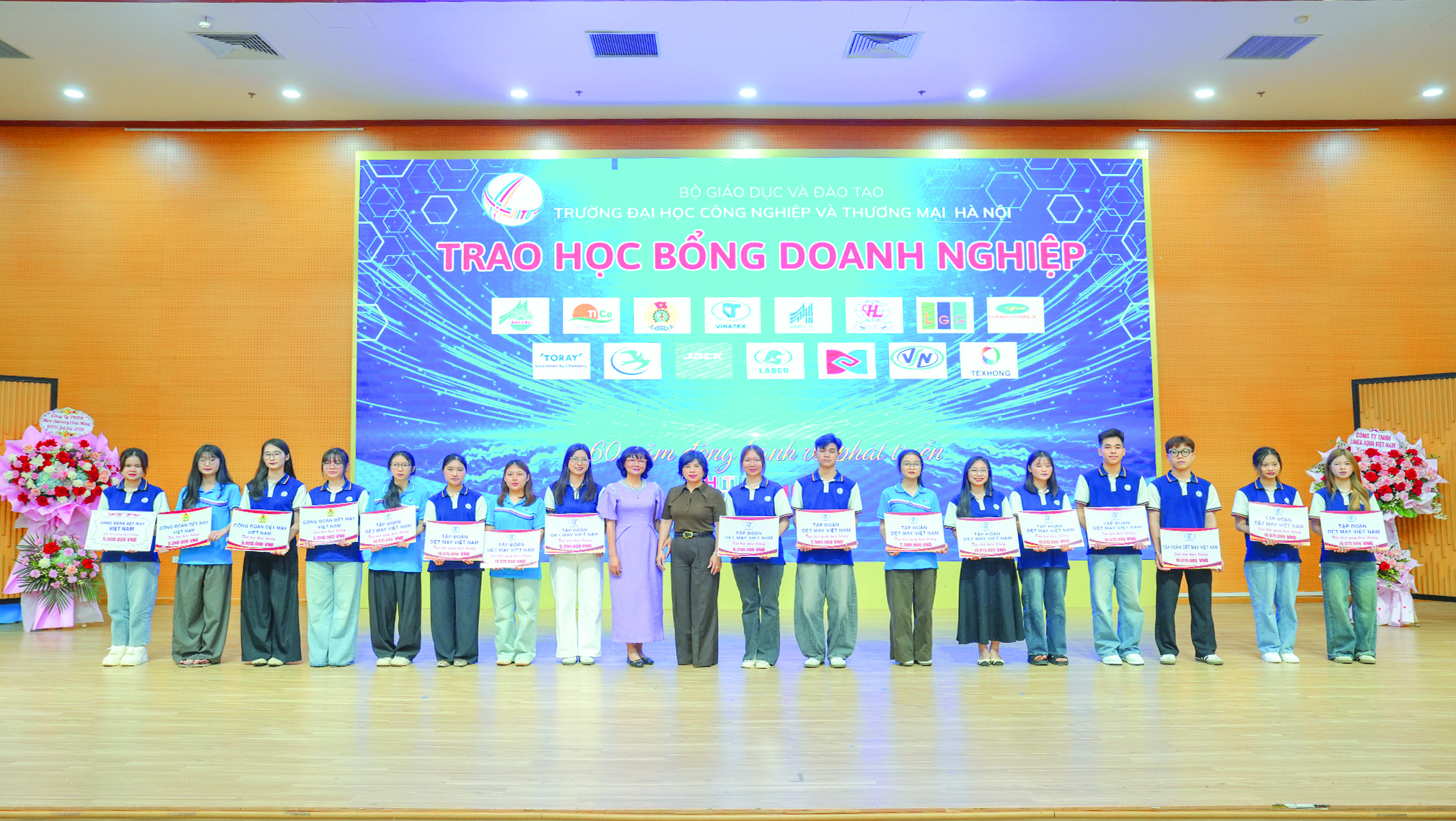
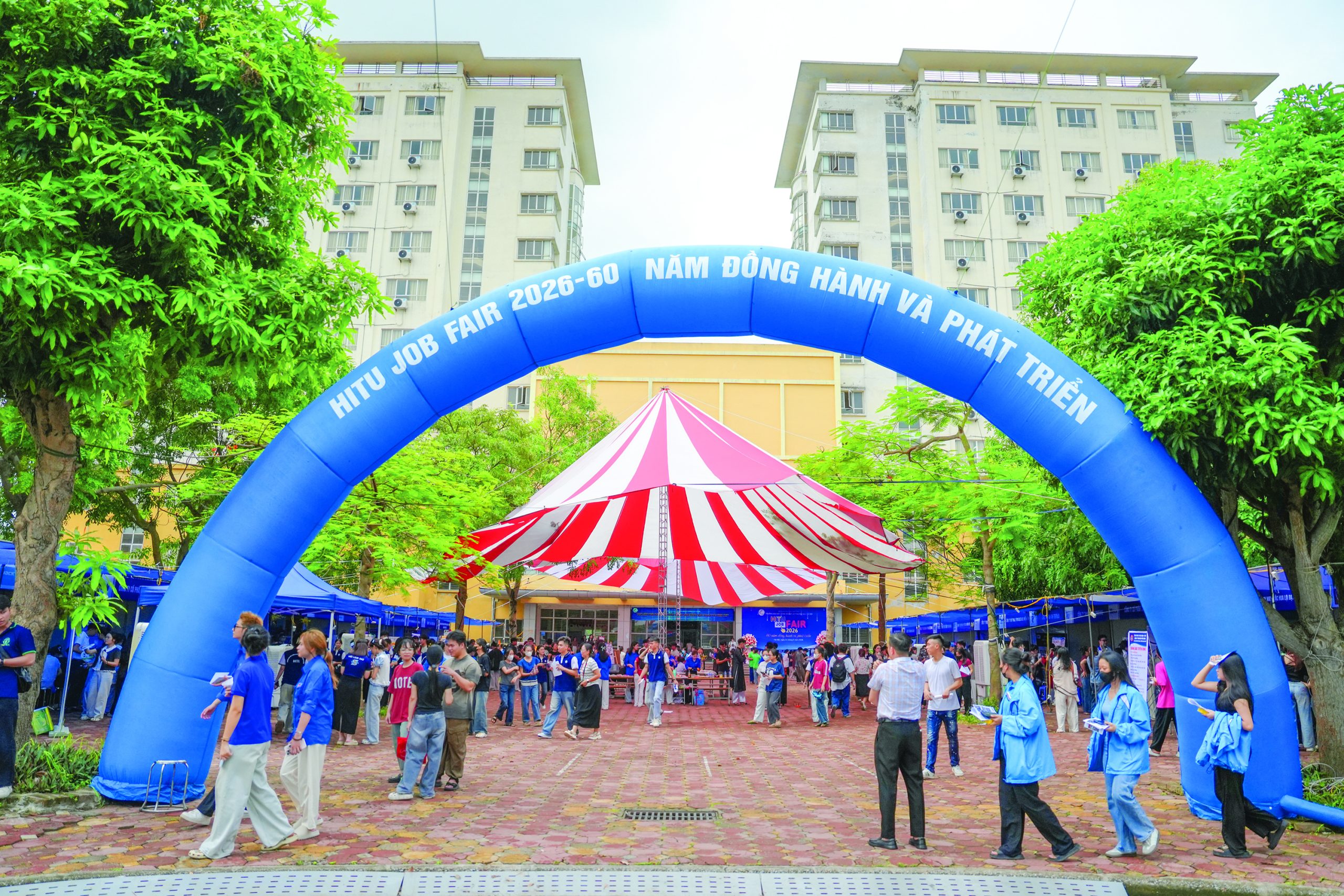
Participating in the 2026 Job Fair at Hanoi Industrial and Trade University (HITU), textile and garment enterprises including EMTEXCO and HANOSIMEX highlighted their efforts to strengthen the recruitment and development of young talent by building direct connections with students from an early stage. EMTEXCO has managers and department heads directly conduct interviews to evaluate candidates’ expertise, skills, attitudes, and career orientations. The company also runs annual internship programs that allow students to experience actual manufacturing environments, while providing internship stipends, meal allowances, and other benefits to attract and cultivate high-quality talent.
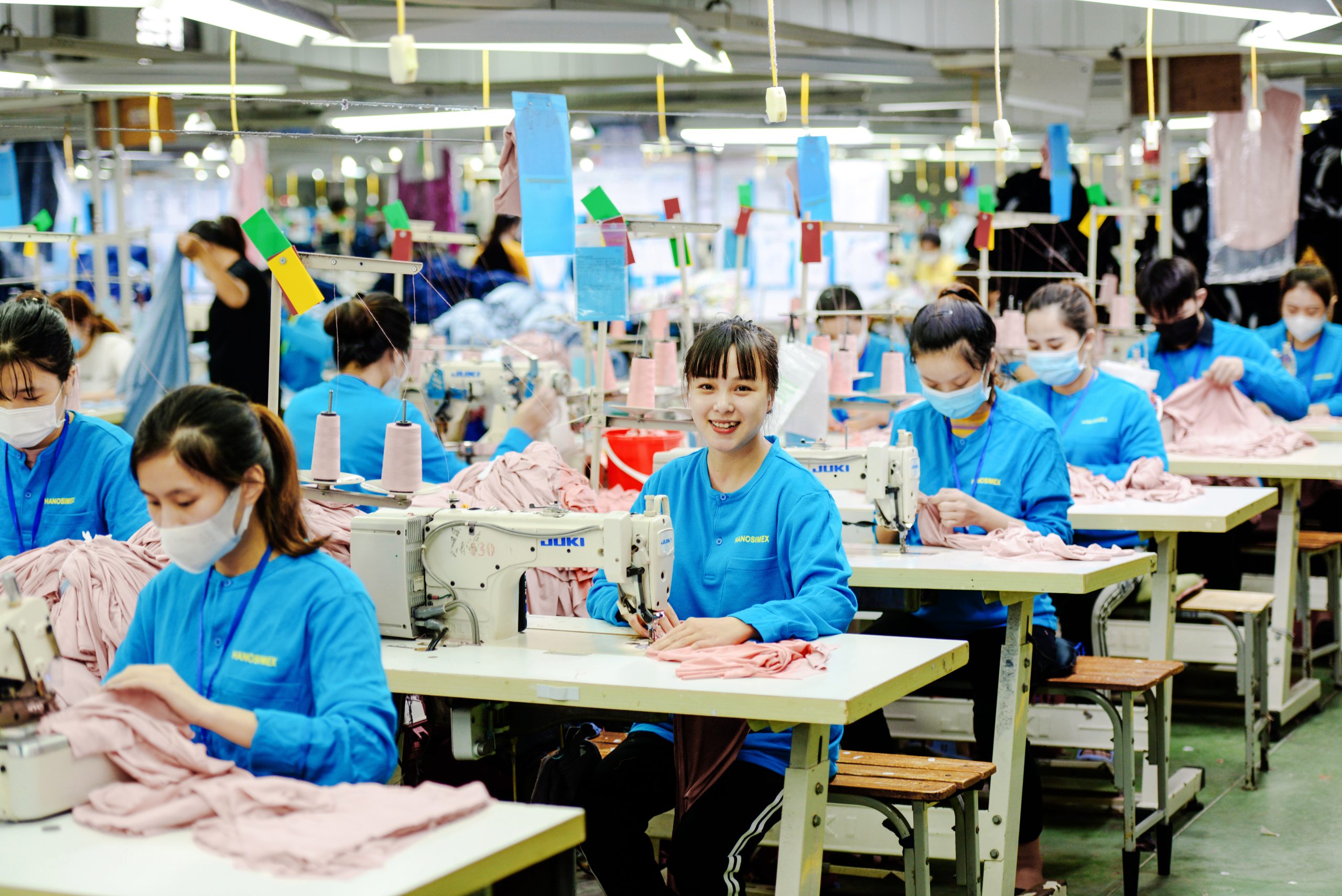
Meanwhile, HANOSIMEX gives priority to candidates with relevant academic training, as well as those who demonstrate positive attitudes, a willingness to learn, and adaptability to industrial working environments. The company focuses on career development programs, orientation training, investments in modern technologies, and stable employee benefits to attract and retain young workers.
As digital transformation, automation, and technological applications continue to reshape the textile and garment industry, employers are placing increasing value on hands-on capabilities, technological adaptability, and innovative mindsets rather than academic qualifications alone. In addition to professional knowledge, soft skills – including communication, teamwork, problem-solving, responsibility, and the ability to learn quickly – together with foreign language proficiency and digital literacy, are becoming essential assets that enable students to enhance their competitiveness and adapt to the changing requirements of the labor market.
Building Competencies for Future Career Goals
Final-year students at HITU believe that choosing a job is about more than just income; it is also about opportunities to learn, a professional work environment, and clear long-term career prospects. Pham Van Duy, a final-year Mechatronics student, said he is seeking a workplace that provides systematic training, experienced guidance, and a culture of innovation to help young employees quickly adapt, improve their professional skills, and turn academic knowledge into real-world competencies.
After engaging with industry representatives, Duy recognized that the textile and garment sector is undergoing a strong transformation toward automation and advanced technologies. He aims to become a maintenance and repair engineer specializing in garment machinery, with expertise in modern electronic sewing systems and the ability to contribute to equipment innovation and preventive maintenance solutions that improve manufacturing efficiency.
Meanwhile, Nguyen Thi Nguyet, a Textile Technology student, noted that students today place greater importance on securing jobs aligned with their academic disciplines, working in professional environments, accessing training opportunities, and having clear career development paths. Through discussions with recruiters, students have gained a deeper appreciation of the role that soft skills – such as communication, teamwork, situational problem-solving, adaptability, foreign languages, and digital literacy – play in strengthening their competitive advantage.
Beyond their academic studies, HITU students actively engage in practical projects, research activities, and professional competitions to sharpen their technical thinking and develop teamwork, time management, and problem-solving capabilities. These real-world experiences give them greater confidence as they enter the workforce and help them meet the increasingly sophisticated demands of an industry undergoing technological transformation and embracing smart manufacturing.
Dr. Hoang Xuan Hiep, President of HITU: Vietnam’s Textile and Garment industry is entering a highly challenging transition period, marked by persistent global economic uncertainties, increasing competition, and rising expectations regarding workforce quality. According to Dr. Hiep, the key to overcoming these difficulties is the development of high-quality human resources. This requires enterprises to make stronger investments in training and skills development while continuing to improve wages and ensure stable livelihoods for workers.
Entering 2026, despite persistent challenges, Vietnam’s Textile and Garment industry is presented with new opportunities arising from the recovery of the global economy. In this context, retaining workers, upgrading skills, and developing a high-quality workforce must remain at the center of corporate priorities. These efforts are not merely short-term responses to current challenges but also the foundation for enhancing value creation and sustaining the industry’s competitive advantage in the new era.