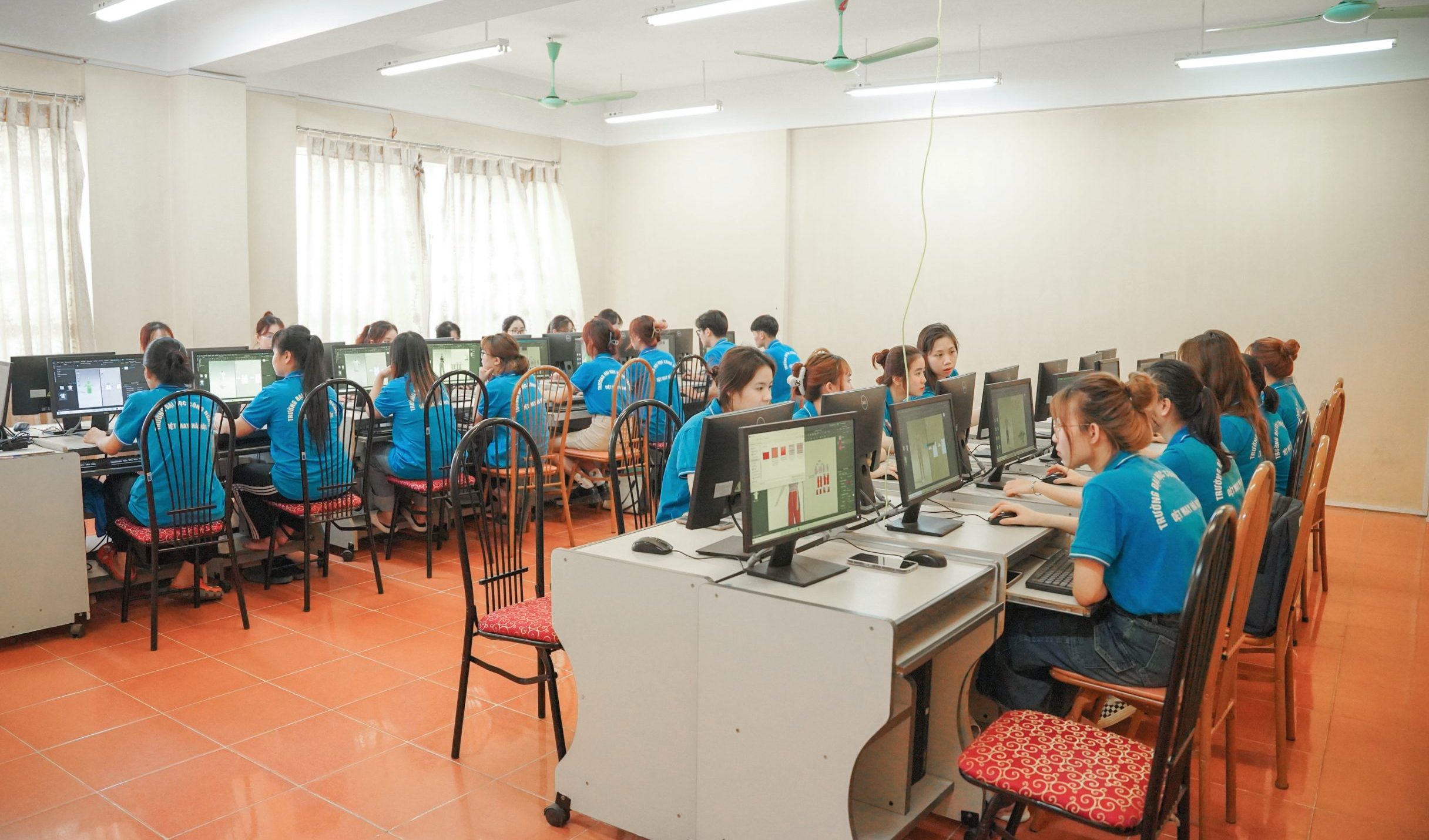

After decades of relying on its advantages in production scale, cost competitiveness, and global supply capacity, China’s textile and garment industry is facing a pressing need to transform its growth model from “large-scale manufacturing” to “creating and capturing greater value.” The 15th Five-Year Plan (2026–2030) mark a new phase in which technological innovation, smart manufacturing, green transformation, and brand development are pursued as part of an integrated process to upgrade competitiveness. Against this backdrop, “Brand of China” is not simply a story of image-building or marketing; it represents a shift from the advantage of “Made in China” toward the capacity to create and capture value in China.

Why does China need to shift from “made in China” to “brand of China”?
“Made in China” is a defining symbol of China’s industrialization and economic integration. From a position focused primarily on low-value-added stages of production, China has built a large-scale industrial system and comprehensive supply chains. In the textile and garment industry, this advantage is particularly evident: China has not only mastered the entire production chain — from cotton, fibers, and yarn to weaving, dyeing, and garment manufacturing — but has also developed the machinery, equipment, and technologies that support production.
However, once production capacity reaches a very large scale, expanding capacity no longer necessarily translates into greater value creation. Indicators for the first 9 months of 2025, including a 4% increase in manufacturing investment, a PMI of 49.8 points, and a 2.3% year-on-year decline in producer prices — highlight mounting pressure from weak demand, price competition, and the growing challenge of converting output into value.
Against this backdrop, China is shifting its focus from “how much it can produce” to “how much value it can create and capture,” concentrating on higher-value-added activities such as R&D, design, new materials, smart manufacturing, and brand building. Therefore, “Brand of China” does not replace “Made in China”; rather, it represents an upgrade of the manufacturing foundation, enabling China to move from the advantage of large-scale production toward creating, differentiating, and capturing a greater share of value in the market.
What opportunities does the 15th five-year plan create for “brand of China”?
During the 2026–2030 period, China is shifting its focus from scale-driven growth toward improving the quality and efficiency of growth.
Technological innovation and the development of “new quality productive forces”: China is prioritizing equipment digitalization, smart manufacturing, AI applications, and the development of data infrastructure. By 2025, China had more than 30,000 basic-level smart factories and 230 excellent-level smart factories, helping shorten R&D cycles by 28.4% and increase productivity by 22.3%. By 2026, the targets are for R&D tools to achieve an 85% coverage rate, key production processes to reach 75% digitalization, and smart production lines to achieve a 50% coverage rate.
From green transformation to a circular economy: The textile and garment industry is moving beyond targets for reducing resource consumption and emissions toward a circular economy and full product life-cycle management. Priorities include developing bio-based fibers, recycling textile waste, strengthening traceability, and implementing Digital Product Passports (DPPs), where digital technologies and AI are being leveraged to enhance the efficiency of the green transition.
From “Made in China” to “Brand of China”: The 2026–2028 brand policy aims to develop at least 25 outstanding textile and garment brands by 2028, including supply chain brands, industrial ecosystem brands, and consumer brands. Brands are increasingly viewed as assets spanning the entire value chain — from materials, technology, and manufacturing to design and consumer engagement.
How are Chinese enterprises turning “production capacity” into “brand value”?
Policy can create the conditions, but brand value depends on an enterprise’s ability to transform production capabilities into market advantages and capture higher-value-added activities. In China, three notable approaches can be identified:
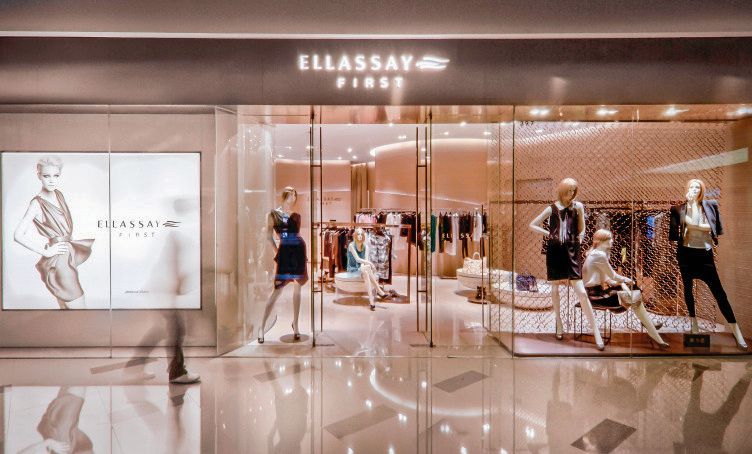
Ellassay: From production capabilities to ownership of international markets
Through investment, mergers, and acquisitions, the company has gradually built a portfolio of international brands such as IRO, Laurèl, Ed Hardy, and Self-Portrait. This has enabled it to move beyond its traditional manufacturing role and become more deeply involved in design, brand management, and direct access to consumers.
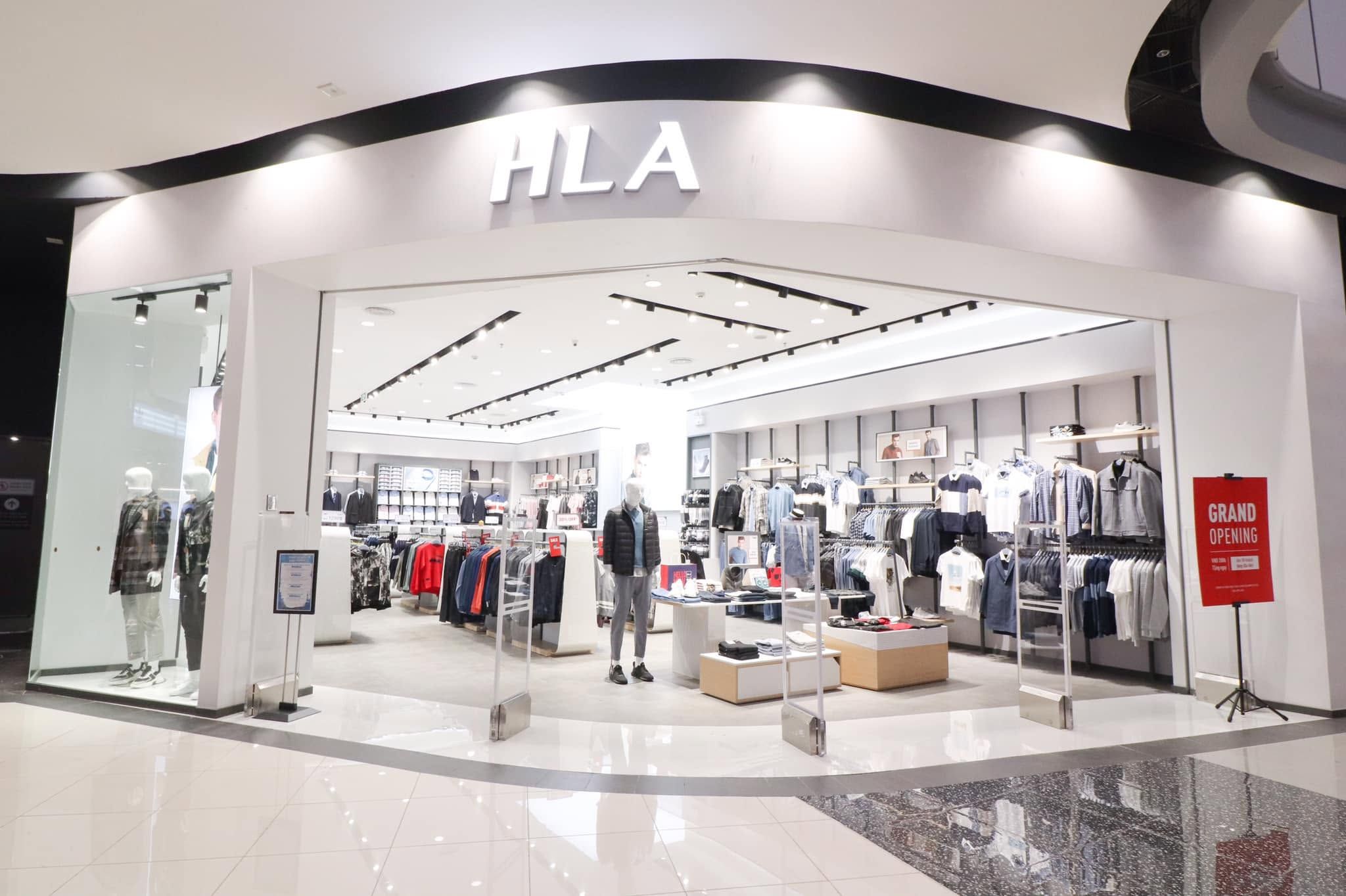
HLA: Using the domestic market as the foundation for brand building
With a network of more than 5,600 stores across China, HLA has established its brand and market presence domestically before expanding internationally. By mid-2025, the brand had entered 11 overseas markets with 111 stores. Notably, HLA’s expansion has not been driven by scale alone. It first built its image as a “national brand” by understanding the needs and consumer culture of the Chinese market, and then translated this foundation into competitive capabilities in international markets.

BIEM.L.FDLKK: Focusing on activities with high value-creation potential
The company has adopted an asset-light model, focusing on R&D, design, branding, and sales-channel development, while outsourcing manufacturing and logistics. This approach follows the logic of the “Smiling Curve,” under which an enterprise does not necessarily need to own the entire production process, but instead focuses on the activities that determine differentiation and pricing power.