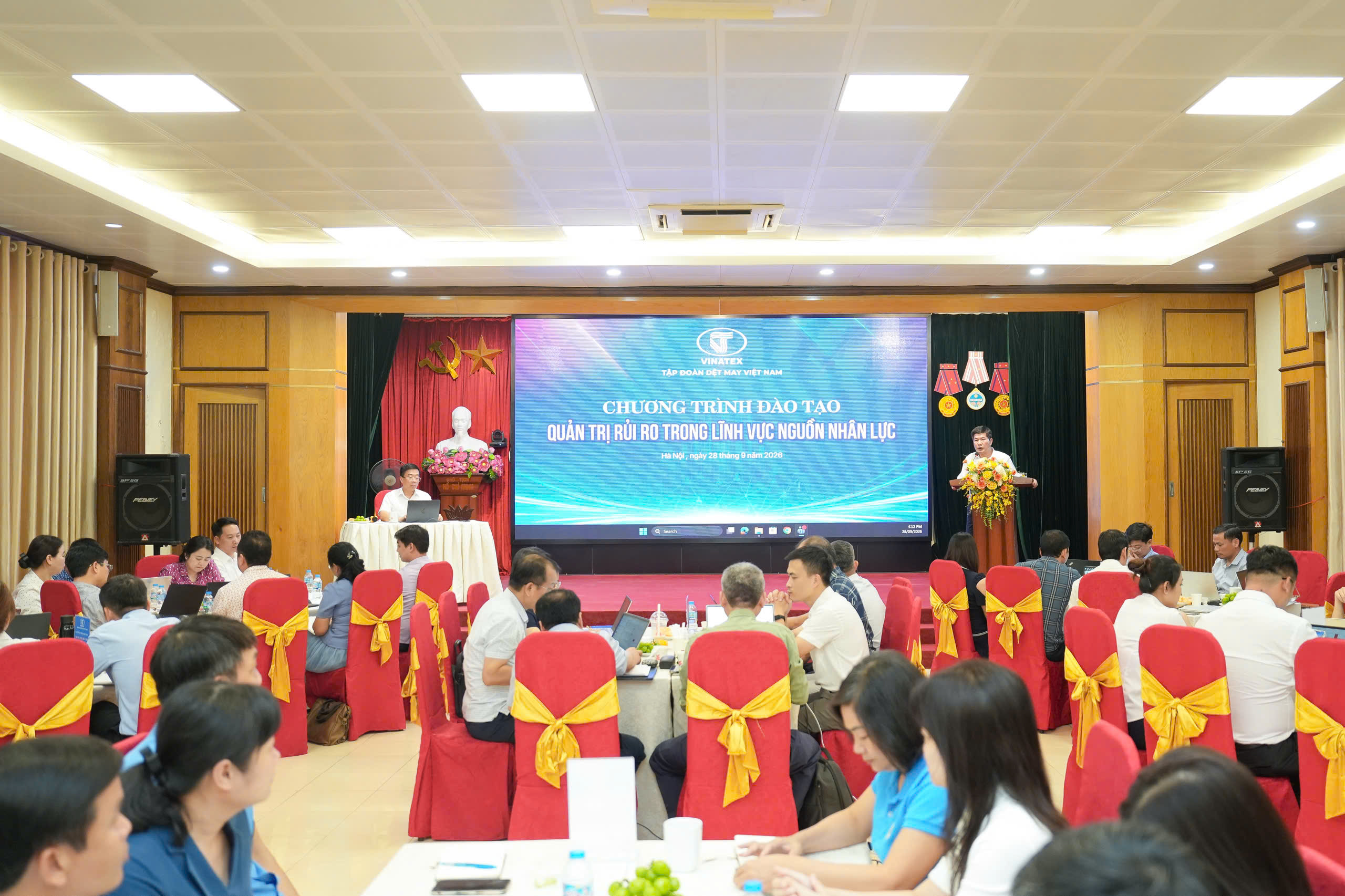

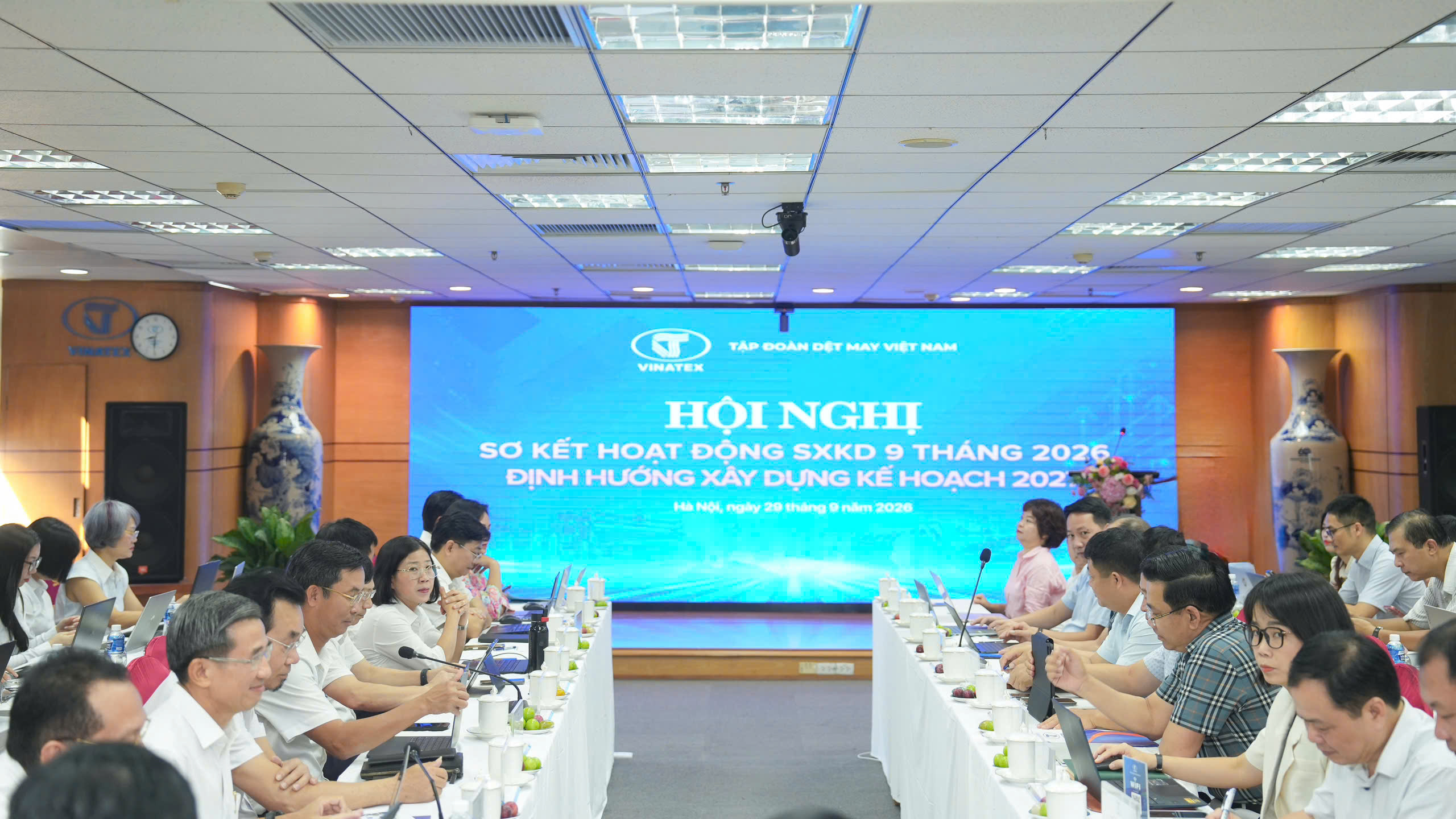
On September 29, Vietnam National Textile and Garment Group (Vinatex) held a conference to review its nine-month business and production performance, implement tasks for the final three months of 2026, and set directions for the 2027 plan. The conference was co-chaired by Vinatex Chairman of the Board of Directors Dr. Le Tien Truong, General Director Cao Huu Hieu and Standing Deputy General Director Pham Van Tan.
Attending the conference were leaders of the Executive Office and functional departments, as well as General Directors/Directors of Vinatex member companies and key branches.
Spinning Drives Growth – Garment Maintains Its Position
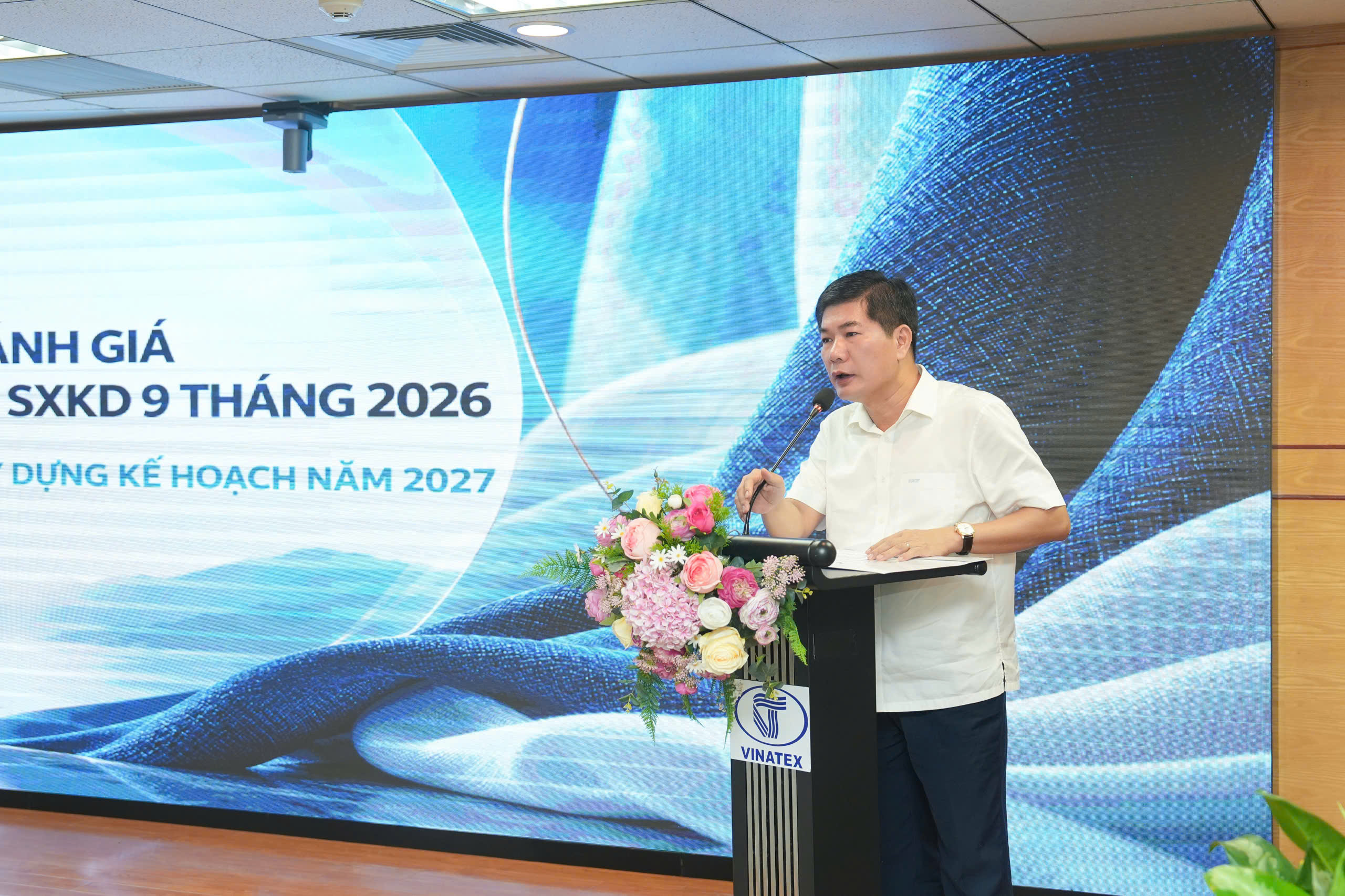
Presenting Vinatex’s nine-month business and production results, General Director of Vinatex – Mr. Cao Huu Hieu said consolidated revenue was estimated at VND 15.501 trillion, equivalent to 72.3% of the annual plan and up 6.8% year-on-year. Consolidated profit before tax reached VND 1.47 trillion, achieving 106.5% of the annual plan and increasing 40.7%. Vinatex Parent Company recorded revenue of VND 1.598 trillion, or 57.1% of the annual plan, while profit before tax reached VND 336.6 billion, equivalent to 129.5% of the plan and up 218.7% year on year.
The Spinning sector remained a key growth driver, with nine-month revenue exceeded VND 6.66 trillion, up 15.9% and equivalent to 78.1% of the annual plan. Profit reached VND 381.8 billion, or 152.1% of the plan, up 168.1% year on year. All 12 spinning units recorded positive profits. The results reflected strong management capabilities, system readiness and effective management of selling price–raw material cost spreads. However, performance remained uneven among units, while current market advantages are unlikely to reappear.
The Garment sector remained the largest contributor to Vinatex’s profit, with nine-month revenue of VND 5.853 trillion, up 2.7%. Profit before tax reached VND 679.2 billion, with a profit margin of 11.6%, above the annual target of 10%. Still, profit margins were uneven across units amid pressure from pricing, costs and production efficiency, particularly for complex and small-lot orders.
For the fourth quarter, the General Director asked units to safeguard the nine-month results, manage emerging issues effectively and optimize performance, while preparing the 2027 plan. The Spinning and Garment Business Departments must continue reviewing their systems and closely monitoring U.S. tariff policies as well as market developments to update planning assumptions.
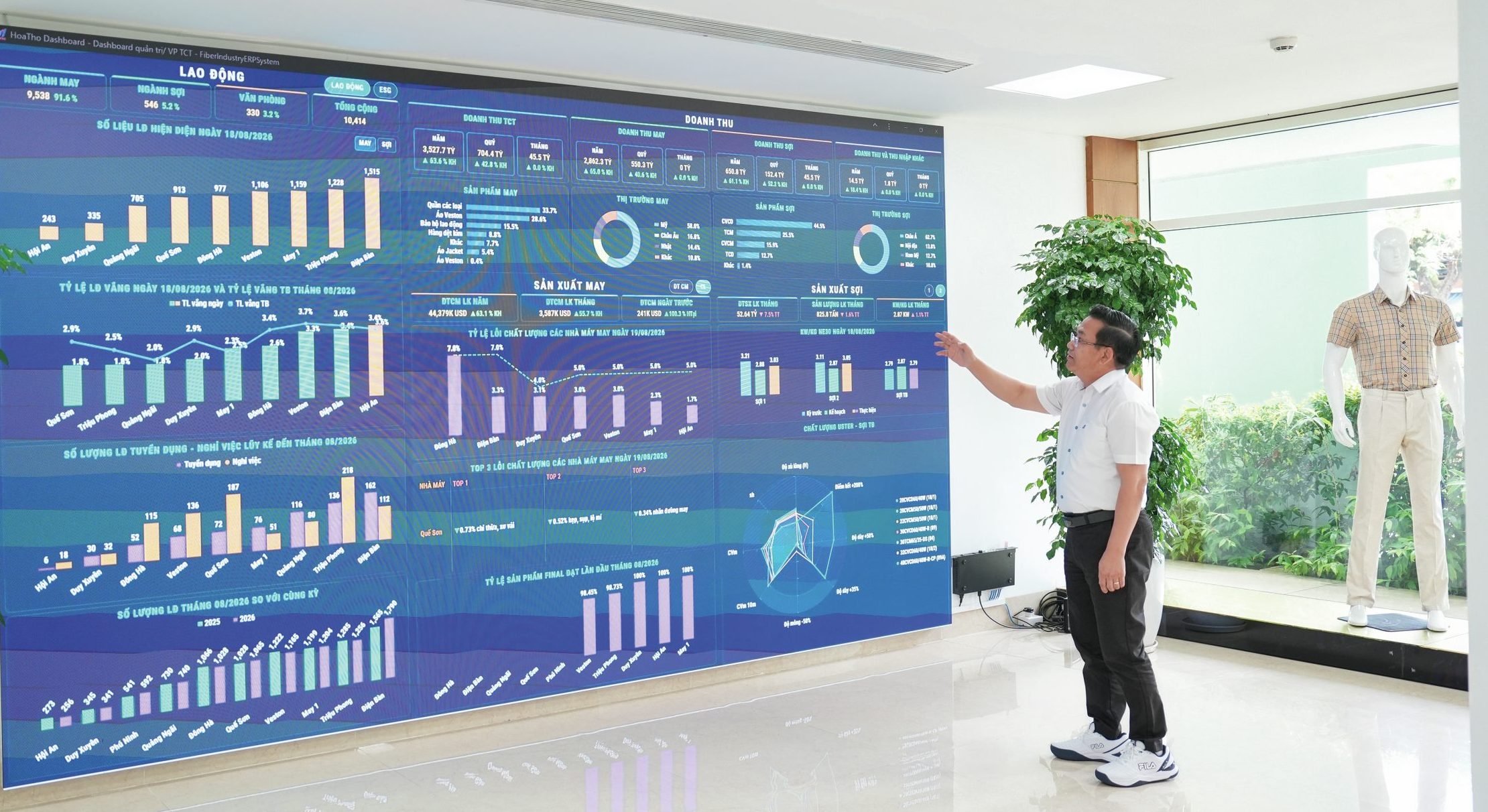
Vinatex also aims to complete its 2026–2030 medium-term investment plan, develop the 2027 plan, complete the management dashboard to support proactive management, and implement measures to ensure sufficient workforce for 2027.
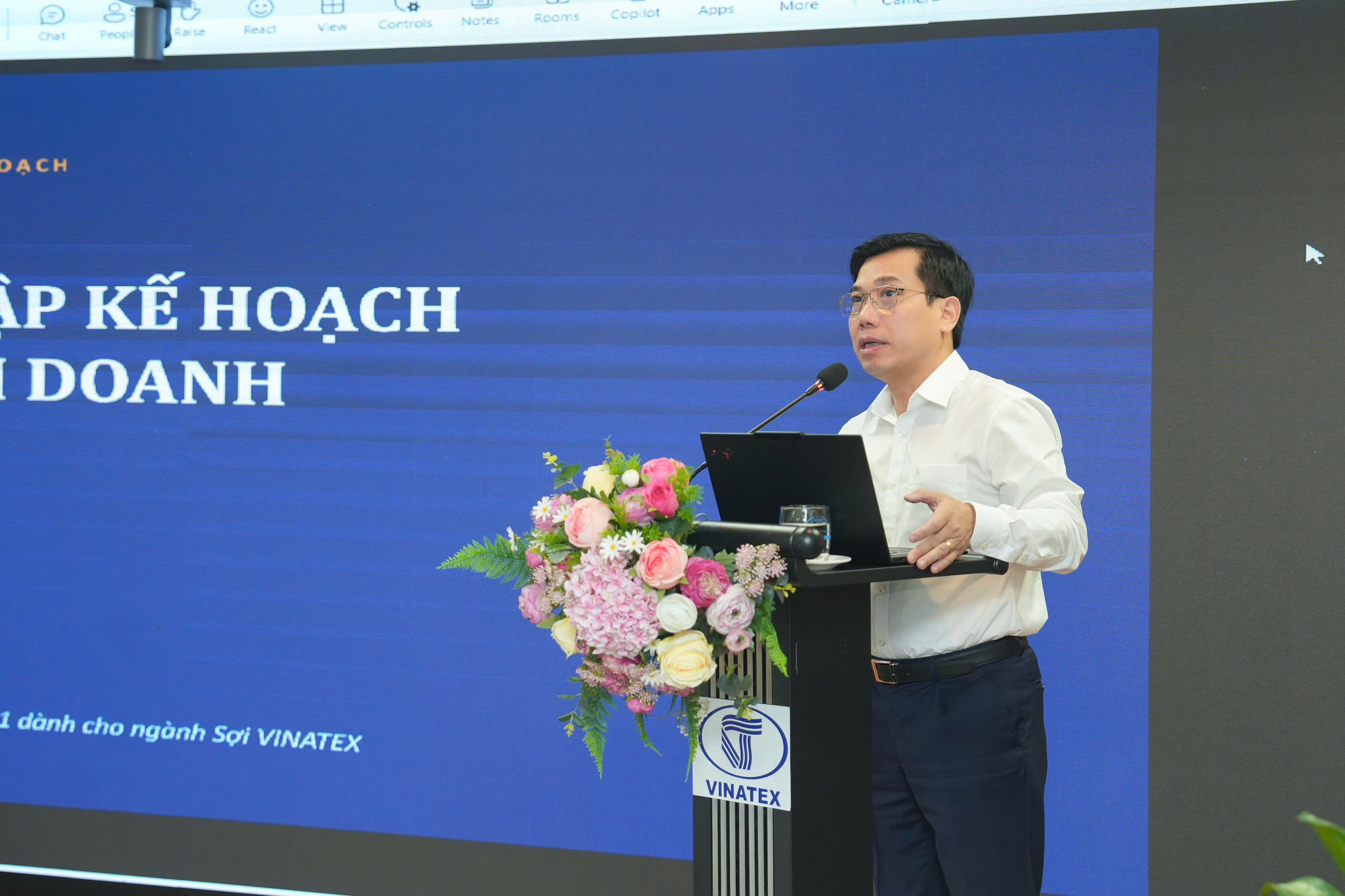
At the conference, Standing Deputy General Director – Mr. Pham Van Tan presented an approach to developing the Spinning sector’s business and production plan based on data from 12 units. Deputy General Director – Mr. Nguyen Duc Tri presented the Garment sector’s results, fourth-quarter priorities and measures to improve profit margins. Dr. Hoang Manh Cam, Chief of the Board Office, provided updates on the textile and garment market, the global economy and projected textile and garment demand in 2027. Leaders of member units also shared market assessments and directions for developing their 2027 business and production plans.
Optimizing Workforce – Borrowed Capital – Markets
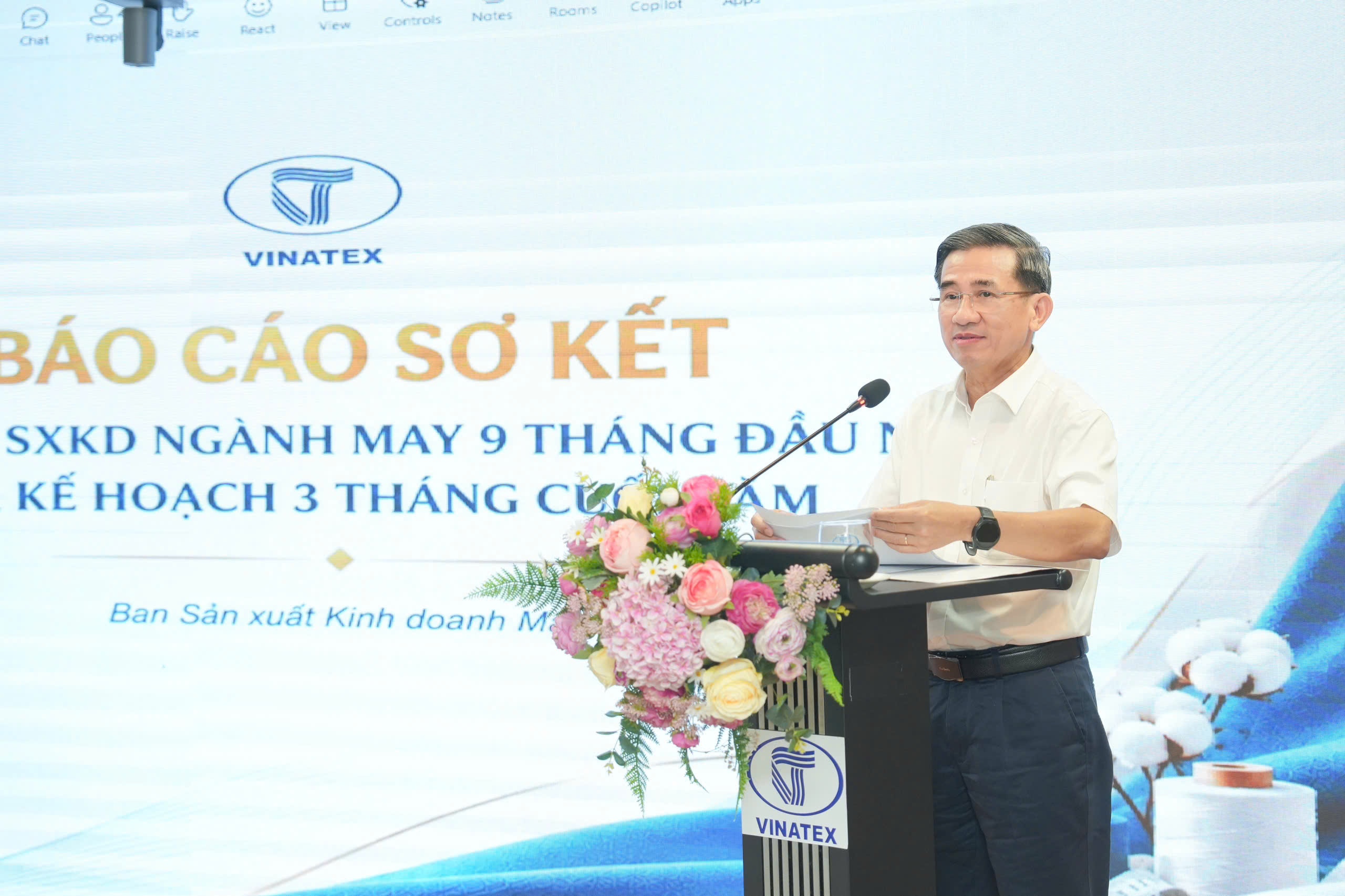
Concluding the conference, Vinatex Chairman Dr. Le Tien Truong noted that the business environment in 2027 is expected to remain uncertain, with limited growth room and rising labor and capital costs, alongside increasing requirements for productivity and quality. The 2027 plan therefore needs to be built on cautious forecasting, proactive scenarios and decisive efforts to improve management efficiency.
Based on the 2026 results and excluding temporary favorable factors, Vinatex aims to maintain profit growth in 2027, with a focus on building sustainable profitability from core business and production activities. For the Parent Company, the priority is to strengthen financial autonomy, balance income and expenditure, and reduce dependence on dividends from member companies.
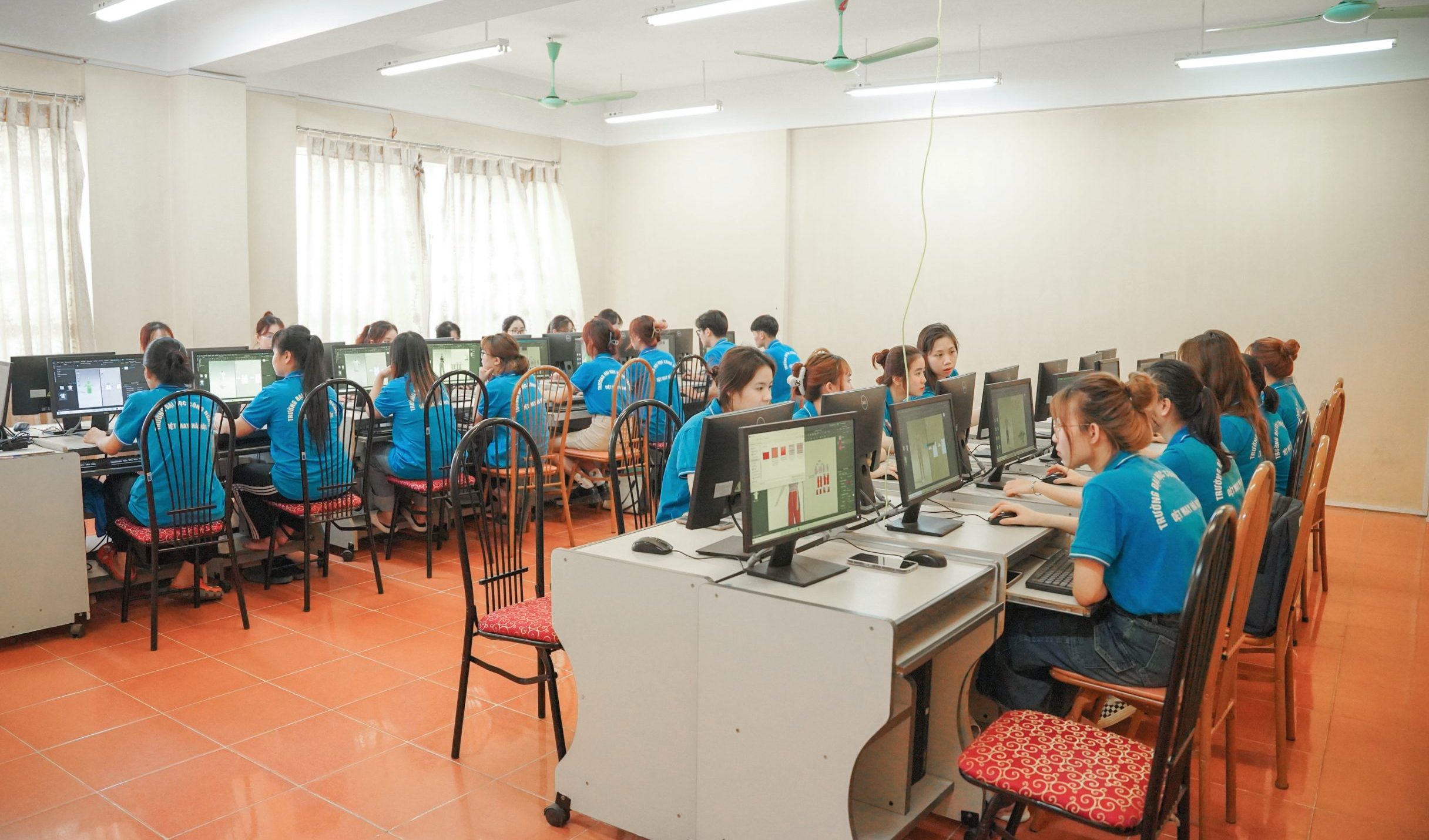
The Chairman emphasized the resource structure shift as labor becomes scarcer, and labor and capital costs increase. Vinatex needs to switch from managing resources based on scale to managing efficiency across each scarce resource. The Garment sector should increase value created per labor hour, select appropriate customer and order structures, and closely manage profit margins. The Spinning sector should optimize production organization, allocate labor appropriately and reduce dependence on labor in areas with automation potential.
Innovation should focus more deeply on organizational models, operating processes, and management tools and indicators. Each innovation initiative should address specific challenges related to productivity, costs, speed, quality and resource efficiency.
At the same time, Vinatex will continue to modernize management on a data-driven approach. The management dashboard will gradually become a regular management tool, supporting the monitoring of revenue, cash flow, profitability, asset utilization, liquidity and financial health. This will enable a shift from reviewing outcomes to identifying trends early, warning of risks and taking proactive action.
In terms of investment and development, Vinatex will continue to prioritize projects that create new competitive capabilities while closely controlling capital efficiency and financial risks. Investment decisions must be aligned with market conditions, management capabilities and long-term cash-flow generation, supporting growth without weakening the financial health of the business.
The Chairman emphasized that as 2027 is expected to offer fewer favorable growth drivers than 2026, Vinatex needs to turn positive results into capabilities across the system. Growth must come from higher productivity, better management, more efficient capital use and faster market adaptation, providing a foundation for greater resilience and sustainable development in the next phase.