
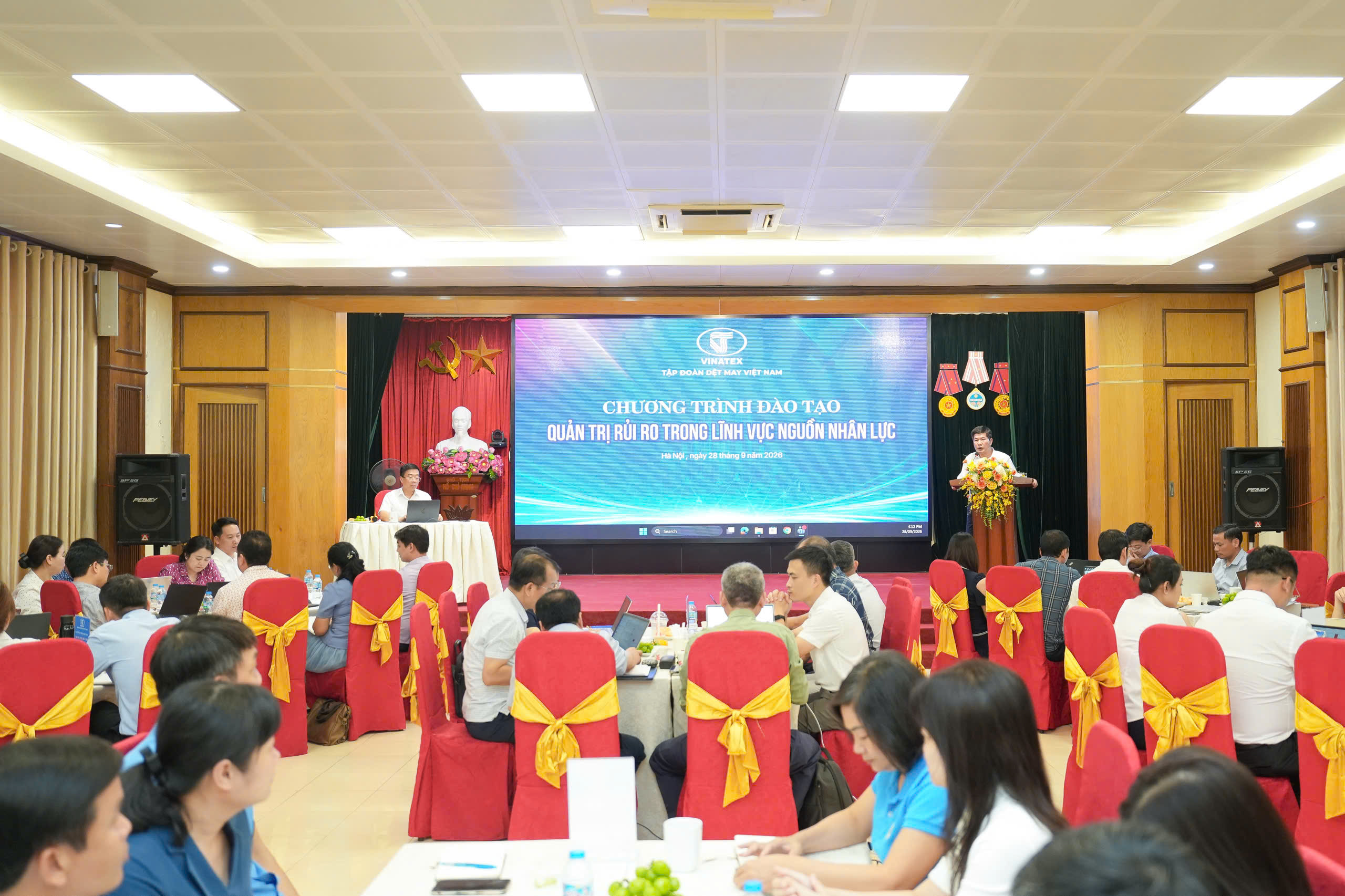
On September 28th, Vietnam National Textile and Garment Group (Vinatex) held a training program on “Human Resources Risk Management” in both in-person and online formats. The program focused on linking people management with strategy, productivity and business performance, shifting from reactive problem-solving toward early risk identification, measurement and proactive response.
The program was chaired by Dr. Le Tien Truong, Chairman of Vinatex’s Board of Directors, who also delivered two sessions. Participants included Vinatex General Director Cao Huu Hieu, leaders of the Executive Office and functional departments, member companies’ leaders and representatives of human resources departments.

From Challenges to Strategic Action
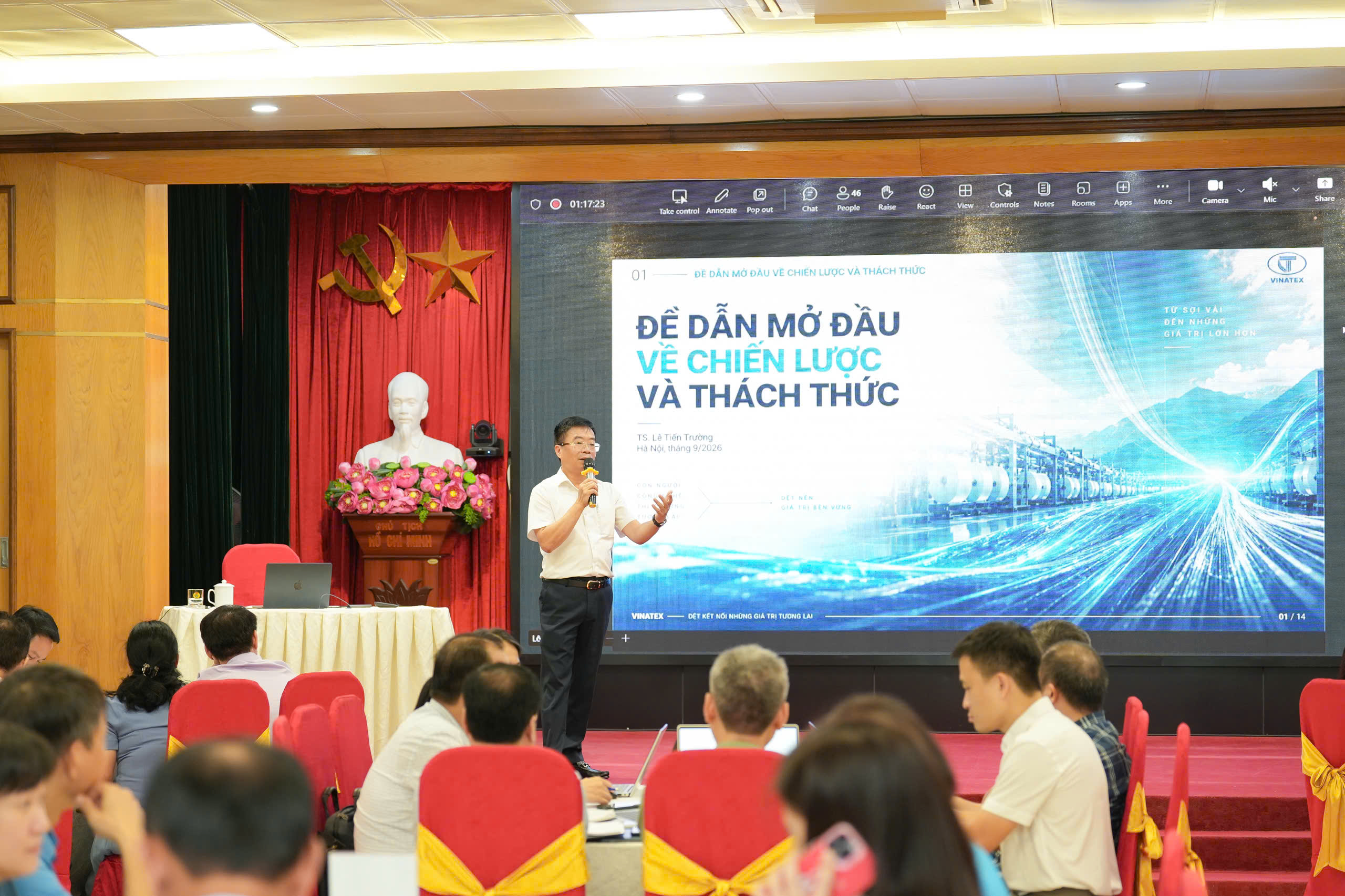
In his opening remark, Dr. Le Tien Truong noted that among the risks facing textile and garment enterprises, human resources risk is one of the most urgent, with a high level of exposure and the potential to quickly affect business operations. It can also amplify other risks, directly affecting production capacity, productivity, quality, costs and the execution of business strategies.
As the garment industry remains labor-intensive, people remain difficult to replace completely. Technology can transform production methods, but businesses still need to address workforce size, skills, productivity and employee engagement.
According to the Chairman, the challenge is not simply labor shortages but also identifying the root causes of human resources risks. Businesses need to identify critical positions and capabilities and assess how risks could affect business objectives. Human resources risk management therefore needs to shift from “incident handling” to “predictive management”, supported by early-warning systems, impact assessment and response plans.
Dr. Le Tien Truong also highlighted the distinction between “strategy” and “management”: management enables businesses to operate, measure and control, while strategy sets the direction for long-term value creation. From this perspective, human resources risk management is not simply about preventing labor shortages or turnover, but about identifying people, capabilities and critical links that could affect strategy and addressing them before they become operational disruptions.
Identifying Human Resources Risks at Vinatex

Presenting an overview of Vinatex’s group-wide risk management in 2026, Ms. Nguyen Thi Thu Hien, Executive Director of Vinatex, said risk assessment is being conducted under a common framework covering legal, production, financial, information technology, human resources, safety and transparency-related risks.
The first-half results showed positive improvements in the overall level of high and very high risks, although differences remain among member companies. Ms. Hien called on units to standardize their risk management reporting, fully update data and clearly identify causes and corrective measures. More complete and consistent data will strengthen early-warning capabilities and support more focused resource allocation.
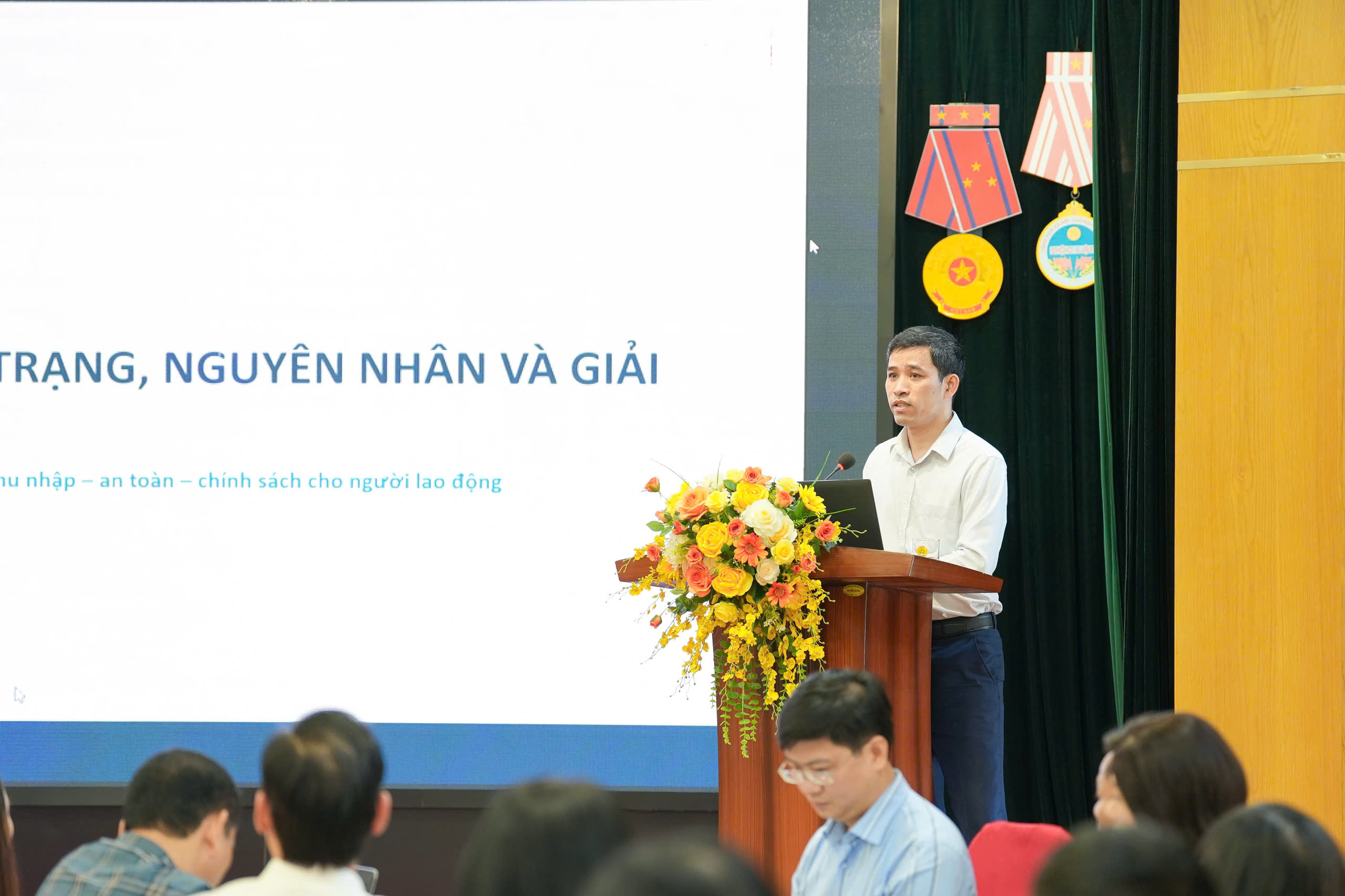
In a session on human resources risks, Mr. Ta Huu Doanh, Head of the General and Legal Affairs Department, noted that the supply of suitable labor is under increasing pressure as the textile and garment sector competes for workers with technology, electronics and newly developed industrial zones. Some units of Vinatex continue to face shortages of direct production and technical workers, while working conditions, occupational safety and health remain areas requiring close attention.
The three key challenges are ensuring sufficient production workers, maintaining competitive income and working conditions, and meeting changing skill requirements. Solutions therefore need to address the specific causes of each risk.

Analyzing labor risk data from selected units, Ms. Tran Thi Thu Thao, Head of the Human Resources Management Department, emphasized that no single indicator can fully explain workforce fluctuations. In addition to income, working conditions and the expectations of different employee groups, human resources risks vary significantly by location and industry. Data therefore needs to be assessed against local labor markets, economic conditions and each company’s production characteristics, then translated into warning thresholds, responsibilities and specific actions to enable early intervention.
Building a Measurable Human Resources Risk Management System
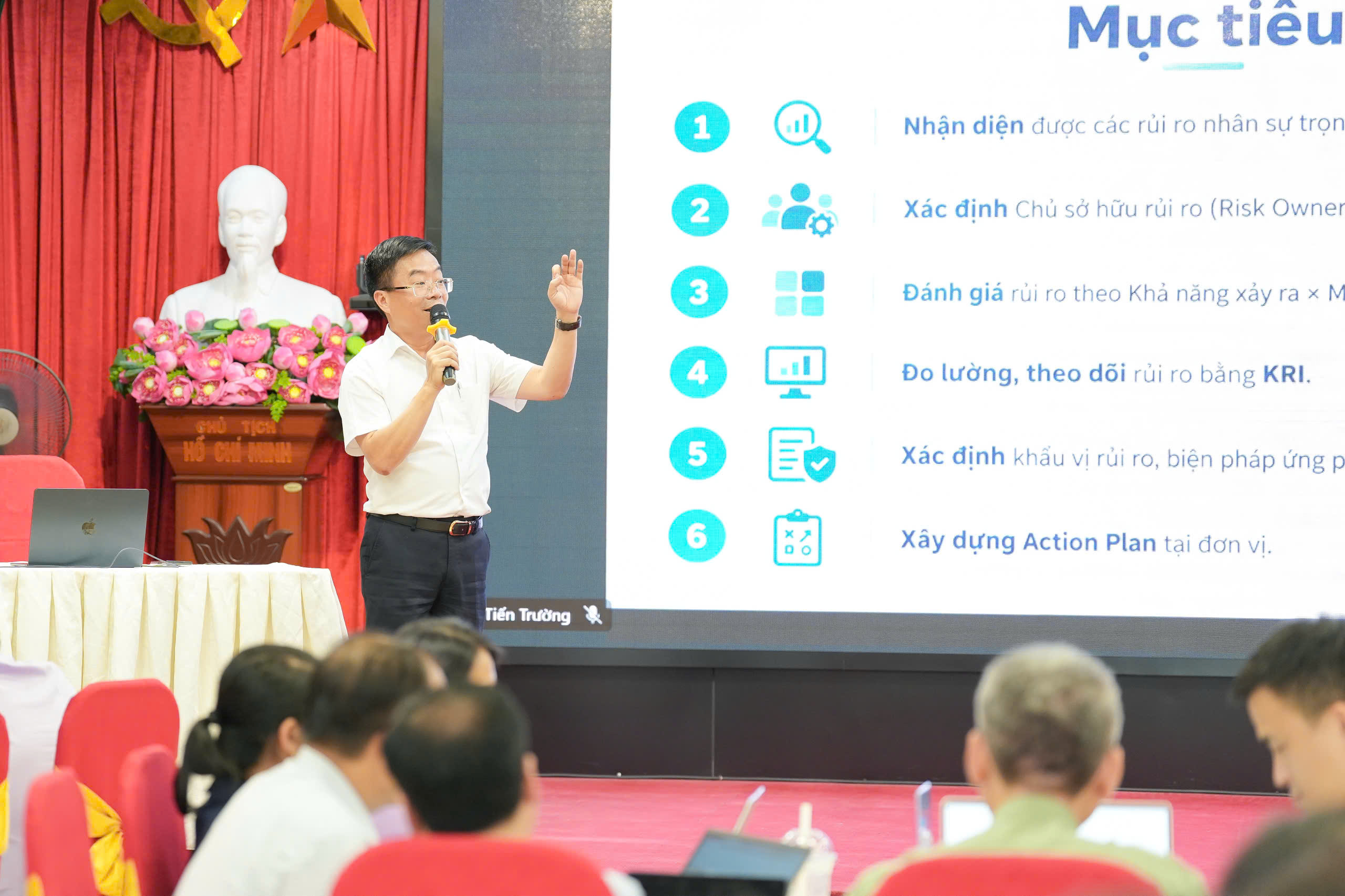
In his session on human resources risk management methodology, Dr. Le Tien Truong emphasized that a people-related issue becomes a management risk when it can affect production capacity, productivity, costs, quality, customers, compliance or strategy execution.
The scope of management therefore extends beyond recruitment and turnover to include succession gaps, dependence on individuals, skills gaps, talent loss, productivity, labor relations and compliance.
The management process should begin with business objectives, followed by identification of critical positions, capabilities and obligations, and assessment of risks based on likelihood and impact. Each risk should have a designated owner, risk tolerance, response measures and a specific action plan. Four basic response options are avoidance, mitigation, sharing/transfer and acceptance, selected according to business impact and response costs.
An effective system must also establish appropriate reporting and monitoring mechanisms and develop scenarios for situations such as significant labor shortages, vacancies in critical positions or sharp increases in labor costs.
The overarching message is that human resources risks must ultimately be translated into business impacts. Turnover, succession gaps and skills shortages are not merely HR issues; they can increase costs, reduce productivity, disrupt operations and affect the execution of business strategy.
Proactively Managing Human Resources Risks to Safeguard Production Capacity
During the program, business leaders shared their views on labor market competition, workforce fluctuations, human resources risks and solutions to retain skilled workers and recruit employees who can stay and grow with their organizations over the long term.

Speaking at the program, Mr. Cao Huu Hieu – Vinatex General Director – emphasized that human resources management needs to move from addressing emerging problems to proactively identifying, forecasting and controlling risks. Three key risk groups were identified: labor shortages and workforce fluctuations; gaps in capabilities and skills; and risks related to key personnel and succession.
Based on these priorities, Vinatex identified four key objectives: ensuring sufficient human resources aligned with business requirements; improving workforce quality and capabilities; developing successors for critical positions; and gradually building a proactive, data-driven human resources risk management system with early-warning capabilities.
The General Director called on units to align workforce planning with production and orders, analyze the root causes of turnover, improve income, benefits and working conditions, and develop recruitment pipelines and contingency workforce plans. At the same time, units should develop competency frameworks, provide multi-skilling and on-the-job training, prepare personnel for technology transformation and build succession pipelines. Early-warning systems should focus on indicators such as turnover, absenteeism, recruitment, productivity, skill levels and succession readiness.
For the 2027 plan, each unit is required to identify key human resources risks, their causes, warning indicators, preventive measures and responsible persons, and integrate these elements into its management and business plans. Responsibility for identifying and controlling risks must begin with the leadership and management teams of each enterprise.
Strengthening Proactive Human Resources Risk Management
Concluding the program, Vinatex Chairman – Dr. Le Tien Truong emphasized that human resources risk management will become increasingly important and complex for textile and garment enterprises. It should therefore become a regular part of corporate management rather than an issue addressed only when labor shortages or workforce fluctuations arise.
He stressed that human resources management must be approached as a professional discipline based on data, methodologies and clearly defined indicators, rather than experience and intuition alone. The Human Resources function needs to strengthen its professional capabilities, while each enterprise must identify its specific causes, bottlenecks and appropriate solutions.
According to the Chairman, management requirements in the coming period must become more rigorous and action-oriented, helping build a resilient management system, maintain a disciplined organizational culture and strengthen workforce resilience amid growing competitive pressures. This direction is closely aligned with Vinatex’s 2027 theme: “Planning Is Not the Game of Numbers.”