
By: Mr.Pham Van Tan
Deputy General Director, Head of Vinatex Yarn Production and Business
In 2025, Vinatex’s yarn sector has moved past its most challenging period and entered a phase of controlled recovery. However, growth alone is only a necessary condition. Efficiency, operational discipline, and system-based management are the sufficient conditions for the Yarn sector to achieve sustainable development in the period ahead. The year 2026 is pivotal for the Yarn sector to strategically reposition itself, shifting from growth driven by isolated efforts to growth anchored in system-wide performance. With the coordinating role of the Yarn Business Production Department and the proactive engagement of member units, the Yarn sector has a solid basis to enhance efficiency, strengthen its position, and continue serving as a strong pillar of the Vietnam National Textile and Garment Group.
Vinatex’s Yarn Sector within the Group’s Overall Landscape
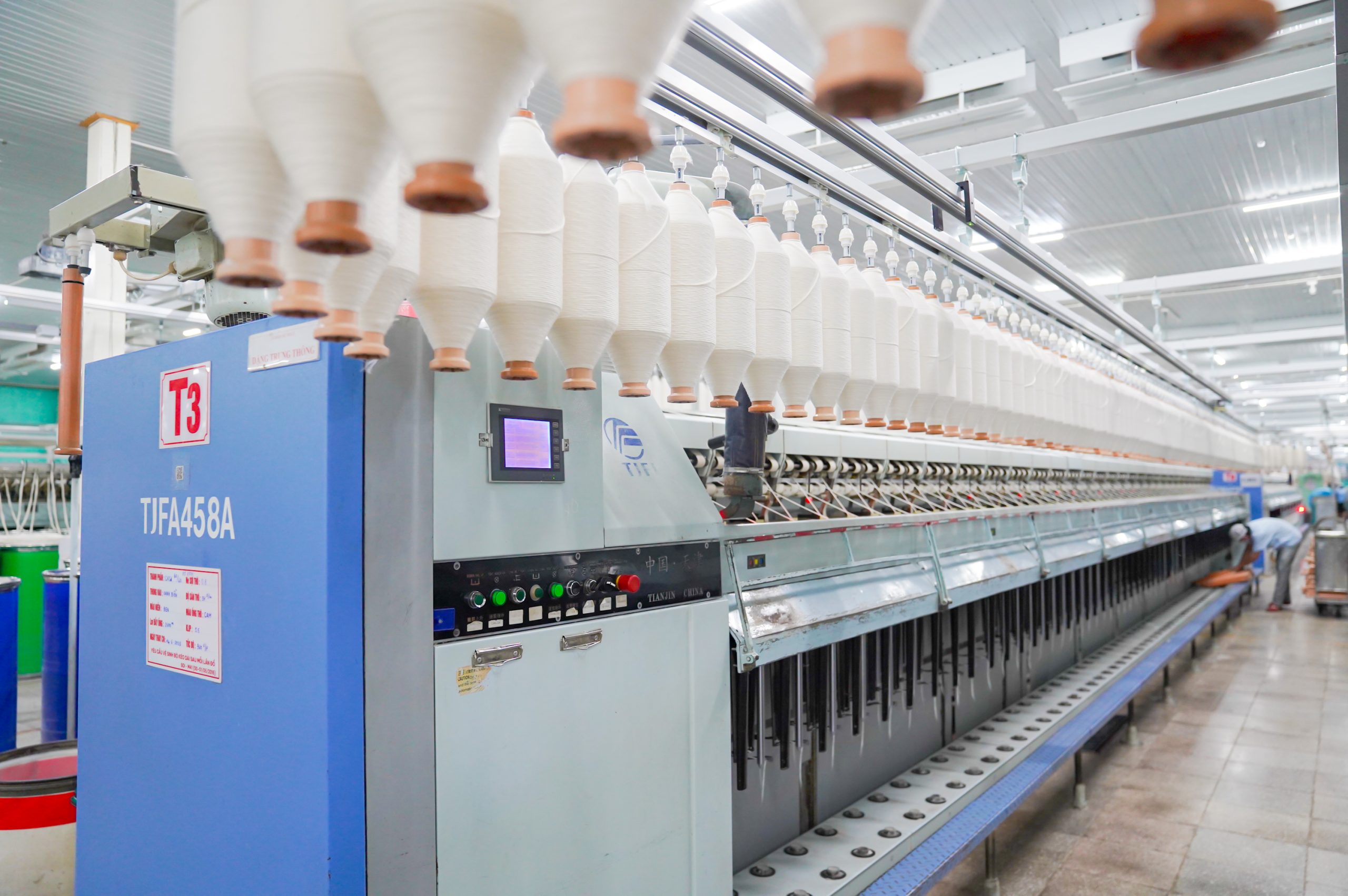
Vinatex’s Yarn sector is one of the key pillars of the Vietnam National Textile and Garment Group, not only in terms of production scale but also in its role in stabilizing the value chain and underpinning the Group’s financial base. With a scale of nearly one million yarn cones, 12 member units, and 22 factories distributed across three regions, the Yarn sector currently represents Vietnam’s large-scale yarn production force, with output of approximately 130,000 tons per year.
The yarn sector is characterized by high capital intensity, technology intensity, and strong exposure to international market fluctuations. Total assets across the sector amount to approximately VND 7,560 billion, nearly 38% of the Group’s total assets, while its share of profit contribution remains disproportionate. This clearly reflects mounting pressure on capital efficiency and increasingly demanding management requirements. The Yarn sector is highly sensitive, being directly affected by fluctuations in cotton prices, oil prices, exchange rates, interest rates, and electricity costs – factors that are cyclical and difficult to manage externally.
In addition, the Yarn sector possesses a large and highly qualified technical workforce, with nearly 4,800 technical employees, in which technology and maintenance take a large proportion. This represents a ‘hard-to-replace’ resource, accumulated over many years of operations, while at the same time imposing high demands for organization, discipline, and standardized competencies.
In this context, maintaining stability and enhancing the efficiency of the Yarn sector is not solely the responsibility of individual units, but a strategic challenge for the Group.
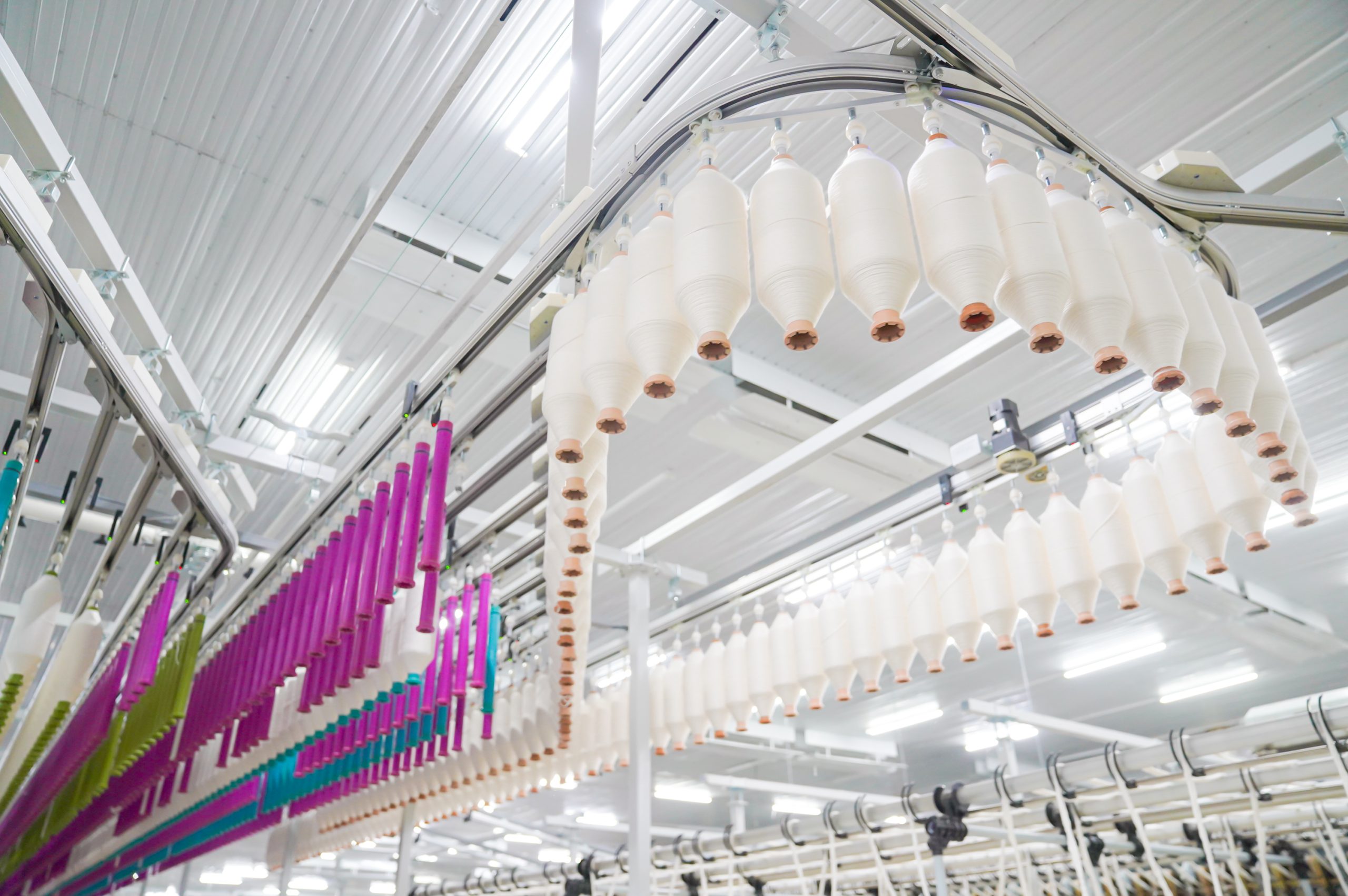
2025: Maintaining Growth as Profit Margins Continue to Narrow
2025 continued to be an exceptionally challenging year for the Yarn sector, as yarn prices declined sharply, market demand recovered slowly, and competition intensified. Against this situation, Vinatex’s Yarn sector still achieved revenue of VND 8,355 billion, fulfilling 96% of the annual plan, and more importantly, recorded a profit of VND 198 billion, equivalent to 115% of the yearly goals.
The most notable highlight of the 2025 results is the clear improvement in operational efficiency, as the ROS ratio reaching 2.4%, compared with a negative level in 2024. This indicates that the Yarn sector has moved off its bottom, transitioning from a defensive posture to a phase of controlled recovery.
However, the profit picture reveals an important reality: profits are not evenly distributed across the system. The bulk of the Yarn sector’s profits is generated by a group of high-performing units, particularly those in the Central and Southern regions, where operational capabilities are more stable, equipment bases are more advanced, and production management is more effective. By contrast, several units in the Northern region and dependent units, while having shown improvement, still require stronger management solutions going into 2026.
The improvement in ROS in 2025 was not an accidental outcome, but the result of operational discipline, close coordination by the Yarn Production and Business Department, and the internal efforts of each unit. This provides an important foundation for the Yarn sector to enter a new phase.
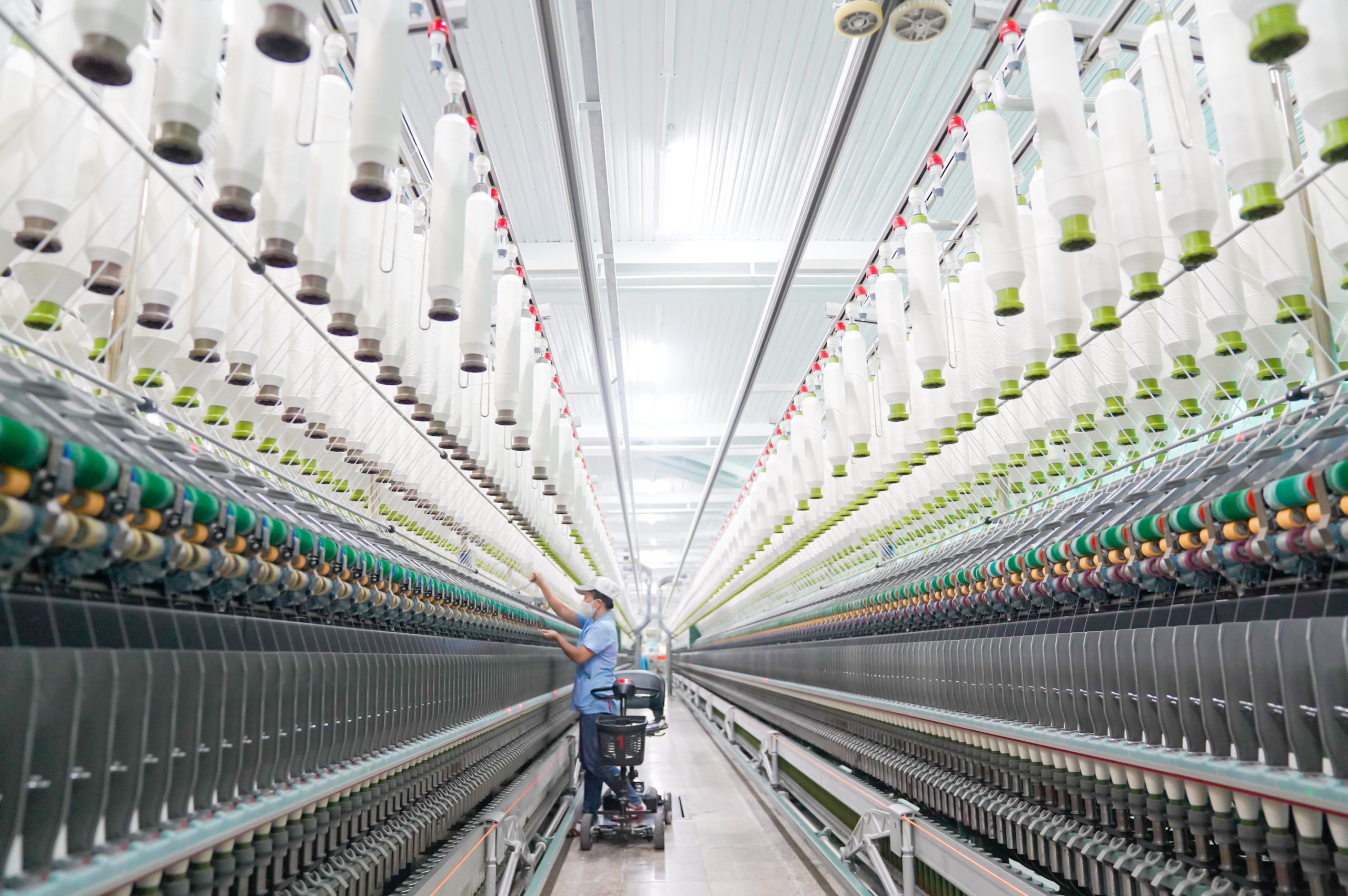
A Shift in Organization and Management
Beyond the financial results, 2025 marked significant organizational and management shifts across the entire Yarn Production and Business Department.
Firstly, the “synchronization – measurement – information” operating axis has been established. The activities of member units are now conducted within a unified management framework, from production planning, performance tracking, as well as analysis and forecasting. Greater emphasis has been placed on measurement systems, with data updated on a regular basis, enabling the Yarn Department and individual units to promptly identify issues and make timely adjustments.
Secondly, the approach toward underperforming units has changed significantly. Instead of providing fragmented, short-term support, the Yarn Department has moved to an accompanying, holistic approach, addressing issues simultaneously across markets, production management, human resources, and finance. This approach has begun to get results, helping several units achieve significant improvements in operating performance.
Thirdly, governance and human resource management have been tightened while capabilities are being disseminated. The application of common governance standards has helped raise the overall baseline of the sector and gradually narrow performance gaps among units. At the same time, centralized procurement, centralized investment approval, and the rotation – cross-linking of high-performing personnel have been implemented, contributing to more efficient use of resources.
These results demonstrate that the Yarn Department has not merely focused on “hitting the numbers” but has gradually built a governance foundation, laying the groundwork for the next phase of development.
Alongside the achievements, 2025 also revealed areas of significant losses that can be effectively addressed through stronger management solutions.
First is the issue of pricing and market positioning. In practice, even for the same product with identical technical quality (IPI, U%), many units within the sector still sell at prices significantly lower than others. The problem is not just at the factory level, but primarily in market positioning and brand strength, resulting in revenue losses of hundreds of millions, even in billions of Vietnamese Dong per product each year.
Second is the issue of output falling short of actual capacity utilization. In 2025, the sector recorded actual output of 130 thousand tons, yet this still failed to reach its realizable capacity, equivalent to a loss of approximately VND 300 billion in revenue and direct profit. This loss stems from production organization and operational management, rather than market conditions.
Third, there is excessive consumption of raw materials beyond the defined standards. Excessive use of cotton and fiber alone, compared to the average level, causes the entire industry to lose tens of billions of VND each year. This is a cost that can be fully controlled through technical standards, operational discipline, and production management.
Fourth, and most serious, is electricity consumption exceeding standard limits, accounting for more than 50% of total losses related to production management. This is not an ‘inevitable cost’ driven by electricity prices, but rather a sign of suboptimal operating systems: machinery running below full capacity, long idle time, inefficient production layout, poorly performing auxiliary equipment, and outdated machinery.
In summary, the total controllable losses in production management in 2025 indicate that there is substantial room to improve the efficiency of the Yarn industry if focused on the right priorities.
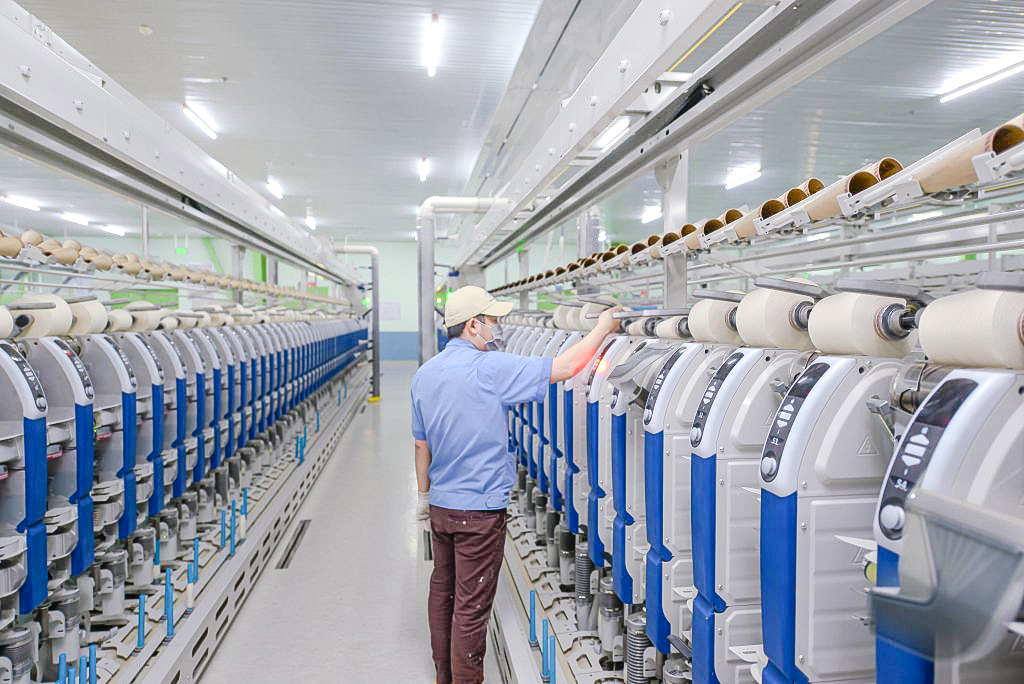
2026 – Growth Linked to Efficiency Enhancement
Based on the above analyses, the Yarn Production and Business Department has clearly defined its strategic direction for 2026.
First, in 2026, the focus will not be on growth at any cost, but on improving ROS and the quality of earnings. Growth is meaningful only when it is accompanied by efficiency and sustainability.
Second, production management and data are identified as the backbone of profitability. Without standardized data, effective management is impossible; without operational discipline, ROS cannot be improved.
Third, strong units are responsible for providing leadership, while weaker units are required to improve with common standards. The Yarn sector will not accept prolonged efficiency disparities that undermine the overall performance baseline of the entire system.
This represents a clear shift from a “self-managed unit” mindset to a system-based management approach.
According to the plan, in 2026 the Yarn sector targets revenue of VND 9,500 billion, a 12% increase over 2025, and profit of VND 310 billion, equivalent to 157% of the 2025 level, with a target ROS of 3.3%.
This plan is not based solely on increasing output, but primarily on improving operational efficiency, controlling resource consumption, optimizing output in line with capacity, and enhancing the quality of management. Detailed plans have been developed for each unit and each quarter, tightly linking output – depreciation – number of production shifts – revenue – profit, reflecting a disciplined, data-driven management approach.
To achieve the 2026 targets, the Production and Business Management Department has identified the following specific short-term and long-term solutions:
In the short term, the focus will be on four groups of solutions: market, operations, production management, and cash flow management – financial risk. Among these, production management and consumption savings are identified as the fastest and least risky solutions for improving profitability.
In the long term, the strategy is to build the Vinatex yarn brand, standardize production capabilities, invest in new product development, and establish an operating structure aligned with actual capacity. Mass-market products will be positioned as the highest-quality standard within their segment, while larger units will take the lead in developing value-added products, creating room for sustainable growth.