
Vietnam’s education sector is entering a period of profound transformation, where innovation is no longer just a slogan but a vital necessity for progress. Major directions centered on autonomy, integration, and quality enhancement have been established as the foundation for the sector’s breakthrough. Within this movement, vocational education institutions as the key providers of high-quality human resources, now stand at a pivotal moment to demonstrate their capability, determination, and vision for sustainable development.
Training Autonomy, Breakthrough in Quality
On August 22nd, 2025, General Secretary To Lam signed and promulgated Resolution No. 71-NQ/TW of the Politburo on breakthrough development in education and training. The issuance of Resolution No. 71-NQ/TW is expected to help resolve long-standing difficulties faced by vocational education institutions, as it clearly states one key policy direction: “ensuring full and comprehensive autonomy for higher education and vocational education institutions, regardless of their level of financial autonomy.” This is considered a strategic solution that enables schools to proactively adapt to the rapidly changing labor market amid the profound impacts of the 4.0 Industrial Revolution and artificial intelligence.
According to Master Nguyen Ngoc Hien, Party Secretary and Headmaster of Ho Chi Minh City College of Technology: “The issuance of Resolution No. 71-NQ/TW gives us renewed confidence and motivation — confidence that the efforts and directions our college has pursued over the past years are on the right track and aligned with the country’s practical development needs. This marks an important turning point, a moment that requires the entire institution to adopt bold, breakthrough, and substantive solutions to affirm its position in the new phase. Over the past two years, we have had to remain flexible and ‘adapt to circumstances’ to sustain operations — promoting the 9+ program as a response to the broader context. However, as the landscape of vocational education is now shifting clearly, this is the right time for Ho Chi Minh City College of Technology to make a breakthrough and seek viable development pathways for the college-level training system, as well as for the evolving 9+ program.”
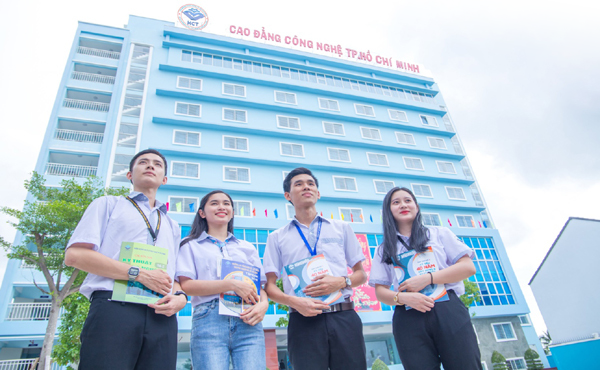
In implementing Resolution No. 71-NQ/TW, Ho Chi Minh City College of Technology has developed a concrete action plan comprising 6 objectives and 7 key solution groups, in which each task is clearly assigned with defined timelines, performance indicators, and a strict monitoring mechanism.
The school’s overarching goal is comprehensive development toward national standards and international integration, with the following key milestones:
-
By 2030: Become a nationally accredited vocational education institution, with at least 5 key disciplines meeting international standards.
-
By 2035: Rise to join the group of leading high-quality vocational training institutions in the region, taking the lead in information technology, digital engineering, renewable energy, and green technology.
-
By 2045: Achieve international standards in both quality and facilities, with at least 20% of training programs equivalent to those of advanced Asian countries.
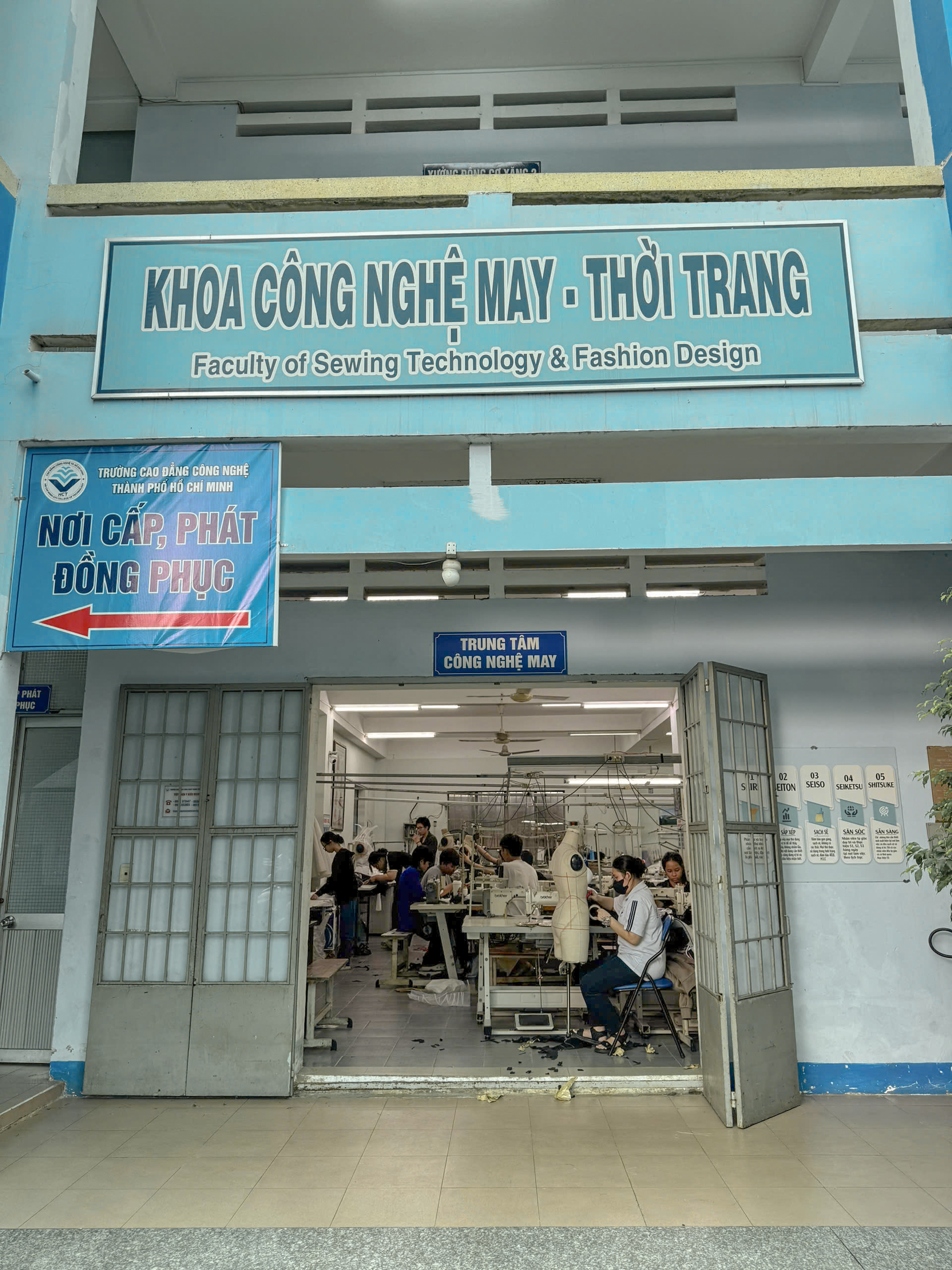
To translate these goals into action, the college is implementing a comprehensive set of measures, including: enhancing awareness and action-oriented thinking; reforming governance and training organization; accelerating digital transformation; developing a qualified and competent teaching workforce; modernizing facilities; strengthening international cooperation; and promoting financial autonomy in alignment with sustainable development.
Headmaster Nguyen Ngoc Hien stated that the college has identified three major breakthroughs to drive progress in the new era: a breakthrough in mindset, a breakthrough in digitalization, and a breakthrough in vocational specialization. Among them, the breakthrough in mindset is considered the most fundamental — built on the spirit of self-reliance, determination, and effectiveness that the college community has cultivated throughout recent challenging years. The digitalization breakthrough is reflected in the renewal of training programs, teaching methods, and the enhancement of lecturers’ competencies in foreign languages and information technology; many courses and practical modules have been transitioned to digital platforms, allowing learners to access knowledge in a more flexible and modern way. Finally, the vocational breakthrough represents a strategic direction aimed at strengthening the connection between training, enterprise needs, and labor market demands, while continuously improving teaching quality, which remains the key factor in affirming the college’s credibility and reputation within vocational education system.
“We are fully aware that while opportunities are expanding and conditions are increasingly favorable, the challenges ahead remain significant. After a long and difficult period, the entire college has forged strong resilience, high political determination, solidarity, and an aspiration to rise. The college does not pursue short-term growth but is instead building a long-term strategy aimed at stable and sustainable development”. Master Nguyen Ngoc Hien affirmed.
Quality education is the key to progress
Originally established in 1978 as the Technical Garment Workers School, Ho Chi Minh City College of Technology has undergone 47 years of formation and development, with multiple upgrades and expansions to meet the evolving needs of society. From its beginnings as a specialized training institution in garment technology, the college has grown into a comprehensive vocational education provider with over 110 lecturers and staff, nearly 5.000 students enrolled in intermediate and college-level programs. It has also organized numerous short-term training courses for thousands of officers and managers from textile and garment enterprises across southern Vietnam. Continuously expanding its scope of operations, in addition to its main campus in Ho Chi Minh City, the college now operates a branch campus in Trang Bom, Dong Nai, enhancing its training capacity and strengthening its connection with the human resource demands of major industrial zones in the southern region.
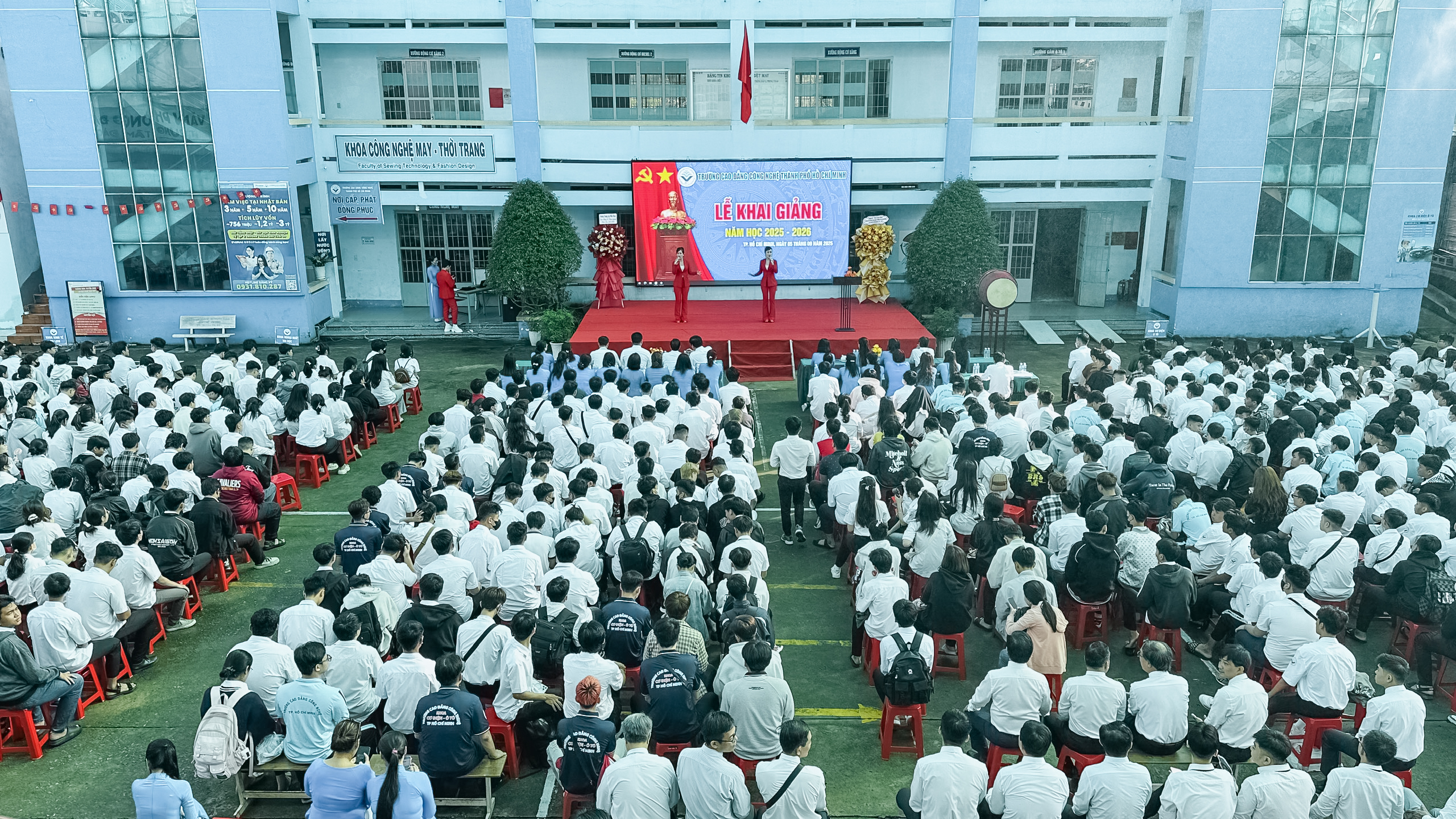
After enduring a long period of difficulties, particularly during a period of significant shifts in the labor market and the transition toward institutional autonomy, the college has remained steadfast, thanks to the spirit of “steadfast and dedicated” of its staff and lecturers, viewing the school’s development as a shared mission. It is precisely this inner strength that has enabled the college to maintain stability, gradually recover, and expand its training scale from just over 1.000 to more than 4.000 students within only a few years, thereby building a solid foundation for its next stage of development.
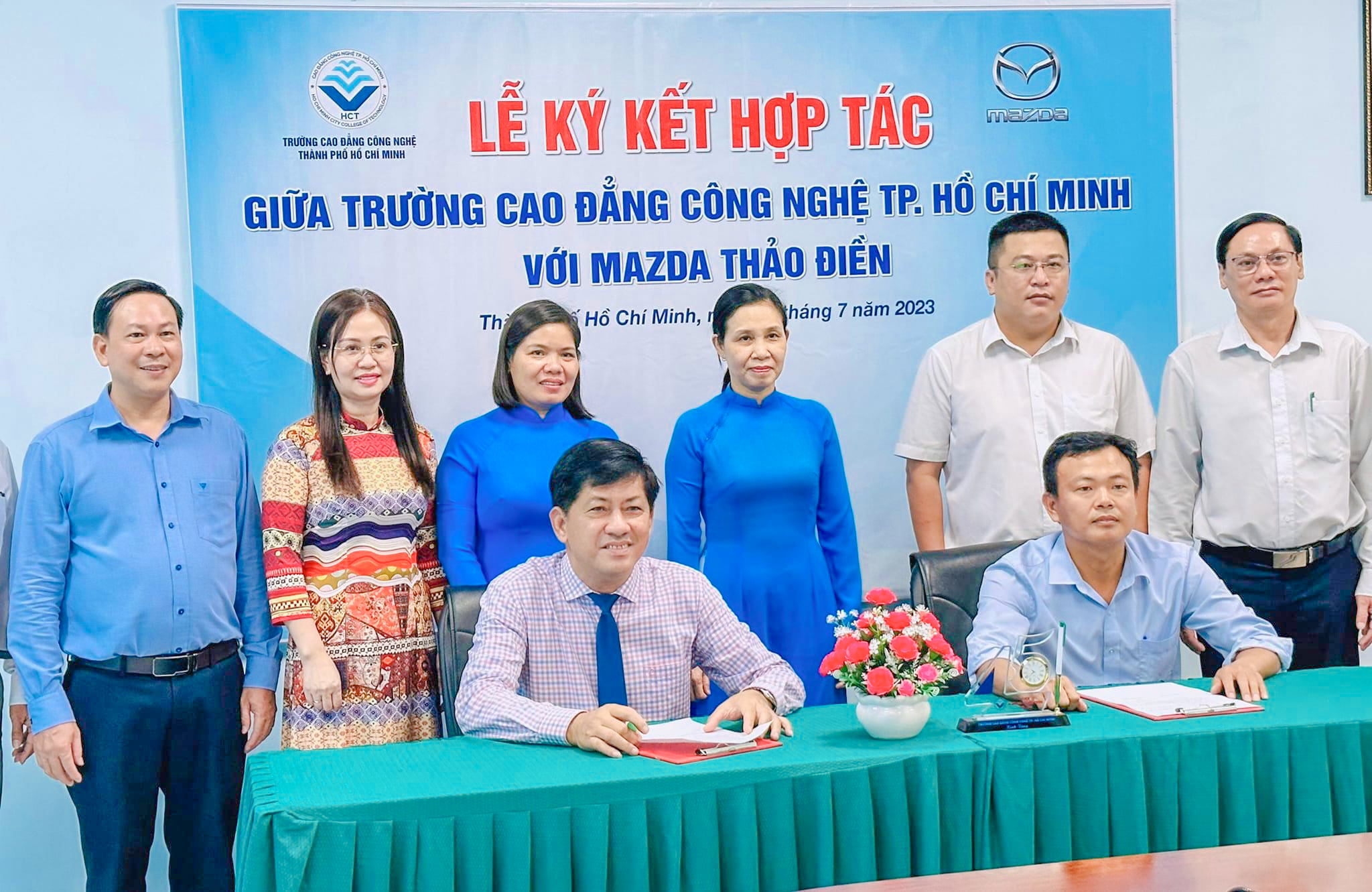
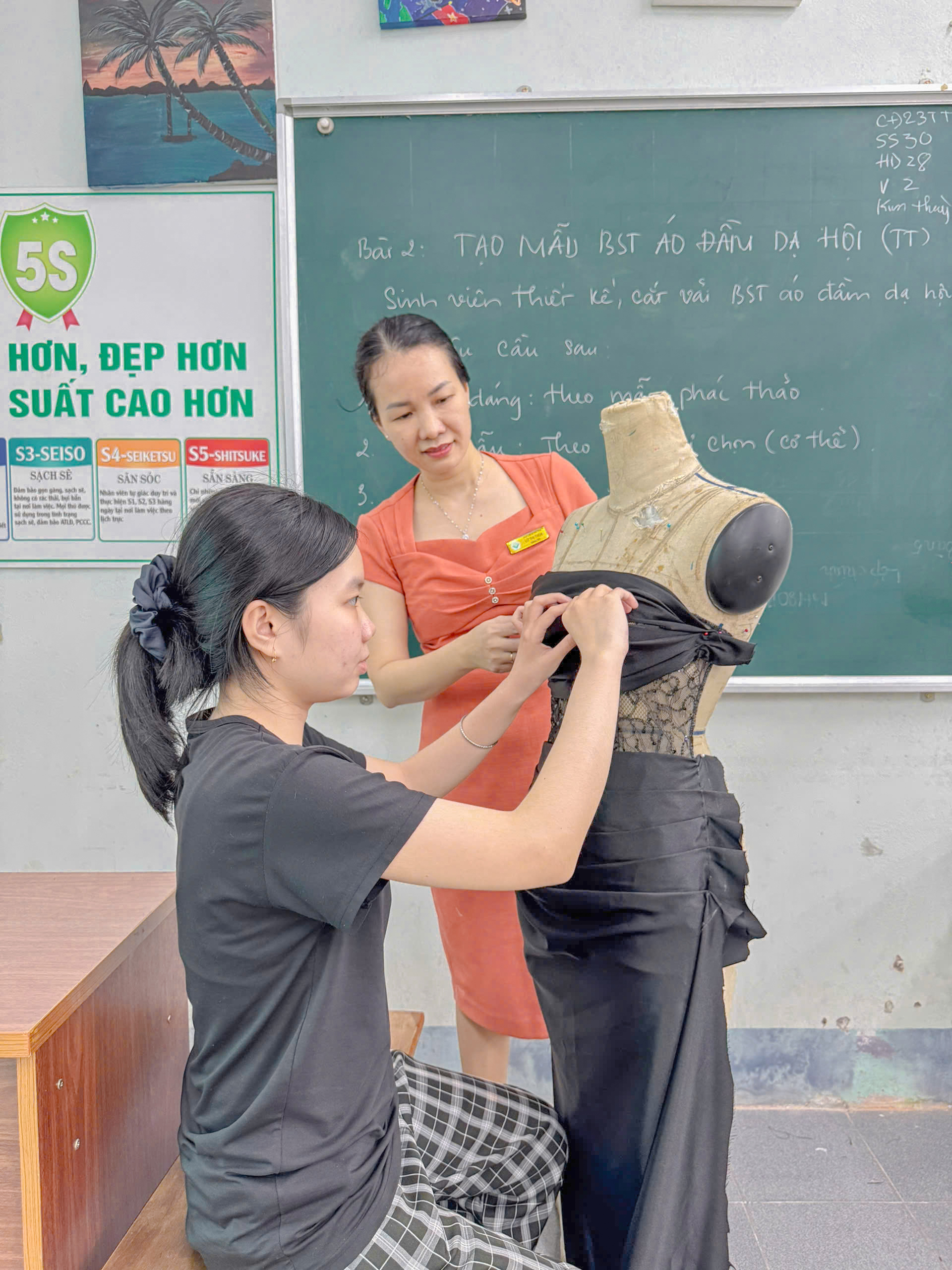
In response to the new demands of the labor market, the college has researched, developed, and launched several new training programs under the motto “Education aligned with social needs.” This approach has become the key to attracting students while simultaneously enhancing the school’s training capacity. At present, the college offers 14 intermediate-level programs and 27 college-level disciplines, attracting a large number of students. The main “secret” behind this appeal lies in its training model that integrates theory with practice, enabling graduates to work immediately upon completion of their studies, which is highly valued by employers. The college continuously updates and renovates its programs to stay closely aligned with real-world applications, meet enterprise requirements, and keep pace with modern technological trends. Key programs such as Automotive Engineering Technology, Refrigeration and Air Conditioning Engineering, Culinary Arts, Beauty Care, Information Technology, Graphic Design, Industrial Electricity, and Digital Marketing have all been upgraded in content and structure. These improvements include expanded practical and laboratory sessions in modern workshops and labs, as well as closer collaboration with industry-supported real-world projects. Alongside technical training, students also develop soft skills such as communication, teamwork, critical thinking, digital literacy, and entrepreneurship through extracurricular activities, professional clubs, and creative competitions organized by the college. In addition, the school collaborates with reputable institutions such as Ho Chi Minh City University of Technology and Education, Industrial University of Ho Chi Minh City, University of Industry and Trade of Hanoi, and University of Finance and Marketing to broaden pathways for academic transfer and progression. It also promotes international cooperation programs in internships, study exchange, and skilled labor export to countries such as Japan, Germany, and South Korea.
As a public institution operating with full autonomy, the college faces several financial constraints, particularly the inability to secure bank loans like private institutions. However, driven by a strong spirit of “self-reliance”, the school has proactively sought socialized funding sources, leveraged investment projects, and built up its internal resources for sustainable growth. Soon, in addition to developing sports facilities, a gym, dining areas, and versatile learning spaces fully equipped with modern amenities, the college plans to construct a modern 18-story building – aiming to create a comprehensive, student-centered environment for learning and campus life.
“For us, students are not only the starting point but also the driving force and the final outcome of the entire training process. Currently, over 80% of our graduates are employed in jobs relevant to their fields of study, which is the clearest evidence of the college’s training quality and institutional reputation,” Mr. Hien added.
With a clear vision, a well-defined strategy and a spirit of self-reliance forged over nearly half a century, Ho Chi Minh City College of Technology is now ready to enter its “moment of breakthrough” — a breakthrough in mindset, action, and training quality. This is not merely a step forward for a single vocational education institution, but a powerful manifestation to the determination and aspiration for innovation shared by the entire sector in its journey toward building a modern, autonomous, and globally integrated Vietnamese education system.