
By the end of November 2025, the economic outlook was mixed, both spread momentum and required confronting emerging risks, calling for better proactiveness and adaptive capacity. Vietnam’s Textile and Garment industry has continued to pursue strategic solutions to respond to market volatility and to deepen its participation in global supply chains. In this context, Vinatex Magazine held a discussion with Dr. Le Tien Truong, Chairman of the Board of Directors of the Vietnam National Textile and Garment Group (Vinatex)
*Against the context of global geopolitical uncertainty, how has Vietnam’s textile and garment industry adapted to maintain export performance?
The overall context this year has been marked by far greater market volatility than in previous years, driven by new reciprocal tariff policies and the frequent adjustments of tariff rates across different countries, leading to repeated shifts in trade flows. As a result, orders have become smaller in size, shorter in duration, and subject to continual fluctuation.
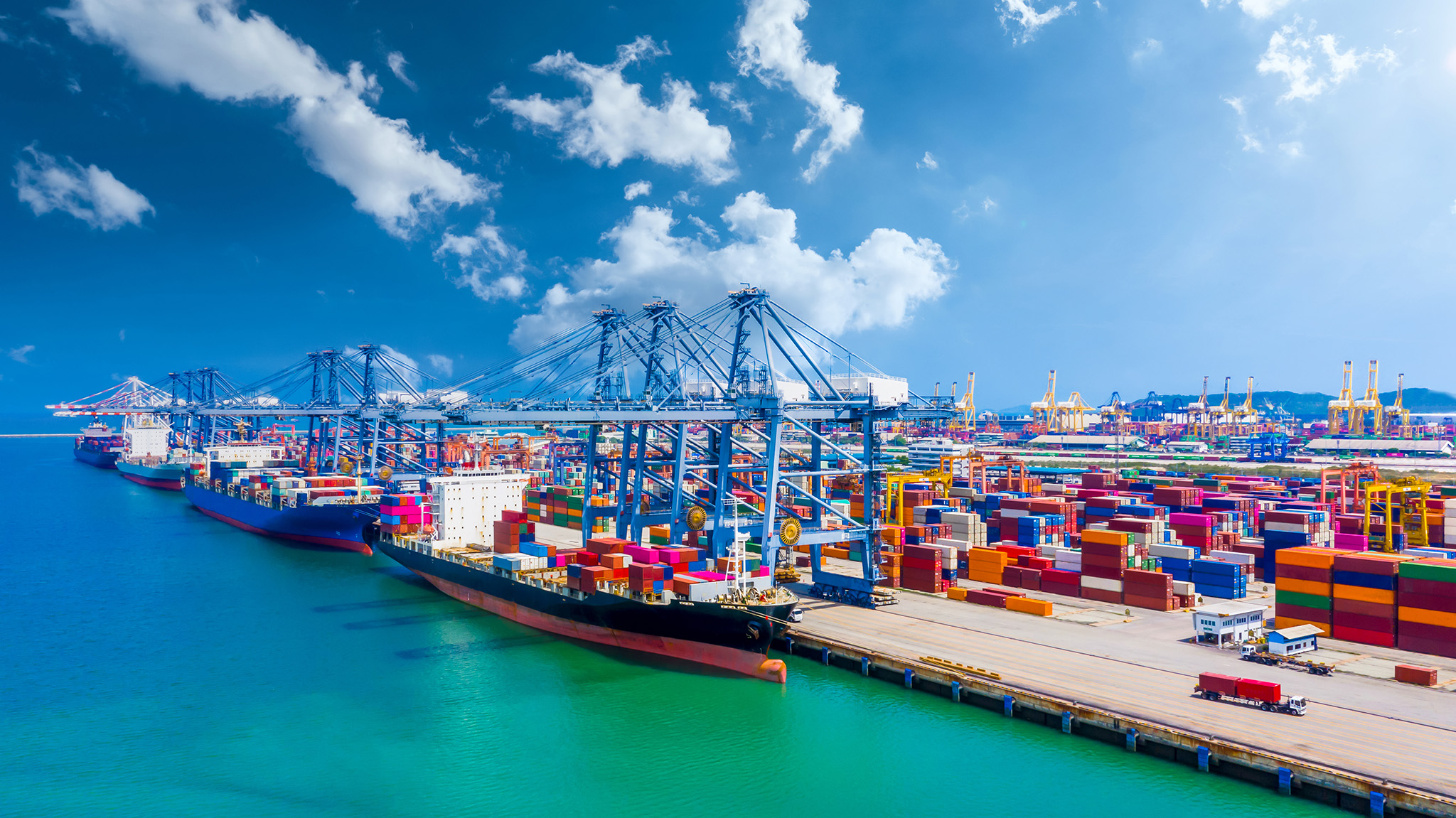
However, 2025 proved to be another year of effective adaptation for the textile and garment industry. Export turnover is estimated to reach USD 46 billion, up around 5% compared with 2024. Overall, the industry managed to keep global tariff volatility largely under control, thereby limiting negative impacts on performance. At present, Vietnamese textile and garment products are present in 138 markets worldwide. Among these, the United States remains the principal market, with estimated exports of USD 18.6 billion (up 11.75% year on year), while apparel continues to be the dominant export category (approximately USD 38 billion / USD 46 billion in total export value).
This outcome was the result of a flexible management approach throughout 2025, during which we were able to capitalize on the window of opportunity created by the waiting period before new tariff rates were applied in the first 90 days. Accordingly, from April 2nd to August 8th, export turnover increased significantly during this period, achieving a growth rate of nearly 15%.
The management experience of 2025 offers an important lesson: amid heightened global geopolitical and geo-economic volatility, overall corporate governance, operational agility, rapid decision-making, and the willingness to take well-considered risks at the enterprise level are decisive factors for success or failure. These results were also made possible by a high degree of alignment and support from employees and relevant stakeholders across society.
Also in 2025, in addition to maintaining market share in the U.S. market, we diversified our exports into a range of other markets, including Europe, Japan, and South Korea. The key lesson from this process was the ability to pursue market diversification while responding swiftly and making timely decisions amid frequent changes in countries’ tariff policies, and to capitalize on very narrow windows of opportunity created by temporary delays in the implementation of reciprocal tariffs.
*Amid multiple Free Trade Agreements and strict Rules of Origin requirements, Vietnam’s textile and garment industry has worked to build greater self-sufficiency in raw material supply. How would you assess the progress achieved so far?
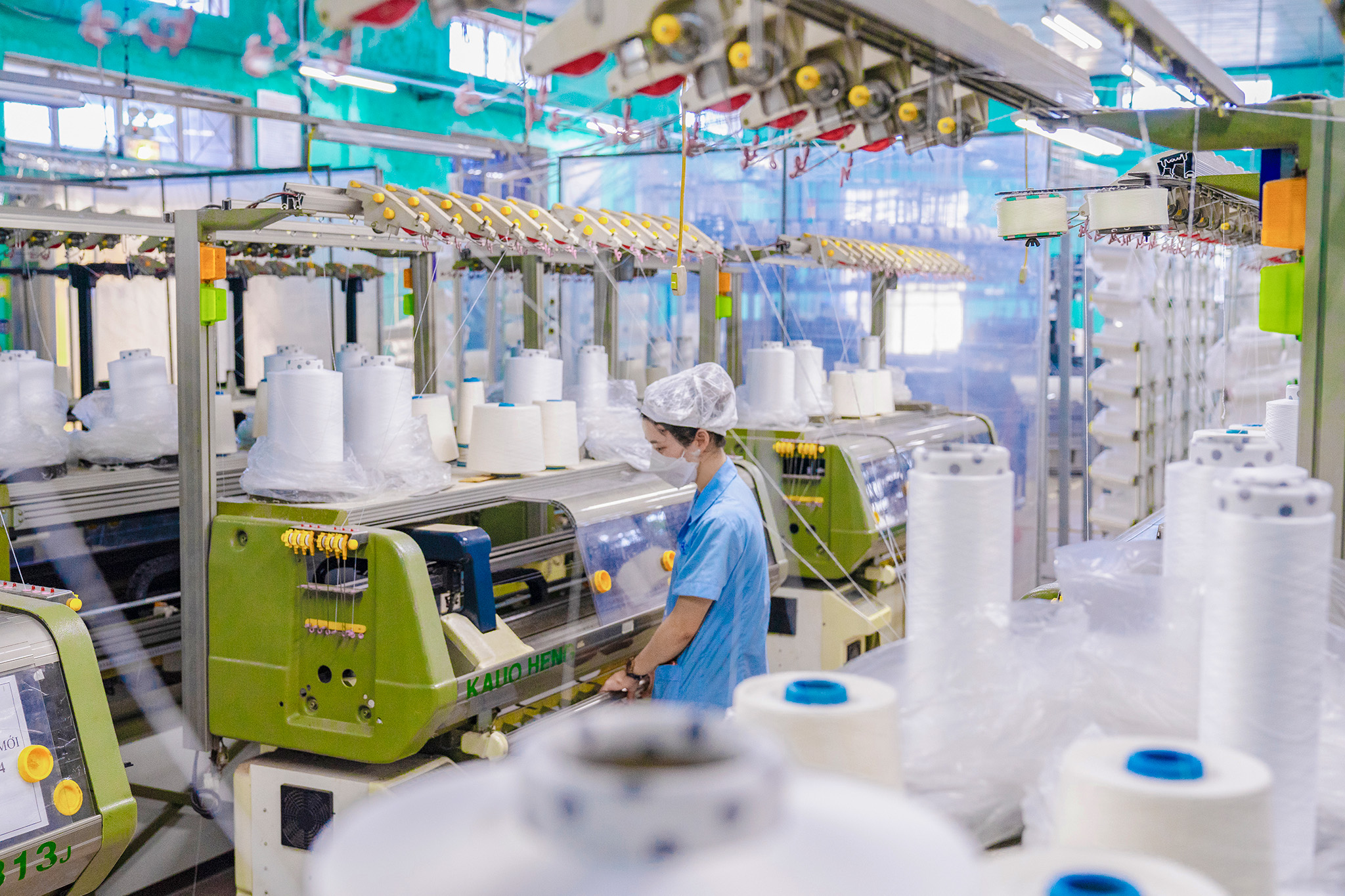
According to a report dated October 2nd by the Central Policy and Strategy Committee, among Vietnam’s export sectors, the textile and garment industry is one of those with the highest localization rates, reaching 45–48%, compared with only 15–18% in the electronics sector. In addition, the value added of Vietnam’s Textile and Garment industry is also among the highest in the manufacturing and processing sectors, at approximately 40%. This demonstrates a steady process of scaling up production while substantially improving localization rates. Compared with the world’s five largest textile and garment exporters, Vietnam ranks third in terms of raw material sourcing capability, behind China and India.
This process encompasses both investment activities by domestic enterprises and the ongoing reconfiguration of global supply chains, in which large-scale FDI enterprises invest in raw material production, forming closed loop supply chains in Viet Nam. At the same time, we have deliberately chosen a segment that is not a low-cost, mass-market, we operate in the mid-to-high segment. This segment requires a strict compliance with Rules of Origin. As a result, although we entered raw material production later, we moved directly into products that fully meet Rules of Origin requirements and are positioned in the mid-to-high segment, with a strategic orientation toward the high-end markets that are less sensitive to price fluctuations and tax policy changes.
*With the Vietnam National Textile and Garment Group, could you share the story of achieving self-reliance in raw material supply across the entire production chain of the system?
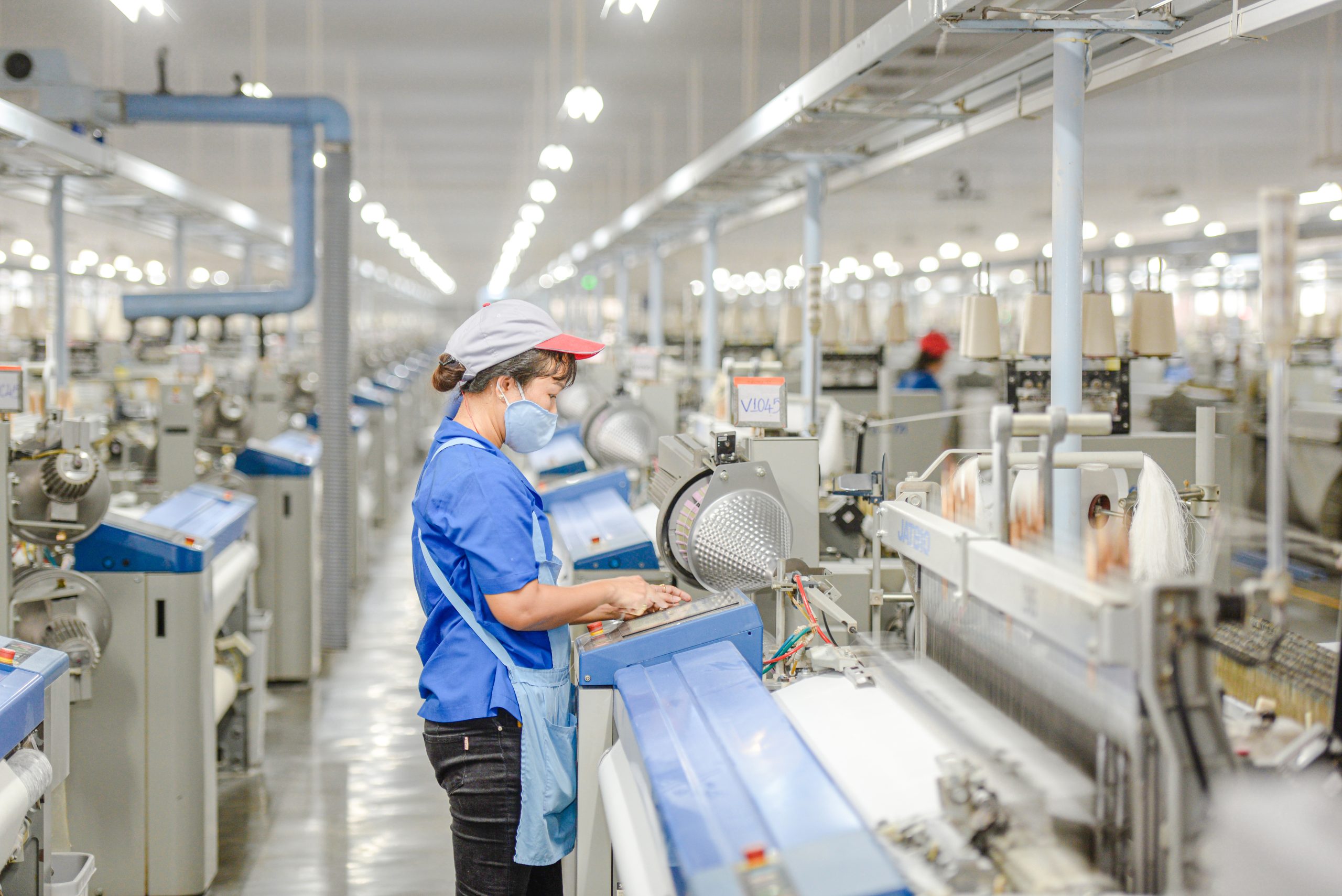
Vinatex is a textile and garment enterprise with the distinctive characteristic of having a relatively complete fiber–textile–garment supply chain, shaped by the long history of its member companies, which were established and structured to produce these product categories. Currently, within the Vietnam National Textile and Garment Group, in addition to the Group’s overall operations and the independent production and business activities of each member enterprise, we manage our operations across two main production and business segments: yarn and garments. In this structure, yarn and fabric production are closely linked in supply with the garment sector, so that, in principle, most products use raw materials sourced within the system. However, in practice, the scale of raw material production remains much smaller than the scale of the Group’s garment sector, which necessitates further expansion of raw and auxiliary material manufacturing to support production.
Expanding the scale of raw and auxiliary material production requires 2 key factors. The first is approval from the global supply chain, in which buyers and designers accept our materials for their supply chains. This is a lengthy process, starting with pilot production and small, fragmented orders, and gradually progressing to large-scale, long-term orders in subsequent years. A key difference for Vietnamese enterprises is that we do not yet have an established position in the supply chain from a raw material perspective. This contrasts with FDI enterprises, which relocate production from other countries to Viet Nam but already hold positions within the supply chains of Walmart, Target, Uniqlo, or other fashion systems. As a result, once they stabilize production and complete their investments, they can immediately operate at large scale and fully utilize their installed capacity. In Viet Nam, and for Vinatex in particular, the process must be undertaken step by step. Entry into the supply chain has to begin with small orders and sample collections offered for the following year, at a stage when concrete business and production outcomes may not yet be visible.
Second, financial considerations must also be carefully assessed when investing in raw material production, as this is a sector that requires very large scale capital. Enterprises need to calculate and balance their financial health and generated profits against research and development costs, in order to avoid a situation in which a company has a sound strategic orientation and strong development potential, but due to an inappropriate investment scale and financial imbalance lacks the capacity to sustain long-term growth.

*And how is the trend toward greening and sustainability in the textile and garment industry evolving at this point, sir?
In practice, up to this point, green related regulations in the largest market for Viet Nam’s Textile and Garment industry – the United States remain unclear. The U.S. has slowed several decisions related to the “green” development agenda and has taken certain steps back. In Europe, given the nature of the market and the fact that European countries were among the initiators of the green production agenda, this direction continues to be maintained, although there have been delays in implementation timelines. Overall, green development remains a long term trend, but at present it can be seen as not yet having a direct or immediate impact on production and business operations.
In reality, over the past 2 years, as the market has faced significant challenges, green products have not recorded strong growth. From an industry wide perspective, growth in green products may be seen at a small number of enterprises, but for the majority there has been little change. Even products such as yarn made from recycled materials and garments with a high recycled content have not shown growth, primarily because recycled products are currently priced significantly higher than conventional products. As a result, in the context of ongoing economic difficulties and a demand recovery that has yet to fully materialize, green transformation trends and green products have not been pursued in an aggressive manner.
We recognize that, sooner or later, the overall direction of the global economy will be toward green transformation. However, the transition must follow different roadmaps, with the objective of introducing new changes in the textile and fashion industries to reduce environmental impacts. The green transition roadmap follows the 3R framework: Reduce – Reuse – Recycle. In other words, the priority is first to reduce, then to reuse products that remain in good condition, and only finally to recycle.
It can be said that a gradual reduction will have a significant impact on order volumes. Only textile and garment enterprises with strong capabilities and very high production quality will be able to remain competitive in a context where the total number of global orders declines. The overarching goal of the 3R approach is to reduce emissions and minimize environmental harm. However, the first two solutions are clearly more cost-effective and directly target what will gradually take shape among consumers over the long term, that’s consumption styles, consumption culture, and the development of genuine saving habits in order to protect the environment.
By contrast, the third solution – Recycle is the most expensive. Recycling involves using materials that are no longer in use and have been discharged into the environment to create textile materials, which are then made into garments that meet aesthetic requirements while remaining environmentally friendly and safe for consumers’ health. This approach requires substantial efforts in ideation, research, and the invention of technologies that can process waste into fibers without consuming excessive natural resources such as water and electricity.
For Vietnamese enterprises, the green transformation trend requires the development of eco-friendly materials, optimization of dyeing processes, reduction of emissions, and the application of circular design principles.
*Sincerely thank you, sir!