
By: Quang Nam
With the common objective of the Vietnam National Textile and Garment Group (Vinatex) for 2026 defined as “enhancing the efficiency of what already works across the entire system”, its key units have progressively implemented a set of targeted, priority, aimed at strengthening internal capabilities, boosting total factor productivity, and ensuring sustainable development. The year 2026 is therefore positioned as a critical foundation year for future breakthroughs, toward the successful execution of the 2025 – 2030 strategic plan.
By the upcoming Lunar New Year of the Year of the Horse (Binh Ngo) 2026, Vietnam Textile and Fashion Magazine held conversations with the leadership of several Vinatex member companies to discuss the Vietnam National Textile and Garment Group’s overarching direction for 2026.
Mr. Nguyen Ngoc Binh – CEO of Hoa Tho Textile – Garment Joint Stock Corporation: Enhancing Comprehensive Efficiency, Proactive Market Adaptation in 2026
In 2025, Hoa Tho Textile – Garment Joint Stock Corporation (Hoa Tho) implemented a wide range of solutions with a strong focus on performance and efficiency across multiple areas, covering the Group’s entire production and business operations. The decisive and synchronized execution of various action programs delivered encouraging business results in a year marked by significant market volatility, as detailed below:

In the business field: Developing and sticking to scenarios for evolving tariff policy developments; working in close coordination with customer partners to address issues arising across the entire value chain from raw and auxiliary material preparation and production to delivery and payment settlement. Maintaining stable relationships with traditional partners while actively promoting the development and expansion of new customers and brands. Evaluating and selecting customers and product lines that are well aligned with the equipment and technological capabilities of each plant in order to maximize equipment utilization and labor productivity, enhance product quality, and improve production and business efficiency, with particular attention to plants that still have growth potential. Further improving order quality and aligning sourcing orientation with the production capabilities of each plant.
Seamless and flexible coordination driving efficiency: Production units work closely with the business division to flexibly meet production timeline requirements, accelerate deliveries, develop new samples, and submit competitive quotations on time. Factories and business units jointly align on solutions to increase CM revenue and manufacturing profits, while implementing a range of initiatives to improve processes, invest in automated machinery and equipment, and continuously enhance manufacturing execution systems at factories. Securing stable, long-term orders well suited to each factory has facilitated effective production planning, quality control, productivity improvements, and strong compliance with customer requirements, ultimately delivering tangible gains in overall production and business performance.
Digital transformation initiatives: Selecting key factories to implement MES software (Manufacturing Execution Systems that integrate information, control, and monitor the entire production process within the factory) and deploying it in phased modules, thereby enabling gradual rollout across all factories from raw and auxiliary material warehouses to finished goods areas. Scaling up the digital transformation model from successfully implemented factories to other factories. Upgrading and regularly updating data for the ERP system; developing in-house application software at the Corporate Office to reduce paper usage through digital signatures and online approvals; Overall, Hoa Tho still has many areas to be digitized in the coming period, to achieve comprehensive management on a digital platform.
Production improvement initiatives: Factories have actively participated in the Corporation’s improvement programs through innovation and continuous improvement initiatives, with practical applications in production operations that contribute to higher productivity, improved quality, and enhanced production and business efficiency. Units also regularly promote employee idea-suggestion programs and incorporate these contributions into the system.
Human resources: Conducting reviews of processes, systems, and organizational structures across factory units to improve and streamline operations through functional integration, consolidation of roles and responsibilities, elimination of intermediate layers, and reduction of indirect labor; Maintaining and stabilizing a skilled workforce with solid competencies, long-term commitment, and specialized experience.
Entering 2026, Hoa Tho will implement a range of concrete measures to enhance efficiency and effectiveness while unlocking areas with remaining growth potential. The Corporation will focus on successfully developing new products with higher value-added and differentiated raw materials. It will continue to rationalize its customer portfolio, identifying core product lines for each factory based on performance assessments as well as the level of cooperation and long-term partnership support from customers. Efforts will be made to improve lower-performing factories so they can catch up with top-performing ones, while factories that are already effective will continue to enhance performance, with a strong emphasis on boosting productivity across all garment and yarn plants. Management software at the factory level will be further refined, progressing toward digital-based operations and continuous updates aligned with emerging technologies. Completing the development of its competency framework and implementing a workforce planning roadmap through 2035, with a vision to 2045, to prepare human resources for development from 2026 onward. In parallel, working capital turnover will be improved and financial efficiency enhanced through flexible measures, alongside strengthened risk management in system operations, investment, and finance.
Mr. Nguyen Quang Minh – CEO of Viet Thang Corporation: Enhancing Production Efficiency through Lean Management and Tight Cost Control
Over the past years, to achieve strong results and consistently rank among the most efficient Fabric-textile units within the Group, despite enduring a harsh pandemic period, a sharp downturn in the textile and garment market, and a transition in the management leadership team, Viet Thang Corporation (VICOTEX) has always upheld a spirit of unity, continuous learning, creativity, and resilience as its guiding principles, enabling the company to overcome challenges and reaffirm its position in the marketplace.
To achieve these results, the Corporation implemented a range of coordinated management measures to preserve its resources during challenging periods and to capitalize on strong growth opportunities as the market rebounded, as outlined below:
(1) With more than 60 years of experience in the woven-fabric industry, VICOTEX is one of the largest woven-fabric manufacturers in the Southern region as well as nationwide. Each year, the company supplies tens of millions of meters of fabric to both domestic and international markets, earning strong customer trust and high recognition for quality and design. Notably, VICOTEX has successfully penetrated the highly demanding Japanese market, which is known for its stringent requirements. This stands as clear evidence of the Corporation’s development and its firmly established position among customers.
(2) Viet Thang Corporation has been fortunate to receive the trust and close support of its shareholders, along with strategic leadership and well-calibrated guidance from the Board of Directors (BOD) tailored to each development phase. Moreover, the BOD members are all seasoned professionals in the textile and garment segment, actively contributing to board discussions and the adoption of resolutions that serve as the foundation for implementation by the Executive Management.
(3) The Executive Management has closely and flexibly implemented the resolutions of the General Meeting of Shareholders and the Board of Directors in line with each period and the actual conditions of the Corporation. A range of management measures has been applied, including: developing specific and detailed action plans to reduce costs and enhance productivity and quality in response to customer requirements and market trends; adjusting production models and product mixes in line with practical conditions; implementing the comprehensive Bravo 8 management software to improve data transparency and support faster, more effective managerial decision-making; rolling out risk management programs to prevent risks and minimize losses arising from external contingencies; and continuing the execution of orders that have been developed and are being expanded for the Garment segment in 2025.
To capitalize on opportunities arising from Garment orders increasingly shifting to Vietnam with requirements for domestically sourced raw and auxiliary materials, the Corporation will continue to seek additional domestic partners. In parallel, VICOTEX will intensify research and development of new products that fully meet customer requirements. A key element of this preparation is the organization of assessments and the attainment of certifications such as OEKO-TEX, GRS, GOTS, GAP, and HIGG, thereby positioning the company to seize opportunities as demand in the Garment segment increases.
In 2026, in line with the Group’s overarching objective of ”Group-wide overall efficiency”, VICOTEX will focus on fully leveraging its existing strengths, with product quality as the central pillar for serving customers and enhancing customer value. On this basis, the Corporation will accelerate the expansion of export markets, strengthen relationships with strategic customers, and proactively seek out and develop new customers with stringent requirements for quality and supply chain stability.
In parallel with market development, VICOTEX will place strong emphasis on improving overall efficiency by optimizing the entire value chain from Yarn – Weaving – Dyeing – Garment, while exercising strict cost control, reducing waste, enhancing labor productivity, and improving asset utilization efficiency. The Corporation’s Leadership has identified 2026 as a year to intensify in-depth investment, advance technology upgrades, and refine management practices, thereby establishing a solid foundation for sustainable growth in the subsequent period.
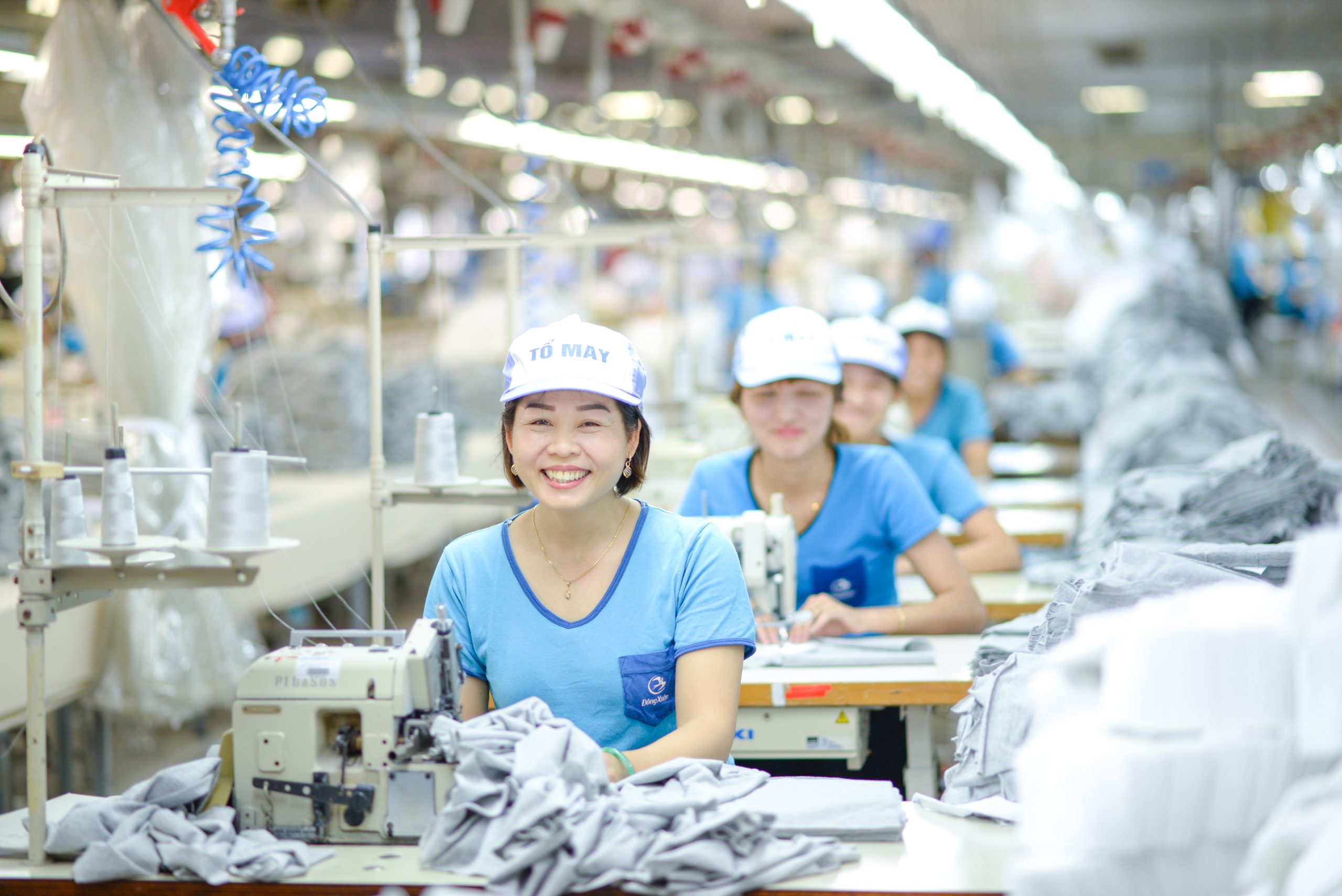
Mr. Nguyen Dang Loi – CEO of Dong Xuan Knitting Sole Member Limited Liability Company: Enhancing Overall Efficiency – A Strategic Focus in Production and Business Management for 2026
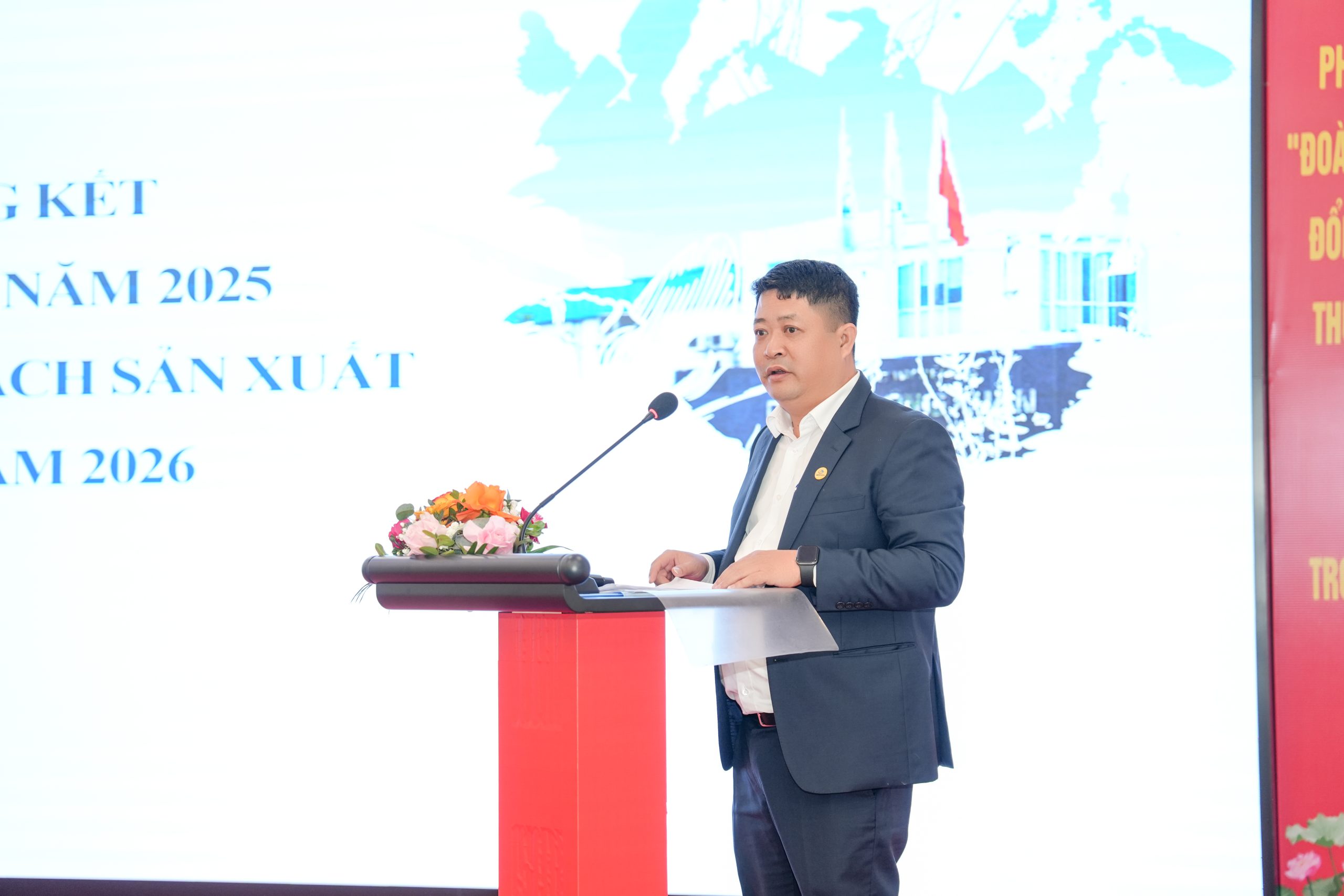
As 2026 begins, amid a textile and garment market that continues to face intense competitive pressure, cost volatility, and increasingly stringent customer requirements, Dong Xuan Knitting Sole Member Limited Liability Company (DOXIMEX) has clearly defined its overarching direction as enhancing overall efficiency to sustainably improve production and business performance. This is not merely a short-term objective, but also a critical foundation for long-term growth.
According to the plan, the key tasks for 2026 focus on increasing labor productivity by 8–10% while reducing total operating costs by 3–5% through technical improvements, scientifically organized production, and cost-saving practices across all stages. In parallel, DOXIMEX will prioritize stabilizing and developing its workforce, continuing to recruit additional workers for its two Garment factories, and enhancing workforce quality to meet increasingly demanding production requirements. Accelerating digital transformation across the entire weaving – dyeing – garment chain, improving fabric and garment quality, and optimizing asset utilization and production facilities are identified as critical tasks.
To translate these objectives into reality, DOXIMEX will implement a coordinated set of solution groups, with particular emphasis on enhancing production efficiency in conjunction with lean management practices and rigorous cost control. From a market perspective, the company will continue to maintain and expand cooperation with strategic export customers such as Ogran, AEON, ITOCHU, and HBI, while proactively seeking additional new customers to diversify markets and reduce reliance on traditional ones. Leveraging product lines in which DOXIMEX holds competitive advantages is regarded as a key approach to increasing value-added and improving order efficiency.
In production management, the focus is placed on improving technological processes and labor organization, regarded as direct “levers” for enhancing productivity and efficiency. Energy audits, along with reviews of water, steam, and thermal systems, are being conducted to reduce waste and save operating costs. In the Garment stage, detailed motion analysis, elimination of redundant steps, and effective utilization of automated equipment, such as automatic cutting and fabric spreading machines invested in since 2025, have helped increase productivity and reduce reliance on manual labor. Certain auxiliary processes, including packaging and labeling, continue to be automated to optimize costs and improve overall efficiency.
In parallel, DOXIMEX will intensify cost-saving practices and review and adjust economic and technical norms at both the Dyeing Factory and the Garment Factory. Inspection and supervision will be conducted on a regular basis to promptly detect defects, reduce scraps, and lower inventory levels. Specific targets such as increasing CM in the Garment segment by 5–10% for repeat orders, reducing Grade C fabric and scrap rates to 1%, and raising the first-time correct dyeing rate to 90.5%, demonstrate a clear commitment to improving efficiency and product quality.
People remain at the core of all solutions. DOXIMEX will prioritize a comprehensive review of its wage policies, shifting toward performance-based contracting and higher CM unit rates to empower production units with greater autonomy, supported by clear and transparent reward – penalty mechanisms to strengthen work motivation. Recruitment efforts will be intensified under the principle that “every employee is a recruiter”, combined with skills upgrading and certification training, improvements to the working environment, and enhanced welfare benefits to retain a skilled workforce.
In particular, digital transformation and technology adoption are regarded as key pillars for enhancing overall efficiency. The completion of the TRE production management software enables hourly productivity tracking, labor control, inventory reduction, and profit improvement. In parallel, the Company continues to upgrade the Bravo system and progressively integrate ERP solutions to enhance supply chain transparency and strengthen internal controls.
With an integrated set of solutions centered on efficiency, effectiveness, and quality, 2026 is expected to be a pivotal year, driving a strong transformation in production and business capabilities, enhancing competitiveness, and reinforcing the sustainable position of DOXIMEX within the textile and garment supply chain.
Mr. Vu Ngoc Tuan – CEO of Nam Đinh Textile Garment Joint Stock Corporation: Enhancing Efficiency Across Each Segment to Build a Foundation for Sustainable Growth
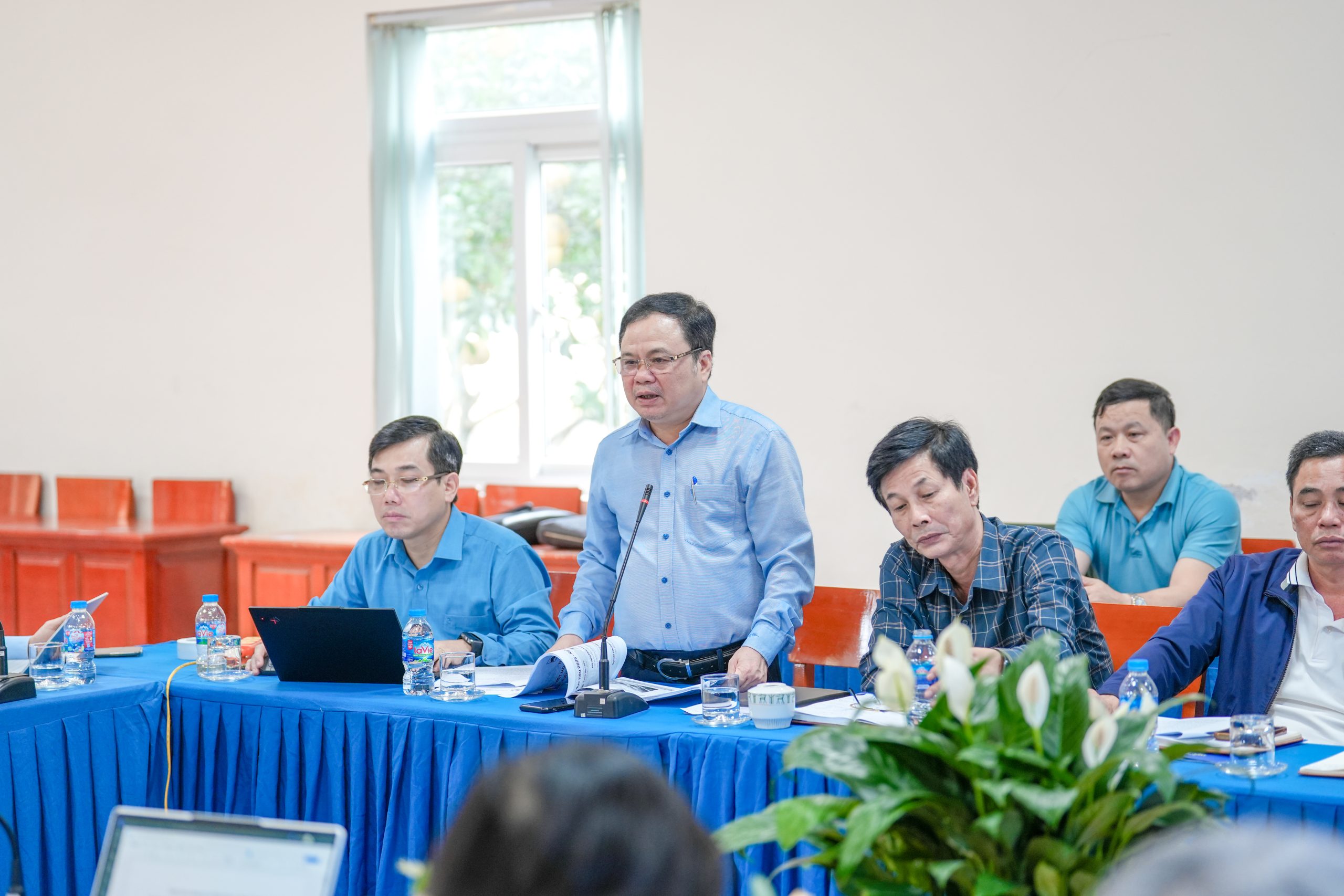
In 2026, Nam Dinh Textile Garment Joint Stock Corporation (Natexco) has identified the year as a pivotal milestone, marking an important transition after a prolonged period of challenges and aiming toward production stabilization and sustainable development. In this spirit, the Corporation has formulated a business plan aligned with the capabilities of each unit, with the overarching focus on enhancing efficiency and operational effectiveness across each production segment as the foundation for long-term growth.
To realize its target revenue of VND 1,200 billion and pre-tax profit of VND 12.2 billion, Natexco is focusing on renewing its leadership and management approach under the principles of decisiveness, discipline, and scientific effectiveness. At the same time, completing its wage and income mechanisms as well as its KPIs system, with strong alignment to productivity, quality, and work performance. Decentralization and delegation, coupled with strengthened control and the application of technology in management, are being accelerated to improve decision-making speed and overall management efficiency.
For the Yarn segment – identified as one of the key pillars in enhancing overall efficiency. The 2026 action program will focus on boosting productivity, strengthening quality control, and reducing costs, while accelerating market expansion and product diversification. Specific targets, including a 20% increase in revenue compared with 2025, maintaining inventory below 300 tons, onboarding at least five new FDI customers, developing plied yarn and flame-retardant yarn lines, and researching compact yarn for the Hoa Xa Yarn Factory, clearly reflect a strategic orientation toward improving efficiency alongside business performance.
For the Weaving – Dyeing – Towel segment, the 2026 plan maintains a strong focus on value-chain advantages, increasing the proportion of finished fabrics, and enhancing value added. Alongside maintaining stable production, action programs will focus on research and development of flame-retardant fabrics and improving the efficiency of internally sourced yarn supplied from the Yarn segment to the Weaving segment. At the same time, the company will consider expansion investments to raise the towel plant capacity to 100 tons, thereby improving the utilization efficiency of equipment, labor, and production space.
The Garment segment leverages its flexibility and rapid market responsiveness. In 2026, the action program will focus on diversifying markets and product offerings, gradually reducing reliance on the European market, increasing exposure to the Korean market, and proactively engaging Chinese customers under stringent risk-control frameworks. Organizing production around the principles of speed, flexibility, and decisive execution is regarded as a key solution for enhancing both efficiency and effectiveness.
With specific action programs in place for each business segment, closely aligning production, financial, and labor targets, Natexco expects 2026 to deliver a strong step change in operational efficiency, improve overall production and business performance, and establish a solid foundation for sustainable development in the subsequent period.