
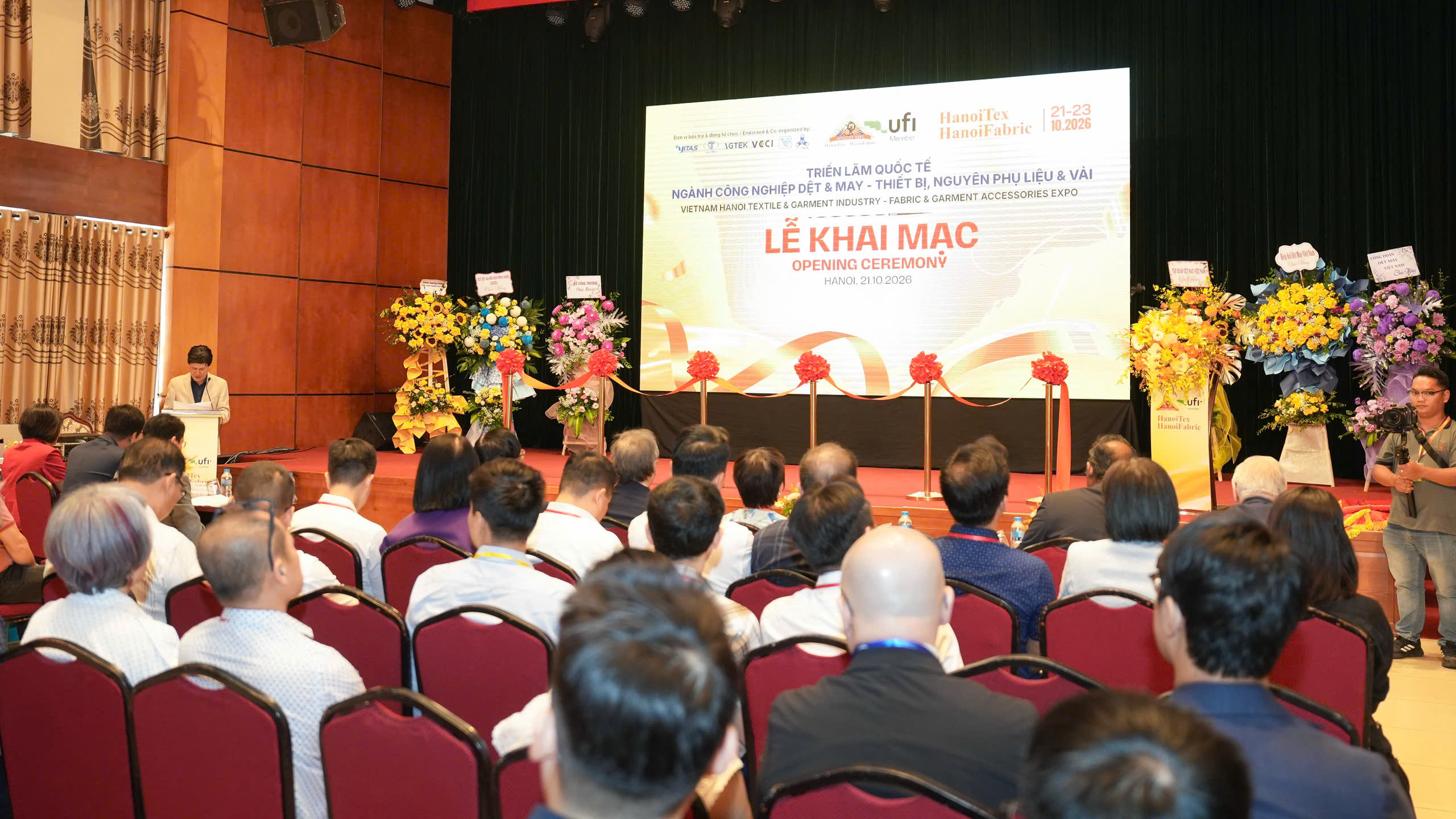
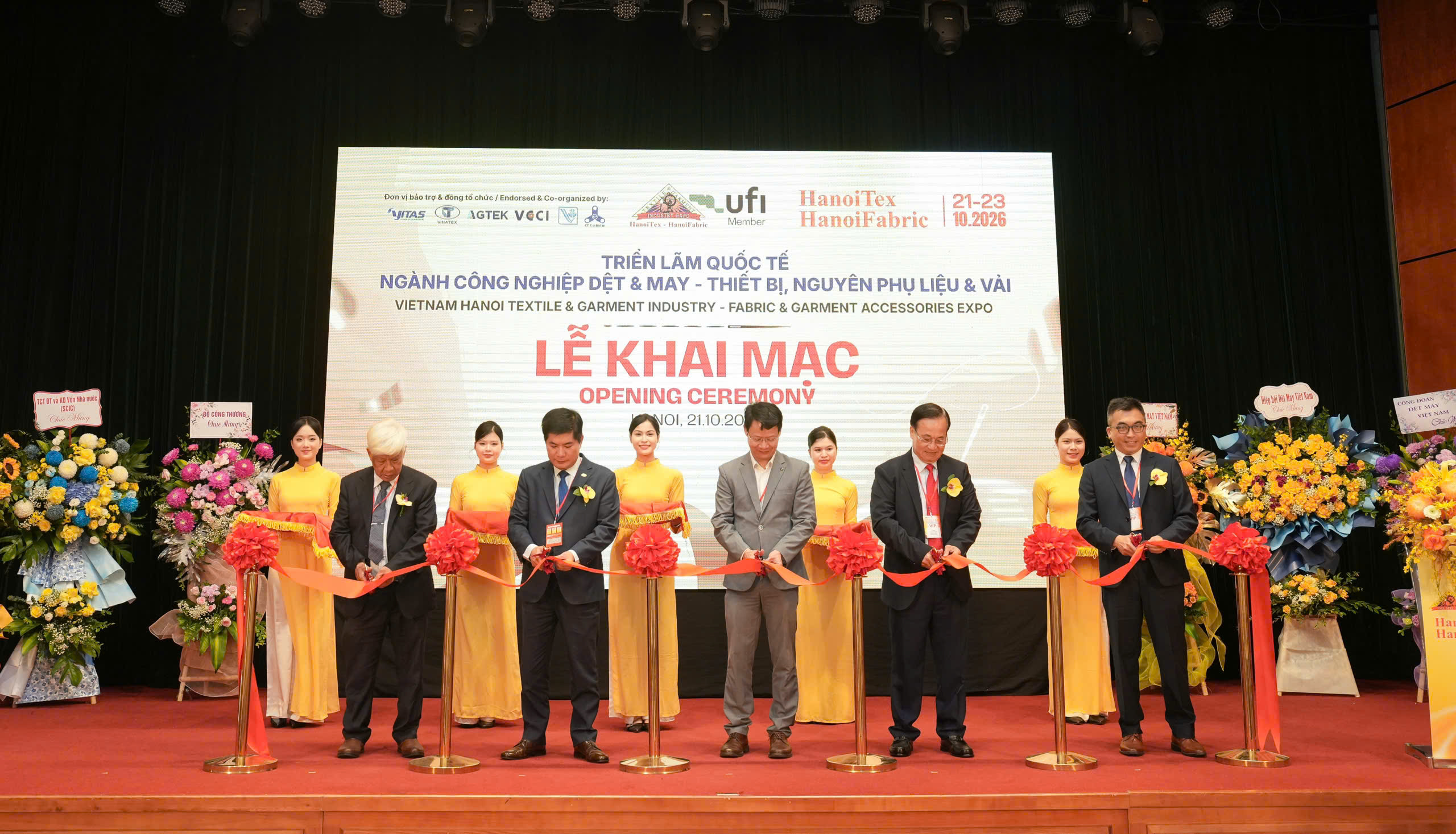
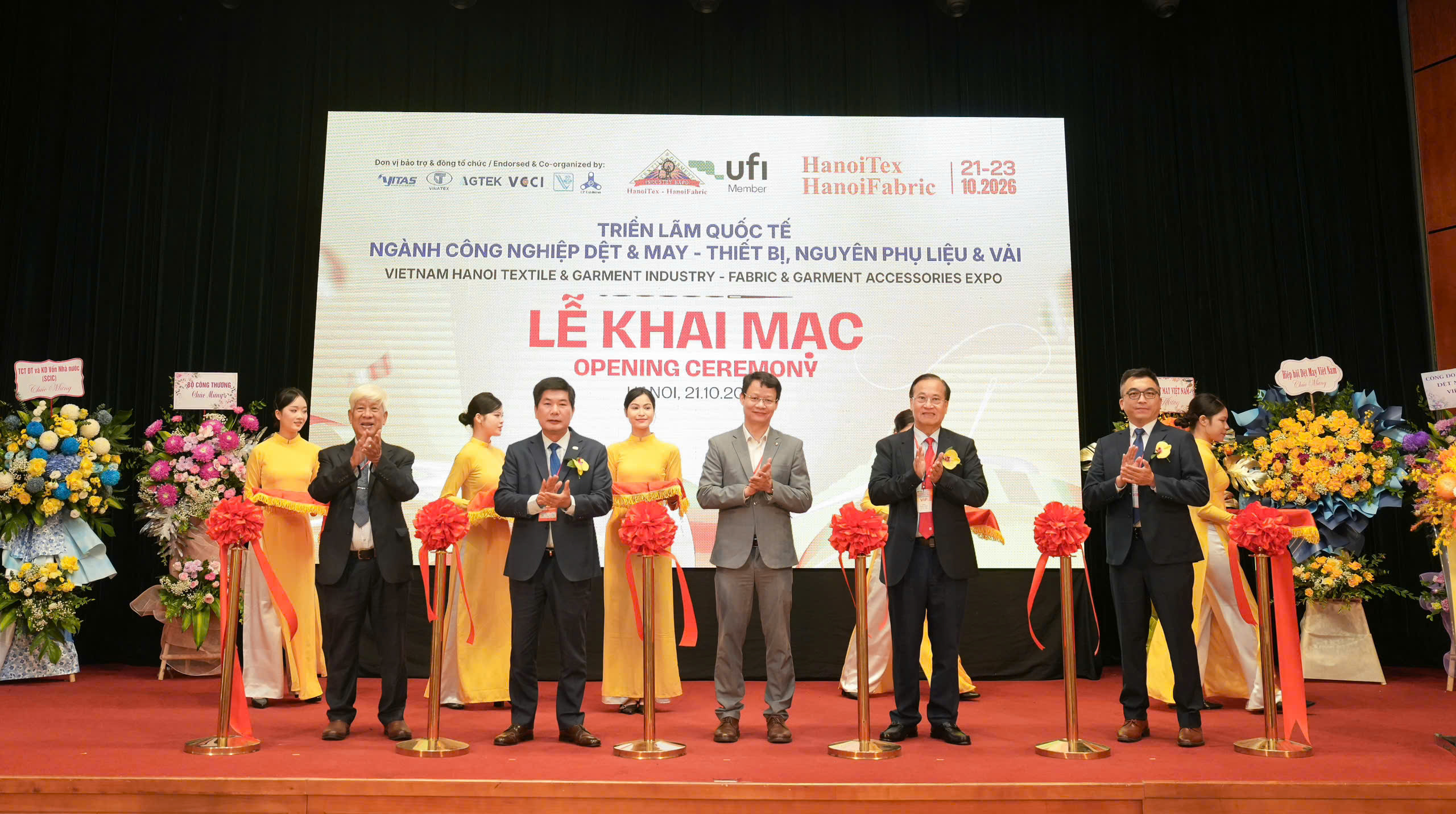
The Vietnam Hanoi Textile & Garment Industry and Fabric Garment Accessories Expos 2026 (HanoiTex & HanoiFabric 2026) officially opened on October 21 at the International Center for Exhibition (I.C.E Hanoi), Vietnam-Soviet Friendship Palace of Culture and Labour. Bringing together more than 250 businesses from eight countries and territories, the exhibition connects textile and garment enterprises with suppliers of technology, equipment and materials, fostering business partnerships, technological innovation and supply chain development.
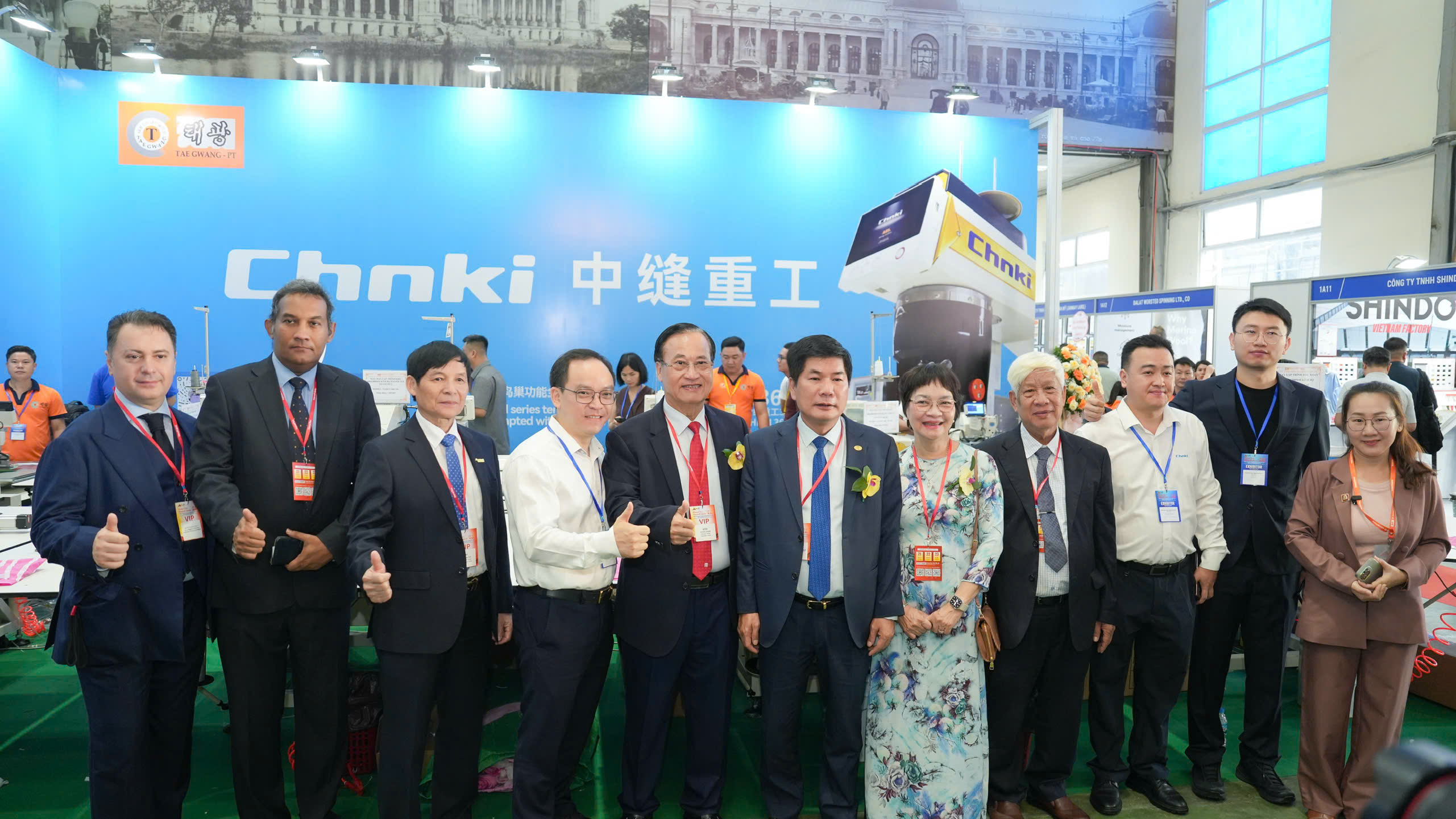
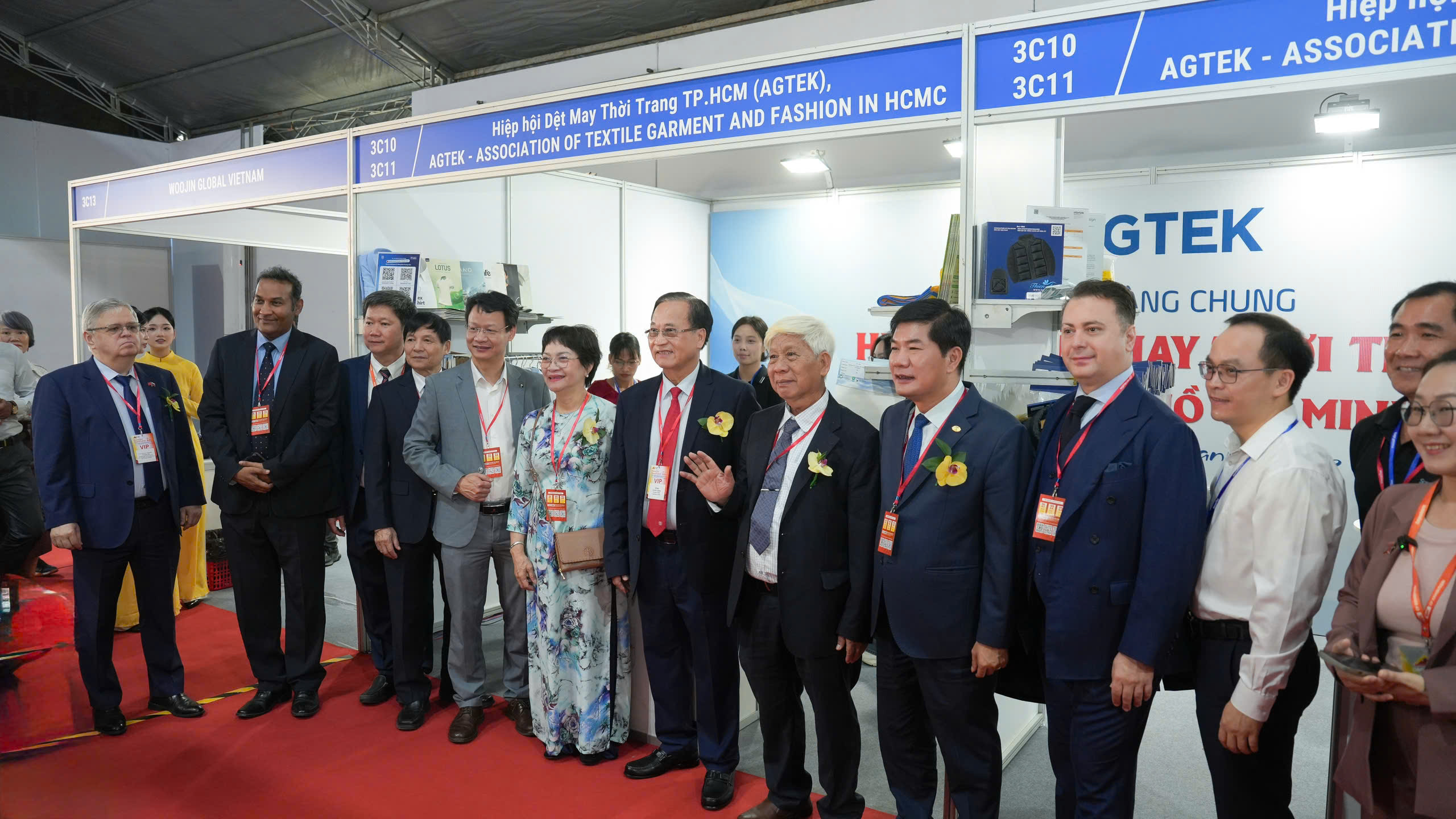
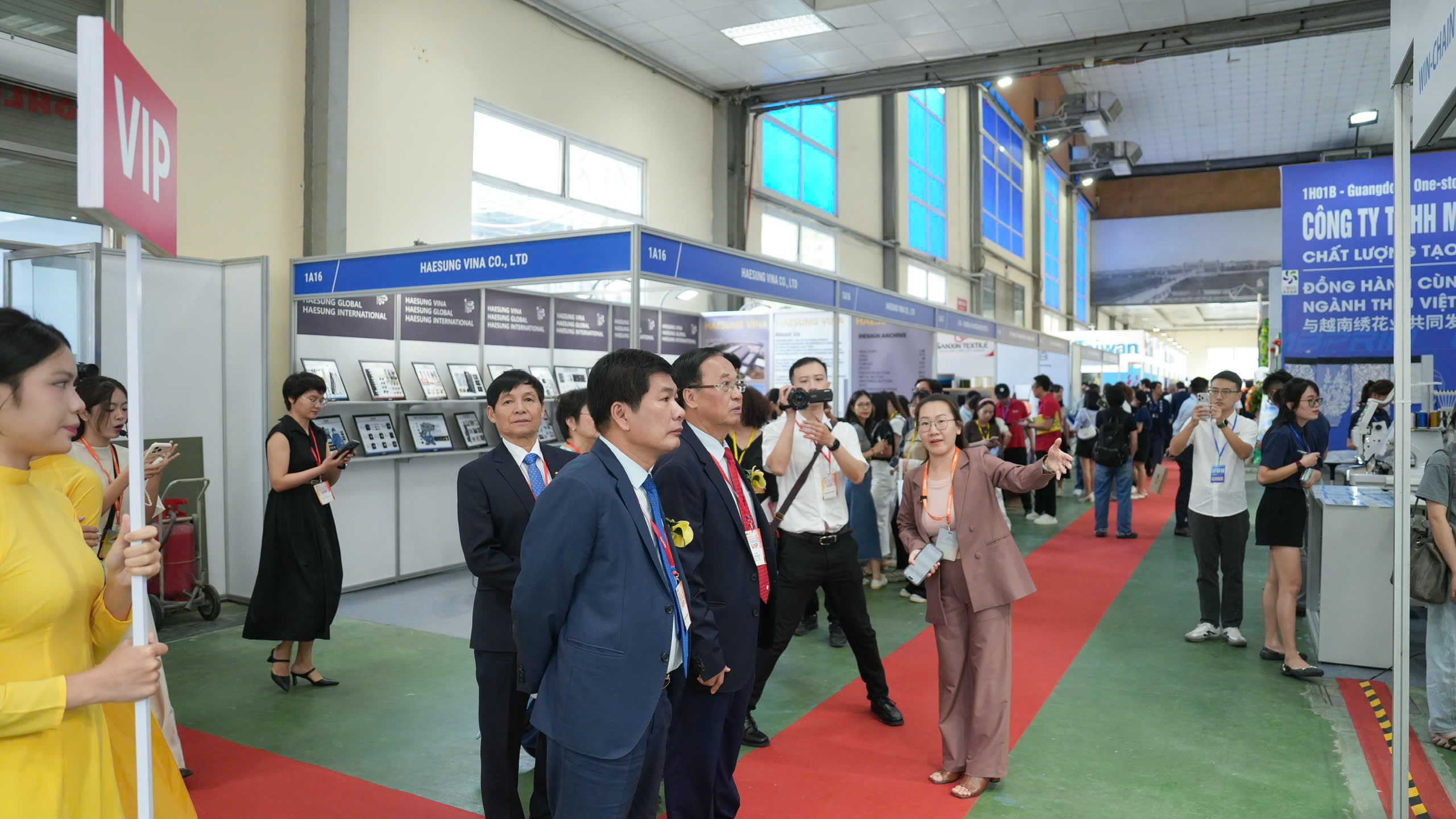
The opening ceremony was attended by Mr. Pham Van Quan – Deputy Director-General of the Viet Nam Industry Agency under the Ministry of Industry and Trade; Mr. Vu Duc Giang – Chairman of the Vietnam Textile and Apparel Association (VITAS); Mr. Pham Xuan Hong – Chairman of the Ho Chi Minh City Association of Garment, Textile, Embroidery and Knitting (AGTEX); and Mr. Cao Huu Hieu, General Director of the Vietnam National Textile and Garment Group (Vinatex), alongside ambassadors, commercial counsellors, representatives of associations and organizations, domestic and international businesses and partners.
Technology opens new opportunities for the textile and garment industry
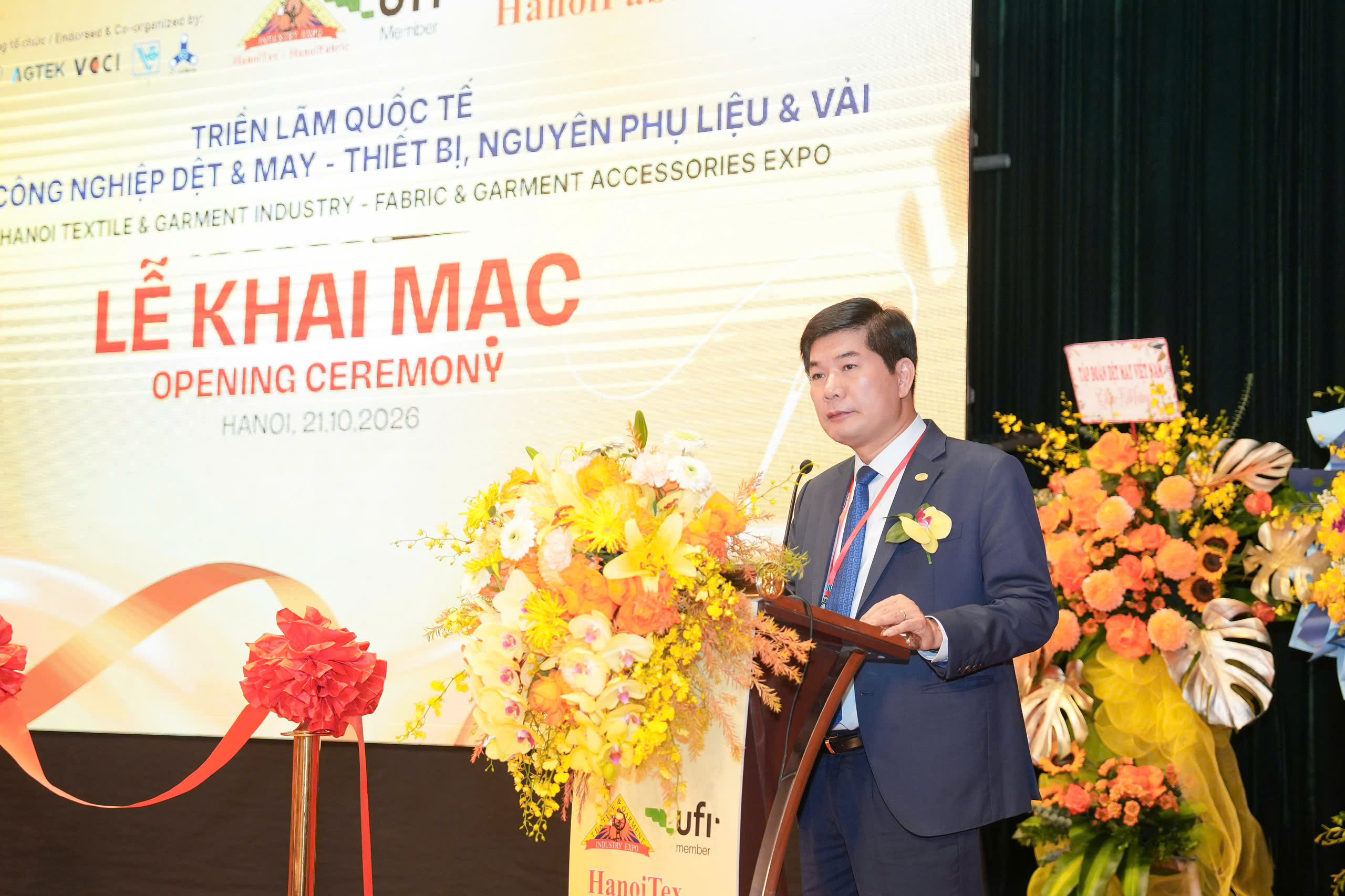
In his opening remarks, Mr. Cao Huu Hieu – General Director of Vinatex – emphasized that despite volatility in international trade, intensifying competition and increasingly stringent requirements for origin and sustainability, Vietnam’s textile and garment industry has maintained positive growth.
In the first nine months of 2026, Vietnam’s textile and garment exports exceeded $36 billion, up 3.3% year on year. This performance demonstrates the industry’s ability to adapt to changes in global markets. However, to maintain its position as a key export industry and capitalize on growth opportunities, the sector needs to embark on a new investment cycle, expanding production capacity, upgrading technology and strengthening its participation in global value chains.
According to the General Director, investment in the coming period should focus on three priorities. First, production capacity in weaving, dyeing and material manufacturing needs to be expanded to complete the domestic supply chain and improve supply autonomy. Second, enterprises should invest in upgrading equipment, automation and advanced technologies to increase productivity, develop new products and enter higher-value market segments. And third, they need to accelerate investment in digital management, data connectivity and operational optimization, combining human capabilities with technological advances to improve management capacity and production efficiency.
“In this context, HanoiTex – HanoiFabric 2026 serves a practical purpose by directly connecting Vietnamese enterprises’ investment and innovation needs with domestic and international suppliers of technology, equipment and materials. With more than 250 businesses from eight countries and territories, the exhibition not only showcases new technologies and equipment but also enables enterprises to seek partners, select suitable investment solutions, expand supply networks and develop business relationships,” Mr. Cao Huu Hieu emphasized.
He expressed his expectation that the exhibition’s value would extend beyond the technologies on display and translated into tangible cooperation opportunities that strengthen production capabilities and generate new growth momentum for businesses. As one of the core enterprises in the industry, Vinatex will continue to promote innovation, develop production capabilities, strengthen supply chain linkages and pursue practical, effective cooperation with domestic and international partners for mutual development.
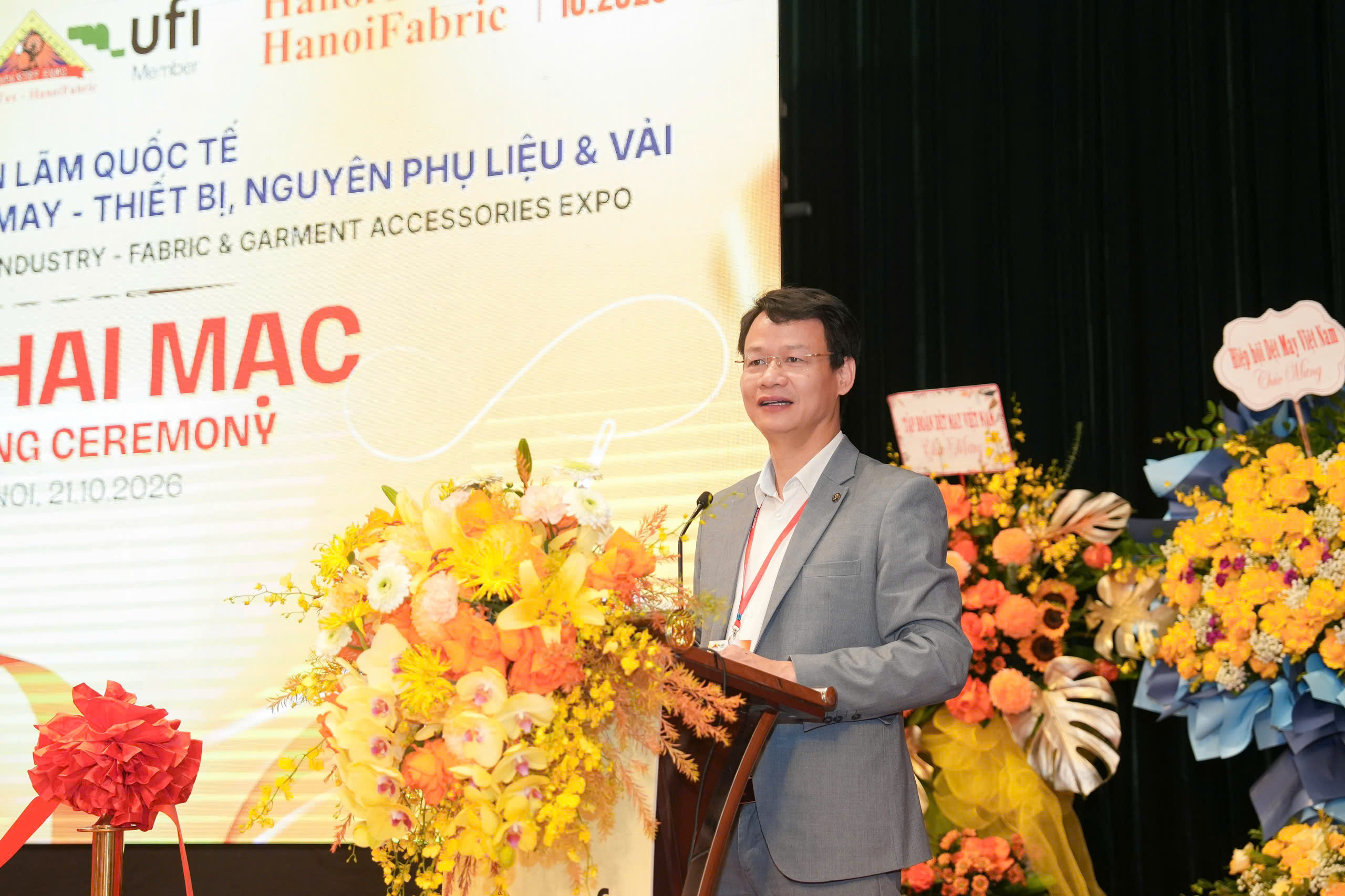
Speaking at the exhibition, Mr. Pham Van Quan – Deputy Director-General of the Agency for Industry (MoIT), noted that textiles and garments are among Vietnam’s key export industries, making important contributions to economic growth and employment. The sector comprises more than 14,300 enterprises and provides jobs for over 1.86 million workers.
In 2025, Vietnam’s textile and garment exports reached nearly $46.2 billion, up 6% from 2024, generating a trade surplus of more than $20.7 billion. Vietnam remains among the world’s three largest textile and garment exporters, with domestic value-added accounting for 52% of export product value.
In the first nine months of 2026, exports continued to grow. Upstream production recorded stronger results than garment manufacturing: IIP in textiles rose 10.2% while apparel production increased 7.8%, exports of textile fibres and yarns grew 13.1%, and exports of textile, garment, leather and footwear materials and accessories rose 9.4%.
According to Mr. Pham Van Quan, the Ministry of Industry and Trade aims to shift the industry away from growth driven by order volumes toward a model built on higher productivity, advanced technology and greater domestic value creation. Strengthening supply chain autonomy does not mean becoming self-sufficient. Rather, it means having greater flexibility in sourcing materials, meeting rules of origin, maintaining production amid external disruptions and retaining more value within the country.
To achieve these goals, the industry should prioritize fabric production, dyeing and finishing that meet environmental standards; develop materials, accessories and chemicals that comply with relevant regulations; and promote supporting sectors such as mechanical engineering, automation, testing equipment and software for textile and garment production.
“The Government has issued Decree No. 205/2025/ND-CP amending the mechanism for developing supporting industries, and Decision No. 929/QD-TTg dated May 25, 2026, approving the Supporting Industry Development Programme for 2026–2035. These policies set a target of raising the textile and garment industry’s localization rate to 60% by 2030.
“The Ministry of Industry and Trade will continue working with local authorities, associations and enterprises to strengthen supplier capabilities, connect supply chains, promote technological innovation, train workers and improve access to market information. I encourage enterprises to proactively map supply risks, diversify markets and partners, increase domestic sourcing where quality, price and delivery requirements can be met, and strengthen cooperation between textile and garment businesses and enterprises in mechanical engineering, electronics and digital technology. Practical applications of artificial intelligence are particularly important, including demand forecasting, pattern design, fabric marker optimization, computer-vision-based fabric defect inspection, predictive maintenance and production line scheduling. At the same time, enterprises must retrain workers, protect data and maintain control over the quality of AI-generated decisions,” he stressed.
The Agency for Industry also called on businesses to use HanoiTex – HanoiFabric 2026 to explore new technologies and equipment, source materials and identify partners, strengthen links between spinning, weaving and dyeing enterprises and garment manufacturers, and accelerate green investment, energy efficiency and digital transformation.
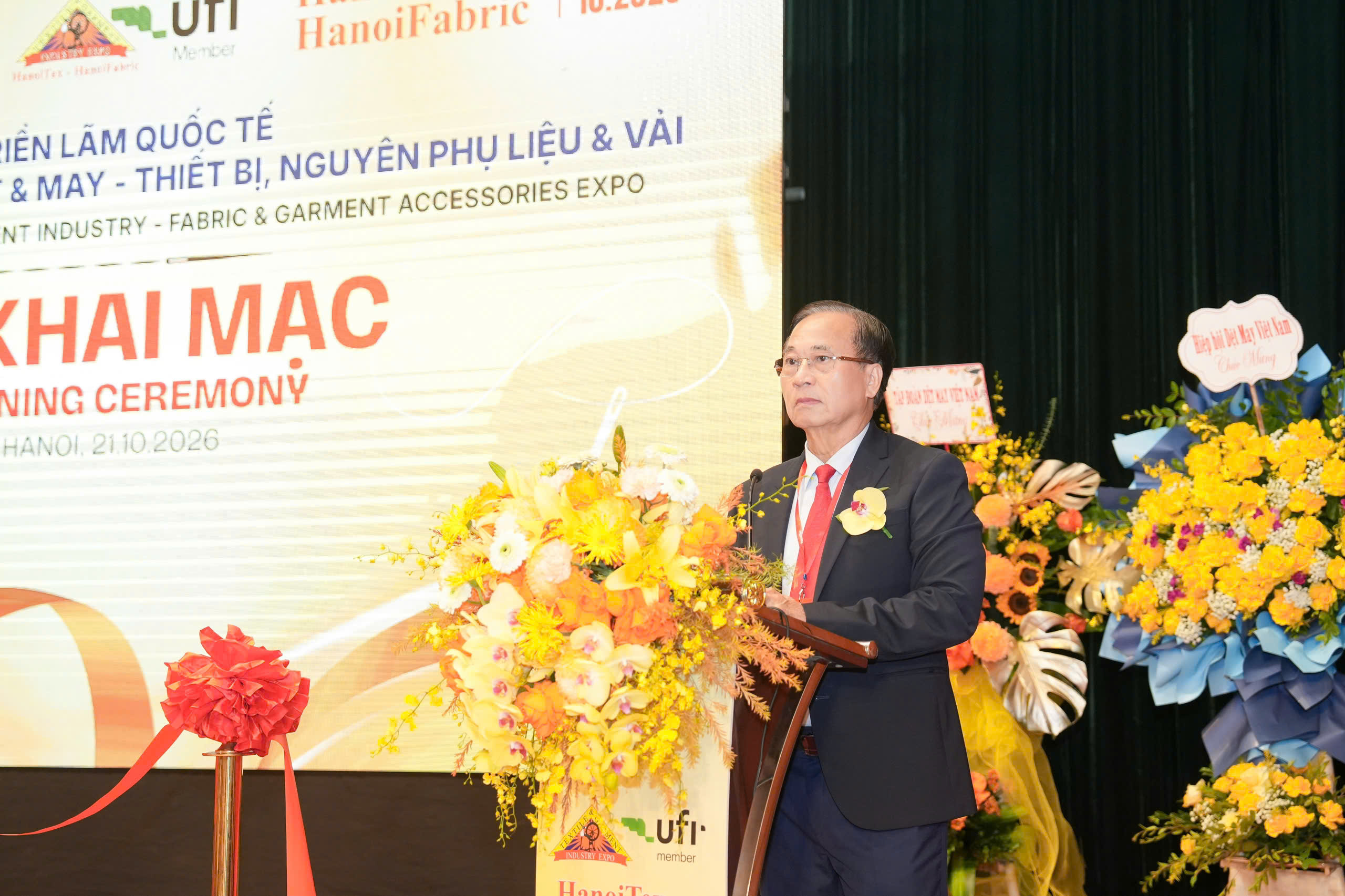
Mr. Vu Duc Giang – Chairman of VITAS noted that Vietnam’s textile and garment industry is entering a strategically important development phase for 2026–2030, with a vision to 2035. New-generation FTAs offer opportunities to expand markets, while automation, robotics and AI are becoming essential to modernizing production, improving productivity and quality, and promoting sustainable development. In that context, specialized exhibitions such as HanoiTex – HanoiFabric 2026 play an important role in connecting domestic supply chains, enabling access to new technologies, attracting investment and expanding international cooperation.
Connecting suppliers and enterprises to unlock business opportunities
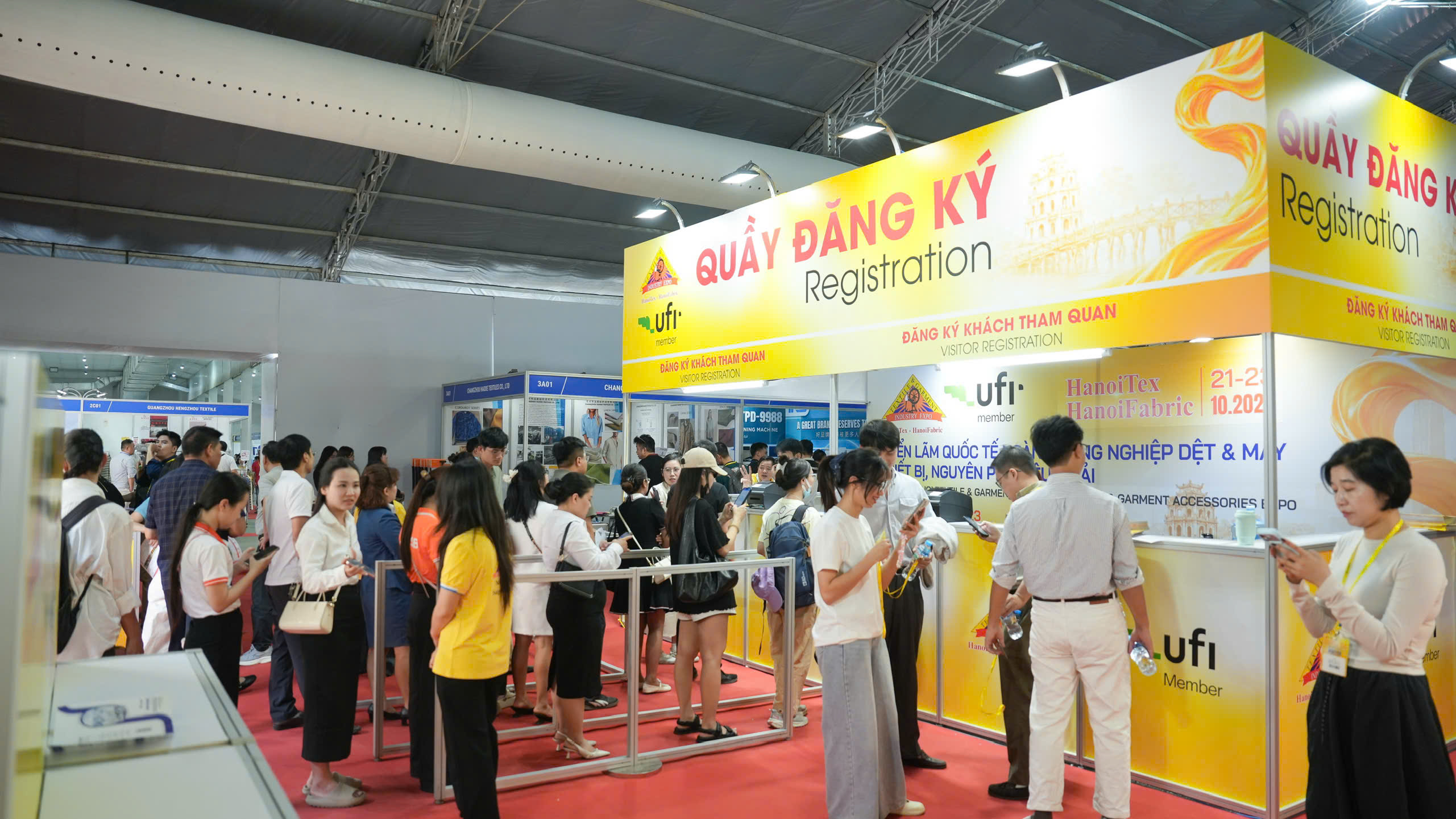
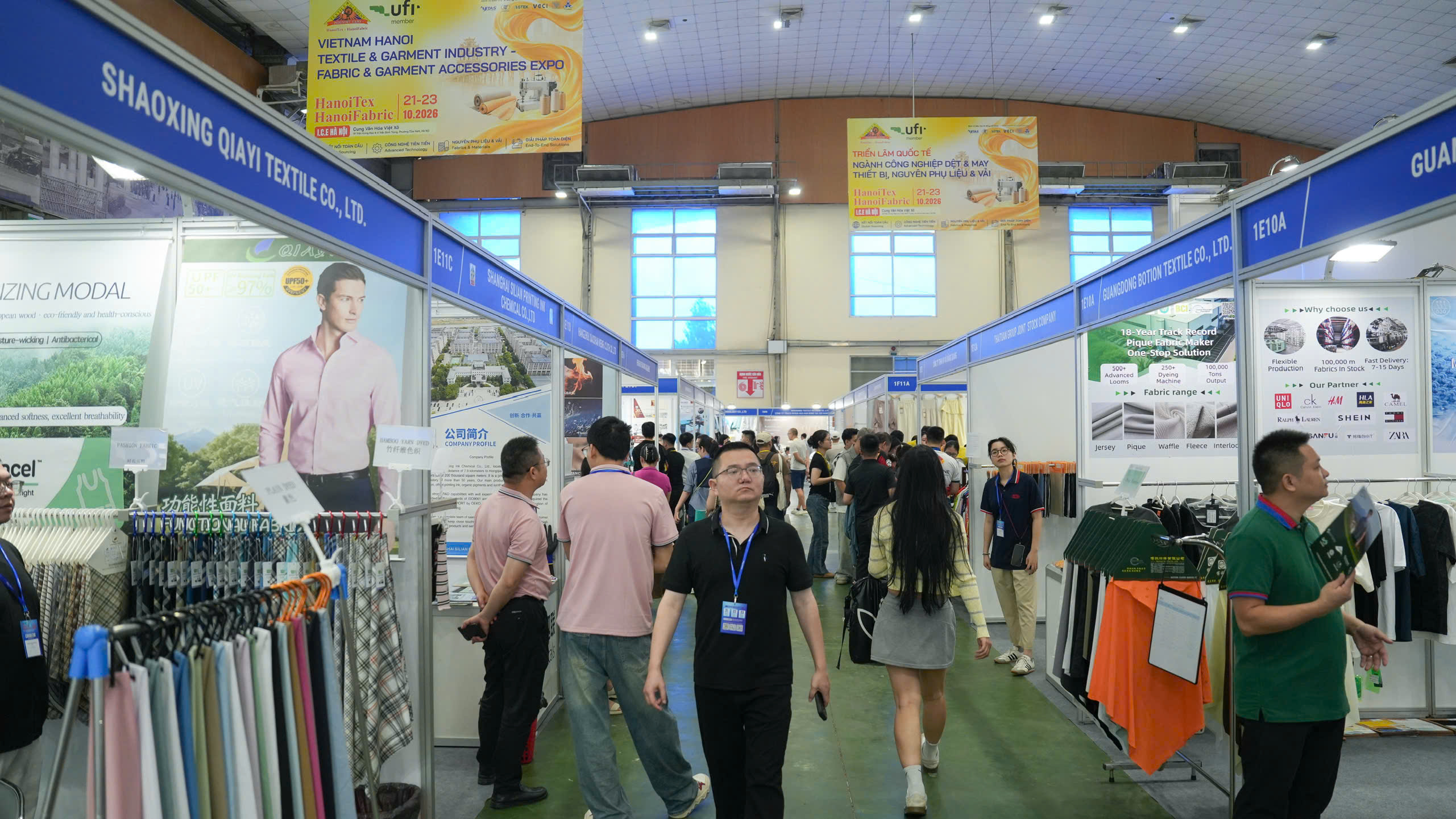
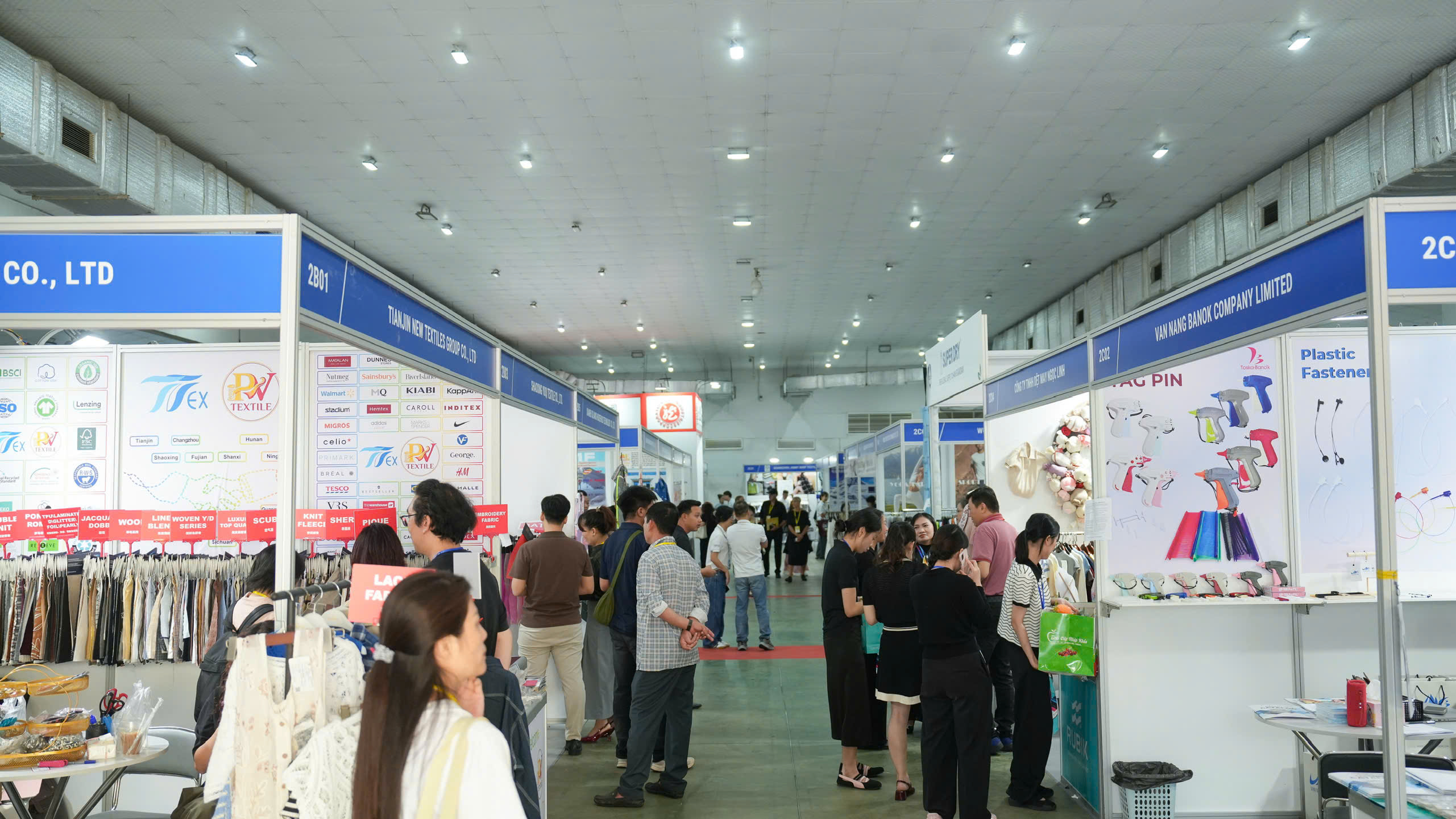
Taking place from October 21 to 23, HanoiTex – HanoiFabric 2026 covers more than 6,000m2 across Halls A1, A2 and A3. The exhibition showcases products, technologies, equipment and solutions for the textile and garment production chain, with participants from China, Hong Kong, Taiwan, Japan, India, Indonesia, South Korea and Vietnam. This year’s exhibition focuses on three main areas: smart manufacturing and technology, sustainable production, and business and supply chain connections.
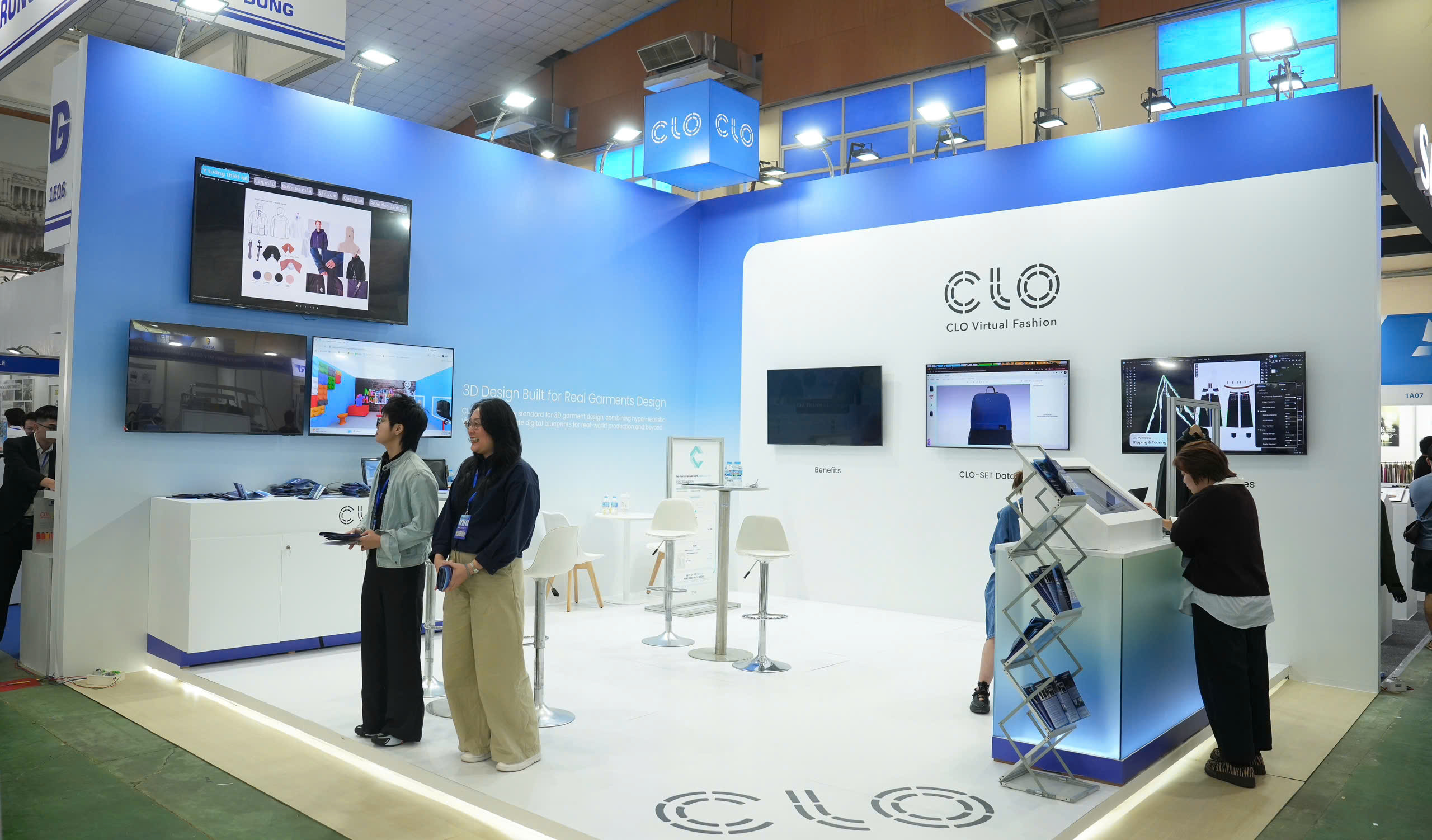
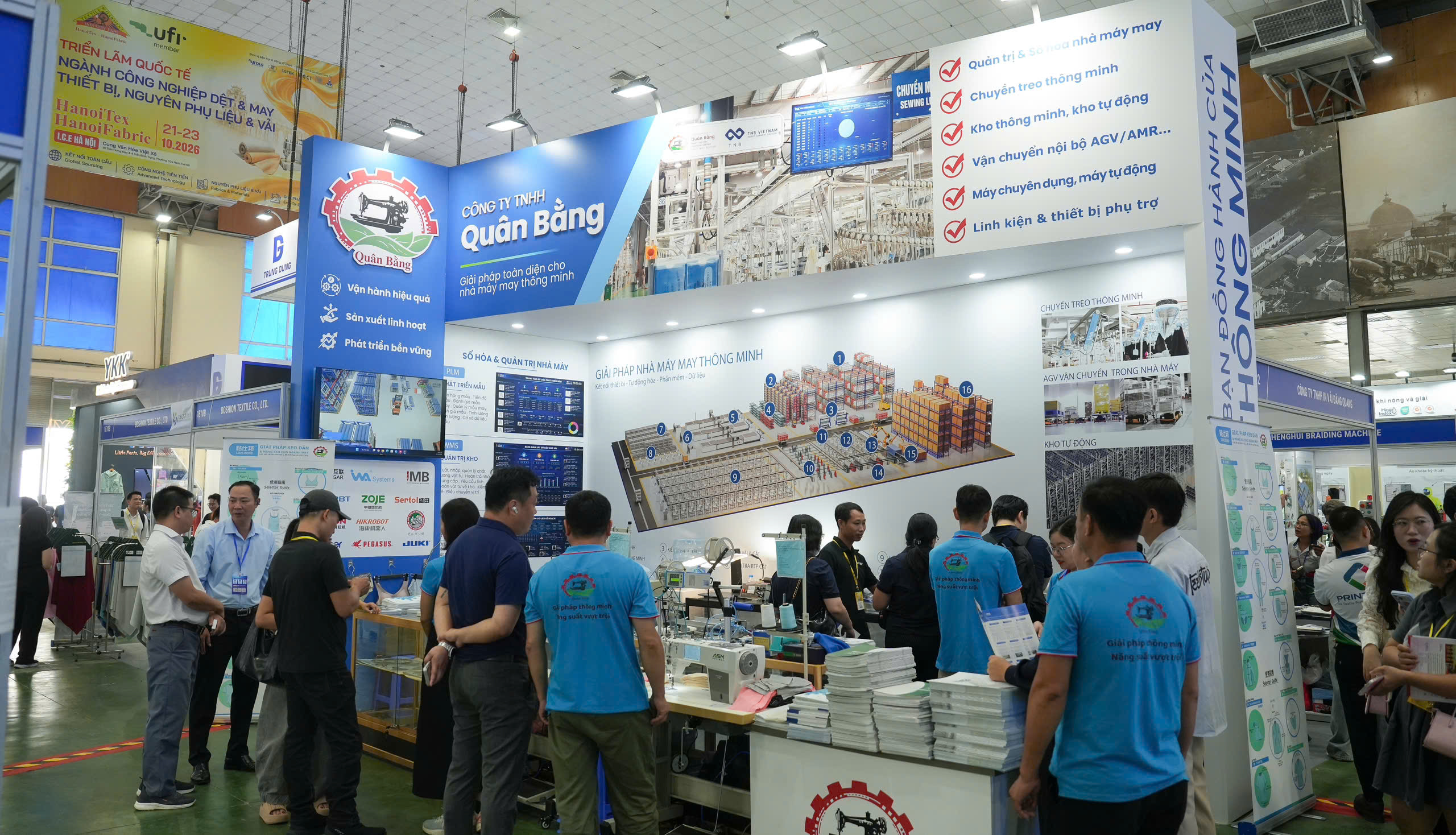
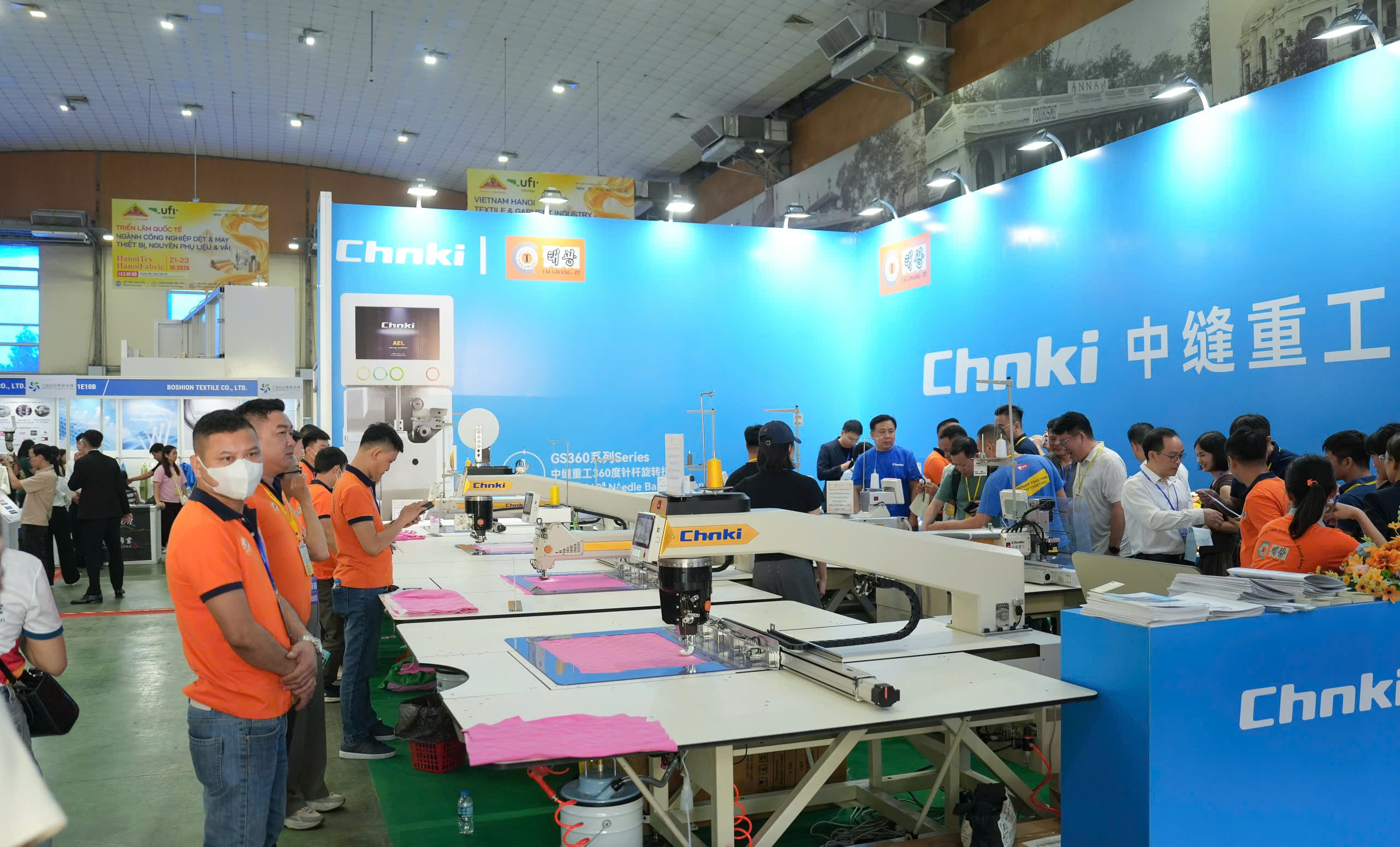
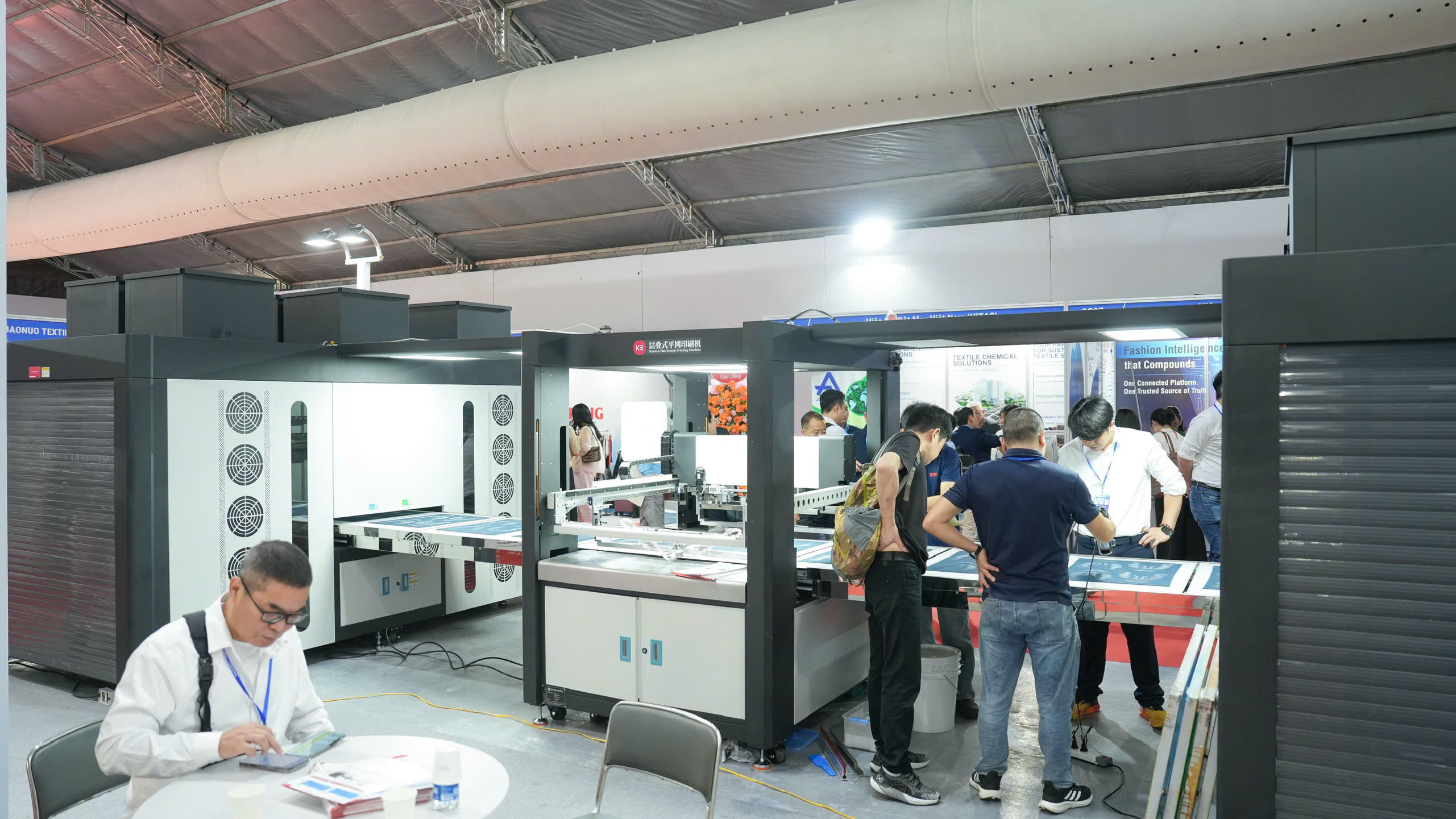
Visitors can explore machinery, automation equipment, robotics, AI applications and other technologies supporting smart manufacturing. Key highlights include 3D design, computer-aided design and manufacturing (CAD/CAM), and management systems that help enterprises optimize resources. A new generation of heat-transfer printing systems is also making its debut at HanoiTex – HanoiFabric 2026. These technologies aim to automate processes, improve operational efficiency and support the development of smart factories.
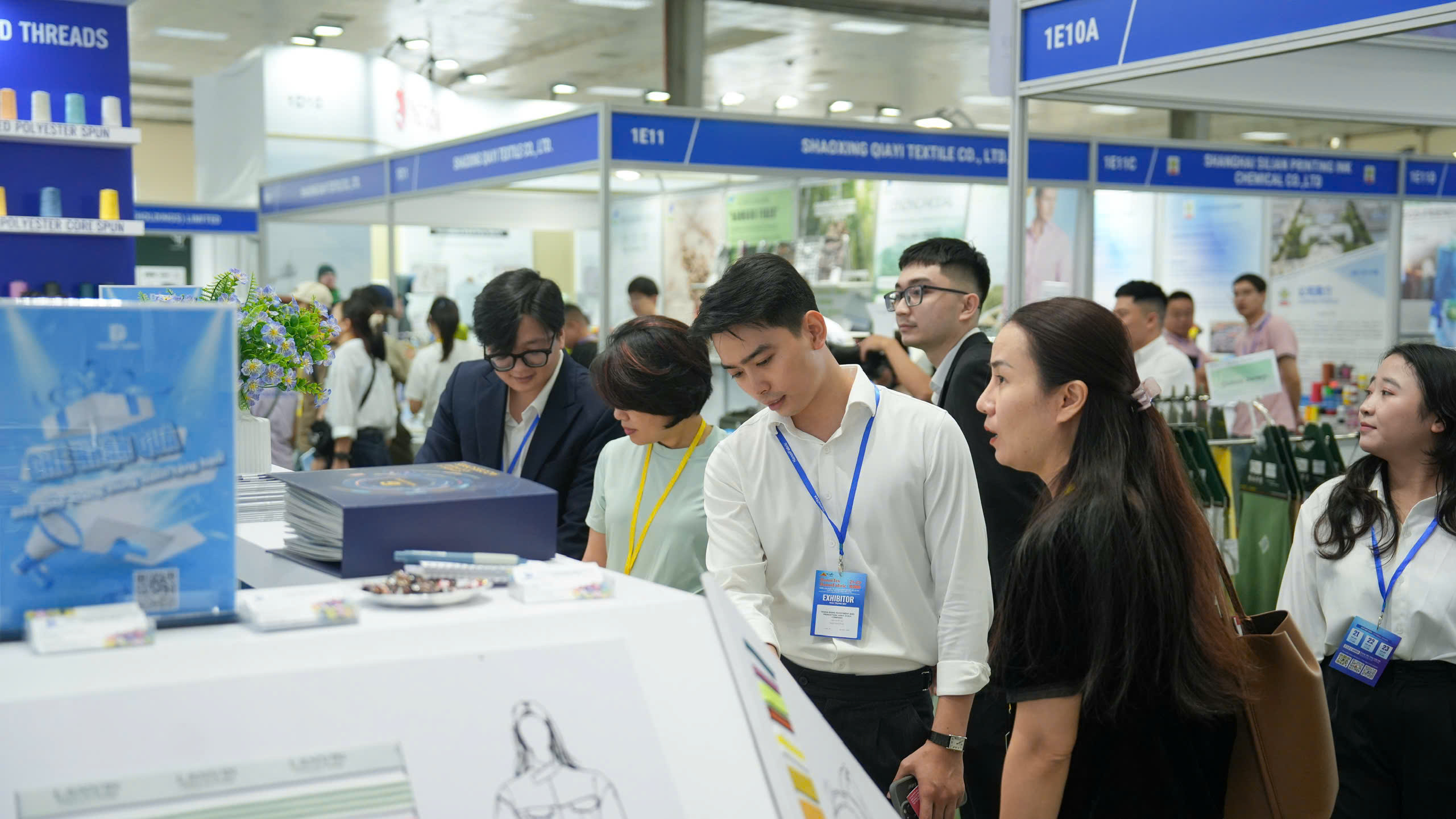
The exhibition also features new products and materials, energy-saving technologies, emissions-reduction solutions and circular economy initiatives designed to support the textile and garment industry’s green transition. These are showcased in the fabric and materials sections.
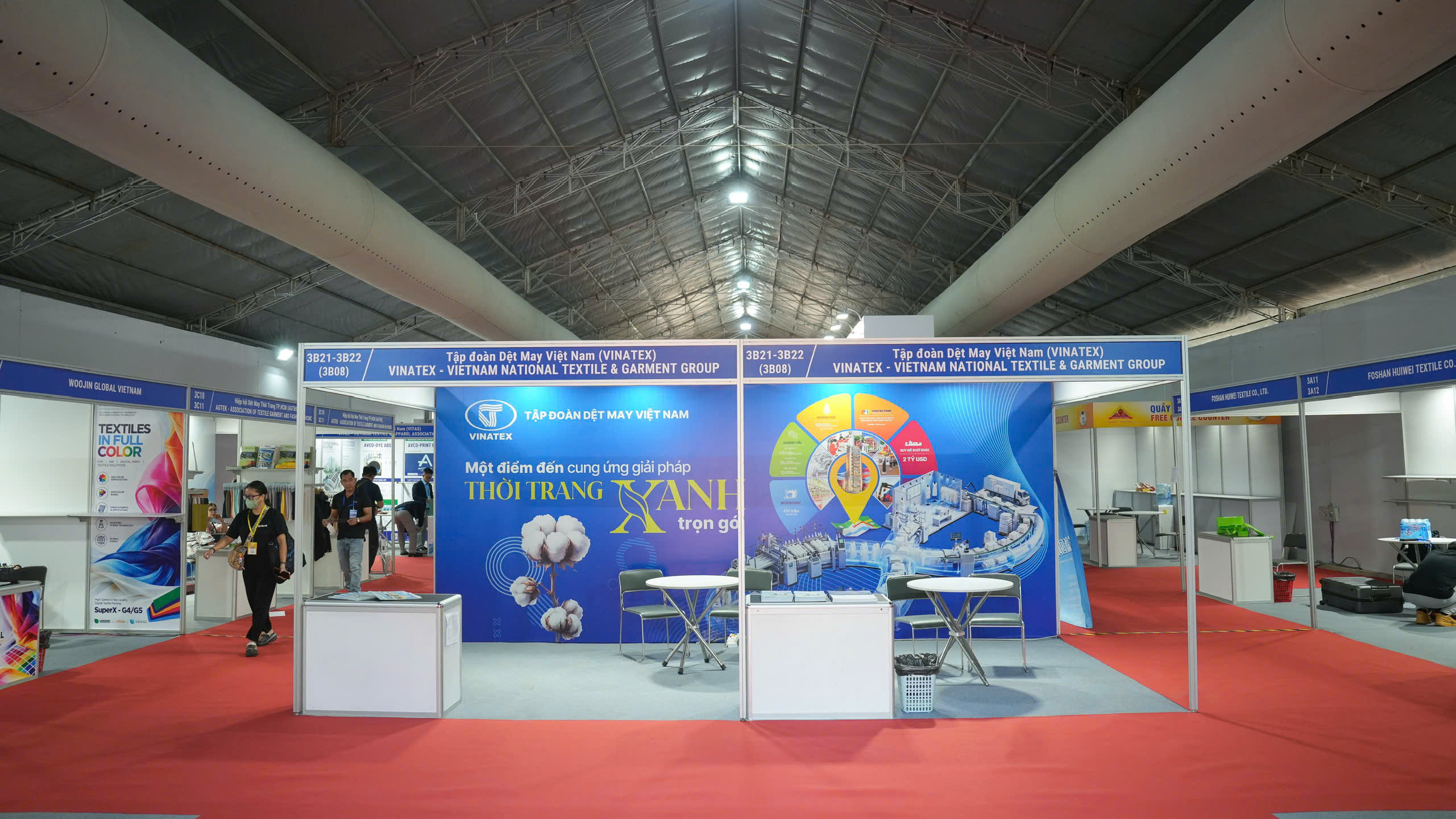
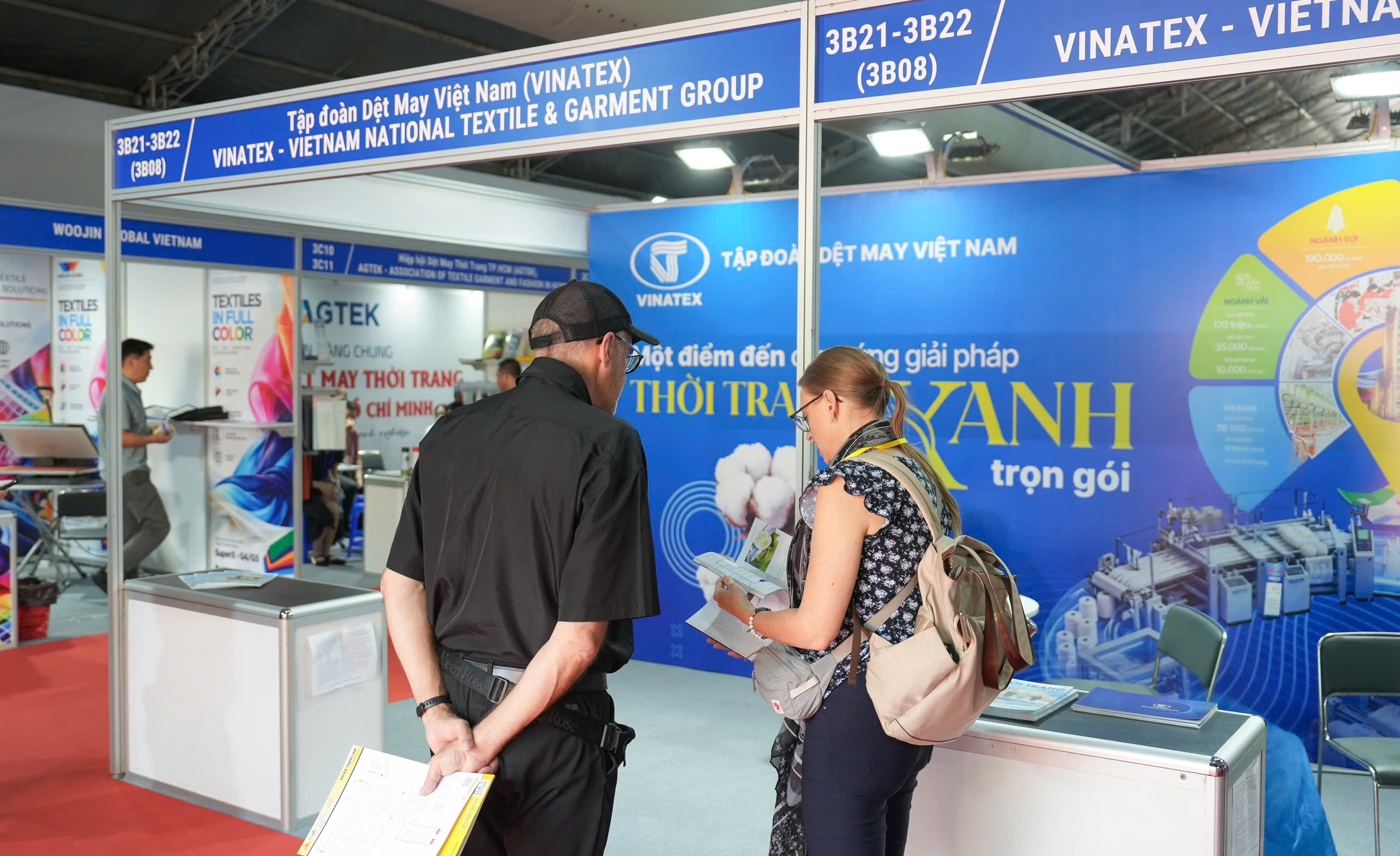
HanoiTex – HanoiFabric 2026 also provides a platform for businesses across the value chain – from spinning, weaving, dyeing and finishing to garment manufacturing and distribution – to connect and conduct business. Direct engagement between solution providers and enterprises seeking investment enables businesses to examine technological capabilities, assess compatibility with existing production lines, identify suitable material suppliers and establish partnerships. These exchanges help enterprises make informed investment decisions and strengthen their competitiveness.
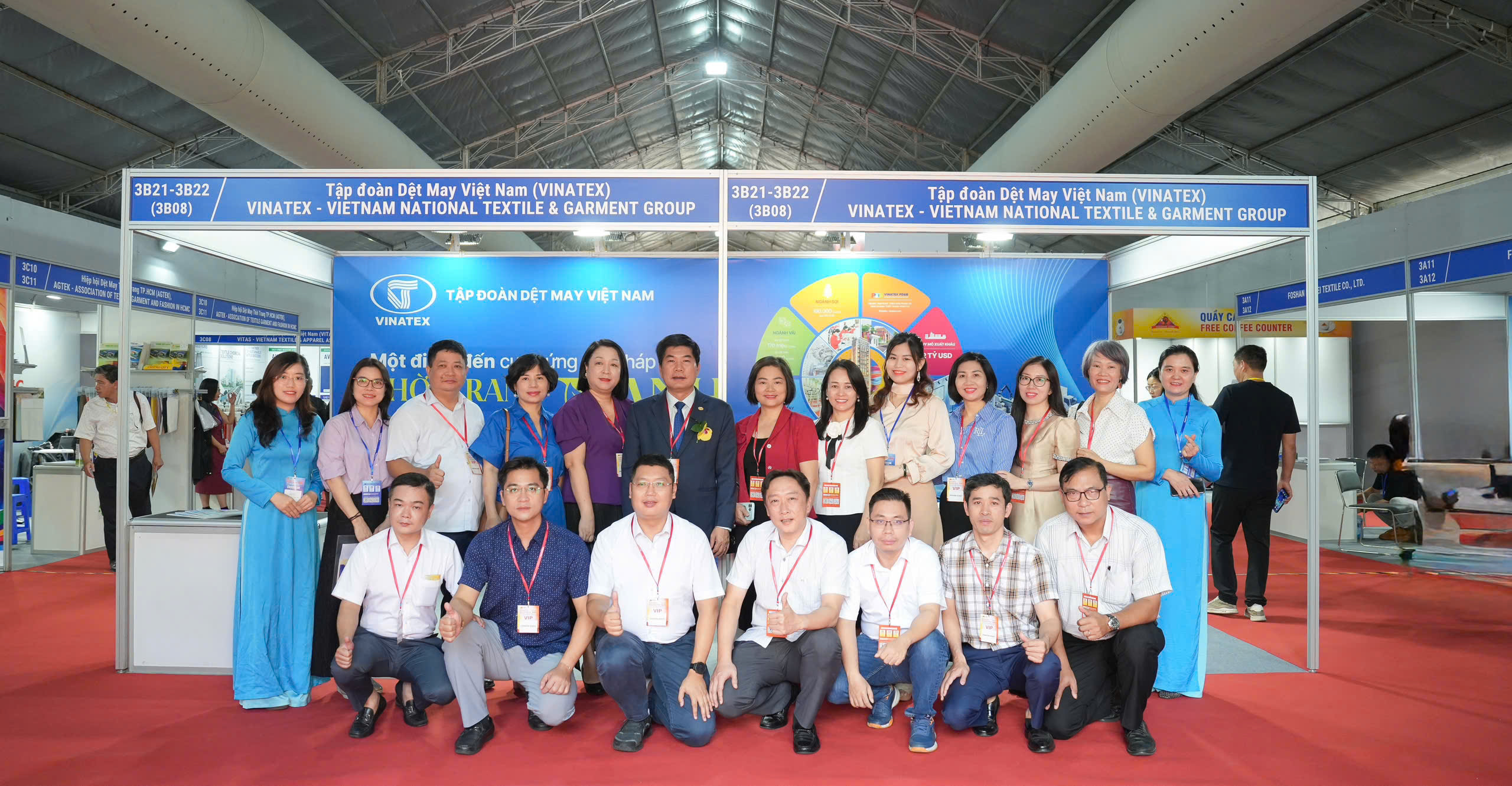
Vinatex hosts seminar on the 2026–2027 Textile and Garment Market and Sustainable Materials
As part of HanoiTex – HanoiFabric 2026, Vinatex hosted the seminar “Textile and Garment Market 2026–2027 and Sustainable Textile Materials,” featuring two sessions on market developments and emerging material trends.
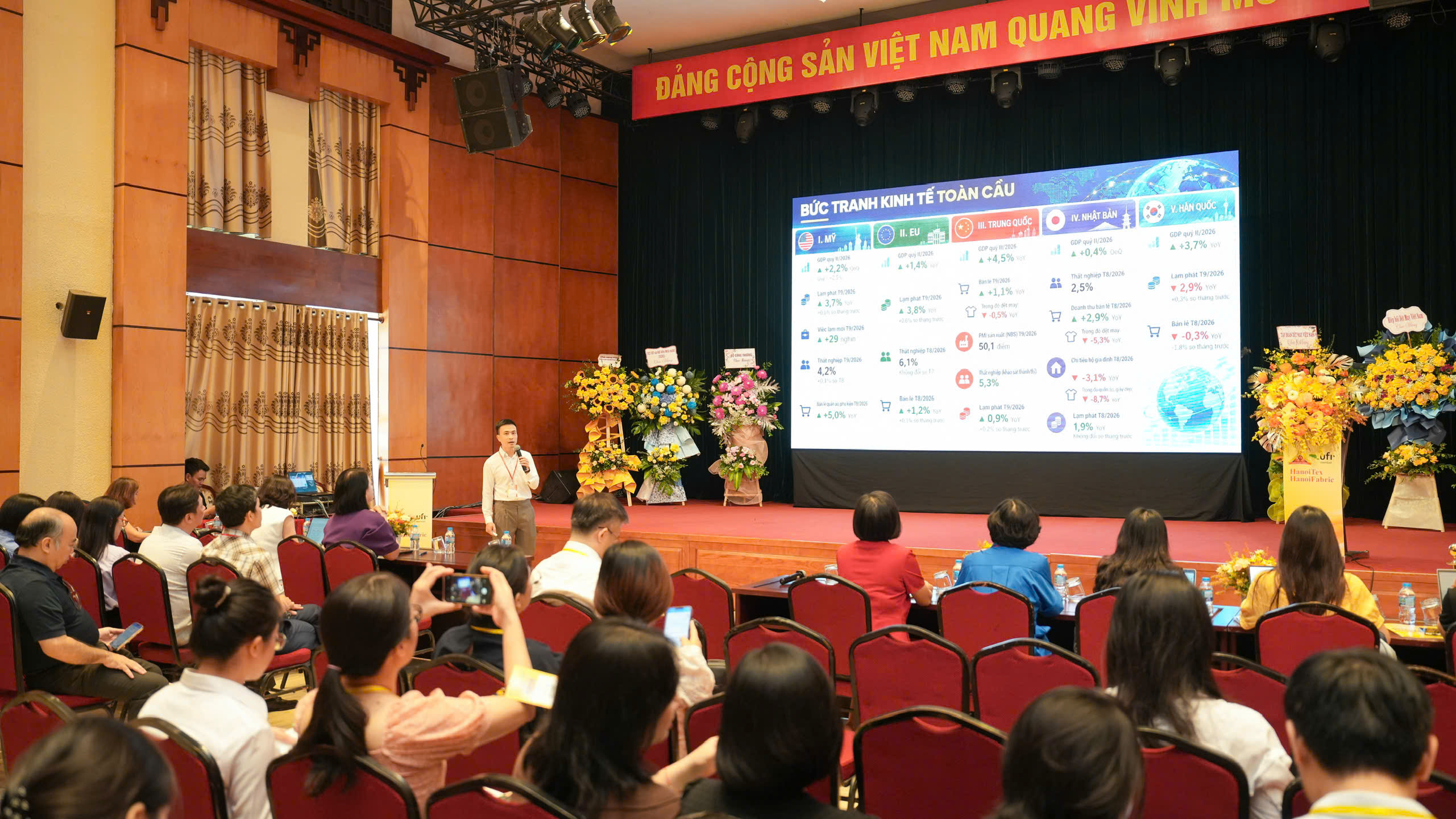
The first session, “Updates on the Global Textile and Garment Market in 2026 and Key Indicators for 2027” was presented by Dr. Hoang Manh Cam, Chief of the Vinatex Board of Directors’ Office.
The second session, “Smart and Sustainable Textile Materials: New Directions for Vietnam’s Textile and Garment Industry” was presented by Dr. Vo Thi Lan Huong, Head of the Textile and Fibre Technology Department at Hanoi University of Industry and Trade.
Together, the sessions connect market intelligence with material technology, helping enterprises update their knowledge, identify emerging trends and strengthen the basis for strategic planning in 2026–2027. Through the seminar, Vinatex continues to fulfill its role in sharing market information, promoting technological innovation and supporting the business community in strengthening its competitiveness.