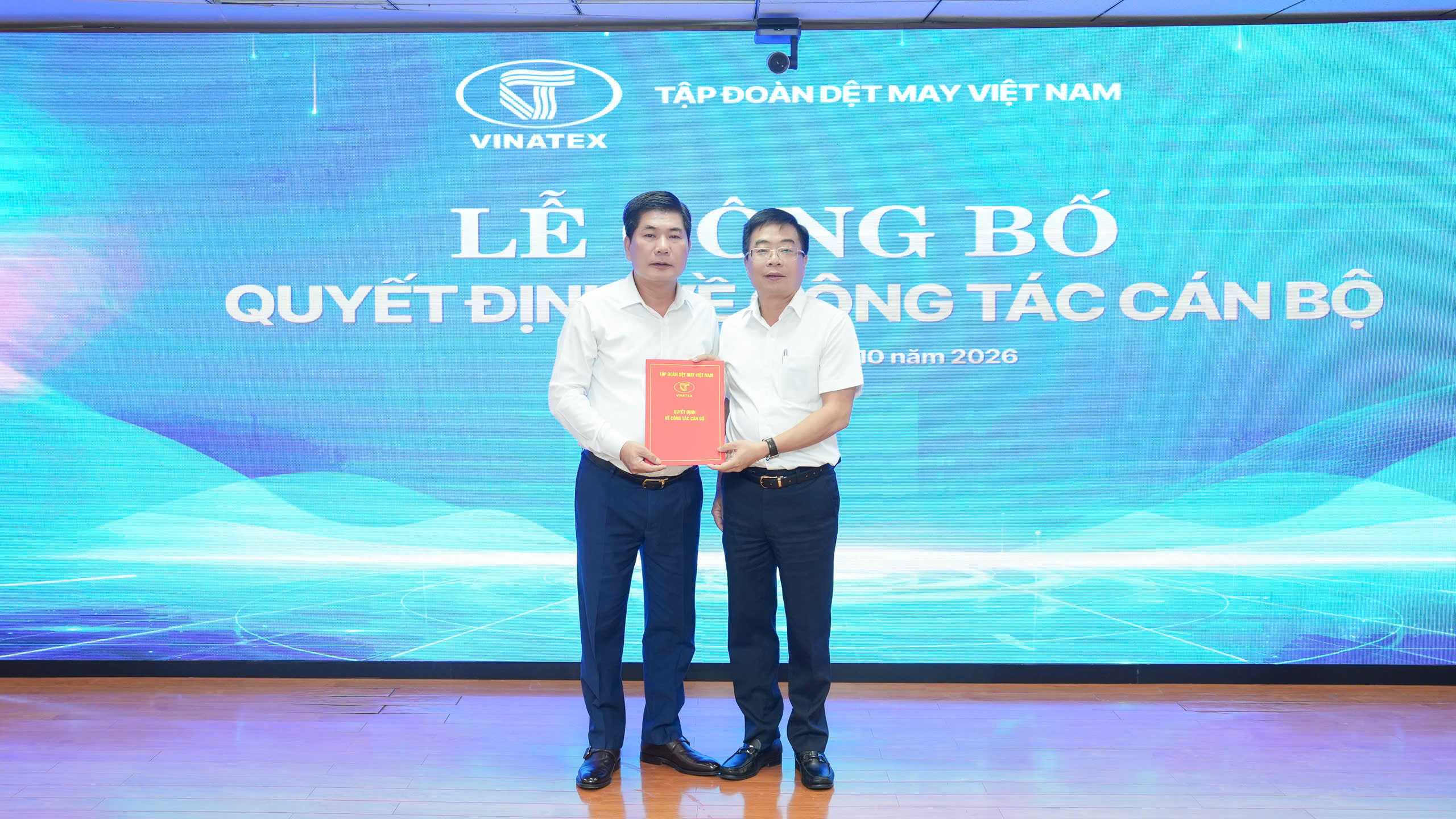

Vietnam’s Textile and Garment industry has long been regarded as a key export sector, providing employment for millions of workers and accounting for a substantial share of the country’s total export turnover. However, as the industry moves through the 2023–2026 period, it faces a series of pivotal challenges. Global economic uncertainty, inflationary pressures, shifts in global supply chains, and the accelerating transition toward digitalization and greener production are having a direct and profound impact on the “lifeblood” of textile and garment enterprises: their workforce.
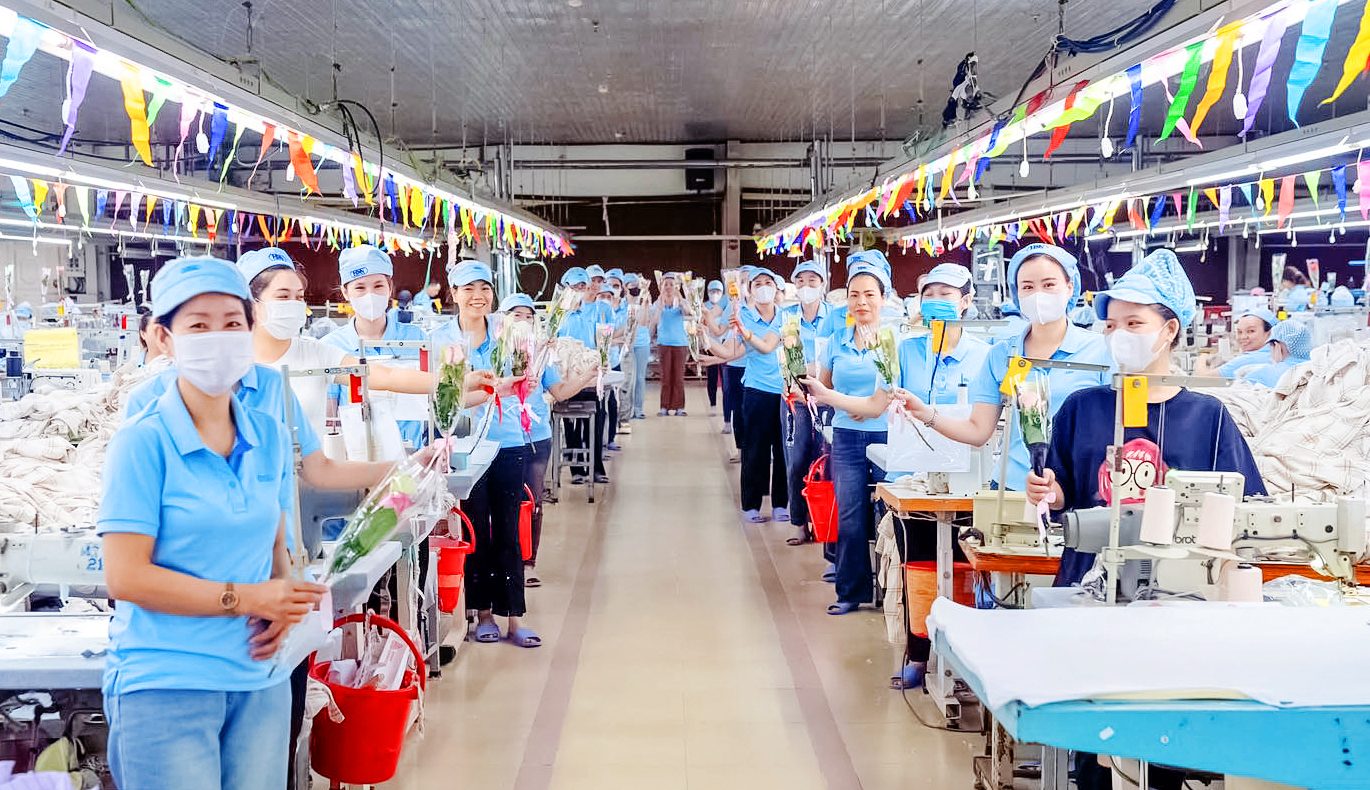
How have textile and garment enterprises managed to maintain workforce size, streamline operations, and increase workers’ incomes without eroding profit margins? To gain a deeper understanding of this strategic challenge, we have gathered, synthesized, and analyzed insights from senior executives who are directly at the helm of businesses across Vinatex.
Diversified and Flexible Recruitment
In response to fluctuations in labor supply, textile and garment enterprises within the Vinatex system are shifting away from a reactive “hire when there is a shortage” approach toward a more proactive and flexible workforce strategy focused on long-term stability.
A range of recruitment measures is being implemented. Hue Textile and Garment Joint Stock Company (Huegatex) and 8-3 Textile Company Limited are leveraging their existing workforce to recruit new employees through family and friends, drawing on personal recommendations and established trust. At 8-3 Textile, approximately 80% of new hires come through employee referrals.
Phu Cuong Spinning Mill has adjusted its recruitment strategy to prioritize candidates who are married, have a genuine need for employment, and are seeking long-term job stability, rather than focusing primarily on very young workers, whose employment tends to be less stable. Meanwhile, Garment 10 Corporation is tapping into its pool of retired employees who return to work, making use of their technical skills, discipline, and ability to help train younger workers.
Over the longer term, building a strong employer brand is seen as an important way to attract workers proactively. According to Mr. Nguyen Ngoc Binh, General Director of Hoa Tho Textile and Garment Joint Stock Corporation, cultivating an image of the company as a responsible and people-oriented employer in the local communities where its factories operate will help build trust and make the company more attractive to workers.
Reforming Pay and Benefits: A Key Lever for Employee Retention
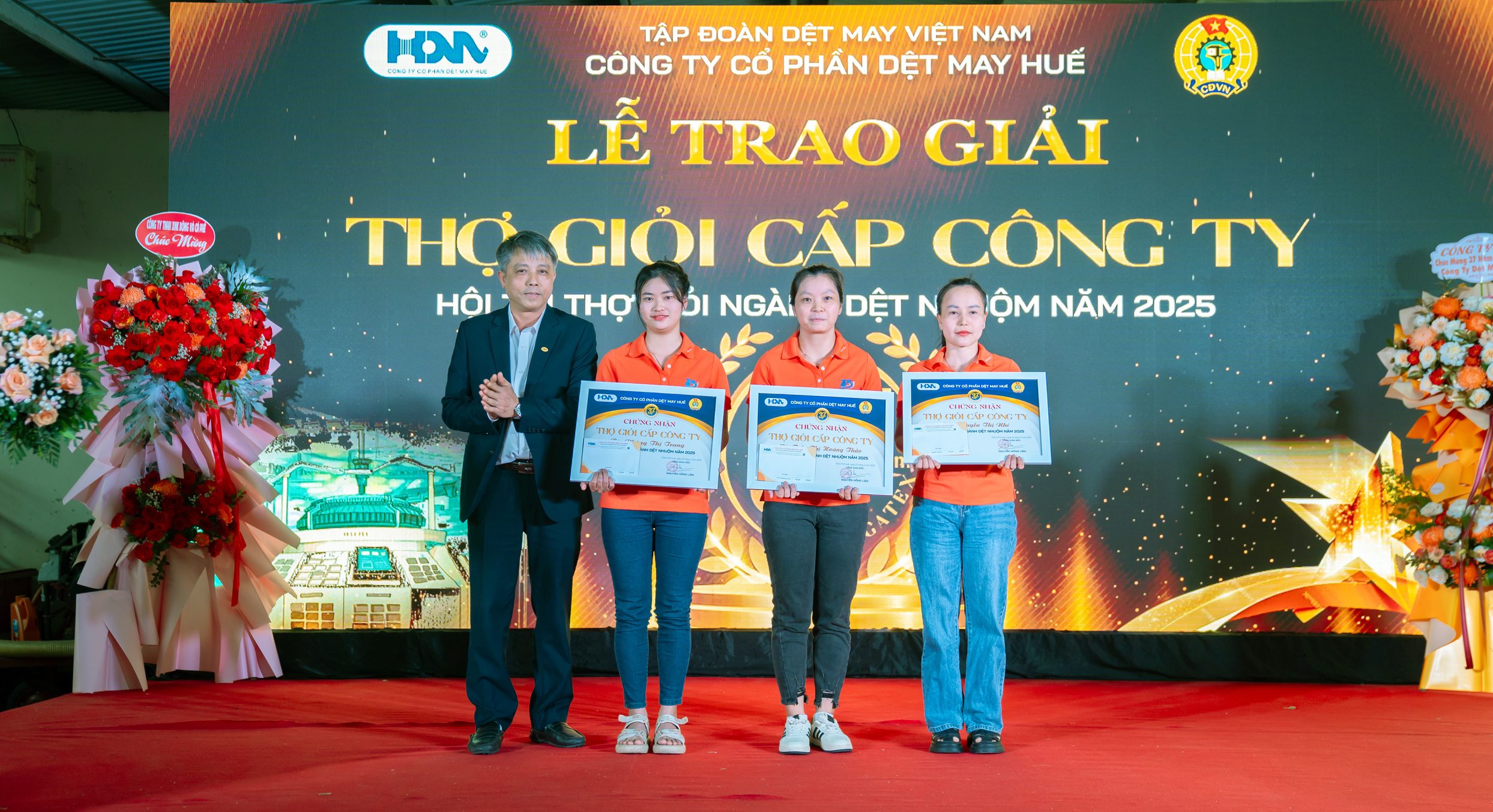
Textile and garment enterprises within the Vinatex system are shifting from viewing wages as a cost to treating them as an investment in productivity and workforce retention. They are adopting flexible compensation policies that link income to job performance.
At Nam Dinh Spinning Mill, replacing a uniform pay structure with a KPI-based system tied to output and quality helped increase workers’ performance-based pay by 29–36% between March and August 2026. Hue Textile and Garment Joint Stock Company (Huegatex) combines coefficient-based pay, piece-rate wages, and KPI-based compensation. As a result, average income rose by 15% in 2025 and is projected to increase by a further 10% in 2026, reaching VND 11.77 million per person per month. From July 2026, Hanosimex introduced seniority benefits and attendance incentives, helping curb employee departures while recruiting an additional 55 workers.
Meanwhile, in response to recruitment challenges, Viet Thang Corporation has adopted a “retain critical talent” strategy, focusing on highly skilled technical personnel and increasing their incomes by 50–70%. This approach has helped the company increase sales by 2% and operational efficiency by 40%, while also improving wages for the broader workforce and key personnel.

Optimizing workforce structure and developing succession plans
In response to rising labor costs, enterprises within the Vinatex system are stepping up efforts to streamline their organizational structures, improve direct labor productivity, and optimize operations. Huegatex has adjusted its indirect-to-direct labor ratio from 40:60 to 37:63. Nam Dinh Spinning Mill and Hoa Tho have also moved to reduce intermediate management layers and establish appropriate workforce staffing levels. In parallel, Hoa Tho is leveraging ERP and MES systems and digitizing processes to control costs, monitor productivity, and provide early warnings when labor costs begin to rise faster than production efficiency.
Alongside organizational restructuring, enterprises are investing in their people to offset constraints in workforce size. Training workers to perform multiple tasks and master technical skills enables more flexible workforce allocation. Hoa Tho has introduced a succession planning and training program based on a 2:1 ratio, aligned with its 2030–2035 vision. Garment 10 Corporation JSC (GARCO 10) combines the development of a green, employee-friendly workplace with the digitalization and automation of sewing-line management, helping boost productivity while reducing reliance on manual labor.
A people-centered approach to employee retention
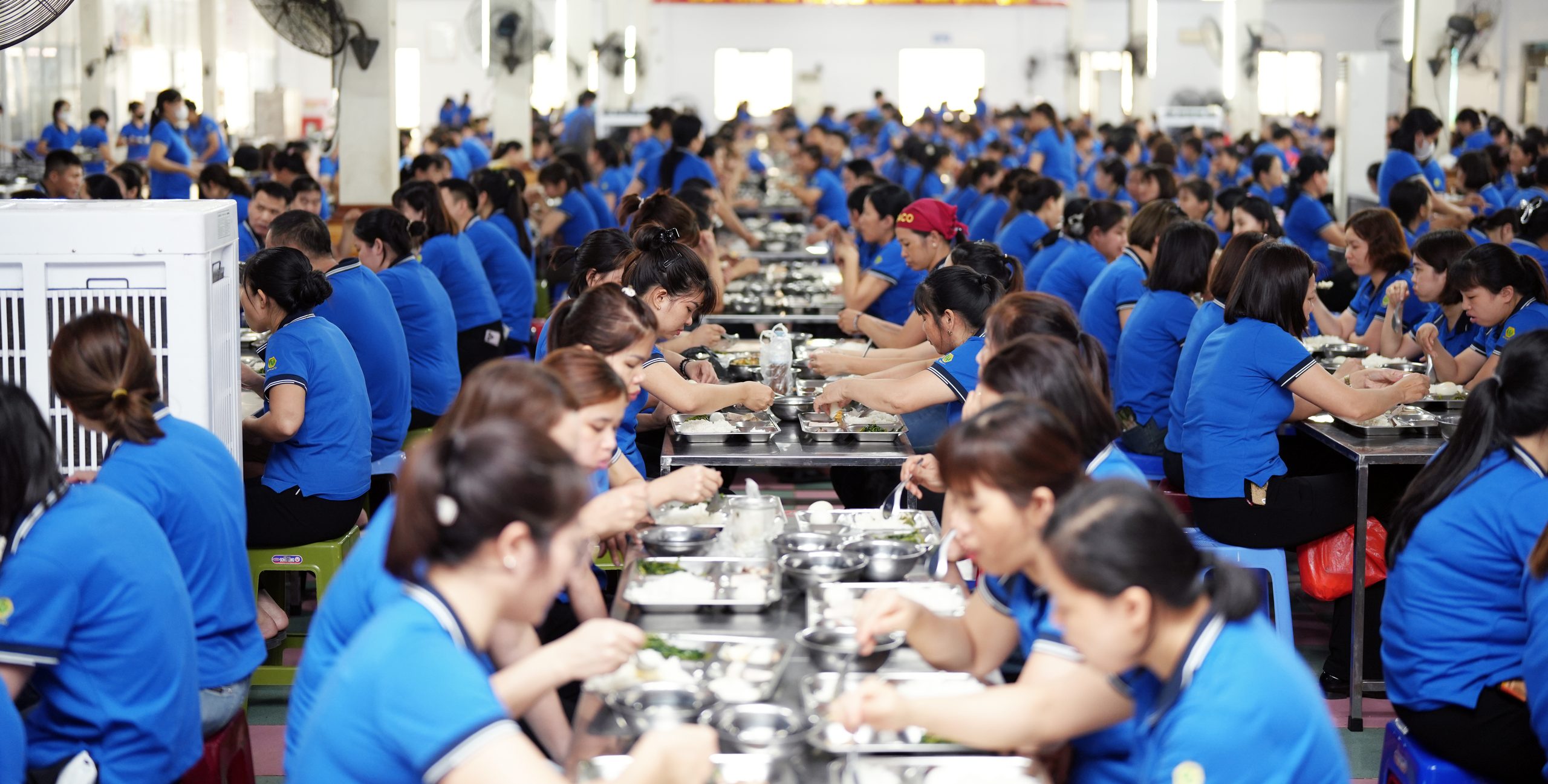
Textile and garment enterprises within the Vinatex system are shifting their focus beyond wages alone to creating a professional and supportive working environment, reducing physical strain, and improving workers’ overall well-being in order to achieve long-term workforce stability.
Hoa Tho Textile and Garment Joint Stock Corporation has tripled its budget for training and workplace improvements to VND 2 billion, while upgrading air-conditioning systems, canteens, and sports facilities and fostering a stronger corporate culture. Huegatex proactively stabilizes its order book and organizes production schedules more effectively to reduce overtime, helping workers maintain a better work-life balance. Hung Yen Garment Corporation has invested in cooling and lighting systems, shift meals, and accommodation for workers from other provinces. It has also introduced welfare policies for employees’ families and negotiated a collective labor agreement offering benefits beyond statutory requirements.
Meanwhile, 8-3 Textile Company has maintained a workforce of more than 300 employees throughout 2025–2026, following a workforce turnover rate of 21% in 2024. This improvement has been supported by stronger communication between managers and workers, a one-on-one mentoring system for new hires, and welfare packages tailored to different employee groups.