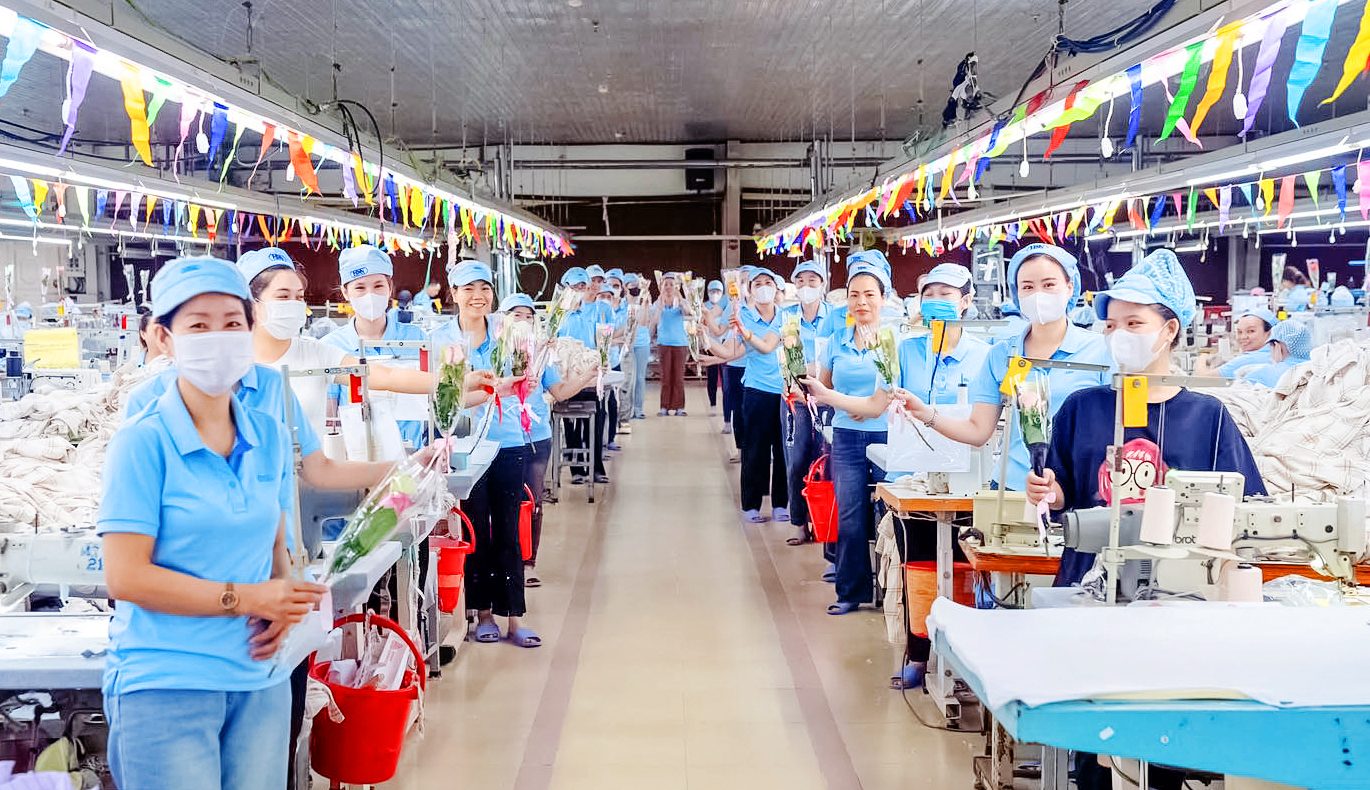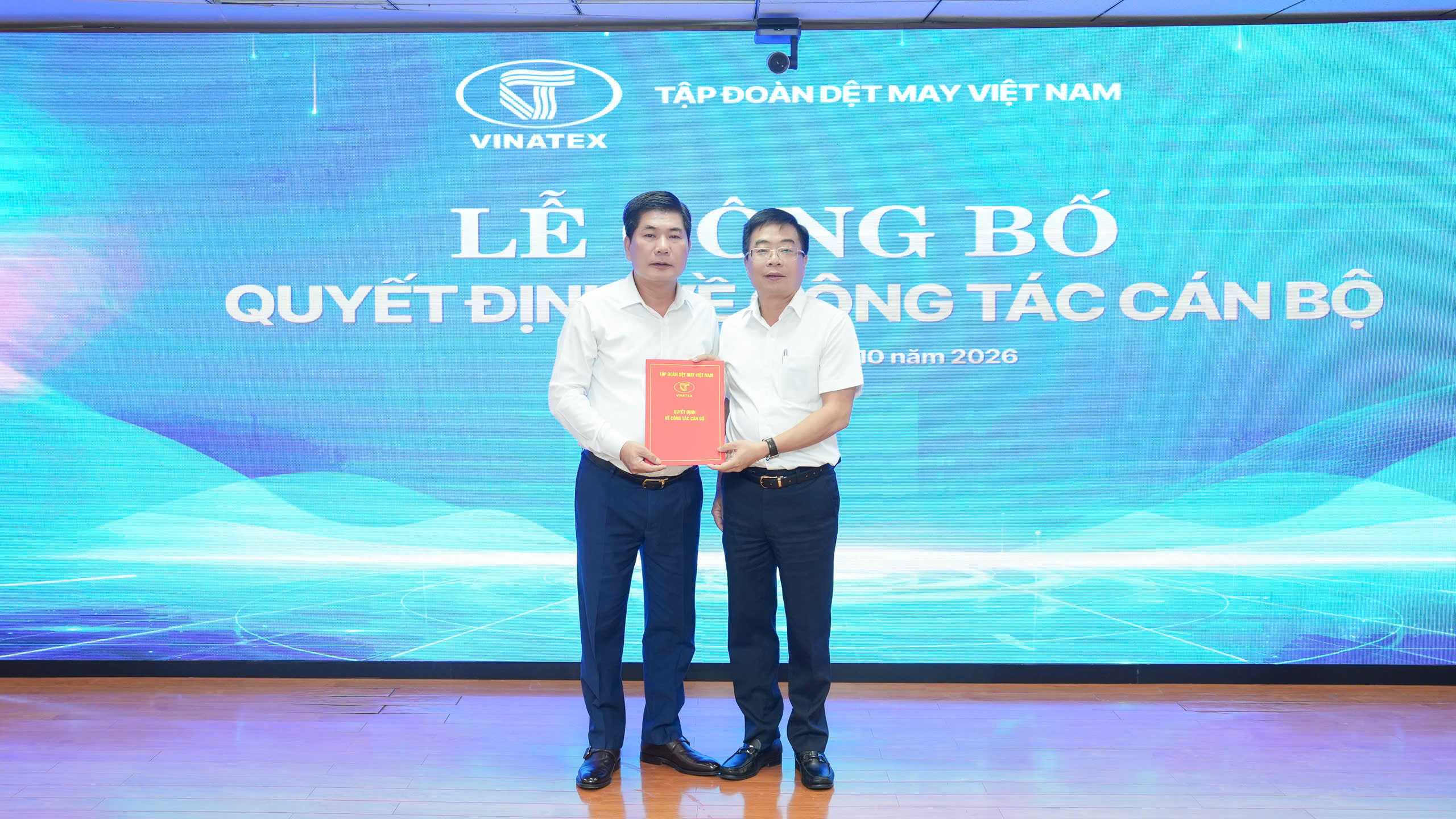

Business results in the first months of 2026 have demonstrated the resilience and recovery capacity of enterprises across the Vinatex system, with many maintaining growth and improving profitability. However, as short-term favorable conditions become less sustainable in 2027, businesses need to build proactive plans focused on growth quality, selecting the right customers, improving resource efficiency, and preparing for different market scenarios.

Positive results lay a foundation for 2027
According to Mr. Cao Huu Hieu – General Director of Vinatex, consolidated revenue and profit in the first nine months of 2026 are estimated to have increased by 6.8% and 40.7%, respectively, year on year. Full-year consolidated profit could reach a new record, surpassing the previous peak set in 2025. Growth reflects improved management, while previously underperforming businesses have strengthened their foundations.
Phong Phu maintained stable production, with estimated yarn output of 15,000 tons and capacity utilization rate above 95%. Revenue was equivalent to nearly US$90 million. Towel production capacity increased from 150 to 170 containers, with a target of 200 containers in 2027.
May 10 stood out for its ability to translate revenue growth into profit. In the first nine months, it recorded VND 4,033 billion in revenue and VND 159 billion in profit. Full-year revenue is projected at around VND 5.5 trillion, with profit exceeding VND 200 billion, despite handling 6,700–7,000 product codes annually. Its profit target for 2027 is approximately VND 260 billion.

Hue Textile Garment JSC is estimated to generate VND 2,342 billion in revenue, equivalent to 98% of its plan, and pre-tax profit of VND 190 billion, or 108% of the target. A 54% increase in yarn-sector profit partly offset the decline in garment-sector performance, which was narrowed from 35% after six months to 21% after nine months thanks to technological solutions and sewing-line optimization.
Previously struggling members also showed clear improvement. Natexco expects to post a profit of VND 35 billion after several loss-making years. Hanosimex has fully set aside funding for its 13th-month salary payments, while VSC has secured orders through the end of 2026 and expects profit to exceed its plan by 20%.
Further restructuring of orders and customers
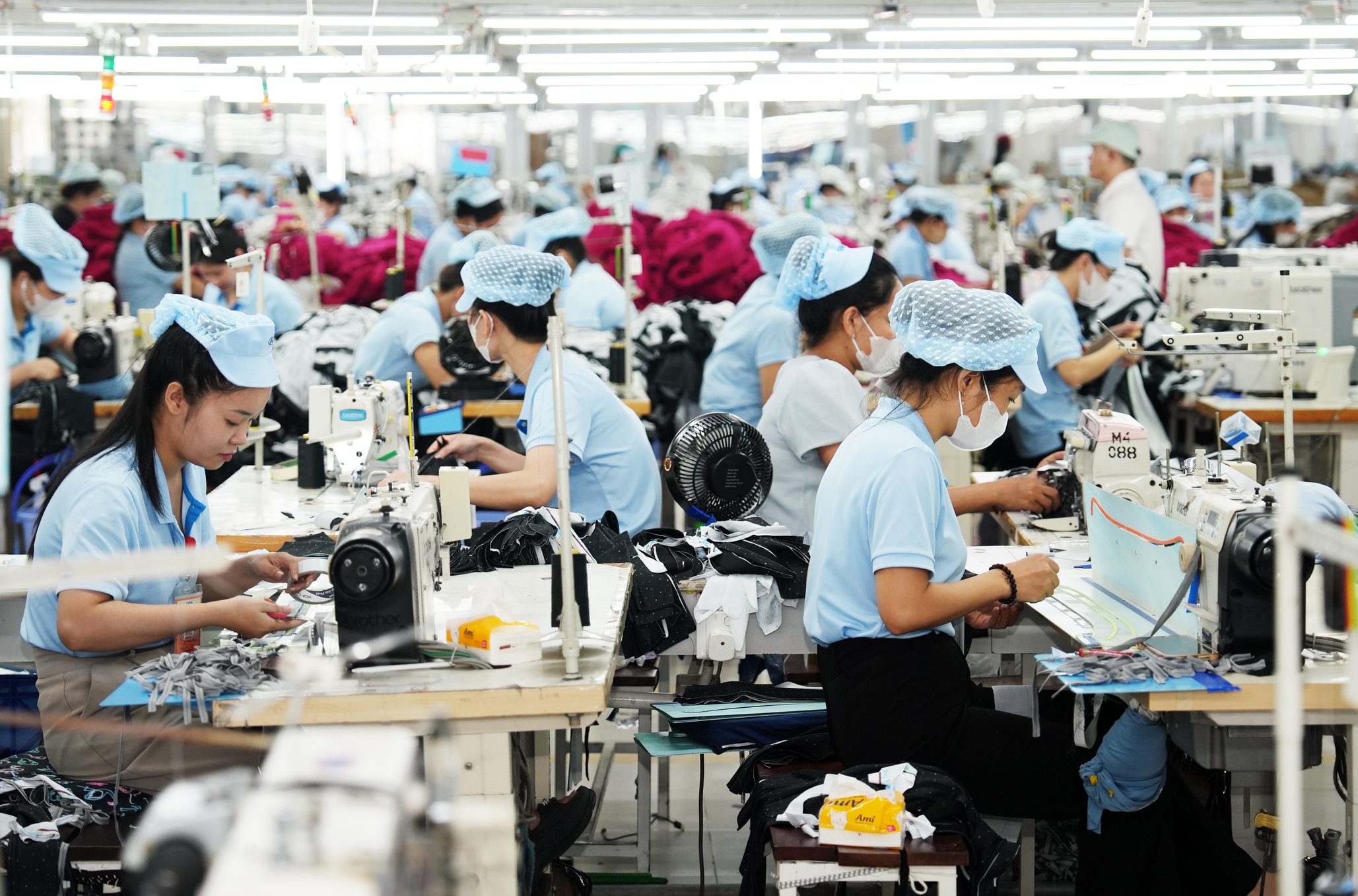
Looking back at 2026, Hoa Tho identified three areas that need improvement: uneven sewing productivity across factories, returns from investment in the yarn sector falling short of expectations, and low-margin orders weighing on overall performance. Among its seven key customers, only one improved its profit-to-CMT revenue ratio, two remained unchanged, and four recorded declines. In 2027, the focus will therefore extend beyond productivity gains to restructuring customers, CMT prices, and order portfolios. This includes screening out low-margin, slow-paying, and small-scale orders; tightening controls on waste and defects; streamlining operations; and selectively adopting automation.
Meanwhile, Hue Textile Garment is reassessing customers based on profit margins and stability, renegotiating or dropping orders subject to price pressure, delayed payments, or excessively small volumes. It will not accept orders simply to fill capacity. Resources will be concentrated on FOB products, which account for 60–62% of garment-sector capacity. Despite a workforce reduction of around 5%, productivity has been maintained thanks to technological solutions and improved sewing-line management.

May 10 ranks customers by revenue, profit margins, payment speed, and financial health to identify priority accounts and those requiring closer scrutiny. It is prepared to accept a 5% revenue decline if this results from proactively eliminating inefficient orders. With the US accounting for around 70% of its market, the company is expanding into Europe, Japan, Australia, and Canada to reduce concentration risk.
Hanosimex believes its garment business may need to “pace itself” in 2027 to strengthen management, evaluating orders based on gross profit rather than revenue. Its yarn business will track market demand closely and prioritize higher-value-added yarns. This is a step back to move forward.
VSC will avoid locking in its customer and product portfolio for the entire year. Instead, it will coordinate with Vinatex’s Garment Business Division to determine the right timing for order commitments, while maintaining its target of increasing profit by around 20% annually.
Phong Phu is restructuring both its sales and supply sides. It is promoting framework contracts of up to three years with the Coats – Phong Phu joint venture to stabilize volumes, selling prices and profit margins. At the same time, it will flexibly allocate capacity between domestic and export markets, and maintain US cotton at around 60% of its cotton mix to meet rules-of-origin requirements.
2027 Market Outlook: From Planning to Action
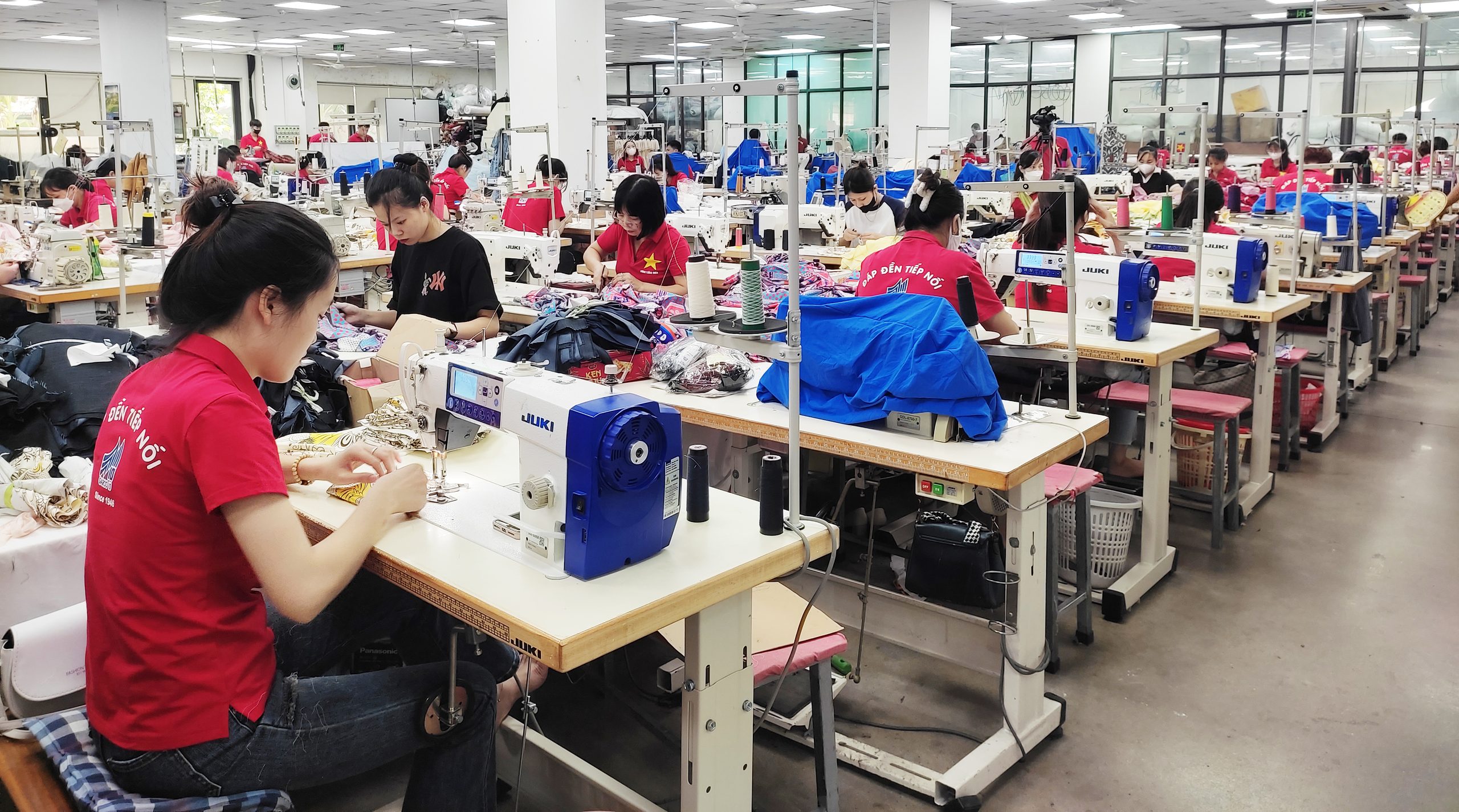
Current business performance provides an important foundation for Vinatex member companies in 2027. Nevertheless, the outlook remains highly uncertain, with garment-sector margins under pressure and cotton and fiber prices changing direction. The goal is therefore not simply growth, but growth of higher quality.
Pressure is mounting from multiple directions: dependence on the US market, which accounts for around 70% of May 10’s market; tariff uncertainty; orders shifting to Bangladesh and India; rising labor, electricity, and transportation costs; and additional expenses related to environmental standards and traceability. For businesses such as May 10, with multiple factories and numerous small orders and product codes, an order may generate revenue without delivering a commensurate return.
For 2027, May 10 has developed three scenarios: In the first, revenue grows by 5% and profit rises by 14.2% to VND 260 billion. In the second, revenue remains flat, but profit still reaches VND 260 billion through better management and cost reductions. In the third, revenue falls by 5% as inefficient orders are deliberately eliminated, with the company seeking to protect profit as much as possible. A smaller business can deliver better results when its operations are more efficient.
VSC has also prepared three scenarios: an optimistic case, with favorable orders throughout all four quarters; a base case, with more difficult conditions in the second half; and a pessimistic case, with challenges emerging from the second quarter, similar to 2022–2023. The key is not to predict the market perfectly, but to know how to respond under each scenario.