
China Auctions State Cotton Reserves
China has been auctioning part of its state cotton reserves since July 20, with the auction volume adjusted according to market conditions and the floor price updated weekly. The cumulative volume actually sold over 34 auction sessions from July 20 to September 3 reached 272,718 tons, averaging approximately 8,020 tons per session. With a 100% successful bid rate, the results indicate very strong demand for cotton among Chinese spinning factories.
Auction prices: The floor price increased from RMB 16,291 to RMB 17,228 per ton (+5.8%) over 7 weeks. The gap between the winning bid price and the floor price narrowed from +10.5% to +5.3%, indicating that the floor price mechanism is gradually converging with actual transaction prices rather than reflecting weakening demand.
Cotton sources: Imported cotton from the United States and Brazil accounted for 71.8% of total auctioned volumes, approximately 2.6 times the volume of Xinjiang cotton. This indicates that China is prioritizing the release of imported cotton held in reserves.
Notable trend: The share of Xinjiang cotton fell sharply from 26–37% in July–August to 0% during September 2–3, when all cotton sold in those sessions was imported cotton.
Market Impact:
China’s domestic cotton market: Underlying demand remains strong with prices remaining high.
International cotton market: Imported cotton from the United States and Brazil accounted for 71.8% of the released reserves, primarily reflecting inventory rotation rather than replacing China’s need for new imports. International cotton prices rose from approximately 78 cents/lb in mid-July to above 88 cents/lb by the end of August, mainly driven by concerns over supply and weather conditions in major producing countries, particularly the United States and India.
Vietnam’s spinning industry: Competitive pressure from Chinese yarn is lower than initially expected under the downside scenario, as China’s cotton input costs have not declined significantly. However, a short-term decline in imported cotton prices should not yet be expected. If China continues to limit the release of Xinjiang cotton during the September–October peak season, domestic cotton prices could rise, potentially creating an advantage for Vietnam’s premium yarn made from U.S. cotton in the Chinese market.
Recommendation: Closely monitor whether Xinjiang cotton returns to future auction sessions in order to assess price trends and new-crop procurement policies. At the same time, continue to emphasize the differentiated advantage of premium yarn made from U.S. cotton as the supply of lower-priced Xinjiang cotton shows signs of tightening.
EU Tightens Rules for Cross-Border E-Commerce
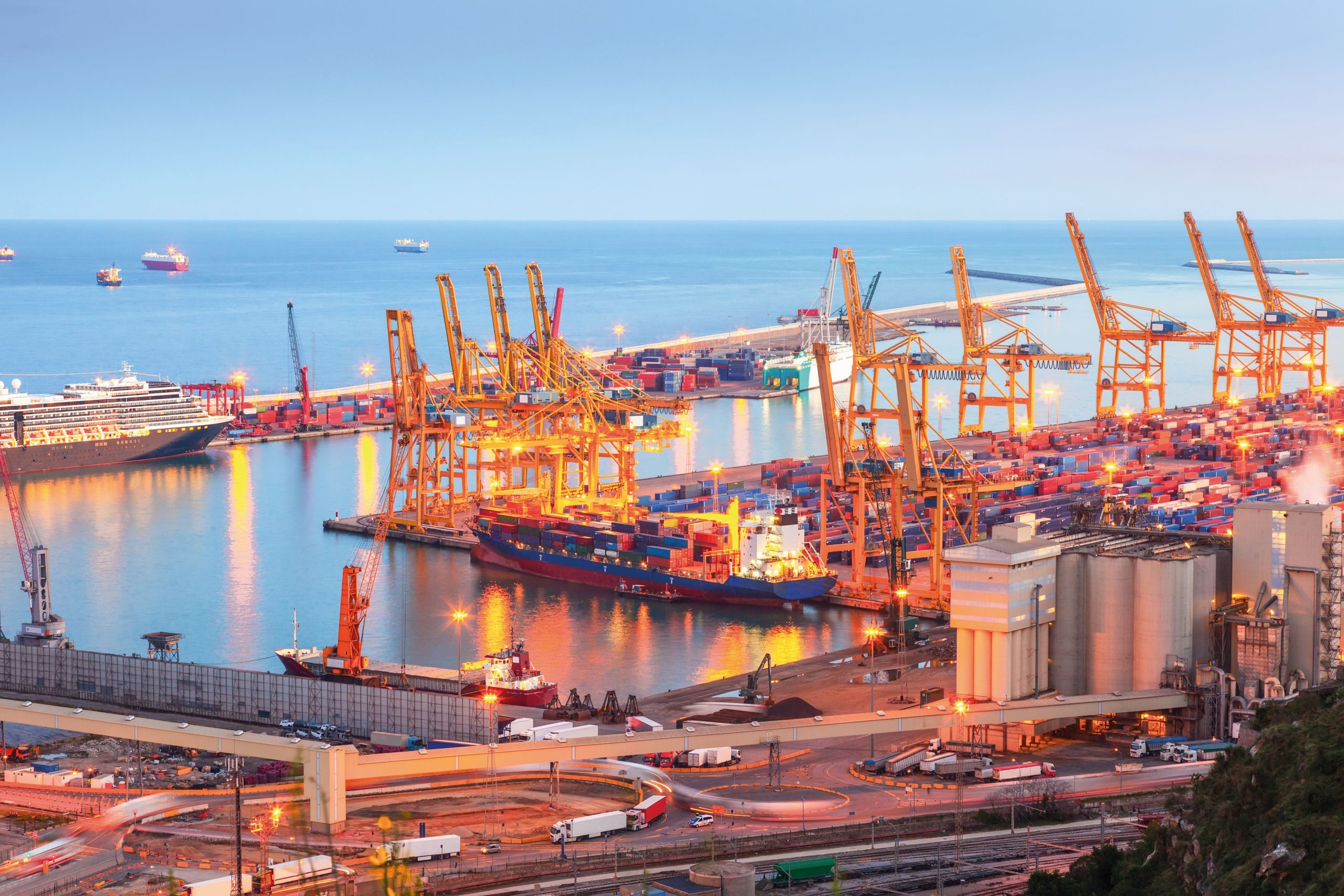
EU Undertakes a Major Customs Reform: E-commerce platforms based outside the EU that sell goods into the EU will be treated as importers and will be responsible for customs procedures, product compliance, and taxes.
In cases of serious violations, platforms could face fines of up to 6% of the annual value of goods imported by the company in the previous year. They could also lose certain customs privileges or face restrictions on access to online platforms.
Higher Costs for Low-Value Goods: The EU will introduce a handling fee for small parcels no later than November 1, 2026, in addition to the temporary €3 customs duty already in effect since July 1, 2026, for parcels valued at no more than €150.
Cause: Cross-border e-commerce has expanded rapidly, with EU customs authorities processing approximately 6 billion parcels in 2025, more than 90% of which originated in China.
Implications & Key Considerations
Higher compliance costs: Low-value direct-to-consumer (D2C) sales from outside the EU will face additional costs and compliance responsibilities, reducing the competitive advantage of cross-border fashion platforms that rely on large volumes of small orders.
Significant impact on ultra-fast fashion: As more than 90% of e-commerce parcels entering the EU originate from China, ultra-fast fashion business models based on direct cross-border sales may be significantly affected.
Implications for Vietnamese textile and garment enterprises: Businesses and brands using D2C e-commerce models are likely to face a more direct impact, while B2B exports shipped in larger consignments are expected to be less affected.
Hyosung Puts Integrated Bio-Spandex Production Chain into Operation in Vietnam
Hyosung TNC has officially begun commercial operations at its Bio-BDO plant in Vietnam, with an annual production capacity of 50,000 tons. The facility is part of a US$1 billion investment project and has infrastructure in place to support future expansion to 200,000 tons per year.
Bio-BDO is produced from sugar derived from sugarcane and subsequently converted into PTMG — the primary raw material for spandex polymer at the company’s facility in Dong Nai. The PTMG is then used to produce Regen Bio fiber, creating an integrated supply chain from bio-based raw materials to finished yarn.
This integrated model enhances control and traceability of raw-material sources while reducing dependence on fossil-based feedstocks.
Bio-spandex offers elasticity and durability comparable to conventional spandex and is being positioned for sportswear, swimwear, and denim products targeting the U.S. and European markets.
Implications & Key Considerations:
Bio-based materials in the textile industry are moving from the pilot stage toward commercial-scale production, with Vietnam emerging as an important link in the value chain.
Enterprises should closely monitor the commercialization and cost competitiveness of bio-spandex, particularly for orders requiring reduced reliance on fossil-based feedstocks, lower emissions, and enhanced traceability.