
In recent years, the global textile and garment industry has entered a period marked by the implementation of new policies. At the same time, geopolitical conflicts, rising logistics costs, and climate change have placed additional pressure on global supply chains. These developments reflect the state of “polycrisis” warned of by the World Economic Forum (WEF), in which trade, geopolitical, and climate-related risks are increasingly intertwined, amplifying one another and making markets and supply chains increasingly difficult to predict.
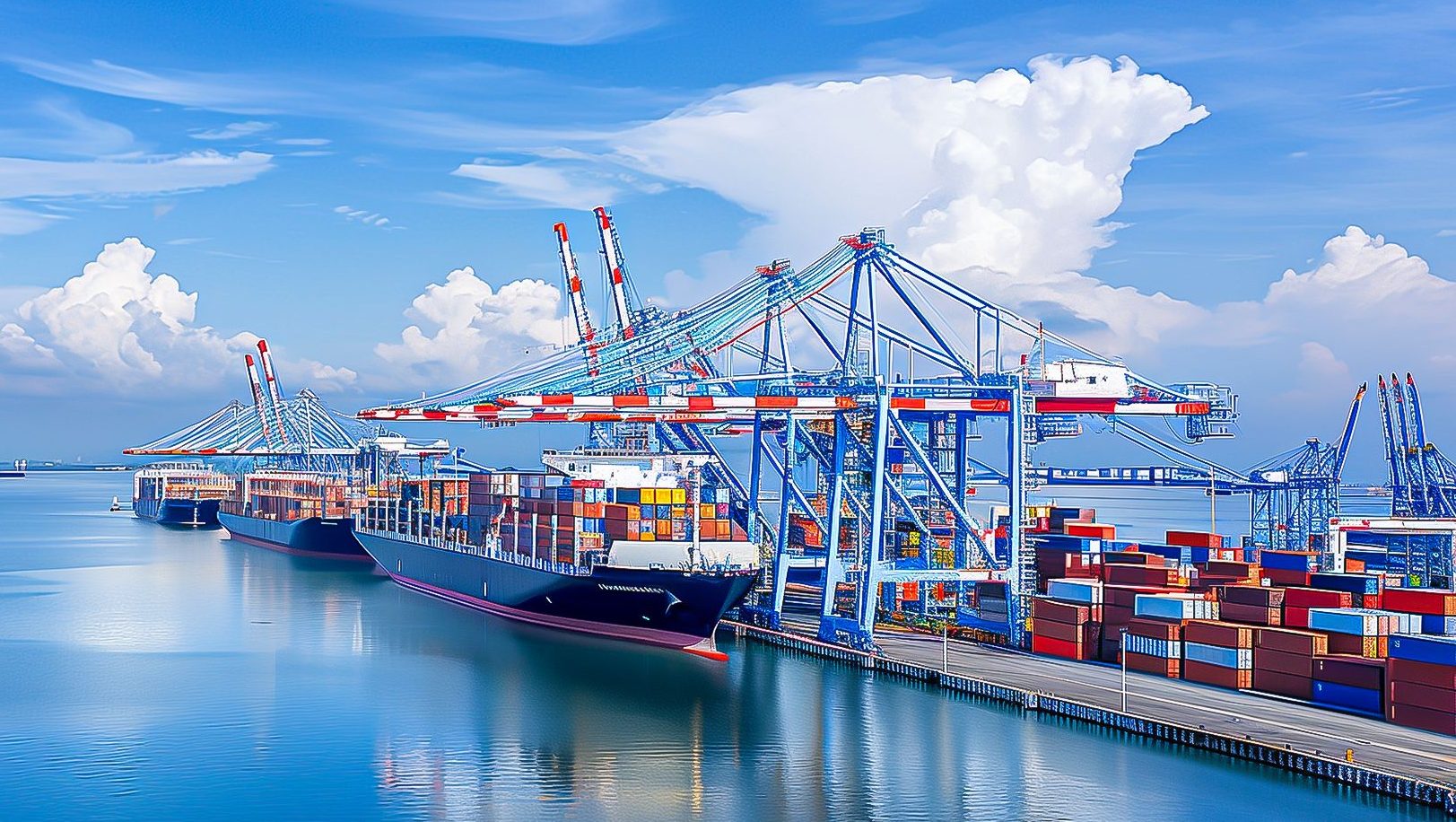
The impact of polycrisis on textile and garment supply chains
In 2026, global textile and garment supply chains are facing a “Polycrisis” — a multidimensional crisis in which multiple risks emerge simultaneously and interact with one another. These include U.S. tariff policies under Section 301, requirements to implement the Digital Product Passport (DPP) under the EU’s Ecodesign for Sustainable Products Regulation (ESPR), geopolitical tensions and disruptions to marine transport, fluctuations in the supply of raw materials and energy, climate change, and a slow recovery in consumer demand. The main concern lies not in any single risk, but in the compounding effects of these factors, making markets and supply chains increasingly difficult to predict while allowing shocks to spread more widely and intensify their impact.
For the textile and garment industry, the Polycrisis simultaneously amplifies risks related to supply, tariffs, energy, climate change, and consumer demand. The concern is not any individual risk in isolation, but rather the interplay among them, which increases uncertainty and underscores the need to strengthen management capabilities across the entire supply chain.
Core Management Capabilities for Supply Chain Resilience
In the context of the Polycrisis, textile and garment enterprises need to shift from a focus on cost optimization and operational efficiency toward building resilient supply chains that can anticipate risks early, respond rapidly, and recover effectively from market shocks.
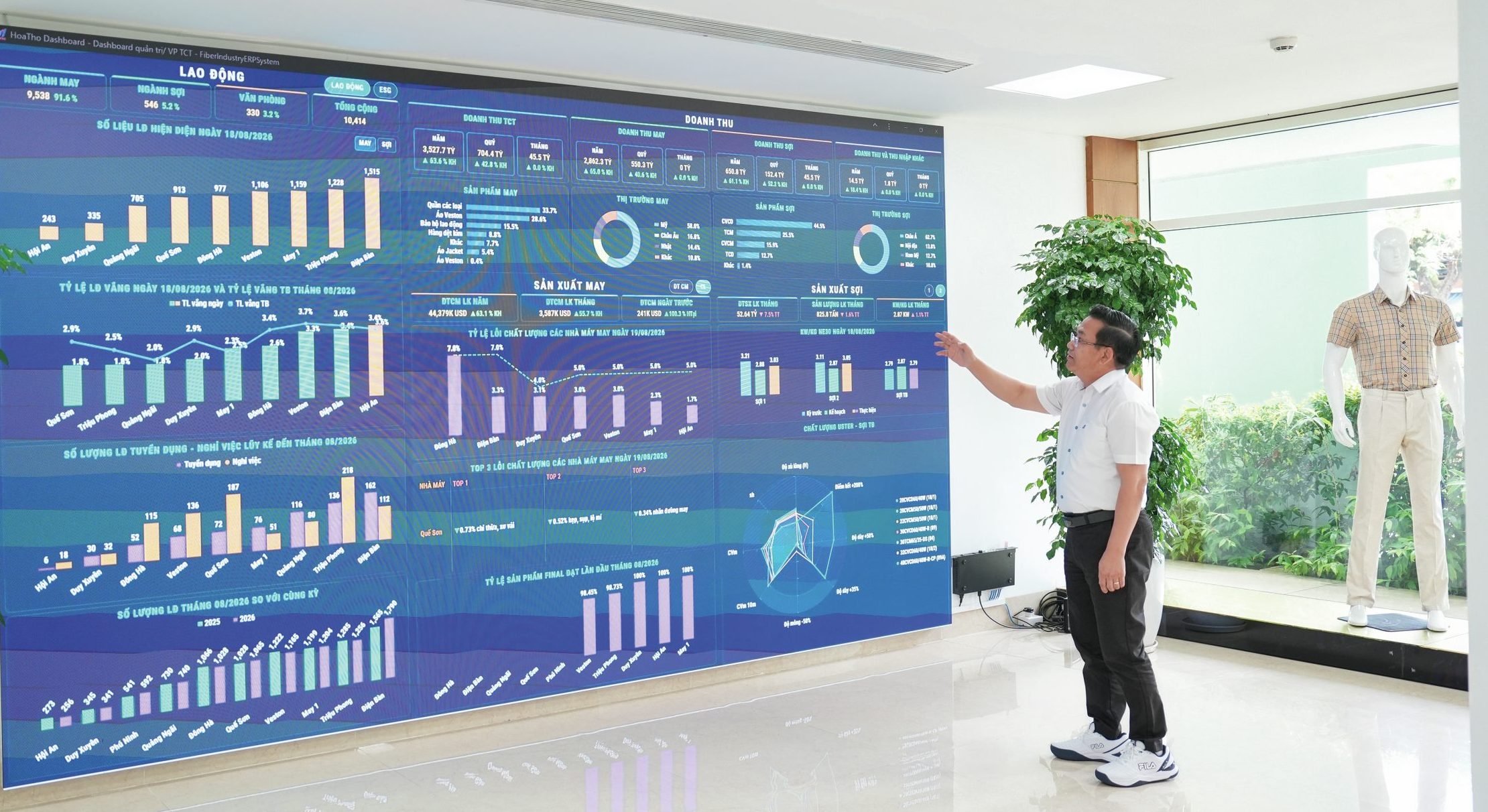
To achieve this, enterprises need to move from experience-based management to data-driven management: monitoring raw materials, orders, and supplier capacity in real time, and using this information to develop response scenarios for fluctuations in tariffs, logistics costs, exchange rates, and market demand.
Building on data and supply chain visibility, enterprises can apply AI to analysis, forecasting, and decision-making. By simulating different scenarios of market disruptions and volatility, they can optimize production plans, inventory levels, and resource allocation.
At the same time, the scope of supply chain management needs to expand beyond direct suppliers to multi-tier supplier management, in order to meet increasingly stringent requirements concerning raw-material origin, forced labor, carbon emissions, and ESG.
The Management Capability Gap Among Vietnamese Enterprises
The gap between Vietnamese textile and garment enterprises and global supply chains lies not primarily in technology, but in their ability to integrate data and manage the supply chain. Although many enterprises have implemented ERP, MES, and automation, these systems still operate relatively independently, failing to create a unified data foundation for forecasting and decision-making.
Key limitations include fragmented data, limited supply chain visibility, the predominantly operational use of AI, and the relatively low level of participation by Vietnamese enterprises in global value chain linkages. According to the World Bank, the share of Vietnamese enterprises participating in export supply chains fell from 35% in 2009 to 18% in 2023.
This highlights that strengthening resilience is not simply a matter of investing in technology. It also requires connecting data, strengthening collaboration with suppliers, and building management capabilities across the entire supply network.
Strategic directions for building resilient supply chains
In the context of the Polycrisis, the value of data, AI, supply chain visibility, and scenario-based planning lies not in the technology itself, but in its ability to help managers make decisions faster, more accurately, and more proactively. Supply chain resilience is reflected across 4 dimensions:
- Markets & Customers: Forecasting and developing multiple scenarios enables enterprises to proactively respond to changes in tariffs, trade policies, and demand, while diversifying markets and reducing dependence on individual markets.
- Suppliers: Monitoring multi-tier supply chains helps identify potential disruptions at an early stage, enabling enterprises to activate backup suppliers, adjust procurement plans, or change transportation routes.
- Finance: Data and AI support forecasting of raw-material prices, exchange rates, and transportation costs, enabling proactive management of procurement, inventory, cash flow, and expenses.
- Human resources: Data analytics can help forecast labor requirements and identify potential workforce shortages, allowing enterprises to proactively recruit, train, or redeploy employees. This helps maintain workforce stability, ensure business and production continuity, and minimize supply chain disruptions.
In the context of the Polycrisis, supply chain resilience is not determined by how much technology an enterprise possesses, but by the quality and speed of data-driven decision-making. The better an enterprise is able to anticipate risks early, take appropriate action, and adapt flexibly, the better positioned it is to maintain market access, stabilize supply, manage its finances, and secure its workforce in an increasingly volatile environment.