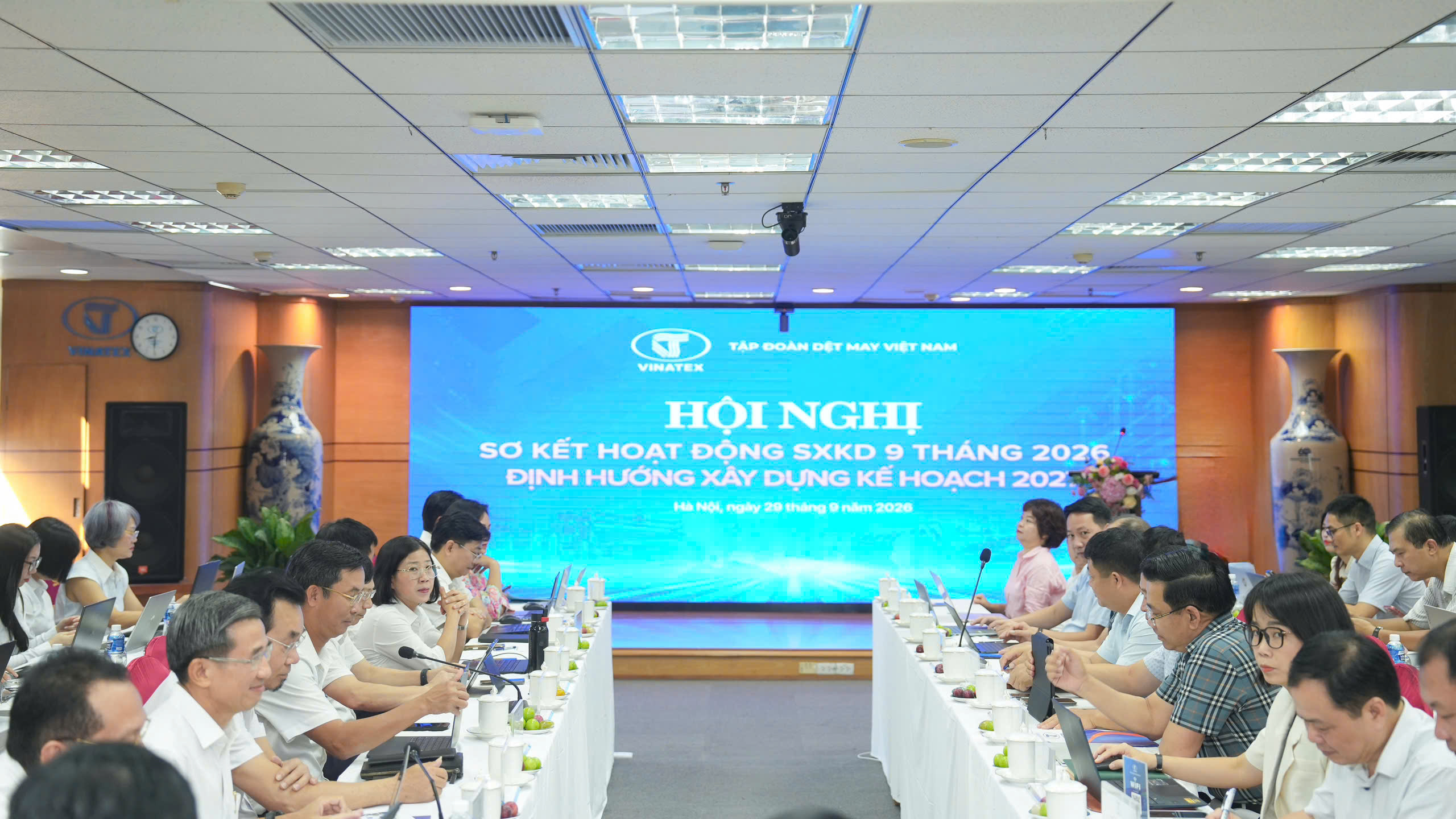


In the first six months of 2026, Vinatex recorded net revenue of VND 9,494 billion, up 9.2% year on year, and profit before tax of VND 930.1 billion, up 39.5%. The positive results, together with the market outlook for the remaining months of the year, provide a solid foundation for the Group to achieve, and even potentially exceed, its 2026 business targets ahead of schedule.
To ensure its full-year objectives are achieved, Vinatex has identified several key priorities, including stabilizing the workforce, particularly at units experiencing high employee turnover, through appropriate employee welfare policies and working conditions; closely monitoring market developments and proactively developing contingency plans to address fluctuations in exchange rates, logistics costs, and international trade policies.
Member companies should continue to control costs, improve productivity, and manage cash flow, inventories, and financial risks. For the yarn sector, the focus is on closely monitoring raw material prices, developing appropriate cotton procurement plans, and controlling inventories, receivables, and working capital. For the garment sector, companies need to ensure product quality and delivery schedules while preparing early for negotiations on orders for the first quarter of 2027, giving priority to orders with high added value and strong profitability.
In addition to its business and production tasks, the Group is also focused on improving employee welfare and studying the establishment of a year-end reward fund in preparation for the 2027 Lunar New Year. At the same time, member companies need to fully resolve outstanding governance issues, ensure transparent and efficient financial operations, and strengthen their ability to respond to market volatility.
VSC has secured sufficient orders to maintain production through September, while its current booking volume is sufficient to support production through Q4 2026, broadly in line with the situation across Vinatex’s Garment Business Division.
Amid pressure to meet delivery deadlines, some units have proactively adjusted working hours and reduced overtime. For urgent orders, VSC continues to flexibly arrange overtime 2–3 days per week. However, since late July, the company has gradually limited overtime to stabilize production operations , safeguard employee well-being, and maintain sustainable incomes.
Orders are currently sufficient to maintain production through the end of 2026, but the outlook for 2027 is expected to be more challenging. Therefore, companies need to engage with customers early, proactively expand markets, and develop appropriate response plans. VSC will coordinate among units within the Garment Business Division to share information, rebalance orders, and support units with order shortfalls in Q4, thereby optimizing production capacity across the entire system.
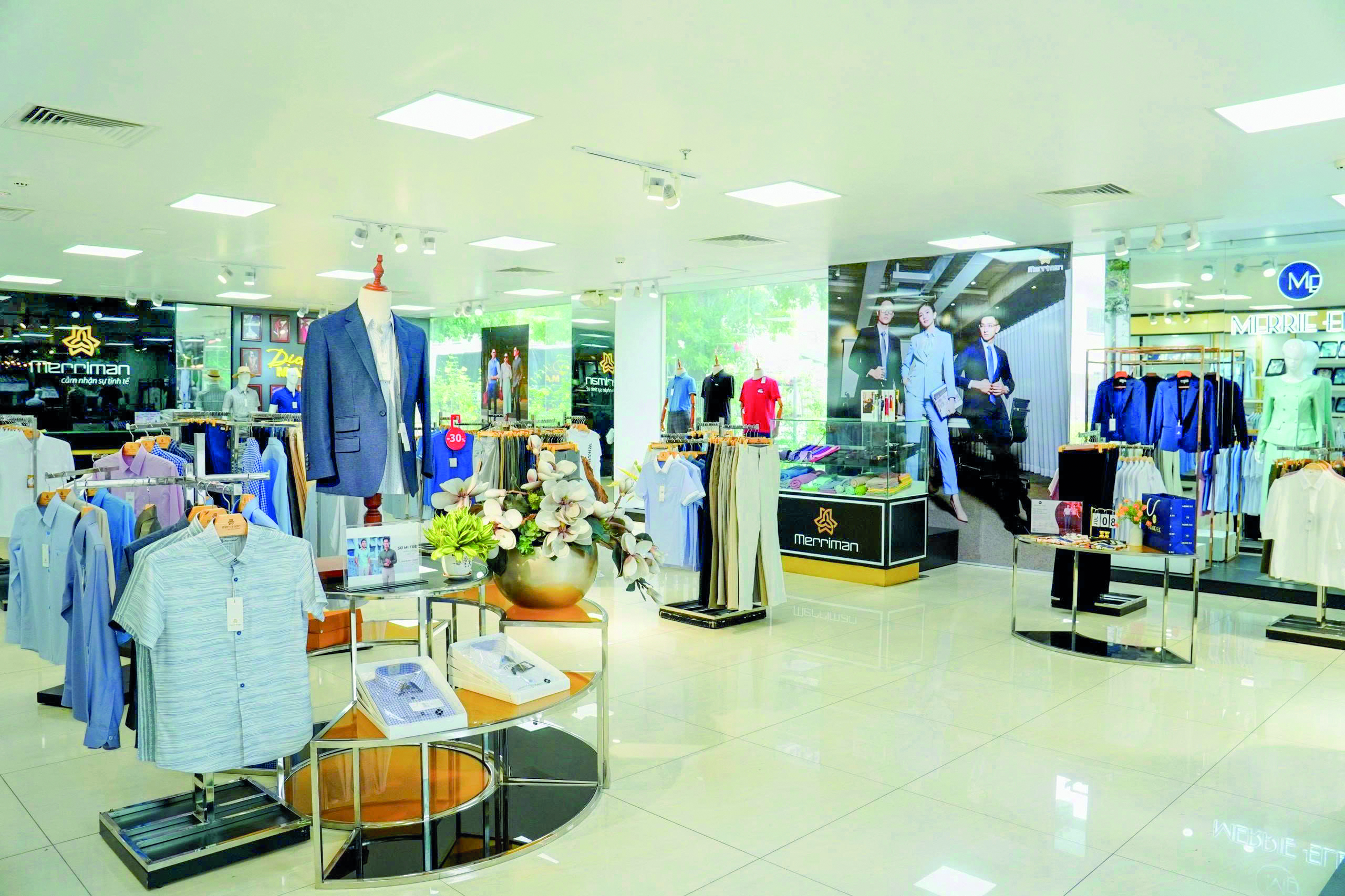
Hoa Tho’s Garment sector currently has orders secured through October 2026, but the pace of order finalization for Q4 has been slower as customers continue to monitor tariff policies. In Japan, knitwear shows positive prospects, with orders secured through the end of 2026 and expectations for higher volumes in 2027. In contrast, in the EU market, orders for workwear and jackets are being placed more slowly and require shorter lead times, while fashion and sportswear orders have declined as customers diversify sourcing across more countries.
The Garment sector continues to face pressure on prices and costs, particularly for FOB orders and fashion, sportswear products as orders are being split into smaller volumes. In the Spinning sector, current orders extend through mid-September, mainly for CVC and recycled yarns. Demand remains relatively stable but has softened during the July–August low season, putting downward pressure on yarn prices while cotton and fiber prices remain high, weighing on production efficiency.
Meanwhile, delays in the supply of fabrics and other materials are extending production lead times and affecting delivery schedules; costs for materials, supplies, spare parts, and transportation also continue to rise.
In the final months of the year, Hoa Tho will closely monitor tariff policies and shifts in sourcing patterns, strengthen engagement with customers, and maintain pricing flexibility while prioritizing higher-value-added orders, particularly in Japan and the EU. The Corporation will also focus on tighter control of materials, improving productivity, reducing costs, optimizing production, and stabilizing its workforce. It will allocate 10% of profits exceeding the annual business plan to bonuses for employees and workers, helping motivate and retain talent.
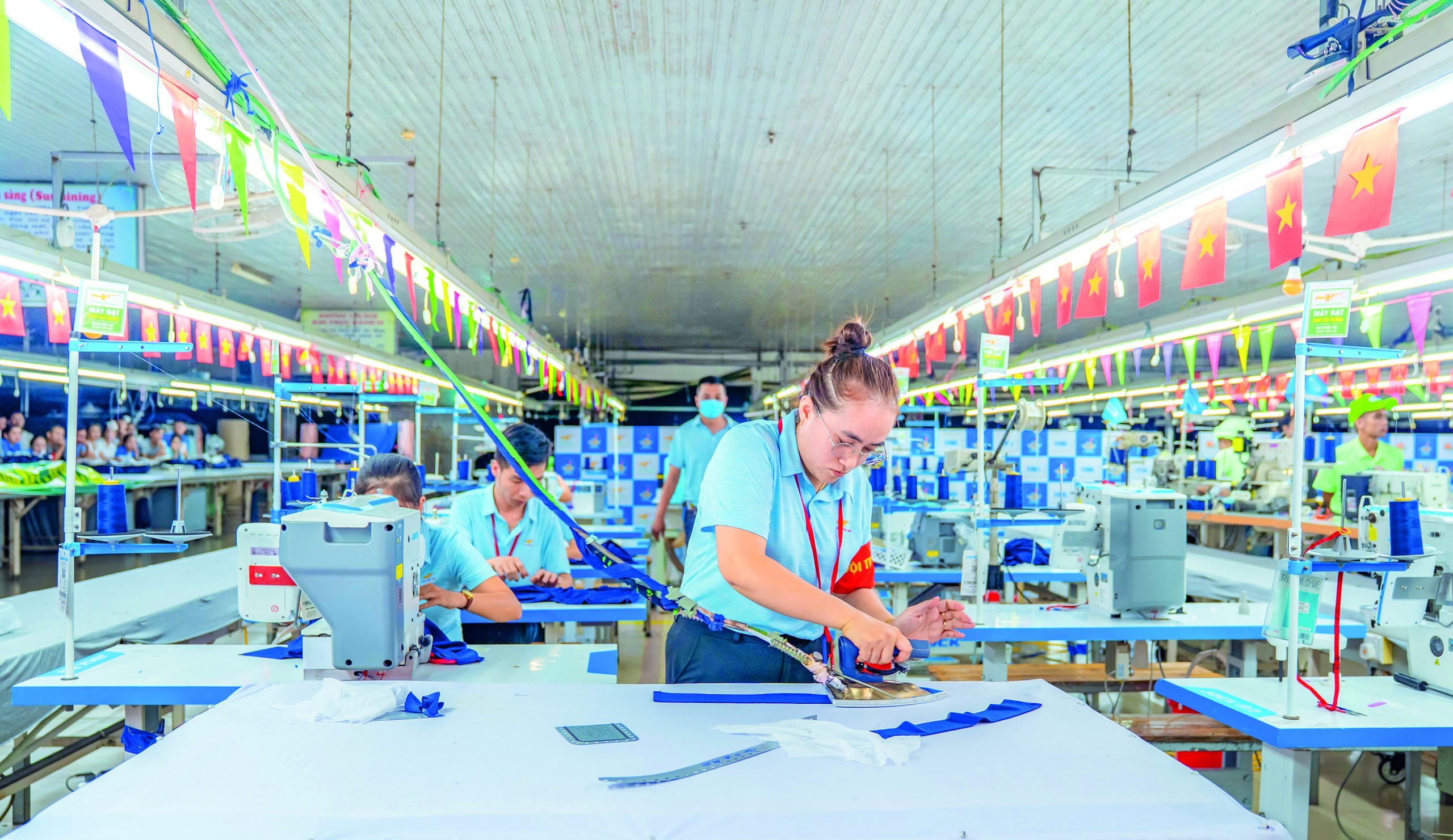
The market is currently showing divergent trends between the Spinning and Garment sectors. The Spinning sector saw signs of improvement in the second half of July following a period of sluggish trading, but the recovery remains fragile. The company has secured sufficient orders for August, while September orders currently cover only around 50% of the plan. In August, the focus will be on securing orders for September and October, accepting lower profit margins and prioritizing small and medium-sized orders to limit risks.
The Garment sector gained momentum from late June through mid-July, but trading slowed markedly after July 20, with many orders yet to be finalized. Knitwear saw a high volume of transactions but remained highly volatile, with orders for September and October still at risk of cancellation or being shifted to other suppliers. Demand for basic products has declined, while customers are shifting toward fashion products requiring more complex processing. Delivery schedules are becoming increasingly flexible, with later shipments potentially being extended by 1.5–2 months, making production planning more challenging.
Both the Spinning and Garment sectors continue to face pressure on profit margins as material and accessory costs rise while customers have not yet shared the corresponding cost. Price negotiations remain intense, order conversion rates are low, and long-term orders remain uncertain. Hue Textile and Garment Joint Stock Company has secured its production plan through the end of 2026, but the outlook for Q1 2027 orders may not become clear until late August or September.
Against this backdrop, workforce stability has been identified as the top priority. Hue Textile and Garment is focusing on maintaining employment, reorganizing production plans, improving working conditions and incomes, and limiting prolonged overtime to retain skilled workers and ensure production capacity for the year-end peak season.
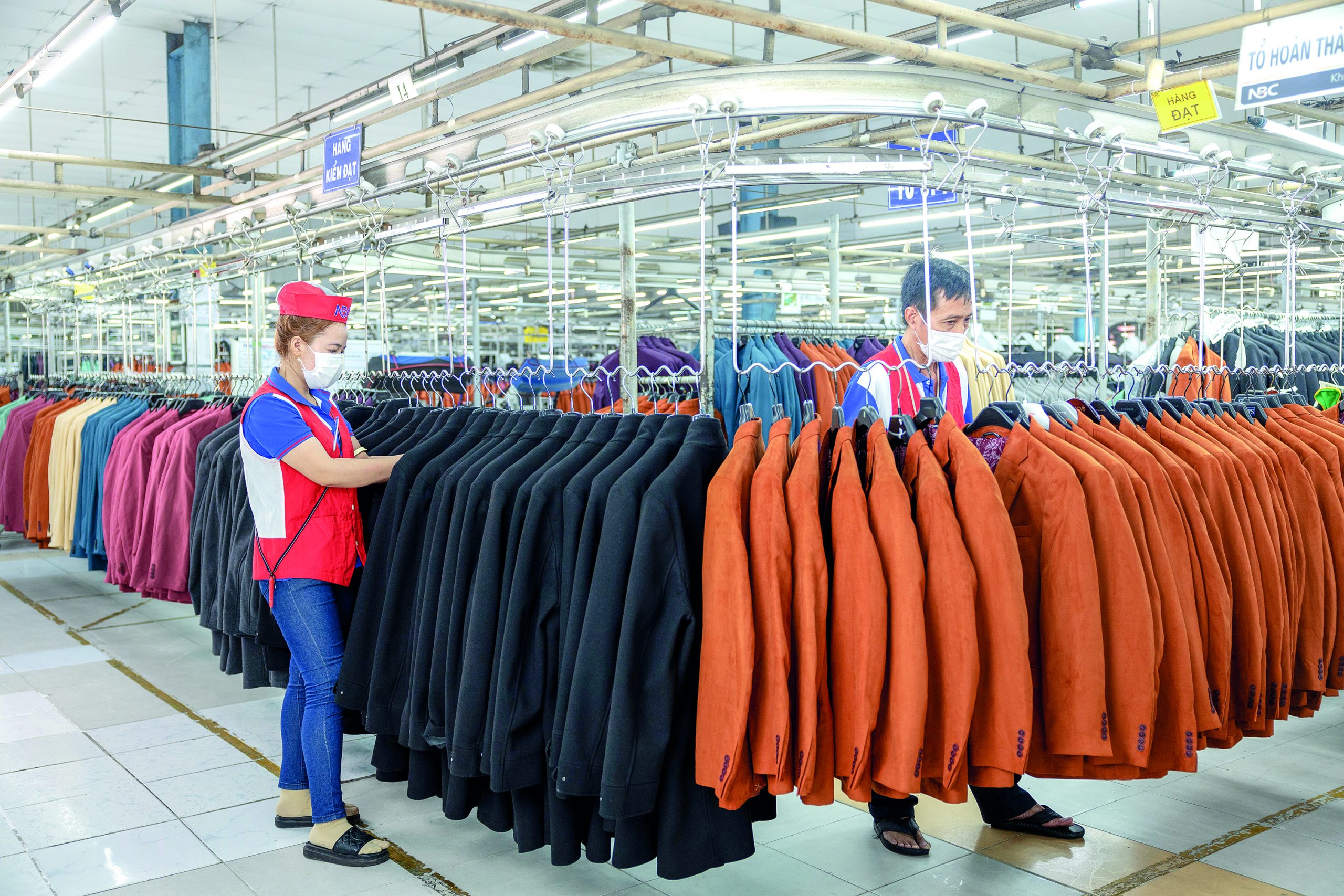
NBC currently operates across eight key product categories, many of which require a high degree of specialization, including suits, men’s and women’s trousers, shirts, jackets, knitwear, and mid- to high-end fashion. Orders are broadly secured through the end of 2026, with many product lines booked through October. Shirt and knitwear production plans are already fully booked through year-end, while demand for ottoman products currently exceeds production capacity.
Given that certain products cannot be subcontracted to satellite factories, NBC is strengthening production specialization and coordinating order allocation across its manufacturing facilities. Each unit is assigned multiple customers to balance capacity, improve operational efficiency, and ensure on-time delivery.
Regarding pricing, woven-garment customers have not yet applied significant pressure for price reductions, and NBC remains firm in its policy of not lowering prices to compete. However, the outlook for 2027 orders remains unclear, as many traditional customers have yet to announce their purchasing plans. The company expects to have a clearer basis for assessing market prospects by the end of September. With its current order book, NBC is able to ensure employment for its workforce through the end of Q1 2027.
The U.S. market continues to account for a significant share of Garco 10’s order book, with demand increasingly shifting toward small- and medium-sized orders featuring more complex technical requirements and product construction. This requires the company to further strengthen its production planning and organizational capabilities. Garco 10 currently has sufficient work to maintain employment through November and expects to secure enough orders for its key product lines by the end of the year.
To ensure timely delivery, the company is intensifying productivity initiatives and arranging overtime to complete the remaining production workload. Overtime is expected to be reduced by early September. In terms of pricing, despite increasing pressure from customers during negotiations, Garco 10 remains firm on maintaining current prices and will not reduce them.
In the EU market, some customers have requested higher production volumes, while several long-standing customers have also proposed increasing orders for 2027. However, these remain isolated signals rather than a broader market trend. Garco 10 will continue to closely monitor customer demand and market developments to proactively formulate production plans and prepare capacity for 2027.
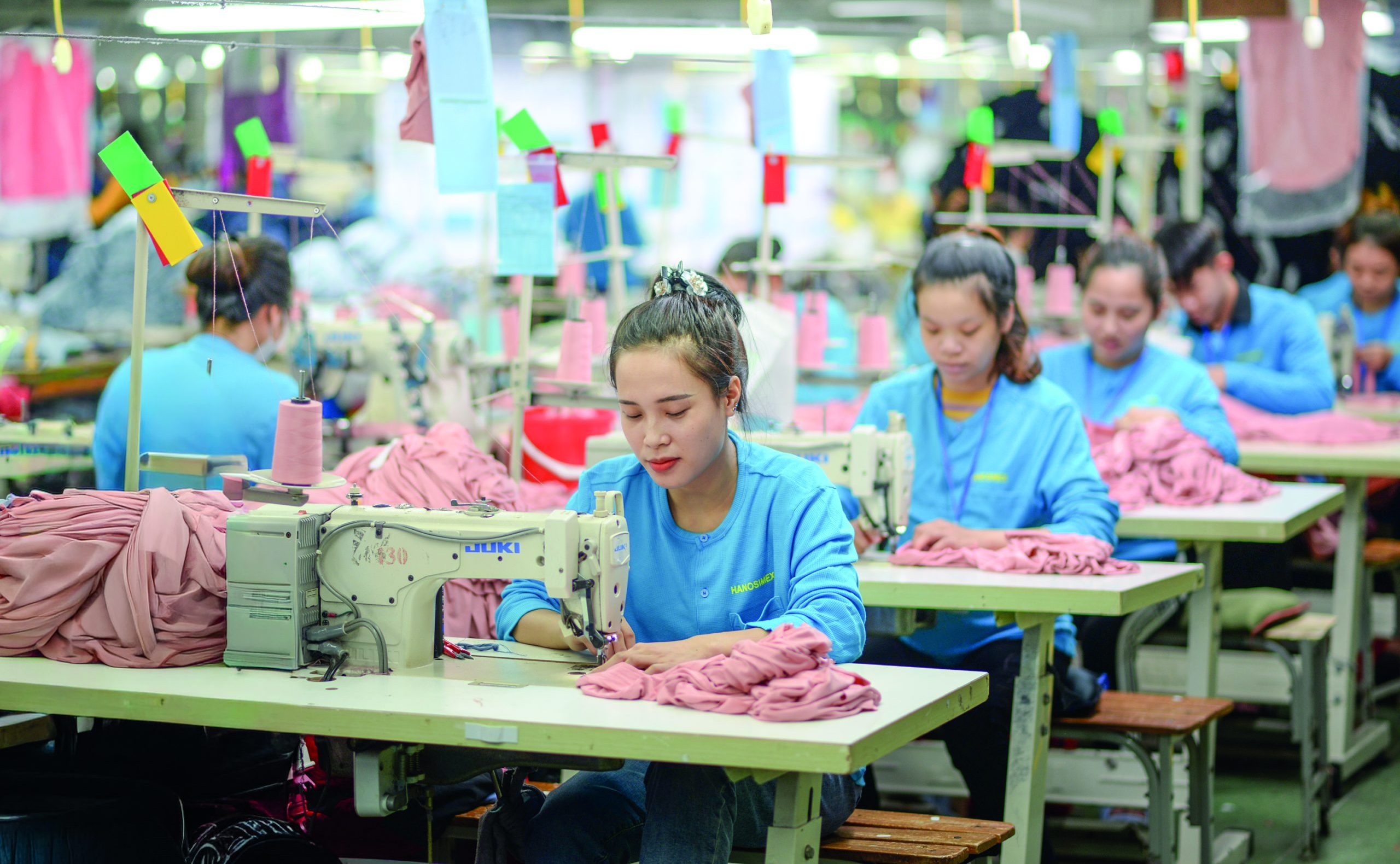
Hanosimex is facing market conditions similar to those across the Garment sector, particularly for CMT orders exported to the U.S. The company is focused on completing orders scheduled for delivery in late July and early August, but is encountering increasing difficulties in container bookings as shipping confirmations and arrangements are becoming more time-sensitive. For many shipments, only around three days are available to complete container loading, reducing the company’s flexibility in production and logistics planning.
Meanwhile, some large orders already in production remain subject to potential volume reductions, delivery postponements, or sudden requests for additional production, highlighting the company’s high dependence on customers’ consumption patterns.
The product mix is also shifting toward more complex products with higher value-added processing. Compared with the relatively simple products ordered in 2025, customers are increasingly placing orders that involve multiple processes, such as printing, embroidery, and embellishment, requiring Hanosimex to further strengthen its production management capabilities.
In terms of orders, Hanosimex currently has sufficient orders to maintain production through September, with approximately 70% of October capacity booked and only around 30% of November–December capacity filled. Customers remain cautious, focusing mainly on price quotations without committing to large orders. As a result, the outlook for Q4 2026 orders remains challenging, with no clear signals yet regarding demand for the final months of the year.